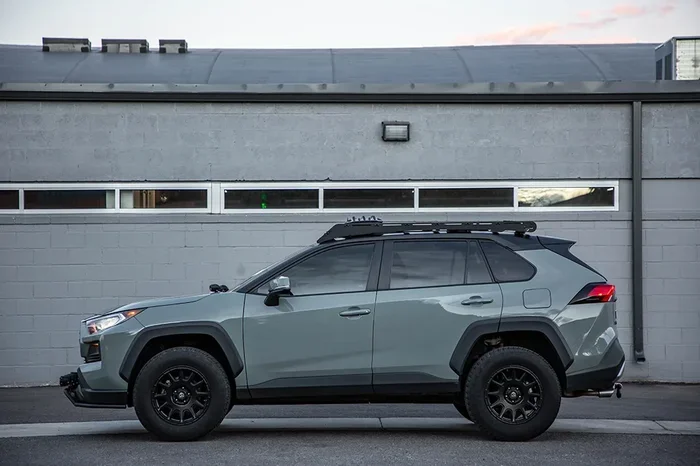
Can I Lift My RAV4 Everything You Need To Know About Lifting
Yes, you can lift your RAV4. Whether you want more ground clearance for off-road adventures or a tougher look, lifting your Toyota RAV4 is a popular modification. This guide covers lift kit types, costs, benefits, and everything you need to make an informed decision.
If you own a Toyota RAV4 and have been staring at those chunky lifted SUVs on the trail, you have probably wondered, can I lift my RAV4? The short answer is yes. The longer answer is that there are several ways to do it, each with different costs, benefits, and considerations. Whether you want to tackle dirt trails or just clear bigger speed bumps, lifting your RAV4 is something thousands of Toyota owners do every year.
Lifting a RAV4 changes how the vehicle sits, how it drives, and what it can handle. Before you dive in, it helps to understand what options exist and what you are signing up for. This guide walks you through everything from lift kit types to installation costs to potential downsides. By the end, you will know exactly whether a lift is the right move for your RAV4.
Key Takeaways
- Multiple lift options exist: You can choose from leveling kits, body lifts, and full suspension lifts depending on your goals.
- Lifting improves off-road capability: A lifted RAV4 gains better ground clearance, approach angle, and obstacle clearance.
- Costs range widely: A basic leveling kit can cost under $200, while a full suspension lift may run $1,500 to $3,000 or more.
- Professional installation is recommended: Improper installation can void your warranty and create safety issues.
- Check your warranty first: Modifications like a lift kit may affect your Toyota factory warranty coverage.
- Tire size matters: A lifted RAV4 allows you to fit larger off-road tires for better traction and performance.
📑 Table of Contents
Why Do People Lift Their RAV4?
There are many reasons Toyota RAV4 owners choose to lift their vehicles. Some reasons are practical, and some are purely about style. Let us break down the most common motivations.
More Ground Clearance
The most obvious reason to lift a RAV4 is to gain ground clearance. The stock RAV4 sits fairly low to the ground, which works great for daily driving. But if you hit a steep trail, a deep pothole, or a rocky path, that low clearance can cause damage. A lift gives you breathing room between the undercarriage and the terrain.
Better Off-Road Performance
When you lift your RAV4, you also open up the ability to install larger tires. Bigger tires mean better traction on loose surfaces like gravel, mud, and sand. The increased height also improves your approach angle and departure angle, which are the angles your front and rear bumpers make with the ground. This matters a lot when climbing over rocks or logs.
A More Aggressive Look
Let us be honest. A lifted RAV4 looks tough. The higher stance gives the SUV a more commanding presence on the road. Many owners love how a lift kit changes the overall stance and appearance of their vehicle.
Improved Visibility
When your RAV4 sits higher, you can see the road better. This is especially helpful in heavy traffic or when driving in areas with poor road conditions. You can spot potholes, debris, and obstacles sooner.
Types of RAV4 Lift Kits
Not all lift kits are the same. Understanding the different types is the first step in choosing the right one for your RAV4. Each option serves a different purpose and comes with its own trade-offs.
Leveling Kits
A leveling kit is the simplest and most affordable option. It raises the front of the vehicle by about 1 to 2 inches to match the height of the rear. Many RAV4s have a slightly nose-down stance from the factory, so a leveling kit corrects that. These kits typically use spacers placed on top of the existing strut assembly.
Best for: Cosmetic improvement, slight off-road use, and fitting slightly larger tires (up to about 265/70R17).
Body Lift Kits
A body lift kit raises the vehicle’s body off the frame using plastic or aluminum spacers. The suspension and wheels stay in their stock position. This type of lift is usually between 1 and 3 inches and is great for fitting larger tires without changing the driving dynamics much.
Best for: Fitting bigger tires and improving the look while keeping the factory ride quality intact.
Suspension Lift Kits
A full suspension lift replaces or modifies the springs, shocks, and control arms to raise the entire vehicle. This is the most complete and capable lift option. Suspension lifts can range from 2 inches all the way up to 6 inches or more. They give you the most ground clearance and the best off-road performance.
Best for: Serious off-roading, maximum ground clearance, and large tire upgrades.
TRD Lift Kits
Toyota offers its own lift kits through the TRD (Toyota Racing Development) line. These are designed specifically for the RAV4 and go through Toyota’s testing process. TRD lift kits typically range from 1 to 2.5 inches and offer a good balance of off-road capability and on-road comfort.
Best for: Owners who want a factory-backed lift option with warranty support.
How Much Does It Cost to Lift a RAV4?
The cost of lifting your RAV4 depends heavily on the type of kit you choose and whether you install it yourself or hire a professional. Here is a general breakdown.
| Lift Type | Kit Cost | Installation Cost | Total Estimate |
|---|---|---|---|
| Leveling Kit | $100 – $300 | $150 – $300 | $250 – $600 |
| Body Lift Kit | $200 – $500 | $300 – $600 | $500 – $1,100 |
| Suspension Lift Kit | $800 – $2,500 | $500 – $1,500 | $1,300 – $4,000 |
| TRD Lift Kit | $500 – $1,500 | $300 – $800 | $800 – $2,300 |
These numbers can vary based on the year of your RAV4 and where you live. Labor costs tend to be higher in urban areas. Always get a quote from your local shop before committing. Also, keep in mind that a lifted RAV4 may need an alignment after installation, which usually costs an additional $80 to $120.
Some owners choose to install a lift kit themselves to save money. If you have basic mechanical skills and the right tools, a leveling kit or body lift can be a DIY project. However, a full suspension lift is complex and best left to professionals. Mistakes during installation can lead to unsafe driving conditions.
Can You Drive a Lifted RAV4 Every Day?
Absolutely. Many RAV4 owners lift their vehicles and use them as daily drivers. The key is choosing the right amount of lift for your needs. A small leveling kit or a 1-inch body lift will not change your daily driving experience much at all.
That said, there are a few things to keep in mind. A taller vehicle has a higher center of gravity, which can affect handling during sharp turns or emergency maneuvers. Most owners do not notice a big difference with a 1 to 2-inch lift, but a 4-inch or larger suspension lift can feel more noticeable on the highway.
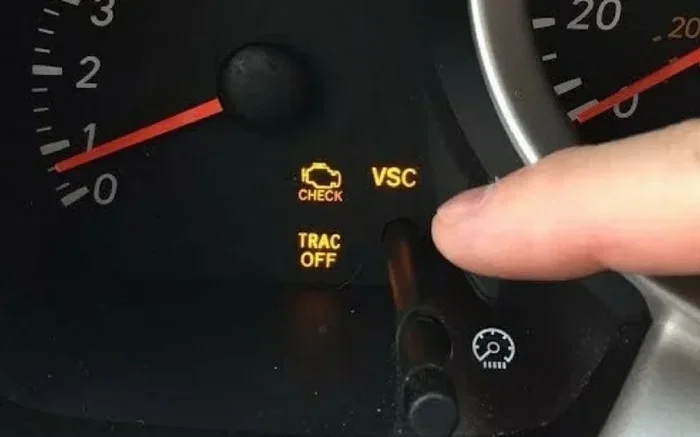
You should also know that lifting your RAV4 may affect your traction control system. The TRAC light on a RAV4 monitors wheel slip, and changes in suspension geometry can sometimes trigger it. If you notice the TRAC light coming on after a lift, it is worth getting checked out. Similarly, if you ever experience overheating issues after modifications, you should address them promptly — learn more about driving after overheating to protect your engine.
What Else Do You Need After Lifting a RAV4?
Lifting your RAV4 is just the beginning. To get the most out of your lifted SUV, you will likely want a few additional upgrades.
Larger Off-Road Tires
The whole point of most lifts is to fit bigger tires. After a suspension lift, you can usually fit tires up to 265/70R17 or even larger depending on the lift height. Larger tires give you more traction and better obstacle-clearing ability. Just remember that bigger tires can slightly reduce your fuel economy.
Skid Plates
With more ground clearance comes more exposure to rocks and debris. Skid plates protect your oil pan, transmission, and fuel tank from damage. They are relatively inexpensive and easy to install.
Upgraded Shocks and Struts
If you go with a suspension lift, the stock shocks may not perform well at the new height. Upgraded shocks or struts improve ride quality and handling. Many lift kits come with shocks included, but aftermarket options from brands like Bilstein or Fox offer even better performance.
Brake Line Extensions
Raising the vehicle can stretch the brake lines. Most lift kits include brake line extensions, but it is worth checking with your installer to make sure everything is properly routed.
Will a Lift Void Your RAV4 Warranty?
This is one of the most common questions RAV4 owners ask before lifting. The answer depends on your specific warranty and how the lift affects your vehicle.
If you have a Toyota factory warranty, modifying your suspension with a lift kit can potentially void coverage for related parts. For example, if a lifted RAV4 develops a suspension issue and Toyota determines the lift kit caused the problem, they may deny the claim. However, a lift kit should not void your warranty for unrelated issues like electrical problems or engine failures.
To protect yourself, consider installing a vehicle history report if you are buying a used lifted RAV4. This helps you understand any prior modifications and potential warranty implications. It is also smart to keep all original parts so you can reinstall them before any warranty service if needed.
Common Mistakes When Lifting a RAV4
Lifting a RAV4 is straightforward, but there are some common mistakes that owners make. Avoiding these can save you money, time, and headaches.
- Choosing the wrong lift kit: Not all lift kits fit all RAV4 model years. Make sure you buy a kit specifically designed for your year and trim.
- Skipping the alignment: A lift changes your suspension geometry. Always get an alignment after installation to prevent uneven tire wear and unsafe handling.
- Overestimating your needs: A 4-inch lift looks great on a trail, but it can make daily driving feel awkward. Choose a lift height that matches how you actually use the vehicle.
- Ignoring tire clearance: Even with a lift, some tire sizes will rub on the fenders or suspension components. Test fit your tires before driving.
- Cheap lift kits: A very inexpensive lift kit may save you money upfront but could compromise safety and ride quality. Invest in a reputable brand.
Expert Tips for a Successful RAV4 Lift
Here are some expert insights to help you get the most out of your lifted RAV4.
Start with a leveling kit if you are unsure about a full lift. It is the least expensive and least invasive option. You can always upgrade to a bigger lift later if you decide you want more clearance. This approach lets you test the waters without a big commitment.
When choosing a lift kit, read reviews from other RAV4 owners. Real-world experience is more valuable than marketing claims. Look for forums and YouTube channels dedicated to RAV4 modifications. These communities are full of helpful advice and real-world installation tips.
Also consider how a lifted RAV4 will affect your parking and garage clearance. A 2-inch lift may not sound like much, but it adds up when you are trying to fit into a tight garage or low-clearance parking garage. Measure your space before committing to a lift.
If you plan to use your lifted RAV4 for serious off-roading, invest in quality off-road accessories like a winch, rock sliders, and a roof rack. These additions complement your lift and make your RAV4 a true trail-ready machine.
Conclusion
So, can you lift your RAV4? The answer is a clear yes. Whether you choose a simple leveling kit or a full suspension lift, lifting your Toyota RAV4 opens up new possibilities for off-road adventure, better visibility, and a more aggressive look. The key is choosing the right type of lift for your needs, budget, and driving habits.
Remember to factor in installation costs, potential warranty implications, and the need for follow-up upgrades like larger tires and skid plates. Take your time researching lift kits and installers, and do not rush the process. A well-executed RAV4 lift is one of the most rewarding modifications you can make to your Toyota SUV.
Start with your goals. If you just want a slightly tougher look, a leveling kit is a great place to start. If you want to hit the trails, invest in a proper suspension lift with quality components. Either way, you will enjoy the benefits of a lifted RAV4 for years to come.
Frequently Asked Questions
What is the best lift kit for a RAV4?
The best lift kit depends on your goals. For a simple look upgrade, a leveling kit works great. For serious off-roading, a full suspension lift from a reputable brand like Old Man Emu or TRD is the way to go. Always choose a kit designed for your specific RAV4 model year.
How high can you lift a RAV4?
Most RAV4 owners lift their vehicles between 1 and 3 inches for daily driving and mild off-roading. Some enthusiasts go up to 4 or 6 inches for serious trail use. Keep in mind that taller lifts require more modifications and can affect on-road handling.
Is lifting a RAV4 worth it?
If you enjoy off-roading or want a more commanding vehicle stance, a lift is worth it. The increased ground clearance and ability to fit larger tires make a lifted RAV4 a much more capable trail vehicle. For purely on-road use, the benefits are more about appearance than function.
Can you lift a RAV4 yourself?
Yes, you can install a leveling kit or body lift yourself if you have basic mechanical skills and the right tools. However, a full suspension lift is complex and best handled by a professional. Improper installation can lead to safety issues and void your warranty.
Does a lift kit affect fuel economy?
Yes, a lifted RAV4 typically sees a slight decrease in fuel economy. The taller vehicle creates more wind resistance, and larger tires are heavier and create more rolling resistance. The difference is usually small, around 1 to 3 miles per gallon, but it adds up over time.
Will a lift kit affect my RAV4’s resale value?
This depends on the buyer. Some SUV buyers love lifted RAV4s for their off-road capability, while others prefer stock vehicles. A well-installed lift with quality components generally holds value well, especially if the RAV4 is marketed toward off-road enthusiasts.