Do Tundras Hold Their Value Everything You Need To Know
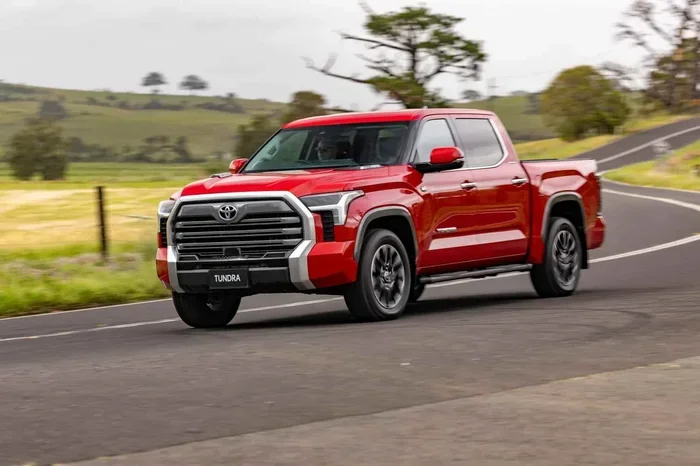
The Toyota Tundra is a full-size pickup truck that holds its value surprisingly well compared to many competitors. On average, Tundras lose about 30-40% of their value over five years, which is better than most trucks in the same class. Factors like trim level, mileage, maintenance history, and market demand all play a big role in how well a Tundra retains its value.
When you spend big money on a truck, you want to know it will be worth something down the road. The Toyota Tundra has been a staple in the full-size pickup world for over two decades. But do Tundras hold their value? That is the question every truck buyer wants answered before signing on the dotted line.
The short answer is yes. Tundras have a reputation for holding their value better than many competitors in the full-size truck segment. But the full picture is more nuanced than a simple yes or no. Your specific Tundra’s value depends on several factors that we will break down in this guide. Whether you are buying new, shopping for a used model, or planning to sell in a few years, understanding Tundra value retention helps you make smarter decisions.
Toyota has built a strong reputation for reliability, and the Tundra benefits from that brand trust. Buyers know that a Toyota truck will likely keep running long after the warranty expires. This reputation alone boosts resale demand. But there is much more to the story. Let us dive into everything you need to know about how well Tundras hold their value and what you can do to maximize your investment.
Key Takeaways
- Strong Resale Value: Tundras depreciate slower than many rival trucks, making them a smart long-term investment.
- Trim Level Matters: Higher trims like the 1794 and Platinum tend to hold value better than base models.
- Maintenance Is Key: Keeping up with regular service and addressing issues promptly preserves your truck’s worth.
- Market Demand Drives Prices: Tundras remain in high demand, especially in regions where trucks are essential for work and recreation.
- Hybrid Models Show Promise: The newer hybrid Tundra may offer even better value retention due to fuel efficiency and modern features.
- Buying Used Can Save Big: A well-maintained used Tundra offers excellent value since the steepest depreciation already happened.
- Condition Counts: Keeping your Tundra clean, dent-free, and mechanically sound directly impacts resale price.
📑 Table of Contents
Understanding Tundra Depreciation
What Is Depreciation and Why Does It Matter?
Depreciation is the gradual loss of value that every vehicle experiences over time. Think of it as the cost of owning something that loses worth the moment you drive it off the lot. For trucks, depreciation rates vary widely depending on brand, model, and market conditions.
On average, a new Tundra loses about 15-20% of its value in the first year. By year five, total depreciation typically falls in the 30-40% range. Compare that to some competitors that lose 50% or more in the same timeframe, and the Tundra starts to look pretty attractive. Toyota Tundra resale value has consistently ranked above average among full-size pickups.
Why does this matter to you? If you plan to sell or trade in your truck eventually, lower depreciation means more money back in your pocket. A truck that holds its value better essentially costs less to own over time. That is why so many buyers pay close attention to Tundra depreciation rate before making a purchase decision.
How the Tundra Compares to Other Full-Size Trucks
The full-size truck market is crowded with tough competitors. The Ford F-150, Ram 1500, Chevrolet Silverado, and GMC Sierra all compete for the same buyers. So how does the Tundra stack up?
In general, the Tundra holds its value slightly better than the Silverado and Sierra. It competes closely with the F-150, which is the market leader in many categories. The Ram 1500 tends to depreciate a bit faster than the Tundra. Here is a quick comparison of average five-year depreciation across popular full-size trucks:
Toyota Tundra: 30-40% depreciation over five years
Ford F-150: 35-45% depreciation over five years
Chevrolet Silverado: 40-50% depreciation over five years
Ram 1500: 38-48% depreciation over five years
GMC Sierra: 40-50% depreciation over five years
These numbers are averages and can vary based on trim, engine, region, and condition. But the pattern is clear. The Tundra sits in a strong position when it comes to best trucks for resale value. This is one of the reasons the Tundra has such a loyal following.
Factors That Affect Tundra Value Retention
Trim Level and Configuration
Not all Tundras are created equal when it comes to holding value. The trim level you choose plays a significant role in Tundra trim levels value retention. Base models like the SR tend to depreciate faster than higher-end trims. The 1794, Platinum, and Limited trims hold their value much better because they offer premium features that buyers are willing to pay for on the used market.
Configuration also matters. A Tundra with a CrewMax cab and a longer bed typically holds more value than a regular cab or short bed model. Four-wheel drive models also command higher resale prices than two-wheel drive versions. If you are choosing a Tundra with resale in mind, the 1794 or Platinum trim with 4WD and a CrewMax cab is a strong choice.
Mileage and Usage
Mileage is one of the biggest factors that buyers look at when evaluating a used truck. Lower mileage always commands a higher price. But it is not just about the number on the odometer. How the miles were accumulated matters too.
A Tundra with 60,000 miles of mostly highway driving will hold its value better than one with 40,000 miles of heavy stop-and-go city driving. Highway miles are gentler on the engine, transmission, and brakes. If you use your Tundra for towing and hauling, expect a bit more depreciation. That is just the reality of heavy use. But even a well-used Tundra holds up remarkably well thanks to Toyota’s durable powertrain.
Maintenance History and Service Records
Here is something many buyers overlook. A complete service history can significantly boost your Tundra’s resale value. When you find out how much your car is worth to sell, buyers and dealers look closely at maintenance records. A Tundra with documented oil changes, brake jobs, and regular inspections inspires confidence.
Toyota trucks are known for their longevity, but that longevity depends on proper care. Skipping oil changes or ignoring warning signs can lead to costly repairs down the road. Those repairs not only cost you money but also hurt your truck’s resale value. Keeping up with the manufacturer’s recommended maintenance schedule is one of the simplest ways to protect your investment.
Market Demand and Regional Factors
Truck demand varies by region, and this directly impacts how well Tundras hold their value. In rural areas, farming communities, and places with harsh winters, trucks are essential. Demand stays high, which means better resale prices. In urban areas where trucks are less common, depreciation can be a bit faster.
The Tundra also benefits from Toyota’s strong brand presence in North America. Toyota owners tend to be loyal, and that loyalty extends to the used truck market. When you are ready to sell, there is a solid pool of buyers actively looking for a Tundra. This steady demand helps stabilize prices and slow depreciation.
How to Maximize Your Tundra’s Value Over Time
Keep It Clean and Well-Maintained
First impressions matter, especially when selling a truck. A clean, well-maintained Tundra always sells faster and for more money than one that looks neglected. Regular washing, waxing, and interior cleaning go a long way. Address small issues like dents, scratches, or worn trim pieces before they become bigger problems.
Consider investing in a quality bed liner and tonneau cover. These accessories protect the truck and make it more appealing to buyers. If your Tundra has any cosmetic damage, you might want to prepare my car for touch up paint to fix minor blemishes. Small cosmetic fixes can make a surprisingly big difference in perceived value.
Drive Responsibly
How you drive your Tundra directly affects its long-term value. Aggressive driving, hard braking, and rapid acceleration all take a toll on the vehicle. Over time, this wear shows up in the form of worn tires, brake components, and suspension parts. A Tundra that has been driven gently will always hold more value than one that has been abused.
Stick to recommended tire pressure, follow the maintenance schedule, and address any unusual sounds or symptoms promptly. These habits keep your truck running smoothly and preserve its resale worth. Think of it as protecting your financial investment, not just your daily driver.
Timing Your Sale
When you sell your Tundra can impact how much money you get back. The used truck market has seasonal trends. Spring and early summer tend to be the strongest selling seasons for trucks. Buyers are more active, and competition among buyers can drive prices up.
Avoid selling during periods when truck inventory is high. If many used Tundras are flooding the market, prices may dip. On the other hand, if supply is low and demand is steady, you are in a stronger negotiating position. Do a little research on local market conditions before listing your truck for sale.
The New Toyota Tundra Hybrid and Future Value
Will the Hybrid Tundra Hold Value Better?
Toyota introduced the hybrid version of the Tundra in recent years, and it has generated significant interest. The hybrid powertrain offers improved fuel economy, which is a major selling point for truck buyers. But will the hybrid Tundra hold its value better than the traditional V8 models?
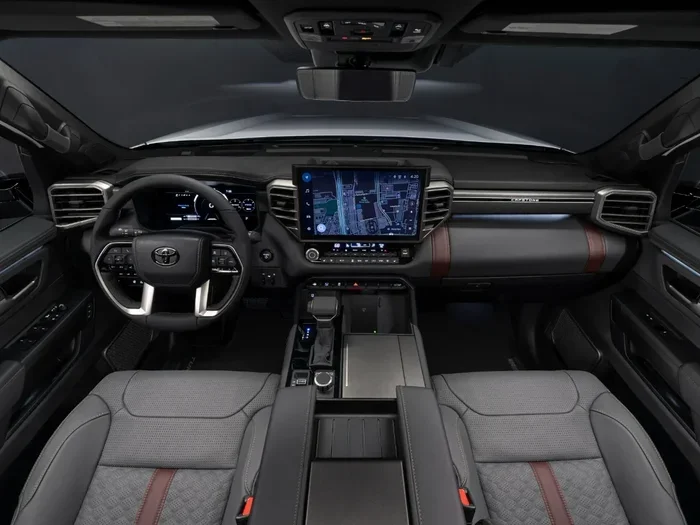
Early signs are promising. Hybrid trucks tend to attract buyers who prioritize efficiency without sacrificing capability. The new Tundra hybrid also comes loaded with modern technology and safety features that appeal to today’s buyers. As the first generation of hybrid Tundras ages, they could become collectible in their own right. The combination of Toyota reliability, hybrid efficiency, and strong towing capacity makes the hybrid Tundra a compelling option for value-conscious buyers.
That said, it is still early days for the hybrid Tundra. Long-term depreciation data is not yet available. But given Toyota’s track record and the growing demand for hybrid vehicles, the outlook is positive. If you are considering a hybrid Tundra, you are likely making a sound investment that will hold its value well.
Towing Capacity and Utility Value
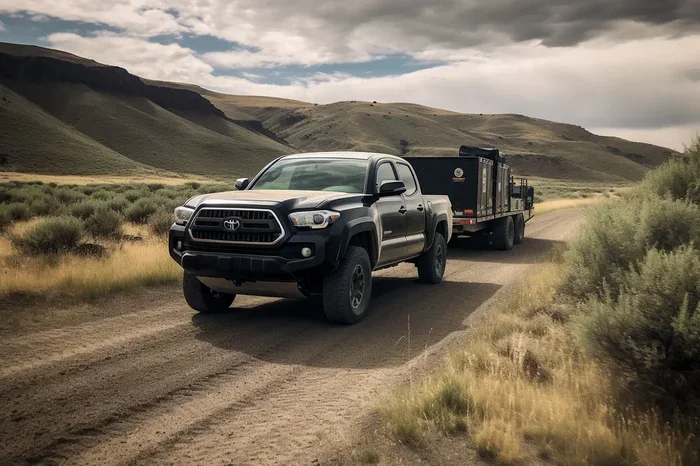
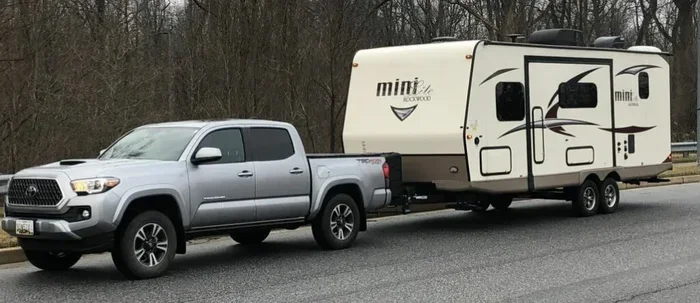
One of the biggest reasons people buy Tundras is for towing. The Tundra offers impressive towing capacity, and the ability to add towing capacity to my truck makes it even more versatile. This utility factor plays a direct role in value retention.
Trucks that can tow heavy loads are always in demand, especially in rural and suburban areas. Buyers looking for a used Tundra often prioritize models with strong towing specs. If your Tundra has been equipped with the towing package and has a clean maintenance record, it will be highly desirable on the used market.
The Tundra’s payload capacity also adds to its practical value. Whether you are hauling lumber, equipment, or recreational gear, the Tundra delivers. This real-world utility keeps demand steady and helps the truck hold its value over time.
Common Mistakes That Hurt Tundra Value
Neglecting Regular Maintenance
Skipping oil changes, ignoring check engine lights, and putting off scheduled services are the fastest ways to erode your Tundra’s value. A neglected truck signals to buyers that there may be hidden problems. Even if the truck runs fine, the lack of maintenance records creates doubt and lowers the offer price.
Adding Aftermarket Modifications
It is tempting to add lifts, oversized wheels, custom exhausts, and other aftermarket parts. While these upgrades might make your Tundra more fun to drive, they do not always add resale value. Many buyers prefer stock or OEM-configured trucks because they come with warranties and proven reliability. If you do modify your Tundra, keep the original parts and reinstall them before selling.
Ignoring Cosmetic Damage
Small dents, rust spots, and interior stains might seem minor, but they add up in the eyes of a buyer. A truck with visible cosmetic damage always sells for less than one that looks pristine. Take the time to address cosmetic issues before listing your Tundra for sale. It is one of the easiest ways to get a better price.
Expert Insights on Tundra Value Retention
Industry experts consistently rank the Toyota Tundra as one of the top full-size trucks for value retention. According to recent depreciation studies, the Tundra outperforms many competitors in the first three years of ownership, which is when depreciation is steepest. This early advantage sets the tone for the truck’s entire ownership lifecycle.
Automotive analysts point to Toyota’s reputation for durability as the primary driver of strong value retention. Buyers trust that a used Tundra will continue to perform reliably for years to come. This trust translates directly into stronger resale prices. The Tundra also benefits from limited production numbers compared to the F-150, which creates a sense of exclusivity that supports used market prices.
Another factor experts highlight is the Tundra’s simplicity. Unlike some competitors that pack trucks with complex technology that can become outdated or expensive to repair, the Tundra focuses on proven mechanical components. This straightforward approach means lower long-term ownership costs and better value over time.
Final Thoughts on Tundra Value Retention
So, do Tundras hold their value? The evidence is clear. Yes, they do. The Toyota Tundra stands out in the full-size truck segment for its strong Tundra value retention and below-average depreciation rate. Whether you buy new or used, the Tundra offers a compelling combination of reliability, capability, and long-term worth.
The key to maximizing your Tundra’s value is simple. Choose a popular trim, keep up with maintenance, drive responsibly, and sell at the right time. These steps might seem basic, but they make a real difference in how much your truck is worth when it is time to move on.
If you are on the fence about buying a Tundra, the value retention story alone is a strong argument. You are not just buying a truck. You are making a smart financial decision that will pay off when it is time to sell. The Tundra has earned its reputation, and it continues to be one of the best choices for buyers who want a truck that holds its worth.
Whether you use your Tundra for work, play, or both, you can feel confident knowing that your investment is protected. Toyota built a truck that does not just perform. It endures. And in the world of full-size pickups, that is exactly what buyers are looking for.
Frequently Asked Questions
How much does a Toyota Tundra depreciate in the first year?
A new Tundra typically loses about 15-20% of its value in the first year. This is in line with most full-size trucks but better than many competitors. The exact amount depends on the trim level, mileage, and local market conditions.
Is a used Tundra a good investment?
Yes, buying a used Tundra is a smart investment. The steepest depreciation has already occurred in the first few years, so you get more value for your dollar. A well-maintained used Tundra can provide years of reliable service at a lower cost than buying new.
Which Tundra trim holds value the best?
The 1794, Platinum, and Limited trims tend to hold their value the best. These higher-end trims offer premium features that buyers want on the used market. The SR and SR5 base trims depreciate a bit faster but still retain solid value overall.
Does the Tundra hybrid hold value better than the V8?
Early indications suggest the hybrid Tundra may hold value slightly better due to its improved fuel economy and modern features. However, long-term data is still limited. Toyota’s strong brand reputation supports value retention for both the hybrid and V8 models.
How can I improve my Tundra’s resale value?
Keep up with regular maintenance, store the truck in good condition, address cosmetic issues promptly, and avoid aggressive driving. Maintaining complete service records and keeping the truck clean will also help maximize your resale price.
What is the average Tundra resale value after five years?
On average, a Tundra retains about 60-70% of its original value after five years. This varies based on trim, mileage, condition, and local market demand. Higher trims and lower-mileage examples tend to retain more value than base models with high mileage.