Does the Check Engine Light Come On for Toyota Oil Change
No, the check engine light does not typically come on for a routine Toyota oil change. Toyota uses a separate oil change indicator or maintenance light to remind you about service. However, certain conditions like low oil pressure or a faulty oil life system can trigger the check engine light. Understanding the difference between these warnings helps you avoid unnecessary trips to the mechanic.
You are driving your Toyota down the road when a small yellow or red light suddenly pops up on your dashboard. Your heart skips a beat. You wonder, does the check engine light come on for an oil change on a Toyota? The short answer is no. But the full story is a lot more interesting than that simple fact.
Toyota vehicles use a smart system of lights and indicators to communicate with drivers. Each light has a specific job. Some warn about serious engine problems. Others simply remind you it is time for routine car maintenance. Understanding the difference between these warnings can save you a lot of stress and money.
In this guide, we will walk through everything you need to know about the check engine light and oil changes on Toyota vehicles. We will cover what each light means, why it comes on, and how to handle it like a pro. Whether you drive a Camry, a Corolla, a Highlander, or any other Toyota model, this article has you covered.
Key Takeaways
- The check engine light and the maintenance light are two different warnings on Toyota vehicles and serve distinct purposes.
- A routine oil change will not trigger the check engine light on any Toyota model.
- The oil change reminder is part of Toyota’s maintenance schedule system and resets after service.
- Low oil levels or oil pressure issues can activate the check engine light and require immediate attention.
- Resetting the oil change indicator is simple and can be done at home in most Toyota models.
- Ignoring the maintenance light can lead to bigger problems down the road for your Toyota engine.
- Always check what specific warning light is on before assuming the worst about your vehicle.
📑 Table of Contents
- Does the Check Engine Light Come On for a Toyota Oil Change?
- How Does the Toyota Oil Change Reminder Work?
- When Does the Check Engine Light Actually Come On?
- What to Do When the Check Engine Light Comes On
- Toyota Oil Change Best Practices
- Common Mistakes Drivers Make with Warning Lights
- Expert Insights on Toyota Warning Systems
- Key Takeaways
- Conclusion
Does the Check Engine Light Come On for a Toyota Oil Change?
The quick and clear answer is no. The check engine light is not designed to tell you it is time for an oil change. Toyota uses a completely different system for that. The check engine light is part of the onboard diagnostics system. It only activates when the computer detects a problem with the engine or emissions system.
So what light should you look for? Toyota vehicles have a separate maintenance required light or an oil change indicator. This light usually looks like a small wrench or the word “MAINT” on the dashboard. It is specifically designed to remind you about scheduled service based on mileage or driving conditions.
Understanding Toyota Dashboard Warning Lights
Toyota dashboards have several different warning lights. Each one serves a unique purpose. Let us break them down so you never have to guess again.
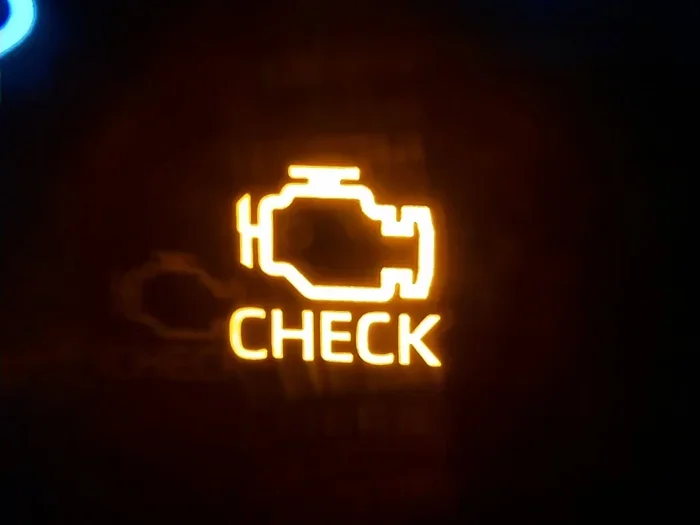
- Check Engine Light (yellow engine icon): This signals an issue with the engine, emissions, or sensors. It is part of the Toyota diagnostic trouble code system.
- Maintenance Required Light (wrench icon): This is your oil change reminder. It comes on based on your service interval and driving habits.
- Oil Pressure Warning (red oil can icon): This is a serious warning. It means your oil pressure is too low and you should stop driving immediately.
- Oil Change Indicator: Some Toyota models display a specific message like “Change Engine Oil Soon” on the instrument cluster.
Knowing which light is which is the first step to staying calm when something flashes on your dashboard. Many drivers panic when they see any warning light. But most of the time, the maintenance light is just a friendly reminder, not an emergency.
How Does the Toyota Oil Change Reminder Work?
Toyota uses an oil life system to track when your next oil change is due. This system is smarter than just counting miles. It monitors your driving habits and conditions to estimate when the oil needs replacing.
What Triggers the Oil Change Reminder?
The oil change reminder activates based on several factors:
- Mileage: Most Toyotas default to a 5,000 or 10,000-mile interval depending on the model and year.
- Driving Conditions: Stop-and-go traffic, extreme temperatures, and towing can shorten the oil life.
- Engine Load: Heavy acceleration and high RPM driving use oil faster.
- Time: Even if you drive few miles, oil degrades over time.
When the system decides the oil life is used up, it triggers the maintenance light. This is separate from the check engine light entirely. The oil life system is a built-in feature of the Toyota maintenance schedule and works automatically in the background.
Resetting the Oil Change Reminder
After you get your oil changed, you need to reset the reminder. This is easy to do on most Toyota models. Here is a quick overview:
- Turn the ignition to the “ON” position without starting the engine.
- Press the trip meter reset button until the maintenance light appears.
- Hold the reset button for several seconds until the light turns off.
- Turn the ignition off and then back on to confirm the reset.
If you are unsure about the exact steps for your Toyota model, you can always check the owner’s manual. The reset process is slightly different for each year and trim level.
When Does the Check Engine Light Actually Come On?
The check engine light is a serious warning that something is wrong with your vehicle. It is connected to the On-Board Diagnostics II (OBD-II) system. This system monitors all engine functions and emissions controls. When it detects a problem, it stores a trouble code and lights up the check engine icon.
Common Reasons the Check Engine Light Activates
There are many reasons the check engine light might come on. Here are some of the most common ones:
- Loose or damaged gas cap: A simple loose cap can trigger the light because it affects the fuel system seal.
- Faulty oxygen sensor: This sensor measures unburned oxygen in the exhaust and affects fuel economy.
- Catalytic converter issues: A failing converter can cause emissions problems that trigger the light.
- Spark plug or ignition coil problems: Worn spark plugs can cause misfires that the system detects.
- Mass airflow sensor failure: This sensor measures the air entering the engine and is critical for fuel injection.
None of these reasons are related to a routine oil change. The check engine light is specifically tied to engine performance and emissions. A normal oil change with fresh oil and a new filter will not cause any of these problems.
Can Oil Problems Trigger the Check Engine Light?
Yes, but only in specific situations. If your engine oil is extremely low, the oil pressure drops. Low oil pressure can damage the engine and trigger the check engine light. This is not the same as saying an oil change causes the light to come on. Rather, neglecting oil changes for too long can lead to low oil levels, which then triggers the warning.
This is why staying on top of your Toyota oil change schedule matters. Regular oil changes prevent the conditions that could eventually trigger the check engine light. Think of it as preventive care for your engine.
What to Do When the Check Engine Light Comes On
If your check engine light does come on, do not panic. But do not ignore it either. Here is a step-by-step approach to handling this situation.
Step 1: Check for Obvious Issues
First, check your gas cap. Make sure it is tightened properly. If you recently filled up, the cap might not be seated correctly. Tighten it and drive for a few days. Sometimes the light will turn off on its own.
Step 2: Check Your Oil Level
Open the hood and check your engine oil level using the dipstick. If the oil is very low, top it off. Low oil can cause engine damage if you keep driving. Routine vehicle maintenance like checking your oil between changes can help you catch low levels early.
Step 3: Get a Diagnostic Scan
Take your Toyota to a mechanic or auto parts store for a diagnostic scan. They can read the trouble codes stored in the computer. This tells you exactly what triggered the light. Does Jiffy Lube do diagnostics? Many quick-lube shops offer this service, but a Toyota dealership or certified mechanic will give you the most accurate reading.
Step 4: Address the Problem
Once you know the trouble code, you can address the specific issue. Some problems are minor and cheap to fix. Others require more attention. The key is not to delay. Ignoring the check engine light can lead to more serious and expensive repairs.
Toyota Oil Change Best Practices
Keeping up with your Toyota oil change is one of the best things you can do for your vehicle. Fresh oil lubricates the engine, reduces friction, and prevents overheating. Here are some best practices to follow.
Use the Right Oil
Toyota recommends specific oil weights for different models. Most modern Toyotas use 0W-20 synthetic oil. Always check your owner’s manual for the correct specification. Using the wrong oil weight can affect engine performance and fuel economy.
Some drivers ask, does Mobil 1 really last 10,000 miles? Synthetic oils like Mobil 1 can last longer intervals, but Toyota’s recommended service schedule is the safest bet. Sticking to the factory guidelines ensures your warranty stays valid and your engine runs smoothly.
Change the Oil Filter Too
Every oil change should include a new oil filter. The filter catches contaminants and keeps your oil clean. A clogged filter restricts oil flow and can cause engine problems over time. Always use a quality OEM or equivalent filter for best results.
Keep Track of Your Service Intervals
Use a maintenance log or a phone app to track your oil changes. This helps you stay on schedule and gives you a record if you ever sell the vehicle. Many Toyota models also have a service history feature in the onboard computer that a mechanic can access.
Common Mistakes Drivers Make with Warning Lights
Drivers make mistakes when it comes to dashboard warning lights. Here are some common ones to avoid.
- Ignoring the maintenance light: Some drivers think the wrench light does not matter. It does. Skipping oil changes leads to engine wear and reduced performance.
- Confusing the lights: The maintenance light and check engine light look different. Make sure you know which one is on before you react.
- Resetting without fixing: If the check engine light is on, simply resetting it does not fix the problem. The light will come back, and the underlying issue gets worse.
- Delaying oil changes: Pushing past the recommended mileage interval can degrade oil quality and harm the engine.
- Using generic oil: Always follow Toyota’s oil specification recommendations. Generic oils may not provide the same level of protection.
Avoiding these mistakes keeps your Toyota running strong for years. Regular maintenance is the foundation of reliable vehicle ownership.
Expert Insights on Toyota Warning Systems
Toyota has designed one of the most intuitive dashboard systems in the automotive industry. The warning lights are color-coded for urgency. Red means stop immediately. Yellow means get it checked soon. Green or blue means a system is active, like high beams or cruise control.
The Toyota maintenance schedule is built into the vehicle’s computer. It uses real-time data to estimate when service is needed. This is far more accurate than simple mileage-based reminders. The system accounts for how hard you drive, what conditions you face, and how your engine is performing.
According to Toyota service guidelines, the oil change interval can vary based on the model. Older Toyotas typically use a 5,000-mile interval. Newer models with synthetic oil can go up to 10,000 miles or more. Always refer to your specific owner’s manual for the exact recommendation for your vehicle.
If you ever wonder whether a warning light is normal or urgent, the answer is usually in the color and symbol. A yellow check engine light means you should schedule service soon. A red oil pressure light means you need to pull over immediately. Knowing the difference between these signals is essential for every Toyota owner.
Key Takeaways
- The check engine light does not come on for a routine oil change. Toyota uses a separate maintenance light for service reminders.
- The maintenance required light (wrench icon) is your oil change indicator. It activates based on the oil life system and driving conditions.
- The check engine light is tied to engine performance and emissions issues. It uses the OBD-II diagnostic system to detect problems.
- Low oil levels from neglected oil changes can eventually trigger the check engine light. This is why staying on schedule matters.
- Resetting the oil change reminder is simple and should be done after every oil service.
- Regular Toyota maintenance prevents bigger problems. Staying on top of oil changes protects your engine and your wallet.
- Always identify which warning light is on before taking action. Different lights mean different things.
Conclusion
So, does the check engine light come on for an oil change on a Toyota? The answer is definitively no. Toyota separates its service reminders from its diagnostic warnings for good reason. The maintenance required light tells you about oil changes and routine service. The check engine light warns about engine and emissions problems. Understanding this difference keeps you informed and confident behind the wheel.
Staying on top of your Toyota oil change schedule is one of the simplest and most effective things you can do for your vehicle. It keeps your engine running smoothly, improves fuel economy, and prevents costly repairs down the road. Never ignore the maintenance light, and never assume the check engine light means you need an oil change.
Take a moment to learn your Toyota’s specific warning lights. Check your owner’s manual. Keep track of your service intervals. These small habits add up to a healthier, more reliable vehicle. Your Toyota is built to last, and with the right care, it will keep running strong for many miles to come.
Remember, when in doubt, get a professional diagnostic check. A quick scan can tell you exactly what is going on and put your mind at ease. Staying proactive with your Toyota maintenance is the best way to enjoy every mile you drive.
Frequently Asked Questions
Can I drive my Toyota if the check engine light is on?
If the light is yellow and steady, you can usually drive to a service center safely. If it is flashing red, pull over immediately and get your vehicle towed. A flashing check engine light indicates a serious misfire that can damage the catalytic converter. Always treat the check engine light with caution and get it diagnosed as soon as possible.
How do I know if my Toyota needs an oil change?
Your Toyota will display the maintenance required light or show an oil change message on the instrument cluster. The oil life system tracks your driving and alerts you when service is due. You can also check your oil level manually with the dipstick. If the oil looks dark or gritty, it is time for a change regardless of the reminder light.
What happens if I ignore the maintenance light on my Toyota?
Ignoring the maintenance light means you keep driving with old oil. Over time, the oil breaks down and loses its lubricating properties. This increases engine wear, reduces fuel economy, and can eventually lead to expensive engine repairs. Always reset the light after getting your oil changed to keep track of your next service interval.
Is the check engine light the same as the maintenance light on a Toyota?
No, they are completely different. The check engine light is part of the emissions and engine diagnostics system. The maintenance light is a service reminder based on mileage and driving conditions. The check engine light uses diagnostic trouble codes, while the maintenance light simply tracks your service interval. Understanding this difference helps you respond appropriately to each warning.
Can low oil cause the check engine light to come on?
Yes, extremely low oil levels can cause the check engine light to activate. Low oil reduces oil pressure, which the engine sensors detect. This can trigger a warning because low oil pressure leads to engine damage. Always keep your oil at the proper level and change it according to Toyota’s recommended schedule to avoid this situation.
How often should I change the oil in my Toyota?
Most Toyota models recommend an oil change every 5,000 to 10,000 miles, depending on the model year and oil type. Newer Toyotas using synthetic oil often have longer intervals. Check your owner’s manual for the exact recommendation for your specific Toyota model. Following the factory schedule is the best way to keep your engine in top shape.