Does Lifting a Tacoma Affect Gas Mileage and Fuel Economy
Lifting a Tacoma does affect gas mileage, typically reducing it by 0.5 to 5 MPG. The drop comes from added weight, greater aerodynamic drag, and increased rolling resistance from larger tires.
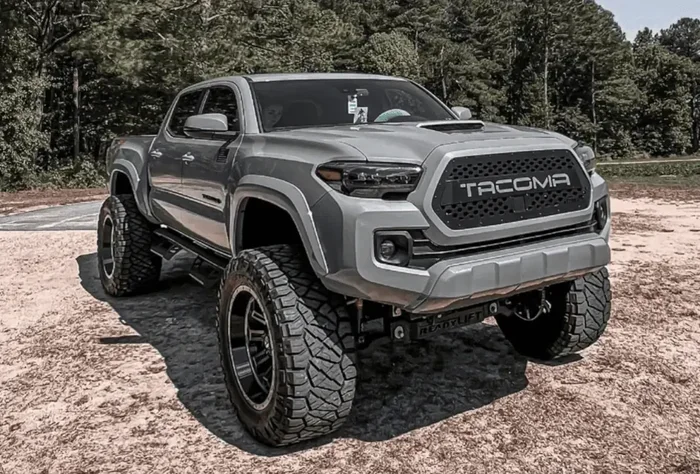
If you own a Toyota Tacoma and are considering a lift kit, you might wonder: does lifting a Tacoma affect gas mileage? The short answer is yes, but the impact is often smaller than many drivers expect. A lift kit changes your truck’s aerodynamics, weight, and rolling resistance, which can reduce fuel economy by a few miles per gallon. However, the exact drop depends on the lift height, tire size, and driving habits. In this guide, we break down the real numbers, the pros and cons, and how to minimize the fuel penalty.
The Toyota Tacoma is one of the most popular midsize trucks on the road. It’s tough, reliable, and a favorite for off-road enthusiasts. Many owners eventually want to lift their Tacoma for better ground clearance and a more aggressive stance. Before you make that modification, it’s smart to understand how a lift will change your daily driving. One of the biggest concerns is fuel economy. A lift kit can affect your gas mileage in ways you might not expect.
So, does lifting a Tacoma affect gas mileage? The answer is more nuanced than a simple yes or no. Several factors play a role, including the type of lift, the size of your tires, and how you drive. This article covers everything you need to know about the relationship between a lifted Tacoma and your fuel economy. We’ll look at real-world MPG changes, driving habits, and simple tips to reduce the penalty.
Key Takeaways
- Lift kits do reduce gas mileage: Expect a drop of 0.5 to 5 MPG depending on lift height and tire size.
- Aerodynamic drag increases with lift height: The taller the truck, the more air resistance it faces at highway speeds.
- Larger tires add weight and rolling resistance: This is the biggest factor in fuel economy loss after a lift.
- Driving habits matter: Avoid sport mode, aggressive acceleration, and excessive idling to protect your MPG.
- A leveling kit has the smallest impact: If you want to keep fuel economy close to stock, a leveling kit is the best choice.
- Regular maintenance helps: Proper tire pressure, alignment, and engine care minimize the fuel penalty.
- The trade-off is worth it for many owners: The off-road capability and style of a lifted Tacoma often outweigh the MPG loss.
📑 Table of Contents
- How Does Lifting a Tacoma Affect Gas Mileage?
- How a Lift Changes Your Engine’s Workload
- Real MPG Changes: What to Expect After a Lift
- Driving Habits That Make the Difference
- Leveling Kit vs. Full Suspension Lift: Which Hurts MPG More?
- Tips to Minimize the Fuel Economy Hit
- Final Verdict: Is the Lift Worth the MPG Loss?
- Key Takeaways
How Does Lifting a Tacoma Affect Gas Mileage?
When you add a lift kit to your Tacoma, you are changing the vehicle’s fundamental dynamics. The suspension rises, the center of gravity shifts, and the tires become larger. All of these changes interact with the way your truck moves through the air and the road. The result is a measurable change in fuel economy. Let’s look at the two main factors: aerodynamics and weight.
The Role of Aerodynamics
A stock Tacoma is designed to slice through the air with minimal drag. The body lines are smooth, and the gap between the tires and the fenders is tight. When you install a suspension lift, you raise the body higher above the wheels. This creates more space underneath the truck, which allows air to swirl and create turbulence. The result is increased aerodynamic drag. More drag means the engine has to work harder to maintain speed. That extra work burns more fuel.
The effect is most noticeable at highway speeds. If you mostly drive in the city, the impact of a lifted Tacoma on gas mileage might be small. But on the open road, a lifted truck can feel like you’re driving into a strong headwind. Even a 2-inch lift can add measurable drag. A 4-inch or 6-inch lift makes the effect even more pronounced. The shape of your lift kit also matters. A body lift raises the body off the frame but doesn’t change the suspension geometry as much. A suspension lift raises both the frame and the body, which changes the airflow more dramatically. Aftermarket lift kits from brands like Rancho or Bilstein are designed to minimize some of this drag, but you still lose some aerodynamic efficiency.
Weight Gains from a Lift Kit
A lift kit adds weight to your Tacoma. The lift kit itself includes new springs, shocks, and sometimes steering components. A typical suspension lift adds 50 to 150 pounds. If you also upgrade to larger tires, you can add another 50 to 100 pounds per tire. That’s 200 to 400 pounds of extra weight on the truck. More weight means the engine has to burn more fuel to accelerate and climb hills. It also increases rolling resistance, which is the friction between the tires and the road.
Larger tires also have a heavier sidewall, which flexes more during driving. This flex absorbs energy that would otherwise move the truck forward. The combined effect of added weight and increased rolling resistance can lower your MPG by 1 to 3 miles per gallon. The exact number depends on the size of the tires and the type of driving you do. Stop-and-go city driving sees a smaller hit, while highway driving and towing see a bigger hit. If you’re hauling heavy gear, the fuel consumption goes up even more.
How a Lift Changes Your Engine’s Workload
A lifted Tacoma puts extra strain on the engine. The engine has to overcome more rolling resistance and aerodynamic drag. It also has to move more weight. This means the engine runs at higher loads more often. For a Tacoma with a V6 engine, this can increase fuel consumption noticeably. The transmission also works harder because the extra weight and drag require more frequent gear changes. All of these factors combine to reduce your overall fuel economy.
The gear ratio in your Tacoma is designed for the stock weight and tire size. When you put larger tires on a lifted truck, the effective gear ratio changes. A 33-inch tire is taller than a 31-inch tire, so the engine has to work less to turn the wheels at a given speed. This might sound good, but it also means the engine operates at lower RPMs for a given speed, which can sometimes put it in a less efficient power band. The net effect on gas mileage depends on how you drive and what kind of terrain you’re on. If you drive mostly on flat highways, the lower RPMs might actually help a little. But if you drive in hilly areas, the engine will have to work harder to climb grades, and the fuel penalty will be larger.
Another factor is the engine control module (ECM). Modern Tacomas use fuel trim adjustments to compensate for changes in airflow and load. When you add a lift and larger tires, the ECM may adjust the fuel mixture to maintain the correct air-fuel ratio. These adjustments can sometimes lean out the mixture slightly, which might improve efficiency a tiny bit, but the overall effect is usually a net loss in MPG due to the increased aerodynamic and rolling resistance.
Real MPG Changes: What to Expect After a Lift
Many Tacoma owners want to know the exact MPG change after a lift. The truth is there is no single number. It varies based on the lift height, tire size, and driving style. However, we can look at general ranges to set realistic expectations.
| Lift Height | Typical MPG Drop | Recommended Tire Size |
|---|---|---|
| 1–2 inches (leveling kit) | 0.5–1.5 MPG | Up to 33 inches |
| 3–4 inches (suspension lift) | 1.5–3.0 MPG | 33–35 inches |
| 5–6 inches (full suspension lift) | 3.0–5.0 MPG | 35–37 inches |
These numbers are based on owner reports and general engineering principles. A leveling kit, which only levels the front end, has the smallest impact on gas mileage. A full suspension lift with large tires has the biggest impact. If you currently get 20 MPG in a stock Tacoma, a 4-inch lift might drop you to 17 or 18 MPG. That’s a noticeable change, but it’s not a disaster. Keep in mind that these are averages. Your actual results may vary based on how you maintain the truck and where you drive.
City Driving vs. Highway Driving
The type of driving you do matters a lot. In city driving, you spend a lot of time idling and accelerating from a stop. A lifted Tacoma with larger tires takes more energy to get moving. However, the top speed is lower, so aerodynamic drag is less of a factor. Your city MPG might drop by 1 to 2 MPG. On the highway, you maintain a steady speed for long periods. Aerodynamic drag is the main enemy here. A lifted Tacoma with a big front end and raised suspension creates a lot of drag. Your highway MPG can drop by 2 to 4 MPG. If you do a lot of highway driving, the fuel penalty is real and can add up quickly.
How Tire Size Affects Fuel Consumption
Tire size is one of the biggest variables. A larger tire has a bigger contact patch with the road. That means more rolling resistance. Rolling resistance is the force that opposes the motion of the tire. The engine has to overcome this force continuously. A 33-inch tire on a lifted Tacoma can reduce your MPG by 1 to 2 MPG compared to a 31-inch tire. Going to a 35-inch tire adds another hit. The weight of the tire also matters. A heavier tire requires more energy to spin up to speed. If you want to keep your fuel economy as high as possible, choose the smallest tire that fits your lifted Tacoma and still gives you the ground clearance you need. Also, consider the tire’s tread pattern. All-terrain tires have more rolling resistance than highway tires, which can further reduce your MPG.
Driving Habits That Make the Difference
Your driving style can either soften or worsen the fuel economy hit from a lift. Small changes in how you drive can save you a few miles per gallon. Let’s look at the habits that matter most.
Using sport mode can increase your fuel consumption, especially when the truck is lifted. Sport mode holds the engine at higher RPMs and shifts later. This is fun for quick acceleration, but it burns more gas. If you want better fuel economy, switch to drive mode or normal mode. Also, avoid aggressive acceleration. Jackrabbit starts waste fuel, and a heavier lifted Tacoma needs even more energy to get moving. Smooth, gradual acceleration is the key to saving fuel.
Braking habits also matter. Riding the brakes or braking hard wastes the kinetic energy you’ve already paid for with fuel. Coasting to stops whenever safe can improve your MPG. Also, try to keep your speed steady. Frequent speed changes force the transmission to shift and the engine to adjust, which uses extra fuel. If you use cruise control on flat highways, it can help maintain a constant speed and reduce fuel consumption.
Towing and Payload Considerations
If you plan to haul gear or trailers, the fuel penalty from a lift gets worse. A lifted Tacoma with a heavy payload or trailer puts extra strain on the engine. The engine has to work harder to overcome the added weight and aerodynamic drag. If you frequently tow, check whether your V6 Tacoma can handle a travel trailer without overworking the engine. Towing with a lifted truck can drop your MPG by 3 to 5 MPG, depending on the weight. Keep your payload within the factory weight capacity to avoid excessive fuel consumption and safety risks. Always check your owner’s manual for the maximum towing and payload limits.
Common Mistakes After Lifting
Many Tacoma owners make mistakes that hurt their gas mileage even more after a lift. One common mistake is installing tires that are too large. Oversized tires not only reduce MPG but can also rub on the fenders and affect handling. Another mistake is ignoring the speedometer calibration. A larger tire changes the distance the truck travels per wheel rotation. Your speedometer will read slower than your actual speed. This can lead to unintentional speeding and wasted fuel. Use a speedometer calibration tool or have a professional adjust your ECM.
A third mistake is neglecting wheel alignment. After a lift, the suspension geometry changes. The wheels may toe in or out of specification. Misaligned wheels create drag on the road, which directly hurts fuel economy. You might also notice uneven tire wear, which means you’ll need to replace tires sooner. Get a professional alignment done after any lift or tire change to avoid these problems.
Finally, some owners forget to check the air filter and oxygen sensors. A dirty air filter restricts airflow to the engine, causing it to run rich and waste fuel. A faulty oxygen sensor can also cause poor fuel mixture. These maintenance items are easy to check and replace, and they can make a real difference in your MPG after a lift.
Leveling Kit vs. Full Suspension Lift: Which Hurts MPG More?
A leveling kit raises only the front end of the Tacoma to match the height of the rear. It’s a popular choice for owners who want a slight lift without a major suspension change. A full suspension lift raises both the front and rear, allowing for much larger tires. The question is: which one affects gas mileage more?
Does a Leveling Kit Affect Gas Mileage?
A leveling kit has a very small impact on gas mileage. It typically adds only a few inches to the front end and uses the stock shocks or mild aftermarket shocks. The weight gain is minimal, often under 50 pounds. The aerodynamic change is also small because the overall height increase is modest. Most owners see a drop of less than 1 MPG with a leveling kit. If you want to keep your fuel economy close to stock, a leveling kit is the better choice. It gives you a more aggressive look and a bit more ground clearance without a major fuel penalty.
Expert Insight: Why the Difference Matters
According to suspension engineers, the main factor in fuel economy loss is not the lift itself, but the combination of lift height and tire size. A 2-inch leveling kit with 33-inch tires might have a similar MPG impact to a 4-inch suspension lift with 31-inch tires. The key is to balance your off-road needs with your fuel economy goals. If you only need a little extra ground clearance for speed bumps, a leveling kit is enough. If you plan to tackle serious trails, a full suspension lift with larger tires is necessary, and you should accept the fuel penalty. The right choice depends on how you use your Tacoma.
Tips to Minimize the Fuel Economy Hit
You don’t have to accept a huge drop in MPG after lifting your Tacoma. There are several steps you can take to keep your fuel economy as high as possible. Here are some practical tips.
Quick Tips for Better MPG
- Choose the smallest tire that fits your lift. A 33-inch tire is a good compromise for most 3- to 4-inch lifts. Going bigger hurts MPG more than you think.
- Keep your tires properly inflated. Under-inflated tires increase rolling resistance and waste fuel. Check your tire pressure at least once a month.
- Use cruise control on the highway. Maintaining a steady speed reduces engine load and saves fuel. Just be sure the cruise control doesn’t cause you to speed.
- Remove unnecessary weight from the truck. Every extra pound matters. Clear out heavy gear you don’t need for your daily commute.
- Keep up with regular maintenance. Fresh oil, clean air filters, and properly aligned wheels all help your Tacoma run efficiently.
- Avoid excessive idling. A lifted Tacoma with a big engine uses more fuel at idle. Turn off the engine if you’re parked for more than a minute.
- Plan your routes. Avoid stop-and-go traffic when possible. A lifted Tacoma is more efficient on steady, open roads.
While some drivers switch to hybrids for better efficiency, do hybrids really save gas in the long run compared to a well-maintained lifted Tacoma? The answer depends on your driving patterns. A Tacoma hybrid might save you a few MPG in the city, but a lifted Tacoma with efficient driving habits can still be a practical daily driver. Consider your total cost of ownership, including fuel, before making the switch.
Final Verdict: Is the Lift Worth the MPG Loss?
So, does lifting a Tacoma affect gas mileage? Yes, it does. But the impact is manageable if you make smart choices. A leveling kit or a mild suspension lift with moderate tires will only cost you a small amount of fuel economy. A full suspension lift with oversized tires will cost you more, but it also gives you the off-road capability you want. The key is to know your priorities. If fuel economy is your top concern, stick with a leveling kit or a small lift. If you need serious ground clearance for off-roading, accept the MPG hit and focus on driving efficiently.
Before you lift your Tacoma, calculate the cost of the extra fuel over a year. If you drive 15,000 miles a year and lose 2 MPG, you’ll use about 150 more gallons of gas. At $3.50 per gallon, that’s roughly $525 extra per year. That’s a real cost, but for many Tacoma owners, the improved looks, capability, and fun factor are worth it. Just go in with your eyes open, and you’ll be happy with your decision.
It’s also worth considering the resale value. A lifted Tacoma with a quality kit and well-maintained tires can fetch a higher price on the used market. Off-road enthusiasts are willing to pay a premium for a truck that’s ready to hit the trails. If you plan to sell eventually, the lift might pay for itself over time. However, if you keep your truck for a long time, the extra fuel cost will add up. Weigh these factors carefully before making your final choice.
A lifted Tacoma is a fantastic truck, and with the right approach, you can enjoy the benefits without breaking the bank at the pump. Just remember that does lifting a Tacoma affect gas mileage is a question with a real answer, and being prepared is the best way to stay happy with your truck for years to come.
Key Takeaways
- Lift kits do reduce gas mileage: Expect a drop of 0.5 to 5 MPG depending on lift height and tire size.
- Aerodynamic drag increases with lift height: The taller the truck, the more air resistance it faces at highway speeds.
- Larger tires add weight and rolling resistance: This is the biggest factor in fuel economy loss after a lift.
- Driving habits matter: Avoid sport mode, aggressive acceleration, and excessive idling to protect your MPG.
- A leveling kit has the smallest impact: If you want to keep fuel economy close to stock, a leveling kit is the best choice.
- Regular maintenance helps: Proper tire pressure, alignment, and engine care minimize the fuel penalty.
- The trade-off is worth it for many owners: The off-road capability and style of a lifted Tacoma often outweigh the MPG loss.
FAQs
Does a lift kit void your Tacoma’s warranty?
It depends on the dealer and the specific components. Some manufacturers may not cover damage caused by aftermarket lift kits. However, a lift kit itself does not automatically void the entire warranty. If a lifted Tacoma develops a problem unrelated to the lift, the warranty should still apply. Always check with your dealer before installing a lift kit.
How much does it cost to lift a Tacoma?
The cost varies widely. A simple leveling kit can cost $200 to $500. A full suspension lift with quality shocks and springs can range from $1,500 to $3,500. Installation labor adds another $500 to $1,000. The total cost depends on the brand and the type of lift you choose.
Can you daily drive a lifted Tacoma?
Yes, many owners daily drive their lifted Tacomas. The ride might be slightly firmer, and the fuel economy will be lower. But with proper maintenance and careful driving, a lifted Tacoma can be a reliable daily driver. Just be mindful of the extra height when entering low-clearance garages.
Does lifting a Tacoma affect speedometer accuracy?
Yes, lifting a Tacoma and changing tire size affects speedometer accuracy. Larger tires cover more ground per revolution, so your speedometer reads slower than your actual speed. This can lead to unintentional speeding. You can fix this with a speedometer calibration tool or by having a shop reprogram your ECM.
What is the best lift height for a Tacoma?
The best lift height depends on your needs. For mild off-roading and a slightly tougher look, a 2-inch leveling kit is great. For serious trail running, a 4- to 6-inch suspension lift is ideal. Keep in mind that taller lifts reduce fuel economy more and may require steering modifications.
How can you improve gas mileage in a lifted Tacoma?
You can improve gas mileage by choosing smaller tires, keeping them properly inflated, avoiding aggressive driving, using cruise control on the highway, and staying on top of maintenance. These steps can recover some of the MPG lost after a lift.