Essential Car Air Conditioning Tools for Every Garage
Every garage needs the right car air conditioning tools to diagnose, recharge, and repair vehicle AC systems effectively. From manifold gauge sets to vacuum pumps, having the correct equipment saves time, money, and frustration. This guide covers all the essential tools you need to handle AC jobs like a pro.
There is nothing worse than a broken car air conditioner on a hot summer day. Whether you are a professional mechanic or a DIY enthusiast, having the right car air conditioning tools makes all the difference. These tools help you diagnose problems, recharge systems, and fix leaks quickly and safely.
In this guide, we will walk you through every essential tool your garage needs. We will cover what each tool does, why it matters, and how to choose the best options for your setup. By the end, you will know exactly what to buy and how to use it like a pro.
Let us dive in and build your dream garage setup for automotive AC work.
Key Takeaways
- Complete AC Tool Kits: A quality set of car air conditioning tools includes manifold gauges, vacuum pumps, recharge kits, and leak detectors for full-service AC work.
- Right Tool for the Job: Choosing the correct tools depends on your skill level, vehicle types, and the specific AC services you plan to offer.
- Safety First: Proper handling of refrigerants and using the correct equipment protects both you and the environment from harmful emissions.
- Maintenance Matters: Regularly caring for your AC tools ensures accuracy, longevity, and reliable performance every time you use them.
- Avoid Costly Mistakes: Common errors like cross-threading fittings or using incorrect refrigerant can damage tools and vehicle systems alike.
- Invest Wisely: Quality car air conditioning tools may cost more upfront but deliver better results and last far longer than budget alternatives.
📑 Table of Contents
- What Are Car Air Conditioning Tools and Why Do You Need Them?
- Essential Car Air Conditioning Tools for Your Garage
- How to Choose the Right AC Tools for Your Garage
- Step-by-Step Guide to Using Car AC Tools
- Common Mistakes to Avoid When Using AC Tools
- Maintaining and Caring for Your AC Tools
- Building a Complete AC Tool Collection Over Time
- Why Quality Car Air Conditioning Tools Matter
- Conclusion
What Are Car Air Conditioning Tools and Why Do You Need Them?
Car air conditioning tools are specialized devices designed to service, repair, and maintain vehicle AC systems. These systems use pressurized refrigerant, compressors, and complex components that require precise equipment to work on safely.
Modern vehicles rely heavily on their AC systems. A malfunctioning AC does not just mean discomfort. It can also signal deeper problems with the compressor, condenser, or evaporator. Without the right automotive AC service equipment, you cannot properly diagnose or fix these issues.
Using the correct car AC repair tools also keeps you safe. Refrigerants operate under high pressure and can be harmful if handled incorrectly. The right tools ensure you follow proper procedures every single time.
The Role of AC Tools in Vehicle Maintenance
Your car AC system has several key components. The compressor pumps refrigerant through the system. The condenser releases heat. The evaporator cools the air inside your cabin. Each part needs specific tools for inspection, repair, and replacement.
Without proper automotive air conditioning tools, you are guessing. Guessing leads to mistakes. Mistakes lead to wasted time, money, and potentially damaged vehicle systems. Investing in quality tools gives you confidence and accuracy in every job you tackle.
Essential Car Air Conditioning Tools for Your Garage
Now let us look at the specific tools every garage needs. We have broken this down into categories so you can build your setup step by step.
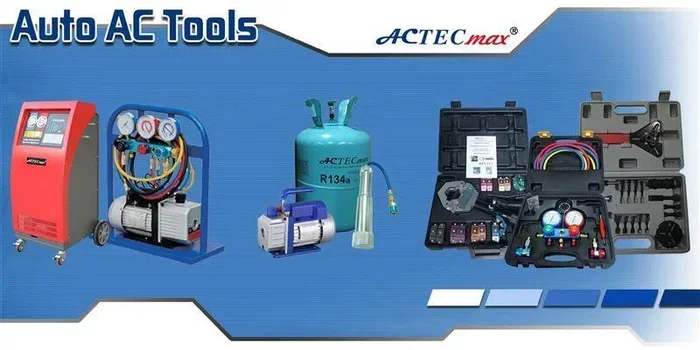
AC Manifold Gauge Set
A manifold gauge set is the foundation of any AC toolkit. This tool measures pressure on both the high and low sides of your AC system. It tells you whether the system is overcharged, undercharged, or has a blockage.
Most sets come with two gauges — one for the high-pressure side and one for the low-pressure side. You connect them to the service ports on your vehicle. The readings help you pinpoint problems fast.
When shopping for a car AC manifold gauge set, look for these features:
- Durable brass construction for long-lasting use
- Clear, easy-to-read dial faces
- Multiple hose lengths for flexibility
- Compatibility with R-134a and R-1234yf refrigerants
- Color-coded hoses for quick identification
AC Vacuum Pump
An AC vacuum pump removes moisture and air from the system before you recharge it. This step is absolutely critical. Moisture inside the AC system causes corrosion and reduces cooling performance.
You connect the vacuum pump to the system, pull a vacuum, and hold it for at least 30 minutes. If the vacuum holds steady, the system is ready for refrigerant. If it leaks down, you have a leak to find first.
Look for a vacuum pump that reaches below 500 microns. This ensures a deep, thorough vacuum every time. A good automotive AC vacuum pump is a worthwhile investment for any serious garage.
AC Recharge Kit
An AC recharge kit lets you add refrigerant to a low system. These kits come pre-charged with refrigerant and often include a gauge and hose. They are perfect for quick top-ups and common AC repairs.
However, recharge kits have limitations. They do not fix underlying problems like leaks or compressor failure. They also do not remove moisture or old oil from the system. Think of a recharge kit as a quick fix, not a complete solution.
For a more thorough approach, consider a refrigerant recovery machine. This device captures old refrigerant before you work on the system. It is required by law in many areas to prevent refrigerant from escaping into the atmosphere.
AC Leak Detector
Finding leaks is one of the trickiest parts of AC repair. An AC leak detector makes this job much easier. These devices sniff out refrigerant escaping from seals, hoses, or connections.
Electronic leak detectors are the most popular type. They are sensitive enough to find even tiny leaks. You simply scan the system components and listen for an alarm or watch for a visual indicator.
Another option is UV dye leak detection. You inject UV dye into the system, then use a UV light to spot leaks. This method works well for slow, hard-to-find leaks. Many professionals keep both types of car AC diagnostic tools in their garage.
Refrigerant Scale and Recovery Equipment
When recovering or charging refrigerant, accuracy matters. A refrigerant scale measures the exact weight of refrigerant going into or out of the system. Overcharging or undercharging both cause problems.
Recovery machines pull refrigerant out of the vehicle and store it in a tank. This lets you recycle the refrigerant safely. Many modern AC recovery machines also filter and reclaim refrigerant for reuse.
These tools are especially important if you work on multiple vehicles daily. They save money on new refrigerant and keep you compliant with environmental regulations.
AC Service Hose Set and Accessories
A quality AC service hose set connects your gauges, pump, and recharge equipment to the vehicle. These hoses come in various lengths and connector types.
Look for hoses with quick-connect fittings. They make your workflow faster and reduce the risk of cross-threading. Also, invest in a good set of AC service valves and adaptors for different vehicle makes and models.
Other helpful accessories include:
- AC oil compressor for lubricating new components
- Thermometer for measuring outlet air temperature
- Pressure test kit for checking system integrity
- Funnel and dispensing tools for clean refrigerant transfer
How to Choose the Right AC Tools for Your Garage
Not all car air conditioning tools are created equal. Choosing the right ones depends on your experience level, the types of vehicles you work on, and your budget.
Consider Your Skill Level
If you are just starting out, look for beginner-friendly AC recharge kits and basic gauge sets. These tools are simple to use and help you learn the fundamentals of AC service.
As you gain experience, you can invest in more advanced equipment like refrigerant recovery machines and electronic leak detectors. These tools open up more complex repair possibilities.
Match Tools to Vehicle Types
Different vehicles use different AC systems. Older cars may use R-12 refrigerant, while newer models use R-134a or R-1234yf. Make sure your tools are compatible with the refrigerants you will encounter.
Also consider the size of vehicles you work on. A heavy-duty automotive AC vacuum pump works better for larger trucks and SUVs than a small portable model designed for passenger cars.
Budget vs. Quality
Budget tools can work for simple jobs, but they often lack durability and accuracy. A cheap manifold gauge set might give you false readings, leading to incorrect diagnoses.
Investing in quality car AC repair tools pays off over time. Better tools mean fewer comebacks, happier customers, and a stronger reputation in the garage.
Step-by-Step Guide to Using Car AC Tools
Knowing your tools is only half the battle. Using them correctly is what separates a good mechanic from a great one. Here is a basic workflow for a standard AC service job.
Step 1: Inspect the System
Start by visually inspecting the AC components. Look for damaged hoses, loose connections, or oil stains that indicate leaks. Use your AC leak detector to check for refrigerant escaping from seals and fittings.
Step 2: Recover Old Refrigerant
Connect your refrigerant recovery machine to the service ports. Recover all old refrigerant into the storage tank. This step is required before any major repairs or component replacements.
Step 3: Pull a Vacuum
Attach your AC vacuum pump to the system and pull a vacuum. Hold the vacuum for at least 30 minutes. If the gauge drops, you have a leak that needs fixing before you proceed.
Step 4: Recharge the System
Once the vacuum holds, disconnect the pump and connect your recharge equipment. Use a refrigerant scale to add the exact amount of refrigerant specified by the vehicle manufacturer. Overcharging is just as bad as undercharging.
Step 5: Test and Verify
Start the engine and turn the AC to maximum cool. Use your manifold gauge set to check operating pressures. Measure the air temperature at the vents. The air should be cold and consistent within a few minutes.
Common Mistakes to Avoid When Using AC Tools
Even experienced technicians make mistakes with car air conditioning tools. Here are the most common errors and how to avoid them.
Cross-Threading Fittings
Always thread fittings by hand first. Forced threading damages the ports and can cause leaks. If a fitting resists, stop and check for cross-threading before applying more force.
Using the Wrong Refrigerant
Mixing refrigerants is a serious mistake. R-134a and R-1234yf require different equipment and handling procedures. Always verify which refrigerant your vehicle uses before starting any AC service.
Skipping the Vacuum Step
Some technicians skip pulling a vacuum to save time. This is a costly shortcut. Moisture in the system creates acid that damages the compressor and blocks expansion valves. Always pull a proper vacuum.
Ignoring Oil Levels
AC compressor oil circulates with the refrigerant. When you lose refrigerant, you also lose oil. Failing to add the correct amount of oil during a repair can cause premature compressor failure.
Maintaining and Caring for Your AC Tools
Your car AC repair tools are an investment. Proper maintenance keeps them accurate and reliable for years.
Always store your tools in a clean, dry case. Moisture and dirt can damage sensitive gauge faces and fittings. After each use, clean your hoses and connections to remove refrigerant residue and debris.
Check your manifold gauge set for accuracy regularly. Calibration ensures your readings stay precise. Many manufacturers recommend annual calibration checks for professional-grade tools.
Replace worn hoses and seals before they cause problems. A cracked hose can introduce moisture into the system or give false pressure readings. Keep spare parts on hand so you are never caught off guard.
Also, stay current with industry changes. Refrigerant regulations evolve, and new vehicle technologies emerge. Continuing education helps you choose the right automotive AC service equipment for the jobs ahead.
Building a Complete AC Tool Collection Over Time
You do not need to buy everything at once. Build your collection of car air conditioning tools strategically. Start with the essentials and expand as your skills and demand grow.
Here is a suggested timeline for building your toolkit:
- Month 1: Manifold gauge set and basic recharge kit
- Month 2: Vacuum pump and refrigerant scale
- Month 3: Leak detector and recovery machine
- Month 4: Advanced accessories like UV dye and oil injectors
- Month 5 and beyond: Specialty tools for specific vehicle systems
This phased approach keeps your budget manageable while steadily improving your capabilities. Each new tool opens up more opportunities for car AC repair jobs in your garage.
Why Quality Car Air Conditioning Tools Matter
The difference between cheap and quality car air conditioning tools shows in every job you do. Quality tools give accurate readings, last longer, and make your workflow smoother.
When your gauges read correctly, you diagnose problems faster. When your vacuum pump pulls deep vacuum, you eliminate moisture completely. When your recharge kit fits properly, you avoid wasted refrigerant and frustrated customers.
Think of your automotive air conditioning tools as an extension of your expertise. The better your tools, the better your results. And better results mean more satisfied customers and a stronger reputation in the automotive community.
Every professional mechanic knows that the right equipment transforms the work. Whether you are a garage owner or a weekend warrior, investing in the best car AC repair tools you can afford is one of the smartest decisions you will make.
Start with the essentials, learn each tool inside and out, and build from there. Your garage — and your customers — will thank you for it.
Conclusion
Having the right car air conditioning tools is essential for any garage that handles AC work. From manifold gauge sets and vacuum pumps to leak detectors and recharge kits, each tool plays a vital role in diagnosing, repairing, and maintaining vehicle AC systems.
Invest in quality equipment, learn how to use each tool properly, and maintain your collection with care. The right car air conditioning tools not only make your job easier but also deliver better results and build trust with every customer.
Start building your ideal garage setup today. Your future self — and your toolbox — will thank you for it.
Frequently Asked Questions
What are the most important car air conditioning tools for beginners?
For beginners, a manifold gauge set and an AC recharge kit are the most important starting tools. These two items let you check system pressures and add refrigerant to low systems. They are affordable, easy to use, and cover the most common AC jobs you will encounter.
How often should I calibrate my car air conditioning tools?
Most manufacturers recommend calibrating your car AC repair tools at least once a year. If you use your tools daily, consider calibration every six months. Regular calibration ensures your readings stay accurate and your diagnoses remain reliable. Always follow the manufacturer’s specific guidelines for each tool.
Can I use the same car air conditioning tools for R-134a and R-1234yf refrigerants?
Not always. Some older tools are only rated for R-134a. Newer vehicles often use R-1234yf, which requires compatible equipment. Always check the specifications of your automotive AC service equipment before working on a system. Using the wrong tools can damage the equipment and contaminate the refrigerant.
What is the best way to find AC leaks in a car?
The most effective method is using an AC leak detector combined with UV dye. The electronic detector finds escaping refrigerant quickly, while the UV dye reveals the exact location of the leak under a black light. This combination approach works well for both fast and slow leaks in any vehicle system.
Do I really need a vacuum pump for every AC job?
Yes, you should pull a vacuum for every AC service. Skipping this step leaves moisture and air inside the system. Moisture causes corrosion, reduces cooling performance, and can damage the compressor over time. A quality automotive AC vacuum pump is essential for any professional or serious DIY setup.
How much should I budget for a complete set of car air conditioning tools?
A complete starter set of car air conditioning tools typically costs between $500 and $1,500, depending on brand and quality. Basic kits with gauge sets, recharge equipment, and a vacuum pump fall in the lower range. Professional-grade setups with recovery machines and advanced diagnostic tools can cost more. Investing in quality upfront saves money on replacements and repairs down the road.
=== END ===