Understanding Your Car Ac Control Panel and How It Works
Your car ac control panel is the command center for your entire air conditioning system. It lets you adjust temperature, fan speed, and airflow direction with ease. Understanding how it works helps you troubleshoot issues and stay cool on hot days. This guide breaks down every part of the system in simple, practical terms.
Have you ever stepped into your car on a scorching summer day and cranked up the car ac control panel only to feel warm air blow back at you? It is frustrating. Your car air conditioning system is supposed to make driving comfortable, but most of us never think about how it actually works until something goes wrong.
The car ac control panel sits right there on your dashboard. It looks simple enough with a few knobs, buttons, and maybe a digital display. But behind that sleek design lies a complex system of components working together to keep your cabin cool. Understanding how your temperature control system operates helps you use it better and spot problems early.
In this guide, we will walk through everything you need to know about your car ac control panel. We will cover the key parts, how they work, common issues, and practical tips to keep your climate control system running smoothly. Whether you are a car enthusiast or just someone who wants to stay cool, this article has you covered.
Key Takeaways
- The car ac control panel manages all climate settings inside your vehicle, from temperature to airflow direction.
- Key components include the compressor, condenser, evaporator, and blower motor that work together to cool your cabin.
- Common problems like weak airflow or warm air often trace back to the control panel or related parts.
- Regular maintenance and simple habits can extend the life of your car air conditioning system significantly.
- Knowing when to replace the panel saves money and prevents discomfort during extreme weather.
- Understanding your dashboard controls empowers you to make smarter decisions about repairs and upgrades.
📑 Table of Contents
What Is a Car Ac Control Panel?
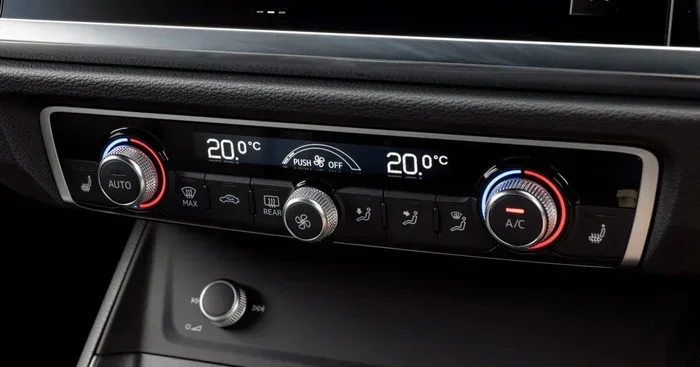
The car ac control panel is the interface between you and your vehicle’s air conditioning system. Think of it as the brain’s remote control. When you turn the knob or press a button, you are sending a signal that tells the system what to do.
Modern cars come with different types of panels. Some use manual controls with knobs and sliders. Others feature digital displays and touchscreens. No matter the type, the core job remains the same. The panel lets you set your desired cabin temperature, adjust fan speed, choose airflow direction, and toggle features like recirculation mode and defrost mode.
Older vehicles often have simpler setups. You might see a temperature slider, a fan speed dial, and a few mode buttons. Newer cars can have fully automated systems that monitor cabin temperature and adjust settings on their own. Either way, the car ac control panel is always the starting point for every cooling cycle.
Manual vs Automatic Control Panels
Manual panels require you to set everything yourself. You turn the temperature dial, adjust the fan, and pick your airflow mode. It gives you direct control, and many drivers prefer the simplicity.
Automatic panels, often called climate control systems, do the work for you. You set a target temperature, and the system adjusts fan speed, airflow, and compressor activity to maintain it. These panels use sensors and electronic controls to manage the car air conditioning process automatically.
Both types rely on the same core components behind the scenes. The difference is how much effort you put in. If you have ever wondered why your dashboard controls feel different from one car to another, this is why.
Key Components of Your Car Ac Control Panel
The car ac control panel connects to several important parts that make cooling possible. Let us break down each component so you understand what is happening every time you adjust the temperature.
The Compressor
The ac compressor is the heart of your air conditioning system. It pumps refrigerant through the system and pressurizes it so it can absorb heat from your cabin. When you press the AC button on your car ac control panel, you are telling the compressor to start running.
Without a working compressor, your car air conditioning system cannot produce cold air. This is the first thing mechanics check when a car blows warm air. The compressor is driven by your engine, so it only runs when the AC is turned on.
The Condenser
The condenser sits at the front of your car, right in front of the radiator. Its job is to release the heat your refrigerant absorbed from inside the cabin. Hot, pressurized gas flows into the condenser and cools down into a liquid.
Think of the condenser as a radiator for your AC system. It uses airflow from driving to help dissipate heat. If your condenser gets clogged with debris or damaged, your climate control system will struggle to cool the cabin effectively.
The Evaporator
The evaporator coil is located inside your dashboard, behind the car ac control panel. This is where the actual cooling magic happens. Liquid refrigerant flows into the evaporator and expands into a gas. During this process, it absorbs heat from the air passing over it.
The cooled air then gets pushed into your cabin through the vents. The ac blower motor drives this airflow. If your evaporator gets frozen or dirty, you may notice weak airflow or a musty smell coming from your vents.
The Expansion Valve
The expansion valve regulates the flow of refrigerant into the evaporator. It drops the pressure of the liquid refrigerant so it can expand and cool down properly. A faulty expansion valve can cause your AC to blow warm air or freeze up entirely.
This small part plays a huge role in your temperature control system. It ensures the right amount of refrigerant reaches the evaporator at the right time. Without it, the whole cooling cycle breaks down.
The Blower Motor and Fan
The blower motor is the fan that pushes air through your vents. When you increase the fan speed on your car ac control panel, you are telling the blower motor to spin faster. This is what moves the cooled air into your cabin.
A weak blower motor means weak airflow. You might notice that your vents barely push air at lower speeds but work fine at higher speeds. This is a common sign of a worn-out blower motor that may need replacement.
The Refrigerant
Refrigerant is the chemical that makes the entire cooling process possible. It cycles through the system, changing from gas to liquid and back again, absorbing and releasing heat along the way. The most common refrigerant used in modern cars is R-134a, though newer vehicles are transitioning to R-1234yf.
Low refrigerant is one of the most common reasons a car air conditioning system stops cooling properly. Over time, small leaks can develop in hoses, connections, or seals. If your AC is not blowing cold air, low refrigerant might be the culprit.
How Your Car Ac Control Panel Regulates Temperature
Understanding how your car ac control panel manages temperature helps you appreciate the engineering behind it. The process is a continuous cycle that involves several steps working in harmony.
The Cooling Cycle Step by Step
Here is how your car air conditioning system works when you turn on the AC:
- You press the AC button or adjust the temperature on your car ac control panel.
- The compressor engages and pressurizes the refrigerant gas.
- The hot, pressurized gas flows to the condenser, where it releases heat and becomes a liquid.
- The liquid refrigerant passes through the expansion valve, which drops its pressure.
- The low-pressure liquid enters the evaporator coil and expands into a gas, absorbing heat from cabin air.
- The ac blower motor pushes the cooled air through your vents into the cabin.
- The refrigerant gas returns to the compressor, and the cycle repeats.
This cycle runs continuously while the AC is on. Your temperature control system manages how fast each step happens based on your settings. That is why adjusting the fan speed or temperature on your dashboard controls changes how cold your cabin gets.
What the Recirculation Button Does
The recirculation button on your car ac control panel is a handy feature many people overlook. When you press it, the system stops pulling in outside air and instead recirculates the air already inside the cabin.
This is useful in several situations. On hot days, recirculating already-cooled air helps your AC cool the cabin faster. It also prevents hot, humid outside air from entering. However, you should not leave it on for too long, as it can fog up your windshield and make the air feel stale.
Defrost Mode and Airflow Direction
Your car ac control panel also controls where the air goes. You can direct airflow to your face, your feet, or the windshield. The defrost mode directs air to the windshield to help clear fog or frost.
Defrost mode actually uses both the AC and the heating system. The AC removes moisture from the air, which helps clear fog faster. The heater warms the air so it does not feel cold on your windshield. This combination makes defrost one of the most powerful features of your climate control system.
Common Car Ac Control Panel Problems and Fixes
Like any system in your car, the car ac control panel can develop problems over time. Some issues are minor and easy to fix. Others require professional attention. Here are the most common problems drivers face.
Weak or No Airflow
If your vents are barely pushing air, the problem could be a clogged cabin air filter, a failing ac blower motor, or a blocked vent. Start by checking your cabin air filter. It is an easy and inexpensive fix that often solves the problem.
If the filter is clean, the blower motor might be the issue. Listen for unusual noises when you turn on the fan. A grinding or squealing sound often signals a worn motor bearing. Replacing the blower motor is a common repair that most shops can handle quickly.
AC Blows Warm Air
Warm air from your vents is one of the most common car air conditioning complaints. The cause could be low refrigerant, a faulty compressor, or a leak in the system. Before you assume the worst, have a mechanic check your refrigerant levels.
Sometimes the fix is as simple as recharging the refrigerant. Other times, a failed compressor or a broken ac pressure switch might be to blame. The ac pressure switch monitors refrigerant pressure and shuts the system down if levels are too low, protecting the compressor from damage.
Unusual Smells from the Vents
A musty or moldy smell coming from your vents usually means moisture has built up on the evaporator coil. This creates a perfect environment for mold and bacteria to grow. Running the defrost mode for a few minutes before turning off the AC can help dry out the evaporator and prevent odors.
If the smell persists, you may need to have the evaporator cleaned or replaced. Some shops offer antimicrobial treatments that kill bacteria and prevent future growth. This is a great way to keep your cabin air quality fresh and healthy.
Buttons or Knobs That Do Not Respond
Over time, the buttons and knobs on your car ac control panel can wear out. You might notice that certain settings do not work, or the display flickers. This could be a problem with the control module, wiring, or the panel itself.
In some cases, a blown ac fuse is the cause. Check your owner’s manual to locate the AC fuse box. Replacing a fuse is one of the easiest and cheapest fixes you can do yourself. If the fuse keeps blowing, there may be a deeper electrical issue that needs professional diagnosis.
Tips to Keep Your Car Ac Control Panel Working Well
Taking care of your car ac control panel and the entire air conditioning system does not have to be complicated. A few simple habits can make a big difference in performance and longevity.
Run Your AC Regularly
Even in winter, it is a good idea to run your AC for a few minutes every week. This keeps the compressor lubricated and prevents seals from drying out. A seized compressor is an expensive repair that is easy to avoid with regular use.
You do not need to blast the AC on full cold. Just turning it on for five to ten minutes helps keep the system in good shape. Think of it as exercise for your climate control system.
Replace Your Cabin Air Filter
Your cabin air filter traps dust, pollen, and debris before it reaches your cabin. A clogged filter restricts airflow and makes your AC work harder. Most manufacturers recommend replacing the filter every 12,000 to 15,000 miles, but check your owner’s manual for the exact interval.
Replacing the filter is quick and inexpensive. You can usually do it yourself with no tools. Just find the filter housing (usually behind the glove box), slide out the old filter, and insert a new one. Your car ac control panel will reward you with stronger airflow and better cooling.
Check Refrigerant Levels Annually
Low refrigerant is the number one cause of poor AC performance. Have a mechanic check your refrigerant levels at least once a year, ideally before summer. If levels are low, they can top them off and check for leaks.
Adding refrigerant without fixing a leak is just a temporary fix. The leak will continue, and you will be back to warm air in no time. Addressing leaks early saves money and prevents damage to the compressor.
Keep the Condenser Clean
Your condenser sits at the front of the car and takes a beating from road debris, bugs, and dirt. Over time, this buildup blocks airflow and reduces cooling efficiency. Periodically hose down the condenser to keep it clear.
You do not need to be gentle. A good blast of water from a garden hose works wonders. Just make sure the car is cool before you start. This simple habit can extend the life of your car air conditioning system by years.
Use the Recirculation Button Wisely
The recirculation button is great for cooling the cabin quickly on hot days. But using it constantly can make the air feel stuffy and increase humidity inside the car. Switch between recirculation and fresh air mode to maintain good cabin air quality.
A good rule of thumb is to use recirculation when you need fast cooling and switch to fresh air once the cabin is comfortable. This balances cooling performance with air freshness.
When to Replace Your Car Ac Control Panel
Sometimes the car ac control panel itself fails and needs to be replaced. How do you know when that time has come? Here are the signs to watch for.
If multiple buttons or knobs stop working at the same time, the control panel may be the issue. If your AC settings change on their own or the display goes dark, there could be a wiring problem or a failed control module. A mechanic can run diagnostics to pinpoint the exact cause.
Replacing a car ac control panel can range from a simple DIY job to a more complex repair depending on your vehicle. Older cars with manual controls usually have simpler panels that are easier to replace. Newer vehicles with digital displays and integrated climate control systems may require specialized programming and calibration.
The cost varies widely. A basic manual panel might cost $100 to $300 for parts and labor. A digital or touchscreen panel can run $300 to $800 or more. Always get a quote from a trusted mechanic before committing to the repair.
Quick Tips for Car Ac Control Panel Care
- Run your AC for 10 minutes weekly even in winter to keep the compressor healthy.
- Replace your cabin air filter every 12,000 to 15,000 miles.
- Check refrigerant levels annually before summer heat arrives.
- Clean the condenser with a garden hose to remove debris buildup.
- Use recirculation mode strategically for fast cooling, then switch to fresh air.
- Inspect the ac fuse if your dashboard controls stop responding.
- Address unusual smells immediately to prevent mold from spreading in the evaporator.
Common Mistakes to Avoid
One common mistake is ignoring warm air from the AC and hoping it fixes itself. Small problems like low refrigerant or a clogged filter only get worse with time. Another mistake is constantly running the AC on maximum cold without using recirculation mode. This puts extra strain on the compressor and the ac blower motor.
Some drivers also forget to turn off the AC before shutting off the engine. This can wear out the compressor clutch over time. A good habit is to turn off the AC a minute or two before reaching your destination and let the fan run on fresh air. This dries out the evaporator and prevents mold growth.
Expert Insights
According to automotive technicians, most car ac control panel issues stem from neglect rather than major failures. Regular maintenance, such as checking refrigerant levels and replacing cabin filters, prevents the vast majority of problems. Experts also recommend having your air conditioning system inspected at the start of every summer to catch issues before the heat arrives.
Many shops offer AC performance checks that measure airflow, temperature output, and system pressure. These quick inspections can identify potential problems early and save you from costly repairs down the road. A well-maintained climate control system can last the life of the vehicle with proper care.
Conclusion
Your car ac control panel is more than just a collection of buttons and knobs. It is the command center that keeps you comfortable on every drive. Understanding how it works empowers you to take better care of your vehicle and spot problems before they become expensive repairs.
From the compressor and condenser to the evaporator and blower motor, every component plays a vital role in your car air conditioning system. Regular maintenance, simple habits, and timely repairs keep everything running smoothly. You do not need to be a mechanic to take care of your temperature control system — just a little knowledge and consistent attention.
So next time you adjust the car ac control panel on a hot day, take a moment to appreciate the engineering that makes it all possible. And if something feels off, do not wait. Address it early, and you will stay cool all summer long.
Frequently Asked Questions
What does the car ac control panel do?
The car ac control panel lets you adjust temperature, fan speed, airflow direction, and modes like recirculation and defrost. It sends signals to the air conditioning system to start cooling, adjust fan speed, and direct airflow into the cabin.
How much does it cost to replace a car ac control panel?
Replacement costs vary depending on your vehicle. A basic manual panel typically costs $100 to $300 for parts and labor. Digital or touchscreen panels can range from $300 to $800 or more. Always get a detailed quote before proceeding with the replacement.
Why is my car ac control panel not working?
Possible causes include a blown ac fuse, a faulty control module, wiring issues, or a failed relay. Start by checking the fuse box, as a blown fuse is the easiest and cheapest fix. If the fuse is fine, a professional diagnostic can pinpoint the problem.
Can I drive my car if the ac control panel stops working?
Yes, you can still drive your car safely. The ac control panel only affects your air conditioning and climate comfort. However, if your vehicle has electronic climate control, you may lose automatic temperature regulation. Have the panel repaired as soon as possible for full comfort.
How do I maintain my car ac control panel?
Run your AC regularly, replace the cabin air filter on schedule, check refrigerant levels annually, and keep the condenser clean. These simple habits keep your car air conditioning system in top shape and prevent most common problems.
Is it safe to recharge the refrigerant myself?
While DIY refrigerant recharge kits are available, it is best to have a professional handle it. Incorrect refrigerant levels or using the wrong type can damage the compressor and other components. A mechanic can also check for leaks while recharging the system.