BHP Full Form in Car Explained Everything You Need to Know
BHP stands for Brake Horsepower, a key measure of a car’s engine power. It tells you how much work your engine can do before losing energy to friction. Understanding BHP helps you compare cars and make smarter buying decisions.
If you have ever looked at a car spec sheet, you have probably seen the term BHP listed somewhere. Maybe it was next to a big number like 250 or 350. But what does it actually mean? And why should you care?
BHP full form in car is Brake Horsepower. It is one of the most common ways to describe how much power an engine produces. Whether you are buying your first car or shopping for a performance vehicle, knowing about BHP helps you make better choices.
In this guide, we break down everything you need to know. We cover what BHP means, how it is measured, and why it matters for your daily driving. By the end, you will feel confident talking about engine power like a pro.
Key Takeaways
- BHP stands for Brake Horsepower: It measures the actual power output of a car engine.
- BHP differs from horsepower: Brake horsepower accounts for power lost to internal friction.
- Higher BHP means more speed: It directly impacts acceleration and top speed.
- BHP is not the only metric: Torque, kilowatts, and PS also matter for car performance.
- Power-to-weight ratio is crucial: A lighter car with the same BHP will feel faster.
- BHP varies by measurement standard: DIN, SAE, and metric BHP are not all the same.
- Check BHP before buying: It helps you understand real-world driving capability.
📑 Table of Contents
- What Does BHP Full Form Mean in a Car?
- How Is BHP Measured in Cars?
- Why Does BHP Matter for Your Car?
- BHP vs Torque: Understanding the Difference
- BHP and Car Performance: What to Look For
- Common Mistakes People Make About BHP
- Expert Insights on BHP and Car Buying
- BHP Full Form in Car: Quick Reference Guide
- Conclusion
What Does BHP Full Form Mean in a Car?
The full form of BHP is Brake Horsepower. It is a unit of measurement that tells you how much power an engine produces. The term comes from the days when engineers used a brake mechanism to test engines. They would attach a brake to the engine output and measure how much force it could handle.
Think of it this way. Your car engine is like your body. BHP is like measuring how strong your muscles are. The higher the number, the more work the engine can do.
Why Is It Called “Brake” Horsepower?
The word “brake” does not mean your car brakes. It refers to the braking mechanism used in early engine testing. Engineers would slow down a spinning engine with a brake and measure the resistance. This gave them a clear number for engine output.
Today, the name stuck. But the testing methods have changed a lot. Modern computers and sensors make the process much more accurate now.
BHP vs Horsepower: What Is the Difference?
Many people use BHP and horsepower interchangeably. But they are not exactly the same thing. Brake horsepower measures the power at the engine itself. Horsepower can refer to different measurement points in the drivetrain.
Here is a simple way to think about it:
- BHP: Power measured directly at the engine crankshaft.
- Horsepower: A broader term that can refer to wheel horsepower or flywheel horsepower.
In everyday car talk, people use both terms to mean the same thing. But technically, BHP is more precise because it measures raw engine output before any losses.
How Is BHP Measured in Cars?
Measuring BHP full form in car involves putting the engine on a dynamometer. This machine, often called a “dyno,” connects to the engine and measures the force it produces. The engine spins against a controlled load, and sensors calculate the power output.
The Dyno Testing Process
Here is how a typical dyno test works in simple steps:
- The car is placed on the dyno with the wheels on the rollers.
- The engine is started and allowed to reach operating temperature.
- The dyno applies resistance to the wheels.
- Sensors measure rotational force and speed.
- A computer calculates the power output in BHP.
The result gives you a clear picture of how much power the engine delivers. This number becomes part of the car’s official specifications.
Different BHP Standards You Should Know
Not all BHP numbers are created equal. Different countries and organizations use different testing standards. Here are the main ones you will encounter:
- DIN BHP: The German standard (Deutsches Institut für Normung). It is one of the most common in Europe.
- SAE BHP: The Society of Automotive Engineers standard used mainly in the US.
- Metric BHP (PS): Pferdestärke, a German unit very close to BHP. Many European cars list their power in PS.
- Wheel HP: Measures power at the wheels, not the engine. This number is always lower due to drivetrain losses.
When comparing cars, always check which standard was used. A 300 BHP DIN rating is not the same as 300 SAE horsepower. The difference can be several percent.
Why Does BHP Matter for Your Car?
BHP full form in car matters because it directly affects how your vehicle performs. More BHP means more capability. But let us look at the specific areas where it makes a difference.
Acceleration and Speed
If you want to go fast, you need BHP. A higher BHP number means your car can accelerate faster. It also means a higher top speed. This is why sports cars and performance sedans have such high BHP ratings.
For example, a car with 200 BHP will feel noticeably quicker than one with 120 BHP. The difference is especially clear when you are merging onto highways or overtaking slower traffic.
Towing and Hauling
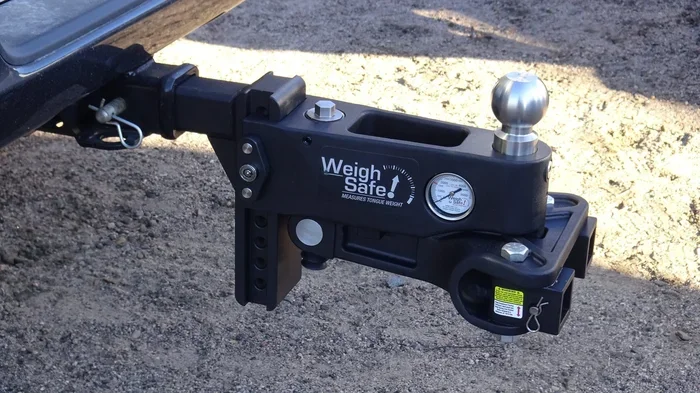
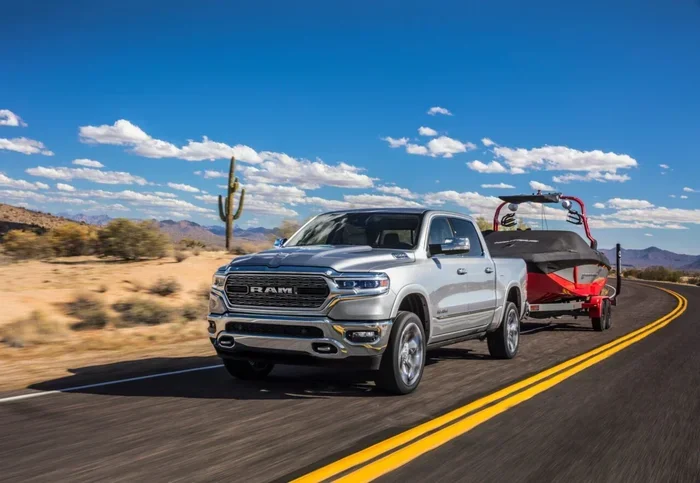
BHP also matters when you need to pull heavy loads. More engine power means your car can handle trailers and cargo more easily. This is why trucks and SUVs often have high BHP engines.
If you plan to tow a boat or caravan, look for a vehicle with strong BHP numbers. It will make your life much easier on the road.
Engine Load and Daily Driving
Even for daily commuting, BHP plays a role. A car with good BHP will feel responsive when you step on the gas. It handles hills better and carries passengers more comfortably.
You do not need a massive BHP number for city driving. But having enough power makes every trip smoother and more enjoyable.
BHP vs Torque: Understanding the Difference
When you read about car performance, you will often see BHP and torque mentioned together. They are related but different. Understanding both gives you a complete picture of engine capability.
What Is Torque?
Torque is the twisting force an engine produces. It is what gets your car moving from a standstill. Think of torque as raw strength. BHP is how fast that strength can be applied.
Here is a simple analogy:
- Torque: How hard you can push a heavy box.
- BHP: How fast you can push that box across the room.
How BHP and Torque Work Together
BHP is calculated using torque and engine speed. The formula is simple:
BHP = (Torque x RPM) / 5252
This means BHP depends on both how much twist the engine makes and how fast it spins. A diesel engine might have high torque but lower BHP. A petrol sports engine might have high BHP because it spins faster.
Which Matters More?
It depends on what you do with your car. If you tow heavy loads or drive in mountains, torque matters more. If you care about top speed and quick acceleration, BHP is the key number.
Most car buyers look at both numbers. Together, they tell the full story of engine performance.
BHP and Car Performance: What to Look For
Now that you understand BHP full form in car, let us talk about how to use this knowledge. When shopping for a car, BHP is one of the most important specs to consider.
How Much BHP Do You Actually Need?
The right amount of BHP depends on your needs. Here is a quick guide:
- Under 100 BHP: Great for city driving and fuel economy. Small hatchbacks and economy cars fall here.
- 100 to 200 BHP: A sweet spot for most families. Good balance of power and efficiency.
- 200 to 350 BHP: Sports cars and performance sedans. Quick acceleration and highway confidence.
- 350+ BHP: High-performance and supercars. For enthusiasts who want maximum speed.
These are general ranges. Your specific needs might be different based on where you drive and how you use your car.
The Role of Power-to-Weight Ratio
BHP alone does not tell the whole story. The power-to-weight ratio is equally important. This number compares engine power to the car’s weight.
A lightweight car with 200 BHP will feel faster than a heavy SUV with 200 BHP. This is why some small performance cars can outperform larger, more powerful vehicles.
When comparing cars, divide the BHP number by the vehicle weight in kilograms. A higher result means better acceleration and overall performance.
Does More BHP Mean Lower Fuel Economy?
Generally, yes. More BHP usually means more fuel consumption. Powerful engines burn more gasoline or diesel to produce that extra energy.
However, modern engine technology has narrowed this gap significantly. Turbocharging, direct injection, and hybrid systems allow cars to have strong BHP numbers while still being fuel-efficient.
If fuel economy is a priority for you, look for cars that balance BHP with smart engineering.
Common Mistakes People Make About BHP
There are several misunderstandings about BHP full form in car that trip up even experienced buyers. Let us clear them up.
Mistake 1: Thinking Higher BHP Always Means a Better Car
A high BHP number does not make a car better overall. Handling, braking, suspension, and safety all matter just as much. A car with 150 BHP that handles well and stops quickly can be more enjoyable than a 300 BHP car that feels sloppy.
Mistake 2: Ignoring Drivetrain Losses
The BHP number you see in spec sheets is usually the engine output. The actual power reaching your wheels is lower. Drivetrain friction, gearbox losses, and axle drag can reduce wheel power by 10 to 20 percent.
This is why wheel horsepower numbers are always lower than BHP. Both are useful, but they measure different things.
Mistake 3: Comparing BHP Numbers Across Different Standards
As we mentioned earlier, DIN, SAE, and metric BHP are not the same. Comparing a 250 BHP DIN number to a 250 SAE number will give you a false impression. Always check the testing standard before comparing cars.
Mistake 4: Overlooking Torque
Some buyers focus only on BHP and ignore torque. This is a mistake. A car with strong torque will feel more responsive in real-world driving, even if the BHP number is modest.
Look at both numbers together for the most accurate picture of performance.
Expert Insights on BHP and Car Buying
We spoke with automotive experts about how they use BHP when evaluating cars. Here is what they shared.
What the Pros Look For
Experienced car reviewers do not just look at the BHP number in isolation. They consider:
- Where the peak power arrives: An engine that hits its peak BHP at low RPM feels stronger in everyday driving.
- The full power curve: A flat, wide power band is better than a spike at one RPM range.
- How the power reaches the wheels: Front-wheel drive, rear-wheel drive, and all-wheel drive systems each use BHP differently.
- Real-world test results: Numbers on paper are helpful, but actual driving tests confirm the true feel.
Why BHP Numbers Can Be Misleading
Manufacturers sometimes list the most favorable BHP number possible. This can create confusion for buyers. Always look for independent testing data when possible. Trusted automotive magazines and websites often conduct their own dyno tests and publish real-world numbers.
When in doubt, take the car for a test drive. No spec sheet can replace the feeling of actually driving the vehicle.
BHP Full Form in Car: Quick Reference Guide
Let us put everything together in a simple reference format. Use this as a quick cheat sheet when reading car specifications.
- BHP Full Form: Brake Horsepower
- What It Measures: Engine power output at the crankshaft
- Higher BHP Means: More speed, faster acceleration, better towing ability
- Related Terms: Horsepower, PS, Kilowatts, Torque, Wheel HP
- Testing Standards: DIN, SAE, Metric (PS)
- Key Factor to Pair With: Power-to-weight ratio
- Where to Find It: Car spec sheets, manufacturer brochures, online reviews
Keep this guide handy the next time you are shopping for a car. It will help you quickly understand what the numbers mean and how they relate to real-world driving.
Conclusion
BHP full form in car is Brake Horsepower, and it is one of the most important specs you will encounter when buying or comparing vehicles. It tells you how much raw power your engine produces and gives you a solid basis for performance comparisons.
But BHP is not the whole story. Torque, power-to-weight ratio, drivetrain type, and testing standards all play a role in how a car actually feels on the road. Use this guide to understand the numbers, avoid common mistakes, and make confident buying decisions.
Next time you read a car spec sheet, you will know exactly what those BHP numbers mean. And you will be able to explain it to your friends too. That is the real power of understanding BHP full form in car.
Whether you are a first-time buyer or a seasoned car enthusiast, this knowledge will serve you well. Happy car shopping.
Frequently Asked Questions
What is the BHP full form in car?
BHP stands for Brake Horsepower. It is a measurement of the engine’s power output at the crankshaft before any drivetrain losses. It is one of the most common ways car manufacturers describe engine performance.
Is BHP the same as horsepower?
They are closely related but not exactly the same. Brake horsepower measures power directly at the engine. Horsepower can refer to different measurement points. In everyday use, most people treat them as the same thing.
How much BHP do I need for highway driving?
For comfortable highway driving, 100 to 150 BHP is usually enough. This range provides easy overtaking and smooth cruising. If you frequently drive uphill or carry heavy loads, consider a car with 150 BHP or more.
Does higher BHP mean better fuel economy?
Generally, no. Higher BHP usually means more fuel consumption because the engine works harder. However, modern technologies like turbocharging and hybrids can deliver strong BHP numbers while still maintaining good fuel efficiency.
What is the difference between BHP and PS?
PS stands for Pferdestärke, which is the German metric horsepower unit. It is very close to BHP but not identical. PS is slightly higher than BHP by about 1.4 percent. Many European car manufacturers list their power figures in PS.
Can I increase my car’s BHP?
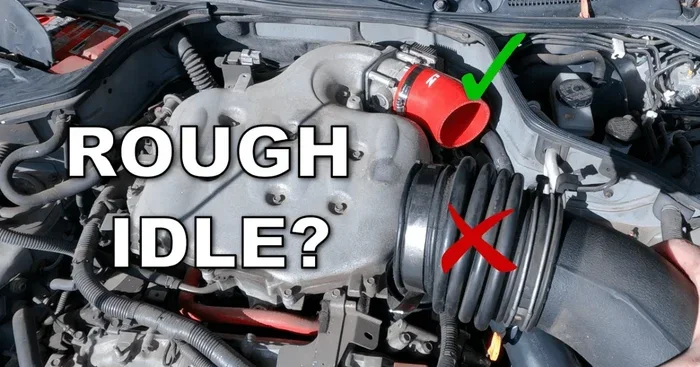
Yes, there are several ways to increase BHP. Common methods include engine tuning, installing a turbocharger or supercharger, upgrading the exhaust system, and improving air intake. However, modifications may void your warranty and should be done by experienced professionals.