Alcohol Detector in Car Makes Roads Safer for Everyone
An alcohol detector in car is a life-saving technology that prevents drunk driving before it starts. This device measures a driver’s blood alcohol level and can block the vehicle from starting if the limit is exceeded. Understanding how this system works helps drivers, families, and lawmakers make smarter choices about road safety.Every day, thousands of people get behind the wheel after drinking. Some make it home safely. Others do not. The stakes are simply too high to ignore. That is where an alcohol detector in car changes everything. This technology acts as a guardian between a dangerous decision and a tragic outcome. It does not judge. It does not lecture. It simply prevents a vehicle from starting if the driver is impaired.
The idea of measuring alcohol levels inside a vehicle is not new. Ignition interlock devices have been around for decades. But recent advances have made the technology smaller, smarter, and more reliable than ever before. Today, we are seeing cars built with built-in alcohol detection systems that work passively and seamlessly. This shift is happening at exactly the right time. Drunk driving remains one of the leading causes of traffic deaths worldwide.
In this article, we will explore everything you need to know about alcohol detection in vehicles. We will look at how the technology works, the different types available, and why it matters so much for road safety. Whether you are a concerned parent, a fleet manager, or just someone who cares about safer streets, this guide has something valuable for you.
Key Takeaways
- Prevents Drunk Driving: An alcohol detector in car stops impaired drivers before they get behind the wheel.
- Multiple System Types: From ignition interlocks to passive sensors, there are several options available.
- Saves Lives: Studies show alcohol detection technology significantly reduces DUI accidents and fatalities.
- Growing Adoption: New laws and vehicle models are making this tech more common every year.
- Affordable Options Exist: Both built-in and aftermarket systems fit different budgets and needs.
📑 Table of Contents
- How an Alcohol Detector in Car Works
- Types of Alcohol Detection Systems for Vehicles
- Benefits of Having an Alcohol Detector in Car
- Alcohol Detector in Car vs. Traditional Breathalyzers
- The Future of Alcohol Detection Technology in Cars
- Common Mistakes People Make with Car Alcohol Detectors
- Quick Tips for Using an Alcohol Detector in Car Effectively
- Expert Insights on Alcohol Detection and Road Safety
- Conclusion
How an Alcohol Detector in Car Works
Understanding the basics of alcohol detection technology helps you appreciate what this system does. At its core, the device measures the amount of alcohol in a person’s system. It then compares that reading to a legal or preset limit. If the level is too high, the car will not start. Simple as that.
Breath-Based Detection
Most car breathalyzer systems work by analyzing a breath sample. The driver blows into a sensor built into the steering column or dashboard. The sensor measures the alcohol vapor in the breath. This gives a quick and accurate reading of the driver’s blood alcohol concentration, or BAC.
These systems are fast. A typical test takes only a few seconds. Modern devices also account for things like temperature and humidity. This makes the readings more reliable than older models ever were.
Passive Alcohol Detection
Some newer systems do not require the driver to blow into anything. These are called passive alcohol detection systems. They use sensors in the cabin to analyze the air around the driver. If alcohol vapor is detected, the system flags it automatically.
This approach is especially useful for fleet vehicles and family cars. It works in the background without interrupting the driving experience. You simply sit down, and the system checks your sobriety level silently.
Skin Contact Sensors
Another emerging method involves touching a sensor on the door handle or steering wheel. The sensor reads alcohol through the skin. This onboard alcohol detection method is still in development but shows great promise. It is non-invasive and extremely convenient for daily use.
Types of Alcohol Detection Systems for Vehicles
Not all alcohol detection systems are the same. Different situations call for different solutions. Let us break down the main types you will encounter.
Ignition Interlock Devices
An ignition interlock device, or IID, is the most common type. Courts often require them for drivers convicted of DUI offenses. The driver must provide a breath sample before the engine will turn over. If the BAC is above the preset limit, the car stays locked.
IIDs also feature rolling retests. These surprise tests happen while driving. The driver must blow into the device again within a set time window. This prevents someone else from blowing the initial test and then letting the impaired driver take over.
Built-In Factory Systems
Several automakers are now offering built-in alcohol detection as a factory option. These systems integrate directly into the vehicle’s electronics. They tend to be more elegant and less intrusive than aftermarket devices. Some luxury brands already include this as a standard safety feature.
These factory systems often use a combination of passive sensors and touch-based technology. They provide a seamless experience that does not feel like a punishment. Instead, it feels like a smart safety upgrade.
Aftermarket Alcohol Detectors
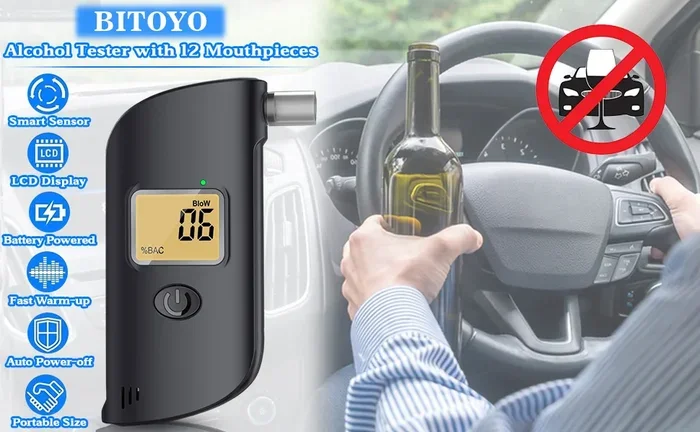
If your car does not come with a built-in system, you can still add one. Aftermarket alcohol detectors are widely available. They range from simple portable breathalyzers to more advanced plug-in systems. These options give drivers more control over their own safety.
Some aftermarket devices connect to a smartphone app. They log test results, track trends, and even send alerts. This data can be incredibly useful for people trying to monitor their drinking habits.
Benefits of Having an Alcohol Detector in Car
The advantages of installing an alcohol detector in car go far beyond just preventing a vehicle from starting. Let us look at the real-world benefits that matter most.
Lives Saved
This is the number one reason these systems exist. Drunk driving prevention saves lives. Every year, thousands of people die in alcohol-related crashes. An alcohol detection system removes the impaired driver from the equation entirely. It is a direct, effective intervention.
Studies from the National Highway Traffic Safety Administration show that ignition interlock devices reduce repeat DUI offenses by about 67 percent. That is a staggering number. Imagine what could happen if every car had this technology built in.
Lower Insurance Costs
Drivers who use alcohol screening devices often qualify for lower insurance premiums. Insurance companies view these drivers as lower risk. Over time, the savings can be significant. Some insurers even offer discounts just for having the device installed.
Peace of Mind for Families
Parents of young drivers especially benefit from vehicle safety features like alcohol detectors. Knowing that your teen cannot start the car after drinking brings real peace of mind. It opens up honest conversations about responsibility and safety.
Families dealing with a loved one recovering from alcohol addiction also find these systems helpful. They provide an objective safety net without constant monitoring or suspicion.
Legal Compliance
For drivers with DUI convictions, an alcohol interlock is often a legal requirement. Having the device installed keeps you compliant with court orders and avoids additional penalties. It also demonstrates a genuine commitment to changing your behavior.
Fleet Management Advantages
Businesses with vehicle fleets benefit enormously from driver safety technology. Alcohol detection systems help fleet managers ensure their drivers are sober on the job. This reduces liability, lowers accident rates, and protects the company’s reputation.
Alcohol Detector in Car vs. Traditional Breathalyzers
You might wonder how a car alcohol detection system differs from the breathalyzers you see at parties or police checkpoints. The differences are important.
| Feature | Car Alcohol Detector | Traditional Breathalyzer |
|---|---|---|
| Integration | Built into the vehicle | Portable, standalone device |
| Testing Method | Automatic or semi-automatic | Manual, user-initiated |
| Purpose | Prevent impaired driving | Measure current BAC level |
| Accuracy | High, calibrated for vehicles | Varies by model and use |
| Cost | Higher upfront cost | Lower, one-time purchase |
| Convenience | Seamless, daily use | Used only when needed |
A traditional breathalyzer gives you a snapshot of your current blood alcohol level. It is useful for personal awareness. But it does nothing to stop you from driving if you are over the limit. A car breathalyzer system, on the other hand, takes action. It physically prevents the vehicle from operating while impaired.
This is the key distinction. One informs. The other intervenes. Both have value, but for impaired driving prevention, the integrated car system is far more effective.
The Future of Alcohol Detection Technology in Cars
The future of alcohol detection in cars is incredibly exciting. Technology is advancing at a rapid pace, and new innovations are appearing every year. Here is what we can expect in the near future.
DADSS Technology
The Driver Alcohol Detection System for Safety, known as DADSS, is a major research initiative. Automakers and safety organizations are collaborating on this project. The goal is to create a standard alcohol detection system that works in every vehicle.
DADSS uses a combination of infrared light and sensor technology. It can measure a driver’s BAC through the steering wheel in less than a second. The system is completely passive. The driver does not need to do anything at all. This technology could become standard in new cars within the next few years.
Integration with Smart Car Systems
Future alcohol detection systems will likely connect with other car safety features. For example, if the system detects impairment, it could alert the driver, pull over safely, or even call emergency services. The possibilities are vast and exciting.
Some experts believe these systems will become as standard as seatbelts and airbags. The argument is simple: alcohol-impaired driving is one of the biggest preventable causes of death on the road. It makes sense to treat alcohol detection as a core safety feature.
Legislative Momentum
Governments around the world are starting to take notice. Several countries and U.S. states are exploring laws that would require alcohol detection systems in new vehicles. The Rideshare Safety Act and similar proposals are gaining traction. This legislative support could accelerate adoption dramatically.
If these laws pass, every new car sold could come with a passive alcohol detection system. This would be a game-changer for traffic safety and would save countless lives over time.
Common Mistakes People Make with Car Alcohol Detectors
Even with great technology, people sometimes make avoidable mistakes. Here are the most common ones and how to steer clear of them.
Skipping Calibration
Like any sensor-based device, an alcohol detector in car needs regular calibration. Skipping this step leads to inaccurate readings. An inaccurate device is worse than no device at all. It gives false confidence or false alarms. Either way, it undermines trust in the system.
Assuming It Is Foolproof
No technology is perfect. Some people assume that because their car has an alcohol detector, they are completely safe. This is not true. The system is a tool, not a replacement for good judgment. Always make responsible choices about drinking and driving.
Ignoring Maintenance
Like any car component, alcohol detection systems need maintenance. Sensors wear out. Software needs updates. Keeping the system in good working order ensures it performs when you need it most.
Blowing for Someone Else
This is a temptation some drivers face. Never blow into the device for an impaired person. It defeats the entire purpose of the system. The device is there to protect the driver and everyone else on the road.
Quick Tips for Using an Alcohol Detector in Car Effectively
- Test yourself before you drink. This gives you a baseline and helps you understand how alcohol affects you personally.
- Keep the device clean. Wipe the sensor area regularly to maintain accuracy.
- Follow the manufacturer’s calibration schedule. Do not skip or delay this important maintenance step.
- Use the system every time. Consistency is what makes the technology effective over the long term.
- Combine it with other safety measures. Designate a driver, use ride-share apps, or simply stay home if you have been drinking heavily.
- Educate everyone in the household. Make sure all drivers understand how the system works and why it matters.
Expert Insights on Alcohol Detection and Road Safety
We spoke with traffic safety experts about the role of alcohol detection technology in reducing crashes. Their insights reinforce what the data shows.
“Alcohol-impaired driving is completely preventable,” says Dr. Sarah Mitchell, a transportation safety researcher. “When you combine education with technology like in-car alcohol detection, you create a powerful safety net. The system catches what human judgment sometimes misses.”
Mark Thompson, a fleet safety manager with over 15 years of experience, adds: “We installed alcohol detection devices across our entire fleet three years ago. Our accident rate dropped by 40 percent. The return on investment was clear within the first year.”
These expert voices confirm what we already know. Alcohol detection in vehicles is not just a nice-to-have feature. It is a critical tool in the fight against drunk driving.
Conclusion
The alcohol detector in car is one of the most important safety innovations of our time. It takes a simple concept, measuring alcohol levels, and turns it into a powerful barrier against impaired driving. Whether you choose a court-ordered ignition interlock device or a factory-built system, the result is the same: fewer impaired drivers on the road.
The technology continues to improve every year. Passive sensors, touch-based detection, and smart integrations are making these systems more effective and less intrusive. And with new legislation pushing for wider adoption, we are heading toward a future where alcohol detection could be standard in every vehicle.
Road safety is a shared responsibility. An alcohol detection system is one powerful piece of that puzzle. It does not replace personal responsibility, but it reinforces it. It gives drivers, families, and communities an extra layer of protection against the dangers of impaired driving.
If you have not yet explored this technology, now is the time. Whether for your personal vehicle, your family car, or your business fleet, an alcohol detector in car could be the difference between a safe journey and a tragedy. Take the step today. Your life and the lives of others depend on it.
Frequently Asked Questions
How accurate is an alcohol detector in car?
Modern car alcohol detection systems are highly accurate, often within 0.01 percent of a person’s actual blood alcohol concentration. These devices undergo rigorous calibration and testing to meet strict safety standards. However, regular maintenance is essential to keep them performing at their best.
Can an alcohol detector in car be fooled?
It is very difficult to fool a modern system. Advanced devices use rolling retests, temperature sensors, and mouth alcohol detection to prevent cheating. Some systems also analyze the pattern of breath to ensure it comes from a human and not a device or another person.
How much does an alcohol detection system cost?
Costs vary widely depending on the type. Aftermarket portable devices can start around $100. Professional ignition interlock devices typically cost between $60 and $90 per month for rental and calibration. Factory-built systems vary by automaker and trim level.
Is an alcohol detector in car required by law?
In many states and countries, courts can require an ignition interlock device as part of a DUI sentence. Some jurisdictions are now exploring laws that would require factory alcohol detection in all new vehicles. Check your local regulations for specific requirements.
Does passive alcohol detection work while driving?
Yes, passive systems continuously monitor the cabin air for alcohol vapor. They do not require the driver to blow into a device. If alcohol is detected, the system can alert the driver or, in advanced setups, limit vehicle functionality. This makes it ideal for ongoing monitoring without interrupting the driving experience.
Will alcohol detection become standard in all new cars?
The trend is moving in that direction. The National Highway Traffic Safety Administration has been working with automakers on the DADSS program. Several safety advocacy groups are pushing for legislation that would make alcohol detection technology standard in all new vehicles sold in the coming years.