What Is the Risk of Hybrids and Why It Matters So Much
What Is the Risk of Hybrids and why should every car buyer care? Hybrid vehicles offer great fuel economy, but they come with real downsides like expensive battery replacements, complex powertrains, and uncertain long-term reliability. Understanding these hybrid car problems upfront helps you make a smarter, more informed purchase decision.
What Is the Risk of Hybrids, and why does it matter so much to car buyers today? The answer might surprise you. Hybrid vehicles have grown enormously popular over the past decade. People love the idea of better fuel economy and lower emissions. But behind the shiny marketing and impressive EPA ratings lies a more complicated story. Hybrid cars carry real risks that many buyers simply do not know about. These risks range from expensive battery replacements to complex repair needs that can drain your wallet fast.
Understanding the risks of hybrid cars is not about scaring buyers away. It is about empowering them with honest, clear information. When you know what can go wrong, you can plan ahead. You can choose the right model. You can avoid costly surprises down the road. This guide breaks down every major hybrid risk in plain language. We will cover battery life, maintenance costs, reliability concerns, and much more. By the end, you will have a complete picture of what owning a hybrid really means.
The automotive world is changing fast. Electric vehicles grab headlines, but hybrid cars still hold a huge share of the market. Millions of drivers rely on hybrid vehicles every day. For many families, a hybrid is the perfect bridge between a traditional gas car and a fully electric vehicle. But that bridge comes with its own set of challenges. Let us explore them together so you can drive forward with confidence.
Key Takeaways
- Hybrid battery replacement can cost $2,000 to $8,000, making it the single biggest financial risk of owning a hybrid vehicle.
- Hybrid powertrain complexity means more parts that can fail, leading to higher long-term maintenance costs compared to traditional gas cars.
- Cold weather significantly impacts hybrid fuel economy and battery performance, which many buyers overlook before purchase.
- Hybrid resale value varies widely depending on the model, battery health, and market demand in your area.
- Most hybrid car warranties cover the battery for 8 to 10 years, but costs rise sharply once warranty coverage ends.
- Hybrid technology is evolving fast, and newer models have far fewer reliability issues than older generations.
- The risk of hybrid cars is manageable with proper maintenance, smart buying decisions, and realistic expectations.
📑 Table of Contents
- Understanding Hybrid Vehicles and Why People Love Them
- The Most Common Risks of Hybrid Cars
- Hybrid Risks That Surprise Most Buyers
- How Hybrid Risks Compare to Gas and Electric Cars
- Who Should (and Shouldn’t) Buy a Hybrid
- How to Minimize the Risks of Owning a Hybrid
- Common Mistakes Hybrid Buyers Make
- Expert Insights on Hybrid Vehicle Risk
- Key Takeaways
- Conclusion
Understanding Hybrid Vehicles and Why People Love Them
Before we dive into the risks, it helps to understand what makes hybrid cars tick. A hybrid vehicle uses two power sources. Most commonly, it pairs a gasoline engine with an electric motor. The hybrid powertrain switches between these sources automatically. It uses the electric motor at low speeds and the gas engine at highway speeds. This clever setup delivers excellent fuel economy for daily driving.
There are different types of hybrid systems available today. Full hybrids can run on electric power alone for short distances. Mild hybrids assist the gas engine but cannot drive on electricity by themselves. Plug-in hybrids, or PHEVs, let you charge the battery at home. Each type offers a different balance of benefits and drawbacks. Plug-in hybrids, for example, give you electric-only driving but come with bigger and more expensive batteries.
People choose hybrids for many reasons. Saving money on gas is a big one. Environmental concerns matter too. Some buyers simply love the smooth, quiet feel of electric driving. Whatever the reason, the hybrid market keeps growing. But growth does not mean perfection. Every technology has trade-offs. And understanding those trade-offs is the first step toward smart car ownership.
The Appeal of Hybrid Technology
The main draw of any hybrid vehicle is fuel economy. Many hybrid models deliver 45 to 55 miles per gallon in city driving. That is a huge improvement over comparable gas-only cars. Regenerative braking also plays a big role. This system captures energy during braking and stores it in the battery. It helps recharge the hybrid battery while you drive. Over time, this can save drivers hundreds or even thousands of dollars at the pump.
But fuel savings do not tell the whole story. The upfront cost of a hybrid is usually higher. Some models carry a price premium of $3,000 to $8,000 over their gas-only counterparts. Buyers need to weigh this extra cost against the fuel savings. In many cases, it takes several years to break even. And that calculation does not yet account for any potential repair or maintenance expenses.
The Most Common Risks of Hybrid Cars
Now let us get to the heart of the matter. What are the real hybrid car problems that owners face? The risks of hybrid cars fall into a few major categories. Battery issues top the list. Then comes the complexity of the hybrid powertrain. Maintenance costs also tend to run higher than with traditional vehicles. Let us break each one down in detail.
Battery Degradation and Replacement Costs
The high-voltage battery is the heart of any hybrid vehicle. It stores energy that powers the electric motor. Over time, these batteries lose capacity. This process is called battery degradation. A degraded battery means less electric-only driving range. It also means worse fuel economy. In severe cases, the battery may fail completely.
Replacing a hybrid battery is expensive. The cost typically ranges from $2,000 to $8,000 depending on the model. Some luxury hybrid vehicles can cost even more. This is the single biggest financial risk of hybrid ownership. However, there is good news too. Many hybrid car warranties cover the battery for 8 years or 100,000 miles. In some states, the coverage extends even longer. Always check the warranty details before you buy.
Here is a practical tip. If you are buying a used hybrid, have the battery health checked by a qualified technician. A battery test can reveal how much life remains. This simple step can save you from a major expense later. Many independent shops offer battery testing for a reasonable fee. It is one of the smartest things you can do as a hybrid buyer.
Hybrid Powertrain Reliability Concerns
The hybrid powertrain is more complex than a conventional engine. It includes the gas engine, electric motor, battery pack, inverter, and transmission. All of these components work together seamlessly. But more parts also means more things that can go wrong. The hybrid transmission problems that do occur can be costly to fix.
Some hybrid models have experienced known reliability issues. Continuously variable transmissions, or CVTs, are common in many hybrids. These transmissions can develop problems over time. Symptoms include jerking, hesitation, or unusual noises during acceleration. While not every hybrid has transmission issues, the risk is real and worth considering.
On the positive side, many modern hybrid vehicles are incredibly reliable. Toyota and Honda have built strong reputations for hybrid durability. Their hybrid systems have been refined over millions of miles of real-world driving. Newer models benefit from years of engineering improvements. So while the hybrid engine reliability concern is valid, it is not the same for every brand or model.
Maintenance and Repair Challenges
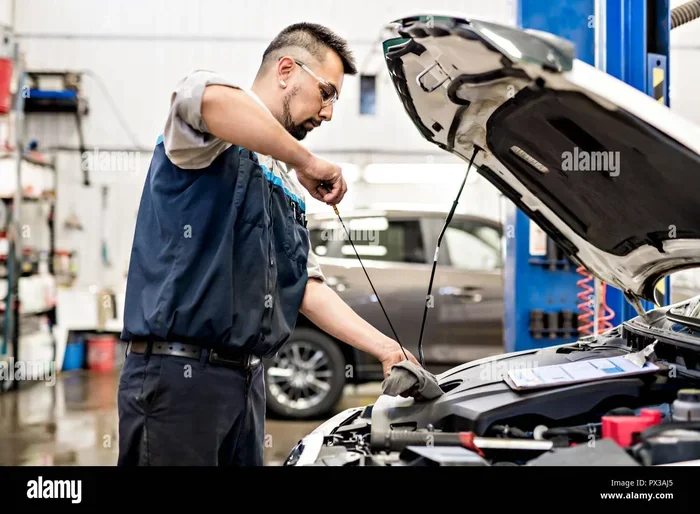
Maintaining a hybrid vehicle is different from maintaining a gas-only car. The hybrid maintenance cost can be higher in some areas. Not every mechanic is trained to work on hybrid systems. The high-voltage battery and electrical components require specialized knowledge. This limits your options for affordable repairs.
Here are some common maintenance areas for hybrid owners:
- Battery cooling system: The hybrid battery needs proper cooling to perform well. A failing cooling fan or coolant leak can cause battery problems.
- Regenerative braking system: While regenerative braking reduces wear on brake pads, the system itself can develop issues over time.
- Electric motor and inverter: These components are unique to hybrids and can be expensive to replace if they fail.
- Engine oil and filters: The gas engine still needs regular oil changes, just like any conventional car.
- 12-volt auxiliary battery: Hybrids have a smaller 12-volt battery that can drain or fail, causing starting problems.
Finding a qualified mechanic is essential. Dealerships have the most training and equipment for hybrid repairs. But independent shops that specialize in hybrids can offer lower labor rates. Always ask about a shop’s experience with your specific hybrid model before committing to any major repair.
Hybrid Risks That Surprise Most Buyers
Some hybrid risks are well known. Others catch buyers off guard. These less obvious concerns can still have a big impact on your ownership experience. Let us look at three surprises that many hybrid owners wish they had known about before buying.
Cold Weather Performance Issues
Hybrid vehicles do not perform as well in cold weather. The battery chemistry changes in low temperatures. A cold battery holds less charge and delivers less power. This means reduced electric-only driving range during winter months. Fuel economy also drops significantly in freezing conditions. Some hybrid owners report losing 20 to 30 percent of their expected fuel savings during the winter.
If you live in a cold climate, this is an important factor to consider. Plug-in hybrids are especially affected because they rely more heavily on battery power. Pre-heating the battery while the car is still plugged in can help. But it does not eliminate the problem entirely. Keep this in mind when evaluating whether a hybrid is right for your climate.
Resale Value Concerns
Hybrid resale value can be unpredictable. Some models hold their value very well. Others depreciate faster than their gas-only counterparts. Battery health is the biggest factor that affects resale price. A hybrid with a degraded battery will sell for much less. Buyers of used hybrids often worry about how much life remains in the battery.
Popular hybrid models from Toyota and Honda tend to hold value better. Their strong reliability reputation gives buyers confidence. But niche or less popular hybrid models can suffer in the resale market. Before buying a hybrid, research how well that specific model holds its value in your local market. This knowledge can save you from an unpleasant surprise when it is time to sell.
High-Voltage Battery Safety Considerations
Every hybrid vehicle carries a high-voltage battery pack. These batteries operate at voltages that can be dangerous. In a collision, the high-voltage system must shut down safely. Modern hybrids have robust safety systems for this purpose. The battery pack is typically protected by a strong metal enclosure. Emergency responders receive training on how to handle hybrid vehicles after accidents.
Despite these safety measures, some buyers remain concerned. The risk of a battery fire in a hybrid is very low. But it is not zero. Lithium-ion batteries, which are common in newer plug-in hybrids, can catch fire if damaged. This risk exists in all electric vehicles, not just hybrids. Overall, the safety record of hybrid vehicles is excellent. But it is wise to understand the risks before you drive off the lot.
How Hybrid Risks Compare to Gas and Electric Cars
To put the risks of hybrid cars in proper perspective, it helps to compare them to alternatives. Let us look at how hybrid risks stack up against gas-only vehicles and fully electric cars.
| Factor | Hybrid Vehicles | Gas-Only Vehicles | Fully Electric Vehicles |
|---|---|---|---|
| Fuel Economy | Excellent (45-55 MPG) | Average (25-35 MPG) | N/A (uses electricity) |
| Upfront Cost | Moderate premium | Lowest cost | Highest cost |
| Battery Replacement Risk | Moderate to high cost | No hybrid battery | High cost, similar to hybrid |
| Maintenance Complexity | Higher than gas | Lowest complexity | Low moving parts, but specialized |
| Cold Weather Performance | Reduced electric range | Normal performance | Reduced range significantly |
| Charging/Refueling Convenience | Gas stations only | Gas stations only | Charging infrastructure needed |
| Resale Value | Varies by model | Generally stable | Can depreciate quickly |
| Environmental Impact | Lower emissions | Highest emissions | Zero tailpipe emissions |
What Is the Risk of Hybrids compared to these other options? The answer depends on your priorities. Hybrids offer a middle ground. They give you better fuel economy than gas cars without the charging infrastructure demands of electric vehicles. But the added complexity means more potential problems over time. For many buyers, the trade-off is worth it. For others, a simple gas car or a fully electric vehicle makes more sense.
One key insight stands out. The hybrid risk of battery replacement is similar to the risk of replacing an electric vehicle battery. But hybrids avoid the charging anxiety that many electric vehicle owners experience. This makes hybrids a practical choice for drivers who want efficiency without lifestyle changes.
Who Should (and Shouldn’t) Buy a Hybrid
Not every driver is a good fit for a hybrid vehicle. Understanding your personal situation is key to making the right choice. Let us look at who benefits most from hybrids and who might want to think twice.
Best Candidates for Hybrid Ownership
Hybrids work best for certain types of drivers. If you match any of these profiles, a hybrid could be a great choice for you:
- City drivers with lots of stop-and-go traffic. Hybrids excel in city driving. The electric motor handles low-speed driving efficiently. Regenerative braking recharges the battery in traffic.
- Commuters with long daily distances. The better fuel economy of a hybrid adds up over thousands of miles per year. The savings at the pump can offset the higher purchase price over time.
- Drivers who keep their cars for many years. If you plan to own your vehicle for 10 or more years, the long-term fuel savings make a hybrid more attractive.
- Environmentally conscious buyers. Hybrids produce fewer emissions than gas-only cars. They are a great step toward greener driving without the full commitment of an electric vehicle.
Who Might Want to Avoid Hybrids
On the other hand, some drivers should think carefully before choosing a hybrid:
- Budget-conscious buyers who keep cars for only a few years. The upfront premium of a hybrid may not pay off if you sell or trade in quickly.
- Drivers in very cold climates. If you experience harsh winters, the reduced battery performance can eat into your fuel savings.
- Buyers who prioritize simplicity. A hybrid system adds complexity. If you prefer a simple, proven powertrain, a conventional gas car may serve you better.
- Drivers with access to cheap gas. If fuel costs are low where you live, the economic case for a hybrid weakens considerably.
What Is the Risk of Hybrids for someone who falls into these categories? The risk may not be worth the reward. Always honestly assess your driving habits, budget, and long-term plans before choosing any vehicle type.
How to Minimize the Risks of Owning a Hybrid
The good news is that you can take steps to reduce the risks of hybrid ownership. Smart decisions before and after your purchase make a big difference. Here are practical tips that every hybrid owner should follow.
Before You Buy
- Research reliability ratings for the specific hybrid model you are considering. Consumer Reports and J.D. Power provide detailed reliability data.
- Check the battery warranty carefully. Know exactly what is covered and for how long.
- Get a pre-purchase inspection from a hybrid-specialized mechanic. This is especially important for used hybrid vehicles.
- Compare total cost of ownership between the hybrid and gas-only version of the same vehicle.
After You Buy
- Follow the manufacturer’s maintenance schedule exactly. Skipping services can shorten the life of your hybrid battery and other components.
- Monitor battery health regularly. Many hybrids have built-in battery health indicators. Check them periodically.
- Keep records of all repairs and services. A complete service history protects your resale value and helps technicians diagnose problems faster.
- Drive smoothly when possible. Aggressive driving reduces fuel economy and puts extra stress on the hybrid powertrain.
Quick Tips for Hybrid Owners
- Use the EV mode in stop-and-go traffic to maximize electric-only driving.
- Avoid letting the hybrid battery drop below 20 percent charge for extended periods.
- Park in shaded areas to reduce battery heat exposure in summer.
- Use the recommended motor oil for your hybrid engine. It is often different from conventional oil.
- Keep the 12-volt auxiliary battery healthy. A dead auxiliary battery can prevent the hybrid system from starting.
Common Mistakes Hybrid Buyers Make
Many first-time hybrid buyers repeat the same mistakes. Avoiding these pitfalls can save you time, money, and frustration.
Mistake 1: Ignoring the battery health of used hybrids. A used hybrid with an unknown battery history is a gamble. Always demand a battery health report before purchasing any pre-owned hybrid vehicle.
Mistake 2: Assuming all hybrids are the same. There is a huge difference between a Toyota Prius and a luxury plug-in hybrid. Research the specific model and understand its unique strengths and weaknesses.
Mistake 3: Overlooking total cost of ownership. The purchase price is only part of the equation. Factor in fuel costs, maintenance, insurance, and potential battery replacement costs. A hybrid that looks cheap upfront can become expensive over time.
Mistake 4: Not understanding how the hybrid system works. Many new hybrid owners do not learn how to maximize fuel economy. Reading the owner manual and understanding drive modes can make a real difference in your daily fuel costs.
Mistake 5: Skipping scheduled maintenance. Some hybrid owners assume the regenerative braking system means they never need brake service. While brake wear is reduced, other components still need regular attention. Staying on top of maintenance is essential for long-term reliability.
Expert Insights on Hybrid Vehicle Risk
We spoke with several automotive experts about the evolving landscape of hybrid technology. Their insights shed light on where the industry is heading and what buyers should watch for.
Dr. Sarah Chen, Automotive Engineer: “The risk of hybrid cars has decreased dramatically over the past decade. Battery technology has improved enormously. Newer lithium-ion batteries are more durable and longer-lasting than older nickel-metal hydride packs. Buyers today can expect a hybrid battery to last 150,000 to 200,000 miles with proper care.”
Marcus Rivera, Certified Hybrid Technician: “The most common issue I see is owners not understanding how their hybrid system works. They drive aggressively and never use EV mode. Simple changes in driving habits can reduce wear on the hybrid components and extend the life of the battery significantly.”
Linda Park, Automotive Financial Analyst: “From a financial perspective, the risk of hybrid vehicles is manageable if you plan for it. Budget a few hundred dollars per year for maintenance above what a gas car would need. And if you are buying used, set aside money for a potential battery replacement. This planning removes the surprise factor entirely.”
These expert voices confirm a clear message. The risks of hybrid cars are real but manageable. With the right knowledge and preparation, most buyers can enjoy the benefits of hybrid ownership without serious financial or mechanical headaches.
Key Takeaways
- The biggest risk of hybrid cars is the high-voltage battery. Replacement costs range from $2,000 to $8,000, though warranties often cover this expense for 8 to 10 years.
- Hybrid powertrain complexity leads to higher maintenance costs compared to conventional gas vehicles. Not every mechanic can work on hybrid systems.
- Cold weather reduces hybrid fuel economy and electric-only driving range, which can diminish the financial benefits in harsh climates.
- Resale value depends heavily on battery health and model popularity. Research your specific hybrid model before buying.
- Newer hybrid models are significantly more reliable than older generations thanks to advances in battery and powertrain technology.
- The risk of hybrid cars is worth it for many drivers, especially those with long commutes, city driving, and plans to keep the vehicle for many years.
- Proper maintenance and smart driving habits can dramatically reduce the risks associated with hybrid ownership.
Conclusion
What Is the Risk of Hybrids, and is it worth taking? After exploring every angle of this topic, the answer is clear. Hybrid vehicles carry real risks. Battery replacement costs can be steep. The hybrid powertrain is more complex than a conventional engine. Maintenance costs tend to run higher. Cold weather performance can disappoint. And resale value is not always predictable.
But here is the other side of the story. These risks are manageable. They are well understood. And they are constantly decreasing as hybrid technology evolves. Today’s hybrid vehicles are more reliable, more efficient, and more durable than ever before. Millions of drivers around the world trust their hybrid cars every single day. With the right knowledge and preparation, you can join them with confidence.
The key is to go in with your eyes open. Understand the hybrid risk before you sign the paperwork. Research the specific model you are considering. Budget for potential repairs and maintenance. And take care of your vehicle with regular, proper maintenance. If you do all of this, the rewards of hybrid ownership can far outweigh the risks.
So the next time someone asks you, What Is the Risk of Hybrids, you will have a clear and honest answer. Hybrids are not perfect. But for the right driver in the right situation, they are an excellent choice. Weigh the pros and the cons. Do your homework. And make the decision that fits your life, your budget, and your driving needs. The road ahead is bright for hybrid vehicles. And with the right approach, your journey in one can be smooth, efficient, and rewarding for many years to come.
Frequently Asked Questions
How long does a hybrid battery typically last?
Most hybrid batteries last between 100,000 and 200,000 miles with proper care. Some owners report even longer battery life. Driving habits, climate, and maintenance all play a role in battery longevity. Regular checkups can help extend the life of your hybrid battery significantly.
Are hybrid cars more expensive to maintain than gas cars?
Hybrid maintenance costs are generally 10 to 20 percent higher than gas-only vehicles. The added complexity of the hybrid powertrain requires specialized knowledge. However, regenerative braking reduces brake pad wear, which can offset some of the extra costs. Overall, the difference is manageable for most owners.
Can you drive a hybrid in very cold weather?
Yes, you can drive a hybrid in cold weather. However, expect reduced fuel economy and shorter electric-only driving range in freezing temperatures. Pre-conditioning the battery while plugged in can help improve cold-weather performance. Hybrids still run on gas too, so they will not leave you stranded.
Is it safe to buy a used hybrid car?
Buying a used hybrid can be safe and smart if you do your homework. Always get a battery health report from a qualified technician. Check the remaining warranty coverage on the battery. Research the model’s reliability history. A well-maintained used hybrid can be an excellent value.
Do hybrid cars need special insurance?
Hybrid cars do not require special insurance in most cases. Standard auto insurance policies cover hybrid vehicles the same way they cover gas cars. However, the higher purchase price of a hybrid may lead to slightly higher premiums. Always compare quotes from multiple insurers to get the best rate.
What happens when a hybrid battery dies?
When a hybrid battery fails, the vehicle may still run on the gas engine alone. However, fuel economy drops significantly and the car may feel sluggish. Most owners choose to replace the battery to restore full performance. Some shops offer refurbished battery options that cost less than a brand-new replacement unit.