Can You Go a Year Between Oil Changes Without Worry
Can you go a year between oil changes without worry? The answer depends on your oil type, driving habits, and vehicle manufacturer. Modern synthetic oils and advanced engines make it possible for many drivers to stretch oil change intervals to 10,000 or even 15,000 miles. However, skipping oil changes too long can seriously damage your engine over time.
Let us talk about something every car owner thinks about but rarely wants to deal with: oil changes. You have probably heard all sorts of advice. Some folks say you need to change your oil every 3,000 miles. Others swear by 10,000-mile intervals. So what is the truth? Can you go a year between oil changes without putting your engine at risk?
The short answer is yes, for many modern vehicles. But the full answer is a bit more nuanced. Your oil type, driving style, climate, and vehicle age all play a role. In this article, we will walk through everything you need to know about stretching your oil change interval to a full year. We will cover what happens inside your engine, how different oils perform, and how to know when your car really needs fresh oil.
Whether you drive a daily commuter or a weekend toy, understanding oil change timing can save you money and keep your engine running strong for years. Let us dive in.
Key Takeaways
- Modern oils last longer: Full synthetic oil can easily go 7,500 to 15,000 miles between changes, making a one-year interval possible for many drivers.
- Check your owner’s manual: Your vehicle manufacturer sets the official oil change interval, and it is the best guide for your specific car.
- Driving conditions matter: Severe driving habits like short trips, extreme heat, or towing can shorten oil life significantly.
- Oil life monitors help: Most modern vehicles have systems that track your actual driving conditions and tell you when to change your oil.
- Skipping too long risks engine damage: Old oil loses its lubricating properties, which can lead to increased wear, overheating, and expensive repairs.
- Oil filter changes matter too: Always replace your oil filter when you change your oil to keep contaminants out of your engine.
- Hybrid and electric vehicles still need oil: Even cars that run partly or fully on electric power have engines that require regular oil changes.
📑 Table of Contents
- What Happens If You Skip Oil Changes?
- How Long Can Oil Actually Last?
- Synthetic vs Conventional Oil: Which Lasts Longer?
- Signs Your Oil Needs Changing
- Can Every Vehicle Go a Year Between Oil Changes?
- Expert Tips for Stretching Your Oil Change Interval Safely
- Quick Tips
- Common Mistakes People Make With Oil Changes
- How Much Does It Cost to Skip an Oil Change?
- Conclusion
What Happens If You Skip Oil Changes?
Engine oil is the lifeblood of your vehicle. It lubricates moving parts, reduces friction, and helps carry heat away from critical components. When oil sits in your engine too long, it begins to break down. Here is what can go wrong if you push your oil change too far.
Oil Breaks Down Over Time
Even the best oil degrades with time. Heat and exposure to combustion byproducts cause the oil to lose its viscosity. Viscosity is just a fancy word for how thick or thin your oil is. When oil gets too thin, it cannot protect your engine parts the way it should. When it gets too thick, it does not flow properly through narrow passages.
Over time, contaminants like dirt, metal particles, and fuel residue build up in the oil. This mixture becomes abrasive. It can scratch cylinder walls, clog oil passages, and accelerate wear on bearings and camshafts. The longer you go without an oil change, the worse this gets.
Increased Engine Wear
When oil loses its lubricating ability, metal parts start rubbing against each other. This creates friction. Friction creates heat. And heat causes more wear. It is a vicious cycle. Engine components like pistons, crankshafts, and valve trains are especially vulnerable. Over months of neglect, this wear adds up. Eventually, you might face costly engine repairs that could have been avoided with a simple oil change.
Some drivers wonder whether can you drive a car with a misfire is related to old oil. While a misfire is usually caused by spark plug or fuel issues, neglected engine oil can contribute to overall engine deterioration that leads to bigger problems over time.
Overheating Risks
Oil helps regulate engine temperature. It absorbs heat from components that the coolant cannot reach. When oil breaks down, it loses its heat-transfer ability. This can cause hot spots inside the engine. In extreme cases, you might even experience overheating. If you have ever dealt with can a car overheat in the winter, you know that engine temperature problems can surprise you in any season.
How Long Can Oil Actually Last?
The honest answer is it depends. Oil life varies widely based on several factors. Let us break down what really determines how long your oil can last.
Manufacturer Recommendations
Every vehicle comes with a recommended oil change interval from the factory. For decades, the standard was 3,000 miles or every three months. But modern engineering has changed the game. Many newer vehicles now recommend oil changes every 5,000 to 10,000 miles. Some manufacturers even say you can go 15,000 miles between changes with the right oil.
Your owner’s manual is the best place to find your specific interval. Do not rely on what your uncle says or what a quick-lube shop recommends. Check what your car’s maker says. That is the number to trust.
The Role of Oil Life Monitoring Systems
Most cars made after 2010 come with an oil life monitoring system. This is a smart computer program that tracks your driving habits and conditions. It uses algorithms to estimate when your oil is actually degrading. Instead of just counting miles, it looks at things like:
- Engine temperature
- Driving duration
- Number of cold starts
- Idle time
- Load and stress on the engine
When the system says it is time for an oil change, that is when you should go. These systems are surprisingly accurate and can help you avoid changing oil too early or too late.
Real-World Driving vs. Ideal Conditions
Here is something many people do not realize. Ideal driving conditions are rare. Most of us do not drive on smooth highways at steady speeds all day. Our daily routines involve short trips, stop-and-go traffic, and temperature swings. All of these factors are considered severe driving conditions by most manufacturers.
If your driving looks more like a typical daily commute than a long road trip, your oil may degrade faster. In that case, sticking closer to a 6-month or 7,500-mile interval is a smart move. Stretching to a full year might be pushing it.
Synthetic vs Conventional Oil: Which Lasts Longer?
The type of oil you use makes a huge difference in how long you can go between changes. Not all oils are created equal. Let us look at the main options.
Conventional Oil
Conventional oil is the traditional choice. It is refined from crude oil and provides basic lubrication. Most manufacturers recommend changing conventional oil every 3,000 to 5,000 miles. If you use conventional oil, going a full year between changes is risky. You would likely exceed the safe mileage limit before the year is up.
Conventional oil works fine for older vehicles with simpler engines. But it does not hold up as well under stress or over long periods. If you are still using conventional oil, consider upgrading.
Synthetic Blend Oil
Synthetic blend oil mixes conventional oil with synthetic compounds. This gives you better performance than conventional oil alone. Synthetic blends typically last between 5,000 and 7,500 miles. For many drivers, this means an oil change every 6 months is still the safest bet. Going a full year on synthetic blend is possible but not ideal.
Full Synthetic Oil
Full synthetic oil is the gold standard. It is engineered in a lab to provide superior protection and longevity. Full synthetic oil can easily last 7,500 to 15,000 miles between changes. For many modern vehicles, this means you can comfortably go a year between oil changes without worry.
One important thing to know: not all synthetic oils are the same. Some are designed for 10,000-mile intervals, while others can go 15,000 miles. Check the specifications on the bottle and match them to your vehicle’s needs. For example, if you are wondering about can you use 5W-20 instead of 0W-20, the answer depends on your vehicle’s recommendation. Using the wrong viscosity can affect oil performance and longevity.
| Oil Type | Typical Interval | Max Yearly Interval | Best For |
|---|---|---|---|
| Conventional | 3,000-5,000 miles | Not recommended | Older vehicles, low-mileage drivers |
| Synthetic Blend | 5,000-7,500 miles | 6 months | Moderate driving conditions |
| Full Synthetic | 7,500-15,000 miles | 12 months | Modern vehicles, all conditions |
Signs Your Oil Needs Changing
Even if you are tracking mileage, your oil might be telling you it needs attention. Learning to recognize these signs can save your engine from serious damage.
Dark or Dirty Oil
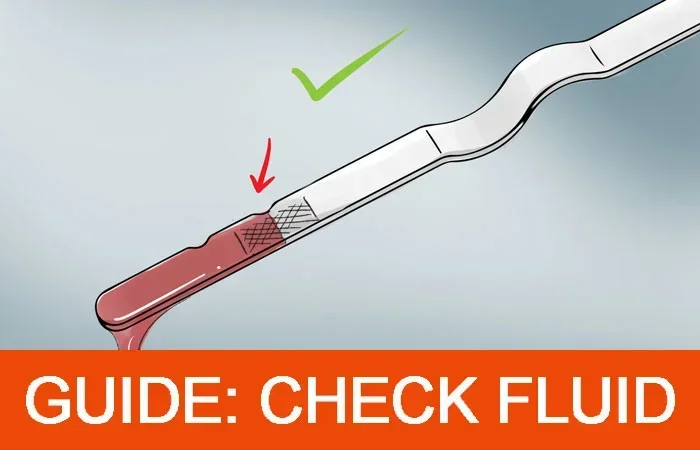
Fresh oil is amber or golden in color. As it ages, it darkens. By the time oil is black, it has absorbed a lot of contaminants. You can check your oil with the dipstick. If it looks very dark and gritty, it is time for a change. Do not wait for the full year to be up.
Unusual Engine Noises
Oil reduces friction between metal parts. When oil gets old, it loses its ability to cushion those parts. You might hear knocking, ticking, or rumbling sounds from the engine. These noises mean metal is contacting metal. If you notice this, check your oil level and condition immediately. Continuing to drive on worn oil can lead to serious engine problems.
Interestingly, some engine issues like can you drive a car with a misfire can sometimes be linked to poor engine maintenance overall, including neglected oil changes.
Oil Pressure Warning Light
If your dashboard shows an oil pressure warning, do not ignore it. This light means your oil pressure is too low, which could indicate low oil level or degraded oil. Pull over safely and check your oil. Driving with low oil pressure can destroy your engine in a matter of minutes.
Burning Oil Smell
A smell of burning oil inside your car is a red flag. It could mean an oil leak, old oil breaking down, or oil contacting hot engine parts. Either way, get your vehicle inspected as soon as possible.
Reduced Fuel Efficiency
Old, dirty oil increases friction inside the engine. More friction means your engine has to work harder. This leads to reduced fuel efficiency. If you notice you are visiting the gas station more often, old oil might be a contributing factor.
Can Every Vehicle Go a Year Between Oil Changes?
The honest answer is no. Not every vehicle is built the same. Whether you can safely stretch to a 12-month interval depends on several factors.
Vehicle Age and Mileage
Newer vehicles with modern engines are designed to handle longer oil change intervals. Their tighter tolerances and advanced filtration systems keep oil cleaner for longer. Older vehicles with higher mileage may benefit from more frequent changes. Engines that have accumulated wear may produce more contaminants, which can contaminate the oil faster.
If you drive a classic car or a vehicle with higher mileage, sticking to a 6-month oil change schedule is a wise choice. The extra cost is small compared to the cost of engine repairs.
Hybrid Vehicles
Hybrid vehicles are interesting when it comes to oil changes. These cars use both an electric motor and a gasoline engine. The gasoline engine still needs oil, even if it runs less often than in a traditional car. If you have been curious about can a hybrid run without gas, the answer is yes, for short distances. But the engine still needs proper maintenance, including regular oil changes.
Because hybrid engines sometimes run less frequently, you might assume the oil stays fresher longer. That is not always true. Oil can still degrade from moisture buildup and short operating cycles. Follow your hybrid’s manufacturer recommendation for oil change intervals.
Severe Driving Conditions
Most manufacturers define severe driving conditions. These include:
- Frequent short trips under 5 miles
- Driving in extreme heat or cold
- Towing trailers or carrying heavy loads
- Stop-and-go traffic for long periods
- Driving on dusty or gravel roads
- Frequent idling
If any of these describe your driving habits, you should not go a full year between oil changes. Severe conditions cause oil to break down faster. In these cases, shortening your interval to 6 months or 5,000 miles is a safer approach.
Extreme Climates
Where you live matters. Hot climates cause oil to oxidize faster. Cold climates can cause moisture to accumulate in the oil. Both situations reduce oil life. If you live in a place with extreme temperatures, you might want to stick with a shorter interval regardless of what the manual says.
Expert Tips for Stretching Your Oil Change Interval Safely
If you want to go a year between oil changes, here are some practical tips to do it safely.
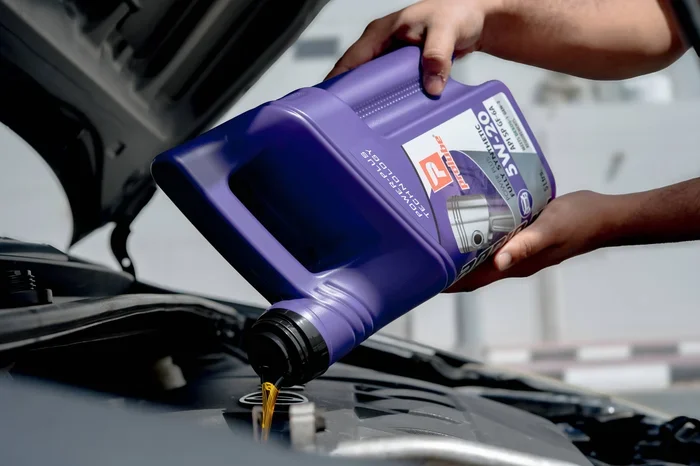
Use High-Quality Full Synthetic Oil
This is the single biggest factor. Full synthetic oil is designed to last longer and protect better. It resists thermal breakdown and maintains its viscosity over extended periods. Invest in a quality synthetic oil and you will be much closer to safely reaching that one-year mark.
Change Your Oil Filter Too
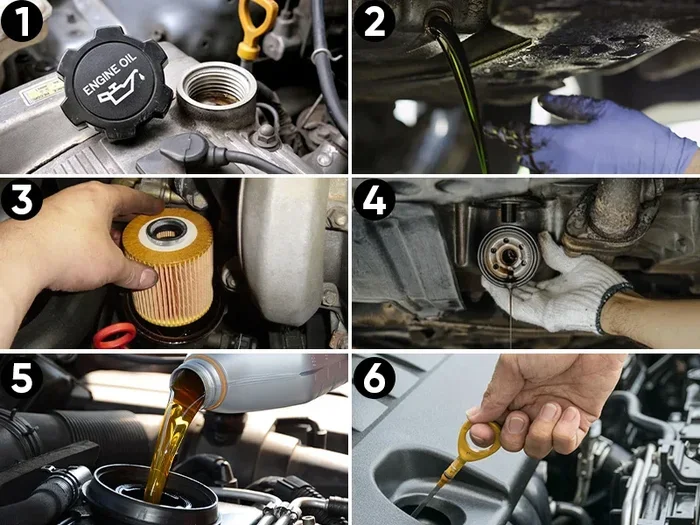
Fresh oil in a dirty filter is not clean oil. The oil filter traps contaminants and prevents them from circulating through your engine. Over time, the filter becomes saturated. Changing your oil filter every time you change your oil is non-negotiable. A good filter can make the difference between oil that lasts and oil that fails early.
Keep Track of Your Mileage
Even if you are going by time, track your mileage too. If you drive 15,000 miles in a year, you should not wait 12 months to change your oil. Most full synthetic oils have a 10,000 to 15,000-mile limit regardless of time. Check both your mileage and your calendar.
Monitor Your Oil Condition
Get in the habit of checking your oil regularly. Use the dipstick to check level and color. If the oil looks dark or feels gritty, change it. Do not wait for the scheduled interval. Your senses are your first line of defense against engine problems.
Follow the Oil Life Monitor
If your vehicle has an oil life monitoring system, trust it. These systems are calibrated for your specific engine and driving patterns. When the monitor says change your oil, do it. Do not try to stretch past that point just to save a few dollars.
Quick Tips
- Always check your owner’s manual for the official oil change interval for your specific vehicle.
- Set a reminder on your phone or calendar so you do not forget when your oil is due.
- Keep a log of your oil changes with dates and mileage. This helps you track patterns and stay on schedule.
- Do not skip the oil filter. A new filter with old oil defeats the purpose.
- When in doubt, change it. It is always cheaper to change oil early than to repair an engine late.
Common Mistakes People Make With Oil Changes
Avoid these common pitfalls to keep your engine healthy and your oil change schedule on track.
- Following the 3,000-mile rule blindly: This old rule does not apply to most modern vehicles. Check your manual first.
- Ignoring the oil life monitor: These systems are smart. Trust them instead of arbitrary mileage numbers.
- Using the wrong oil type: Always use the oil viscosity and specification recommended by your manufacturer.
- Forgetting to reset the oil life system: After an oil change, reset the monitor so it can track accurately.
- Mixing oil types: Do not top off with a different oil type than what is currently in your engine.
How Much Does It Cost to Skip an Oil Change?
Some drivers skip oil changes to save money. This is a false economy. The cost of an oil change ranges from $40 to $100 for most vehicles. Compare that to the cost of an engine rebuild, which can range from $4,000 to $8,000 or more. Skipping oil changes is one of the most expensive shortcuts you can take.
Regular oil changes also help maintain your vehicle’s resale value. A well-maintained car with full service records commands a higher price than one with neglected maintenance. Keep your receipts and your engine will thank you.
Conclusion
Can you go a year between oil changes without worry? For many modern vehicles using full synthetic oil, the answer is yes. Your car can likely handle a 12-month interval if you drive under normal conditions and follow the manufacturer’s recommendations. However, this is not a universal rule. Your driving habits, climate, vehicle age, and oil type all matter.
The safest approach is to know your vehicle, use the right oil, and pay attention to warning signs. Check your owner’s manual, monitor your oil condition, and do not ignore the oil life monitor. A little prevention goes a long way toward avoiding expensive engine repairs down the road.
Take the time to stay on top of your oil changes. Your engine works hard for you every day. Giving it fresh oil at the right intervals is one of the simplest and most effective ways to protect your investment. Your future self will thank you when your car keeps running smoothly for years to come.
Frequently Asked Questions
How often should I change my oil if I drive less than 5,000 miles a year?
Even if you drive fewer miles, you should still change your oil at least twice a year. Oil degrades over time regardless of mileage. Moisture and contaminants can accumulate in the oil even during periods of low use. Sticking to a six-month schedule is a smart habit for low-mileage drivers.
Can I go 12 months between oil changes with conventional oil?
It is not recommended. Conventional oil breaks down faster than synthetic oil and typically needs to be changed every 3,000 to 5,000 miles. Going a full year on conventional oil puts your engine at risk of increased wear and potential damage. Always follow the manufacturer’s recommendation for your oil type.
Do I need to change my oil if I barely drive my car?
Yes. Even cars that sit in the garage need fresh oil. Over time, oil absorbs moisture and loses its protective properties. Most manufacturers recommend changing oil at least once a year, even if the mileage is very low. Check your owner’s manual for the specific guidance for your vehicle.
What is the difference between an oil change and an oil filter change?
They usually happen together, but they are not the same thing. The oil change replaces the old lubricant with fresh oil. The oil filter change replaces the filter that traps contaminants. Both are essential for keeping your engine clean and protected. Always replace both at the same time.
Can I switch from conventional oil to full synthetic oil?
Yes, you can switch at any time. Modern synthetic oils are compatible with all engines. Switching to full synthetic oil may actually allow you to extend your oil change interval. Just make sure to use the viscosity and specification recommended by your vehicle manufacturer.
What happens if I go too long between oil changes?
Going too long between oil changes allows contaminants to build up and oil to break down. This reduces lubrication and increases engine wear. In severe cases, old oil can cause sludge buildup, clogged oil passages, and even engine failure. Regular oil changes are the cheapest form of engine protection available.