Can You Turbocharge a Toyota 86 and Unlock Serious Power
Yes, you can turbocharge a Toyota 86, and it is one of the most popular upgrades for this sporty boxer engine. A turbo kit can add serious horsepower and torque, turning a already fun car into a genuine performance machine. This guide covers everything from kit options and installation costs to tuning tips and common mistakes.
You bought a Toyota 86 because it looks great and handles like a dream. But deep down, you know that 200 horsepower from the factory is not the end of the story. The question keeps creeping in: can you turbocharge a Toyota 86 and really unlock its hidden potential?
The short answer is yes. The Toyota 86, also known as the Subaru BRZ and the GT86 in some markets, comes with a 2.0-liter flat-four boxer engine that handles forced induction surprisingly well. With the right turbo kit, supporting modifications, and proper tuning, you can turn this lightweight sports car into a genuine performance machine.
But it is not as simple as bolting on a turbo and calling it a day. There are costs to consider, engine limits to respect, and a long list of supporting mods that make the whole build work. This guide walks you through everything you need to know about turbocharging the Toyota 86.
Key Takeaways
- Turbocharging is possible: The Toyota 86 FA20 engine can handle forced induction with the right setup and supporting mods.
- Power gains are significant: A turbo kit can push the 86 from stock 200 hp to 300+ hp depending on boost levels and supporting mods.
- Budget matters: A full turbo setup with supporting mods can range from $3,000 to $8,000 or more.
- Fuel upgrades are essential: You will need to upgrade fuel injectors, fuel pump, and possibly the engine management system.
- Professional installation is recommended: While DIY is possible, a professional tuner ensures safety and reliability.
- Engine internals may need upgrades: At higher power levels, forged pistons and a stronger crankshaft become necessary.
📑 Table of Contents
- Why the Toyota 86 Makes a Great Turbo Platform
- Types of Turbo Kits Available for the Toyota 86
- How Much Power Can You Really Gain?
- Supporting Modifications You Cannot Skip
- Installation: DIY or Professional?
- Costs: What Does It Really Cost to Turbo a Toyota 86?
- Common Mistakes to Avoid When Turbocharging a Toyota 86
- Real-World Experiences and What Owners Are Saying
- Final Thoughts
Why the Toyota 86 Makes a Great Turbo Platform
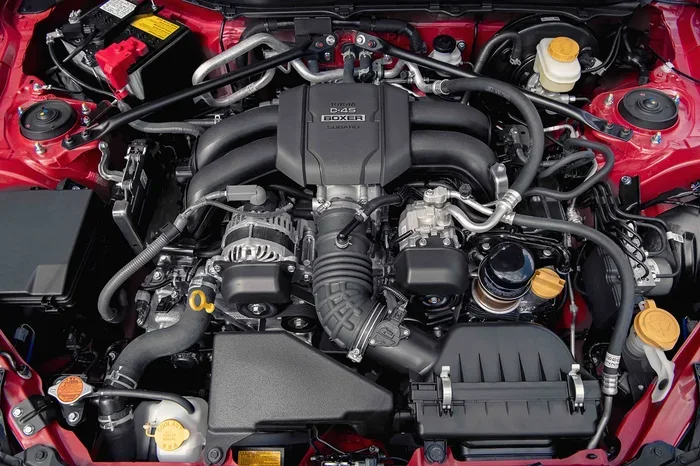
The Toyota 86 has a loyal following for good reason. The FA20 engine is a lightweight, high-revving boxer motor with a cast-iron block and aluminum heads. It was designed with a healthy margin for additional power right from the factory. Many enthusiasts have discovered that this engine responds beautifully to forced induction.
The Boxer Engine Advantage
The flat-four boxer layout gives the 86 a low center of gravity, which helps with handling even after adding a turbo. The engine layout is compact and fits nicely in the 86 engine bay. This means most turbo kits bolt in without requiring major chassis modifications. The bottom end of the FA20 is also stronger than people give it credit for, making it a solid foundation for forced induction builds.
Stock Engine Limitations
The stock FA20 engine in the Toyota 86 produces about 200 horsepower and 151 lb-ft of torque. The internals, including the pistons and connecting rods, are designed to handle this output reliably. However, when you start adding boost, those stock internals become the limiting factor. The factory connecting rods and pistons can handle moderate boost levels, but at higher power outputs, upgrades become necessary. Understanding these limits is crucial before you start planning your build.
If you are curious about how other engine modifications affect drivability, you might want to check out can you drive a car with a misfire to understand what engine problems can feel like before you make any changes.
Types of Turbo Kits Available for the Toyota 86
Not all turbo kits are created equal. The market offers several options ranging from budget-friendly single turbo setups to more advanced twin-scroll configurations. Each has its own pros and cons depending on your goals and budget.
Single Turbo Kits
A single turbo kit is the most common setup for the Toyota 86. These kits use one turbocharger to force air into the engine. They are simpler to install and easier to tune compared to twin-turbo setups. Popular single turbo kits for the FA20 engine come from brands like Garrett, Precision, and BorgWarner. A typical single turbo kit includes the turbo unit, a wastegate, an intercooler, piping, and all the necessary mounting hardware.
Single turbo kits are great for daily drivers because they offer a smooth power curve and are relatively easy to maintain. Most single turbo setups on the 86 can safely produce between 250 and 350 horsepower on stock internals with proper tuning.
Twin-Turbo Kits
Twin-turbo setups use two smaller turbochargers instead of one large unit. This configuration reduces turbo lag and provides quicker spool-up. Twin-turbo kits are more complex to install and require more space in the engine bay. They also tend to be more expensive. However, the power delivery is smoother and more linear, which many enthusiasts prefer for track use.
Twin-turbo setups can push the Toyota 86 well beyond 400 horsepower, but they require stronger engine internals and a more advanced tuning strategy. This is really a build for serious enthusiasts who plan to compete on the track.
Supercharger vs Turbo
Some people consider a supercharger instead of a turbo. A supercharger is belt-driven and provides instant boost without any lag. A turbo uses exhaust gases to spin the compressor, which means there is a slight delay before boost builds. For the Toyota 86, most builders prefer a turbo setup because it is more efficient and offers better top-end power. Superchargers also take up more space in the engine bay and can add parasitic drag to the engine.
How Much Power Can You Really Gain?
The amount of power you can gain depends on several factors, including boost pressure, fuel upgrades, and engine internals. Here is a general breakdown of what to expect at different power levels.
| Power Level | Boost Pressure | Engine Internals | Realistic Goal |
|---|---|---|---|
| Stage 1 | 8-10 psi | Stock | 250-280 hp |
| Stage 2 | 12-15 psi | Upgraded injectors, fuel pump | 300-350 hp |
| Stage 3 | 18-22 psi | Forged pistons, rods, crank | 400+ hp |
| Stage 4 | 25+ psi | Full built motor | 500+ hp |
Most Toyota 86 owners aim for a Stage 1 or Stage 2 build. These levels offer a noticeable power increase while keeping the engine reliable. At Stage 1, you can expect around 250 to 280 horsepower, which is a huge improvement over the stock 200 hp. The car will feel significantly more responsive and exciting to drive.
If you want to push beyond 350 horsepower, you will need to invest in forged internals. The stock pistons and rods in the FA20 engine were not designed to handle that level of cylinder pressure. A built motor with forged components can safely handle 400 to 500 horsepower or more, but this is a much bigger investment.
Before you start modifying the engine, it is worth noting that some states have strict emissions regulations. You should check your local laws before making any changes that affect your vehicle’s emissions systems. Also, if you are considering other car modifications, understanding what affects your car’s performance and legality is always a good step. For example, some owners wonder about can a car run on alcohol as an alternative fuel source, which can also affect engine performance and tuning choices.
Supporting Modifications You Cannot Skip
Throwing a turbo kit onto a stock Toyota 86 without any supporting modifications is a recipe for disaster. The engine needs help managing the extra power and heat that come with forced induction. Here are the key upgrades you should consider.
Fuel System Upgrades
When you add a turbo, the engine burns more fuel. The stock fuel injectors and fuel pump on the FA20 engine are not designed to handle the increased fuel demands. You will need to upgrade to larger injectors, typically in the 550cc to 750cc range depending on your target power level. A high-pressure fuel pump upgrade is also essential to maintain consistent fuel delivery under boost.
Intercooler
An intercooler is critical for any turbo setup. It cools the compressed air coming from the turbo before it enters the engine. Hot air is less dense and can cause detonation, which is bad news for your engine. A front-mount intercooler is the most effective option for the Toyota 86. It provides better cooling performance than a top-mount setup and is easier to maintain.
Engine Management System
The stock engine management system on the Toyota 86 was calibrated for naturally aspirated operation. It cannot properly control a turbocharged engine on its own. You will need an aftermarket engine management system, such as the Haltech, AEM, or Motec units. These systems allow you to adjust ignition timing, fuel delivery, boost control, and other critical parameters. A proper tune is essential for both performance and reliability.
Exhaust System
A free-flowing exhaust system helps the turbo spool faster and reduces backpressure. A downpipe with a high-flow catalytic converter is a key part of this upgrade. The exhaust manifold also plays a role in turbo performance, and some builders opt for an aftermarket header to improve exhaust flow. A good blow-off valve is also important to prevent compressor surge when you lift off the throttle.
Oil Cooling System
Turbocharged engines run hotter than naturally aspirated ones. Adding an oil cooler helps maintain safe oil temperatures, especially during spirited driving or track days. The Toyota 86 has room in the front of the car for an additional oil cooler, making this a relatively easy and worthwhile upgrade.
Intake and Air Filter
A cold air intake system feeds the turbo with cooler, denser air, which improves combustion efficiency and power output. A high-flow air filter replaces the restrictive stock airbox and allows more air to reach the turbo. This is one of the simpler and more affordable upgrades you can make.
One detail that often gets overlooked is oil choice. When running a turbo, the engine oil works harder and breaks down faster. Using a high-quality synthetic oil with the correct viscosity is important. If you are wondering about oil viscosity choices, you might find it helpful to look into can you use 5w 20 instead of 0w 20 to understand how oil weight affects engine performance and protection.
Installation: DIY or Professional?
Installing a turbo kit on a Toyota 86 is a complex job that requires mechanical skill, the right tools, and a lot of patience. Some experienced DIYers tackle the project themselves, while others prefer to hand the work over to a professional shop.
DIY Installation
If you have experience working on engines and are comfortable with fabrication, a DIY turbo install is possible. You will need a lift or jack stands, basic hand tools, and a good understanding of the engine bay layout. The install typically takes two to four weekends depending on your experience level. You will also need access to a dyno and a tuning shop to dial in the setup properly.
The biggest challenges for a DIY install are routing the oil lines and coolant lines to the turbo, getting the intercooler piping to fit without rubbing, and making sure all the electrical connections are secure. Taking your time and double-checking everything before you start the engine is critical.
Professional Installation
Hiring a professional shop to install your turbo kit is the safer and more reliable option for most people. A professional installer has the experience, tools, and access to a dyno to properly set up and tune the engine. They can also spot potential issues before they become expensive problems.
Professional installation costs typically range from $1,500 to $3,000 depending on the shop and the complexity of the kit. This is money well spent if you want peace of mind and a reliable build. A properly installed and tuned turbo kit will last for years and deliver consistent performance gains.
Costs: What Does It Really Cost to Turbo a Toyota 86?
The cost of turbocharging a Toyota 86 varies widely depending on the kit you choose, the supporting mods, and whether you do the work yourself or hire a shop.
- Turbo Kit: $1,500 to $4,000 depending on the brand and type
- Fuel System Upgrades: $500 to $1,500
- Intercooler: $300 to $800
- Exhaust System: $400 to $1,200
- Engine Management and Tuning: $800 to $2,000
- Oil Cooler and Lines: $200 to $500
- Intake System: $150 to $400
- Labor (if professional): $1,500 to $3,000
A complete Stage 1 turbo build with professional installation and tuning can be done for around $4,000 to $6,000. A Stage 2 build with upgraded fuel and supporting mods can push the total to $7,000 or more. And a full built motor with forged internals for a Stage 3 or Stage 4 build can easily exceed $10,000 to $15,000.
The key is to plan your build around your goals and budget. Start with a solid turbo kit and the essential supporting mods, then add upgrades as your power targets grow. This approach keeps costs manageable and ensures that each modification is done properly.
Common Mistakes to Avoid When Turbocharging a Toyota 86
Turbocharging is exciting, but it is easy to make mistakes that can cost you money or even damage your engine. Here are the most common errors that builders make.
- Skipping supporting mods: A turbo kit alone is not enough. Without upgraded fuel, proper tuning, and adequate cooling, you risk engine failure.
- Over-boosting too soon: Running too much boost on stock internals is the fastest way to blow a connecting rod or crack a piston. Increase boost gradually and monitor your engine closely.
- Using low-quality fuel: Forced induction engines are more sensitive to fuel quality. Always use the recommended octane rating or higher to prevent detonation.
- Neglecting oil changes: Turbocharged engines produce more heat and contamination. Change your oil more frequently and use a high-quality synthetic oil.
- Ignoring boost leaks: Even a small boost leak can cause lean conditions and potential engine damage. Pressure-test your intake system before driving.
- Cheap turbo kits: Saving money on a low-quality turbo kit can lead to reliability issues and poor performance. Invest in a reputable brand with good support.
Avoiding these mistakes will save you time, money, and headaches. Take your time with the build, do your research, and do not rush the tuning process.
Real-World Experiences and What Owners Are Saying
The Toyota 86 turbo community is active and passionate. Many owners have shared their build experiences online, and the results are impressive. A typical Stage 1 build with a single turbo kit produces around 260 to 290 horsepower at the wheels, which is a noticeable improvement over the stock 200 hp. Owners report that the car feels much more responsive and fun to drive, especially on winding roads.
Stage 2 builds with upgraded injectors, fuel pump, and a proper tune can reach 320 to 370 horsepower. At this level, the Toyota 86 becomes a genuinely quick car that can compete with much more expensive sports cars. The lightweight chassis and excellent handling balance make it a blast to drive on both the street and the track.
High-horsepower builds above 400 hp require a full engine build with forged internals, but they are achievable. Some dedicated builders have pushed their Toyota 86s past 500 horsepower with twin-turbo setups and full built motors. These are extreme builds, but they prove just how capable the FA20 platform really is.
One thing that owners consistently mention is the importance of proper tuning. A turbo kit without a proper tune is like a car without steering. The engine management system controls everything, and a professional tune ensures that all the parameters are dialed in correctly for safe and reliable power delivery.
Final Thoughts
So, can you turbocharge a Toyota 86? Absolutely. The FA20 boxer engine is a fantastic platform for forced induction, and the aftermarket support for this car is strong. Whether you are aiming for a modest 250 hp daily driver or a 500 hp track weapon, the turbo route is proven and effective.
The key to a successful turbo build is planning. Know your goals, set a realistic budget, and invest in quality parts and professional tuning. Do not skip the supporting modifications, and always respect the limits of the stock engine internals. With the right approach, your Toyota 86 can become something truly special.
The Toyota 86 was already a fun and engaging sports car from the factory. Add a turbo to the mix, and you have a car that delivers an adrenaline rush every time you press the throttle. It is one of the most rewarding builds you can do in the affordable sports car world.
Take your time, do the research, and enjoy the journey. Turbocharging a Toyota 86 is not just about adding horsepower. It is about transforming a great car into something that reflects your passion and vision. And when you finally hear that turbo spool up and feel the surge of power, you will know every hour of work was worth it.
Frequently Asked Questions
Can you turbocharge a Toyota 86 without upgrading the internals?
Yes, you can run a turbo kit on a stock Toyota 86 engine at moderate boost levels. A Stage 1 setup with 8 to 10 psi of boost can safely produce around 250 to 280 horsepower without any internal upgrades. However, if you want to push beyond 350 horsepower, forged pistons, rods, and a stronger crankshaft become necessary to handle the increased cylinder pressure.
How long does it take to install a turbo kit on a Toyota 86?
A DIY turbo installation typically takes two to four weekends depending on your mechanical experience and the complexity of the kit. Professional installation can often be completed in three to five days. The timeline includes removing the stock components, installing the turbo kit, routing oil and coolant lines, and setting up the intercooler and exhaust system.
What is the best turbo kit for a Toyota 86?
The best turbo kit depends on your budget and power goals. Popular options include the Garrett G30-770, Precision 6266, and BorgWarner EFR series. These kits offer a good balance of response, reliability, and power potential. Many builders also recommend kits that include all the necessary components like the wastegate, intercooler, piping, and mounting hardware in one package.
Will turbocharging void my Toyota 86 warranty?
Yes, adding a turbo kit to a Toyota 86 will almost certainly void the manufacturer’s warranty. Any damage caused by forced induction modifications will not be covered under the factory warranty. If your car is still under warranty, consider this carefully before proceeding with a turbo build.
How much boost can a stock Toyota 86 engine handle?
The stock FA20 engine in the Toyota 86 can safely handle around 10 to 12 psi of boost on stock internals. This is enough to produce approximately 250 to 280 horsepower. Going beyond 15 psi on stock internals significantly increases the risk of engine damage, including cracked pistons or failed connecting rods.
Can I use a turbo kit from a Subaru BRZ on my Toyota 86?
Yes, the Toyota 86 and Subaru BRZ share the same FA20 engine, so turbo kits designed for one will generally fit the other. The engine bay layout is nearly identical, and the mounting points are the same. However, always double-check the specific kit’s compatibility and make sure all components are included and properly matched to your target power level.