Car AC Temperature Meter Everything You Need To Know
A car AC temperature meter helps you monitor the air temperature coming from your vehicle’s air conditioning system. Understanding how this tool works can save you money on repairs, keep your cabin cool, and prevent unexpected breakdowns during hot weather. This guide covers everything from basic function to expert maintenance tips.
Driving on a scorching summer day with a broken air conditioner is no fun at all. Your car AC temperature meter is one of the easiest ways to know if your cooling system is working properly. Think of it as a health checkup tool for your vehicle’s car air conditioning system. In this guide, we will walk you through everything you need to know about this handy device.
Whether you are a car enthusiast or just someone who wants a cool ride, understanding your car AC temperature meter can make a huge difference. We will cover how it works, why it matters, common problems, and how to choose the best one for your car. Let us dive right in.
Key Takeaways
- Monitor Your AC Performance: A car AC temperature meter gives you real-time data on how well your system is cooling.
- Save Money on Repairs: Catching temperature irregularities early can prevent costly car AC repair bills down the road.
- Easy to Install: Most automotive thermometers and digital meters are simple to set up without professional help.
- Know When to Replace: Understanding what normal readings look like helps you spot problems fast.
- Boost Comfort: A working car climate control system keeps you and your passengers comfortable on every drive.
- Maintenance Matters: Regular checks extend the life of your car air conditioning system and improve fuel efficiency.
📑 Table of Contents
- What Is a Car AC Temperature Meter?
- How Does a Car AC Temperature Meter Work?
- Why Your Car AC Temperature Meter Matters
- Common Car AC Temperature Meter Problems
- How to Choose the Right Car AC Temperature Meter
- Tips for Maintaining Your Car AC Temperature Meter
- Quick Tips for Car AC Temperature Meter Users
- Expert Insights on Car AC Temperature Monitoring
- Key Takeaways
- Conclusion
What Is a Car AC Temperature Meter?
A car AC temperature meter is a device that measures the temperature of the air coming out of your vehicle’s air vents. It tells you exactly how cold — or warm — your car air conditioning system is performing. Some meters are simple analog gauges, while others are digital displays with precise readings.
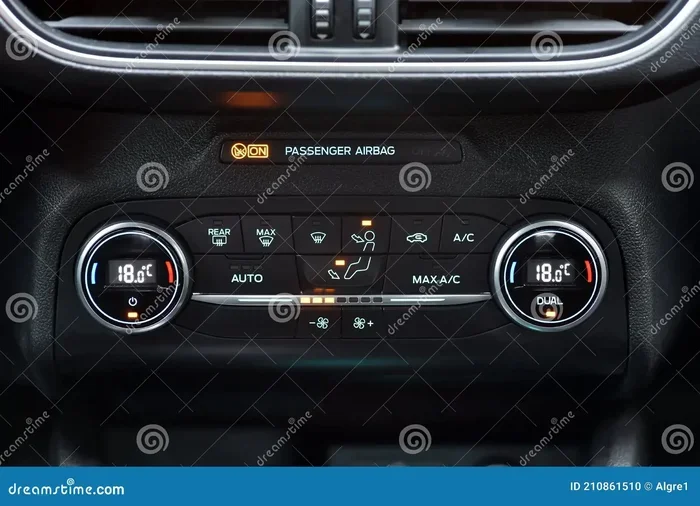
Most modern cars come with a built-in temperature sensor on the dashboard. However, standalone automotive thermometers and aftermarket meters give you a much more detailed look at your cabin temperature. These tools are especially useful for people who rely heavily on car climate control systems.
Types of Car AC Temperature Meters
Not all car AC temperature meters are the same. Here are the most common types you will find on the market:
- Digital Display Meters: These show exact temperature numbers on a screen. They are easy to read and often come with extra features like humidity tracking.
- Analog Gauge Meters: These use a needle and dial to show temperature ranges. They are simple and reliable but less precise than digital options.
- Built-In Dashboard Sensors: Many newer vehicles have temperature sensors integrated into the climate control panel. These act as a built-in temperature gauge for your AC system.
- Smartphone-Connected Meters: Some modern devices connect to your phone via Bluetooth. They give you real-time temperature display readings right on your screen.
Each type has its own benefits. Your choice depends on your budget, your car model, and how much detail you want from your car AC temperature meter.
How Does a Car AC Temperature Meter Work?
Understanding how your car AC temperature meter works is simpler than you might think. The device uses a small sensor to measure the temperature of the air flowing through your vents. This sensor sends data to a display unit, which shows you the current reading.
The Sensor Inside
Most car AC temperature meters use either a thermistor or a thermocouple as their sensing element. A thermistor changes its electrical resistance based on temperature. A thermocouple generates a small voltage when there is a temperature difference. Both methods give accurate readings of your refrigerant temperature and evaporator temperature.
The sensor is usually placed near the AC vent or inside the dashboard area. It captures the air temperature and sends it to the display. This gives you an instant snapshot of how well your car cooling system is performing.
Reading the Numbers
A normal car AC temperature meter reading should show air temperatures between 35°F and 50°F (about 2°C to 10°C) when the AC is on max cool. If your readings are higher than this range, something might be wrong with your ac compressor or ac pressure sensor. If the readings are unstable or jump around, you may have a sensor issue.
Why Your Car AC Temperature Meter Matters
You might wonder why you need a separate car AC temperature meter when your car already has a climate control system. The answer is simple — knowledge is power. A dedicated meter gives you real, objective data about your car AC system performance.
Early Problem Detection
A car AC temperature meter helps you spot problems before they become expensive repairs. For example, if you notice the ac vent temperature is rising slowly over a few weeks, it could mean your refrigerant is low. Catching this early saves you from a full car AC repair later on.
Comfort and Safety
Extreme heat inside a car can be dangerous, especially for children and pets. A working temperature gauge ensures your cabin temperature stays safe and comfortable. You can adjust your car climate control settings with confidence when you know exactly what the air temperature is.
Fuel Efficiency
Believe it or not, a poorly functioning car air conditioning system can hurt your fuel economy. When your AC works harder than it should, your engine uses more fuel. Monitoring your car AC temperature meter helps you keep the system running efficiently, which can save you money at the pump.
Common Car AC Temperature Meter Problems
Like any other car component, your car AC temperature meter can develop issues over time. Here are the most common problems drivers face with their temperature display and what causes them.
Inaccurate Readings
If your car AC temperature meter shows readings that do not match how the air feels, the sensor might be dirty or damaged. Dust and debris can build up on the sensor over time. A quick cleaning with a soft cloth often fixes this issue. If cleaning does not help, the sensor may need replacement.
No Display or Blank Screen
A blank screen on your automotive thermometer usually means a wiring problem or a dead battery in the display unit. Check the connections first. If the wires look fine, try replacing the battery. For built-in dashboard sensors, a blown fuse could be the culprit.
Fluctuating Temperature Readings
Do your temperature numbers jump around randomly? This often happens when the sensor is loose or when there is a problem with your ac pressure sensor. Loose connections cause intermittent signals, which lead to unstable temperature gauge readings. Tightening the sensor or checking the wiring harness usually solves this problem.
Slow Response Time
A good car AC temperature meter should update quickly when you change the AC settings. If your meter is slow to respond, the sensor might be failing. Over time, temperature sensors lose their sensitivity. Replacing the sensor restores fast and accurate readings.
Error Codes on Digital Meters
Digital car AC temperature meters sometimes show error codes. These codes usually point to sensor faults or connection issues. Refer to the user manual that came with your meter. Most error codes are easy to fix with a simple reset or reconnection.
How to Choose the Right Car AC Temperature Meter
Shopping for a car AC temperature meter can be overwhelming with so many options available. Here is what you should look for to make the best choice.
Accuracy
The most important feature of any car AC temperature meter is accuracy. Look for meters that offer precision within ±1°F or ±1°C. Cheap meters with poor accuracy will give you misleading data and defeat the purpose of having a temperature display in the first place.
Display Type
Digital displays are easier to read, especially in low light. Many modern car AC temperature meters come with backlit screens or LED displays. Analog gauges have a classic look but can be harder to read at a glance. Choose based on your personal preference and driving conditions.
Installation Ease
Some automotive thermometers require professional installation, while others are plug-and-play. If you are handy with basic car tools, a DIY-friendly meter saves you money. Look for meters that come with clear instructions and standard mounting hardware.
Extra Features
Many car AC temperature meters now include bonus features like humidity readings, memory functions, and Bluetooth connectivity. A smartphone-connected meter lets you track your car climate control data over time. These extras are nice to have but not essential. Focus on core accuracy and reliability first.
Price Range
You can find basic car AC temperature meters for as little as $15 to $30. Mid-range digital meters with better accuracy cost between $40 and $80. Premium models with smart features can go above $100. Set a budget based on how much detail you need from your car air conditioning system monitoring.
Tips for Maintaining Your Car AC Temperature Meter
Taking care of your car AC temperature meter ensures it gives you reliable readings for years. Here are some simple maintenance tips that make a big difference.
Keep the Sensor Clean
Dust and dirt can build up on the sensor and affect accuracy. Wipe the sensor gently with a soft, dry cloth every few weeks. Avoid using harsh chemicals that could damage the sensor surface.
Check Connections Regularly
Loose wires cause inaccurate temperature gauge readings. Every few months, check that all connections to your car AC temperature meter are secure. A quick inspection takes only a few minutes and prevents many common problems.
Replace Batteries on Time
If your meter runs on batteries, replace them before they die completely. A weak battery can cause flickering displays and erratic temperature display readings. Keep spare batteries in your glove box for emergencies.
Calibrate Your Meter
Over time, any car AC temperature meter can drift out of calibration. Most digital meters have a calibration function in the settings menu. If yours does not, compare its readings with a known accurate thermometer to check for drift. Recalibrate or replace when needed.
Protect from Extreme Heat
Your meter sits in a hot environment near your dashboard. Prolonged exposure to extreme heat can damage internal electronics. If possible, use a sunshade on your windshield to reduce interior temperatures and protect your car climate control monitoring devices.
Know When to Upgrade
Technology improves fast. If your car AC temperature meter is more than five years old, consider upgrading to a newer model with better sensors and smart features. A modern automotive thermometer gives you more data and better accuracy than older models.
Quick Tips for Car AC Temperature Meter Users
- Check your readings at least once a month to stay on top of your car AC system health.
- Compare vent temperatures on both sides of the car to spot uneven cooling issues.
- Note seasonal changes in your temperature gauge to understand how your car cooling system performs in different weather.
- Keep a log of your ac vent temperature readings to track trends over time.
- Clean the sensor before long road trips to ensure accurate data throughout your journey.
Expert Insights on Car AC Temperature Monitoring
Automotive experts agree that monitoring your car AC temperature meter is one of the simplest ways to extend the life of your car air conditioning system. According to seasoned mechanics, most car AC repair issues start with small temperature changes that go unnoticed. A dedicated temperature display catches these early warning signs.
Experts also recommend pairing your car AC temperature meter with regular refrigerant checks. When your refrigerant temperature drops below normal levels, it often means you have a slow leak. Fixing a small leak early is far cheaper than replacing a completely failed ac compressor.
Another pro tip from experienced technicians: always check your evaporator temperature alongside your vent readings. The evaporator is the core component that makes cold air. If your car AC temperature meter shows normal vent temperatures but the evaporator is not cold, the problem lies deeper in the system. This kind of insight can save you hours of guesswork and unnecessary part replacements.
Key Takeaways
- Monitor Your AC Performance: A car AC temperature meter gives you real-time data on how well your system is cooling.
- Save Money on Repairs: Catching temperature irregularities early can prevent costly car AC repair bills down the road.
- Easy to Install: Most automotive thermometers and digital meters are simple to set up without professional help.
- Know When to Replace: Understanding what normal readings look like helps you spot problems fast.
- Boost Comfort: A working car climate control system keeps you and your passengers comfortable on every drive.
- Maintenance Matters: Regular checks extend the life of your car air conditioning system and improve fuel efficiency.
Conclusion
A car AC temperature meter is one of the most underrated yet useful tools you can have for your vehicle. It gives you clear, real-time information about how well your car air conditioning system is working. From catching small problems early to keeping your cabin comfortable on hot days, the benefits are hard to ignore.
Whether you choose a simple analog gauge or a smart digital meter with Bluetooth connectivity, the key is to use it regularly. Monitor your ac vent temperature, keep your sensor clean, and replace batteries on time. These small habits go a long way in protecting your car climate control system and your wallet.
Take a few minutes today to check your car AC temperature meter readings. If something looks off, address it early. Your future self — and your cool, comfortable rides — will thank you for it.
Frequently Asked Questions
What is a car AC temperature meter used for?
A car AC temperature meter measures the temperature of the air coming out of your vehicle’s air vents. It helps you monitor how well your car air conditioning system is cooling and detect problems early before they become expensive repairs.
How accurate are car AC temperature meters?
Most quality car AC temperature meters are accurate within ±1°F or ±1°C. Digital meters tend to be more precise than analog gauges. Always check the product specifications before buying to ensure you get reliable temperature display readings.
Can I install a car AC temperature meter myself?
Yes, many automotive thermometers are designed for easy DIY installation. Plug-and-play models require no special tools or professional help. Just follow the included instructions and make sure your connections are secure for accurate car AC temperature meter readings.
What should my car AC temperature meter read when the AC is on max cool?
A healthy car AC system should produce air temperatures between 35°F and 50°F (2°C to 10°C) at the vents when on max cool. If your ac vent temperature is higher than this range, it may indicate low refrigerant or a problem with your ac compressor.
How often should I check my car AC temperature meter?
Experts recommend checking your car AC temperature meter at least once a month. Regular monitoring helps you spot trends and catch small issues before they turn into major car AC repair needs. It only takes a few seconds and saves you money in the long run.
Can a bad car AC temperature meter affect my car’s AC system?
A faulty temperature gauge will not directly damage your car air conditioning system, but it can give you wrong information. This means you might not notice a real problem until it gets worse. Always replace a malfunctioning car AC temperature meter promptly to ensure accurate monitoring.