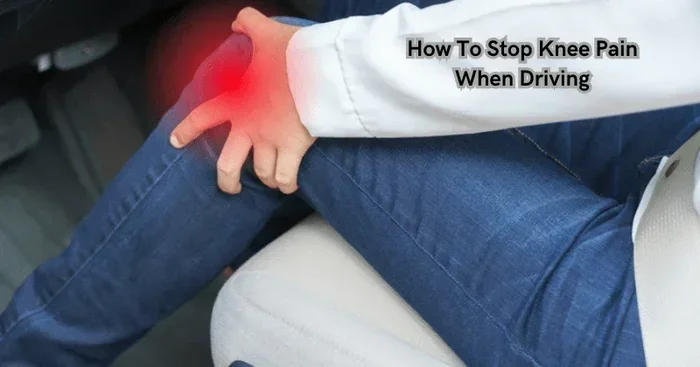
Why Car Driving Knee Pain Happens And How To Stop It
Car driving knee pain happens because of poor seat position, too much pedal pressure, and long hours on the road. You can stop it by adjusting your seat correctly, taking regular breaks, and doing simple knee stretches. This guide gives you everything you need to know to drive without knee pain.
You step out of the car after a long drive, and there it is. That dull ache. That sharp stab. Car driving knee pain hits different for everyone, but the result is the same: you feel miserable. Maybe it started as a minor annoyance. Maybe it has gotten worse over time. Either way, knee pain from driving is something you should not ignore.
The truth is, your knee was not designed to stay bent at a fixed angle for hours. Your car seat forces your knee into a position that puts constant pressure on the joint, the ligaments, and the muscles around it. Add in bad posture, a seat that is too far or too close, and long trips, and you have a recipe for serious driving knee discomfort.
The great thing is that most car driving knee pain cases are easy to fix. You do not need surgery. You do not need expensive treatments. You just need to understand what is causing the pain and make a few changes. This article will walk you through every cause, every fix, and every exercise that can help you get back to pain-free driving.
Key Takeaways
- Seat position is everything: A poorly adjusted driver seat is the number one cause of car driving knee pain.
- Breaks matter: Sitting in the same position for hours puts too much pressure on your knee joint and surrounding muscles.
- Stretches help fast: A few simple driving knee stretches can relieve pain and improve flexibility on the road.
- Know the type of pain: Front, back, or side knee pain each has a different cause and requires a different fix.
- See a doctor if it persists: Chronic or sharp knee pain while driving could signal a deeper issue that needs professional care.
- Small changes add up: Even minor seat adjustments and posture tweaks can make a huge difference in driver knee pain relief.
📑 Table of Contents
What Causes Car Driving Knee Pain?
Understanding the root cause is the first step to finding relief. Car driving knee pain does not just happen randomly. There is always a reason behind it. Let us look at the most common causes of knee pain while driving.
The Driver Seat Position Problem
This is the biggest culprit behind driver knee pain. When your seat is too far forward, your knee bends too much. When it is too far back, your leg stretches out and your knee locks. Both positions put unnatural stress on the joint. Right knee pain from driving and left knee pain from driving often trace back to the same seat problem.
Your knee should be slightly bent when your foot is on the pedal. If your leg is fully extended or bent at a sharp angle, your car seat position knee alignment is off. Over time, this misalignment leads to inflammation, stiffness, and pain.
How Pedal Pressure Affects Your Knee
Every time you press the gas or brake pedal, your knee absorbs the force. If you drive a lot, especially in heavy traffic, you are repeating this motion hundreds of times. This constant pedal knee pain can wear down the cartilage and irritate the tendons around the knee.
People who drive automatic cars often press the brake with their left foot or rest their foot on the pedal even when not braking. This keeps the knee in a tense position the entire time. The result is knee pain when braking that gets worse the longer you drive.
Poor Driving Posture and Its Impact on Knees
Slouching in your seat changes the way your weight distributes through your legs. Bad driving posture knee strain happens because your hips tilt backward, which pushes your knees into an unnatural angle. This also affects your driving knee position and can cause pain in the front, back, or sides of the knee.
Many drivers also sit too close to the steering wheel. This forces your knees up toward the dashboard and compresses the front of the knee joint. Over weeks and months, this driving knee compression can lead to chronic discomfort.
Common Types of Knee Pain From Driving
Not all car driving knee pain feels the same. The location and type of pain can tell you a lot about what is wrong. Here are the most common types of knee pain while driving and what they mean.
Front Knee Pain (Anterior Knee Pain)
This is the most common type of driver knee pain. If you feel pain at the front of your knee, especially around the kneecap, it is likely caused by the seat pressing too hard against the back of your knee. This is sometimes called anterior knee pain driving. It happens when the angle of your knee forces the kneecap to press against the femur bone.
People who drive for a living, like truck drivers or delivery drivers, often experience this type of pain. The constant bent-knee position wears down the soft tissue in front of the joint over time.
Back-of-Knee Pain
Pain behind the knee is often linked to a seat that is too close or too far forward. When the seat pushes against the back of your knee, it can compress the popliteal artery and nerves. This type of knee pain behind knee driving can cause swelling, numbness, and a tight feeling in the back of the leg.
Sciatica driving knee pain is another cause of back-of-knee discomfort. When a nerve in your lower back gets pinched, the pain can travel down your leg and settle right behind the knee. If you feel a burning or tingling sensation along with the pain, this could be the cause.
Inner and Outer Knee Pain
Pain on the inside or outside of the knee is often related to how your foot rests on the pedals. If your foot is turned inward or outward while pressing the pedal, it puts extra stress on the medial knee pain driving or lateral side of the joint. This can irritate the ligaments and cause inner knee pain from driving that gets worse over time.
Weak thigh muscles also play a role here. When your quadriceps are not strong enough to support the knee, the ligaments on the sides of the joint pick up the extra load. This leads to outer knee pain driving and can feel like a sharp or pulling sensation.
Comparison: Common Knee Pain Types and Their Causes
| Pain Location | Most Likely Cause | Who Gets It | Best Fix |
|---|---|---|---|
| Front of knee | Seat pressing on back of knee | Daily commuters, delivery drivers | Adjust seat distance and angle |
| Back of knee | Seat too close, nerve compression | Long-distance drivers | Move seat back, stretch hamstrings |
| Inner knee | Foot turning inward on pedals | Drivers with flat feet | Use foot supports, strengthen quads |
| Outer knee | Weak thigh muscles, poor alignment | Older drivers, sedentary workers | Strengthening exercises, knee brace |
Who Is Most at Risk for Driving Knee Pain?
Car driving knee pain can affect anyone, but some people are more likely to experience it. Knowing if you are in a high-risk group can help you take action early.
Long-distance drivers are at the top of the list. If you spend more than two hours a day behind the wheel, your knees are under constant strain. Commercial truck drivers, taxi drivers, and delivery workers often deal with chronic knee pain driving because of the hours they spend in a fixed position.
Older adults are also more vulnerable. As we age, the cartilage in our knees wears down, and the joints become less flexible. What used to be a short drive can now cause hours of knee pain after driving for someone over 50.
People who are overweight carry extra pressure on their knee joints. Sitting in a car for a long time with that extra weight makes the pain worse. Overweight knee pain driving is a real issue that many people do not talk about.
Finally, people with pre-existing knee conditions like arthritis, meniscus tears, or patellar tendinitis driving are more likely to feel pain behind the wheel. Even a short trip can trigger a flare-up if the seat position is not right.
How to Prevent Knee Pain While Driving
The best way to deal with car driving knee pain is to stop it from happening in the first place. Prevention is simple, and it starts with your seat and your habits.
Adjust Your Seat Correctly for Knee Comfort
Your seat position has a huge impact on your knees. Here is how to get it right:
- Move the seat back: You should be able to fully press the pedals without your knee locking straight. There should always be a slight bend in your knee.
- Raise the seat height: Your hips should be at least as high as your knees. This opens up the angle at the knee and reduces pressure on the front of the joint.
- Recline the back slightly: A seat that is too upright forces your knees forward. A slight recline of about 100 degrees takes the pressure off.
- Use a seat cushion: A memory foam driving cushion can help align your hips and reduce the angle at your knees. It also absorbs vibration that can make knee pain worse driving.
Take Breaks and Stretch Regularly
Sitting in the same position for hours is one of the worst things you can do for your knees. Every 45 to 60 minutes, pull over and take a short break. Get out of the car, walk around, and do a few driving knee stretches. This gets blood flowing back into the joint and relieves the pressure that builds up during long drives.
Even a two-minute break can make a big difference. Set a timer on your phone if you need to remind yourself. Knee pain relief driving starts with simple habits like these.
Quick Tips to Reduce Knee Pain Behind the Wheel
- Do not rest your foot on the clutch or brake pedal when you are not using it.
- Use a footrest if your seat is too high and your feet do not reach the pedals comfortably.
- Wear comfortable, flat shoes while driving. Thick soles can press your knee into an awkward angle.
- Keep a driving knee brace in your car if you have a history of knee problems. It provides extra support during long drives.
- Apply a knee pain remedy driving like a warming pad or anti-inflammatory cream during breaks.
Common Mistakes That Make Driving Knee Pain Worse
Many drivers unknowingly make things worse. Here are the most common mistakes:
- Sitting too close to the steering wheel: This forces your knees up and compresses the front of the joint.
- Ignoring the pain: Pushing through car driving knee pain can lead to chronic issues that are much harder to fix later.
- Skipping stretches: Your muscles get stiff from sitting. Without regular movement, the pain will keep coming back.
- Driving with your seat all the way back: This over-stretches your knee and puts tension on the ligaments behind the joint.
- Using the wrong shoes: Thick boots or high heels change how your foot sits on the pedal and throw off your knee alignment.
Best Exercises and Stretches for Driving Knee Pain
Driving knee exercises are one of the most effective ways to prevent and relieve car driving knee pain. You do not need a gym or any equipment. These simple moves can be done at home or even in the car during a break.
Seated Knee Extension
Sit on a chair with your feet flat on the floor. Slowly straighten one leg out in front of you until it is parallel with the ground. Hold for five seconds, then lower it back down. Do 10 reps on each leg. This strengthens the quadriceps and takes pressure off the knee joint.
Standing Quad Stretch
Stand next to a wall for balance. Bend one knee and grab your ankle behind you, pulling your heel toward your buttock. Hold for 20 seconds. This stretches the front of the thigh and relieves tightness that contributes to front knee pain driving.
Hamstring Stretch While Sitting
Sit on the edge of a chair. Extend one leg straight out with your heel on the floor. Lean forward gently from your hips until you feel a stretch in the back of your thigh. Hold for 20 seconds. This helps with back knee pain driving by loosening the hamstrings that pull on the knee joint.
Figure-Four Stretch for Outer Knee Pain
Sit on a chair. Cross one ankle over the opposite knee to form a figure-four shape. Gently press down on the raised knee until you feel a stretch in the outer hip and knee. Hold for 20 seconds. This is great for outer knee pain driving and helps open up the hip joint.
Heel Slides for Knee Mobility
Lie on your back with your legs straight. Slowly slide one heel toward your buttock, bending the knee as far as is comfortable. Then slide it back out. Do 10 reps on each side. This improves the range of motion in the knee and reduces stiffness from long drives.
Doing these driving knee stretches for just five to ten minutes a day can make a huge difference in how your knees feel after a drive. Consistency is key. The more regularly you do them, the more relief you will feel.
When to See a Doctor About Driving Knee Pain
Most cases of car driving knee pain get better with simple fixes. But sometimes, the pain is a sign of something more serious. You should see a doctor if you experience any of the following:
- Sharp or stabbing pain that does not go away with rest or stretching.
- Swelling around the knee that gets worse after driving.
- Locking or clicking in the knee joint that makes it hard to straighten or bend your leg.
- Numbness or tingling in your knee, leg, or foot that travels down from your lower back.
- Pain that wakes you up at night or interferes with daily activities beyond driving.
- Chronic knee pain driving that lasts more than two weeks despite making seat adjustments and doing stretches.
A doctor can check for conditions like patellar tendinitis driving, meniscus tears, or nerve compression that may be causing your knee pain while driving. Early diagnosis leads to better outcomes, so do not wait too long to seek help.
Physical therapy is another great option. A physiotherapist can design a driving knee exercise plan tailored to your specific pain and teach you how to adjust your driving posture to avoid future problems. Many people find that just a few sessions of physical therapy completely changes how they feel after a drive.
Final Thoughts on Car Driving Knee Pain
Car driving knee pain is common, but it is also very manageable. The key is to take it seriously before it becomes a chronic problem. Start by checking your seat position. Make sure your knee has a slight bend and your hips are at the right height. Take regular breaks on long drives and do a few simple stretches to keep your knees loose and flexible.
Pay attention to the type of pain you feel. Front knee pain, back-of-knee pain, or side knee pain each has a different cause and a different solution. Use the tips in this guide to figure out what is triggering your driving knee discomfort and take action to fix it.
Remember, your knees work hard every day. They carry your weight, they bend, they twist, and when you drive, they stay in one position for a long time. Give them the care they deserve. With the right seat setup, a few simple habits, and regular driving knee stretches, you can say goodbye to car driving knee pain and get back to enjoying the open road.
Do not let knee pain keep you from driving comfortably. Make the changes today. Your knees will thank you tomorrow.
Frequently Asked Questions
What causes knee pain after driving for a long time?
Car driving knee pain after long drives is usually caused by sitting in a fixed position for too long, poor seat alignment, or too much pressure on the pedals. The constant bent-knee position reduces blood flow and puts stress on the joint, leading to stiffness and pain.
How can I stop my knee from hurting while driving?
Adjust your seat so your knee stays slightly bent, take breaks every 45 to 60 minutes, and do simple stretches like seated knee extensions and hamstring stretches. A driving knee brace or seat cushion can also help reduce knee pain while driving.
Is right knee pain from driving a sign of a serious problem?
Most of the time, right knee pain from driving is caused by seat position or pedal pressure and is not serious. But if the pain is sharp, causes swelling, or lasts more than two weeks, you should see a doctor to rule out a meniscus tear or other knee injury.
What is the best knee brace for driving?
A lightweight driving knee brace with open patella support works well for most drivers. It keeps the kneecap aligned and reduces pressure on the joint. Look for a brace that is comfortable enough to wear for long periods without restricting movement.
Can bad posture while driving cause knee pain?
Yes, bad driving posture knee strain is a real issue. Slouching or sitting too close to the steering wheel changes how your weight is distributed through your legs and puts extra stress on the knee joint. Fixing your posture and seat position can significantly reduce driver knee pain.
Are there exercises I can do in the car to relieve knee pain?
Yes, you can do ankle pumps, seated knee extensions, and gentle heel slides during breaks. These driving knee exercises keep the joint mobile and improve blood flow, which helps with knee pain relief driving and prevents stiffness from building up.
=== CONCLUSION ===
Car driving knee pain does not have to be part of your daily life. With the right seat position, regular breaks, and a few simple stretches, you can drive for hours without discomfort. The fixes in this guide are easy, free, and work fast. Start today, and your knees will feel better on your very next drive.