Car Driving Tips for Beginners to Drive Safe and Smart
Learning to drive can feel overwhelming, but the right car driving tips for beginners make the journey much easier and safer. This guide covers everything from basic car controls to defensive driving techniques that will help new drivers stay confident on the road. Whether you are just starting lessons or recently got your license, these tips will set you up for success.
Driving a car for the first time can feel scary and exciting at the same time. The steering wheel in your hands, the road stretching ahead, and the thought of handling traffic all at once is a lot. But here is the good news. car driving tips for beginners can turn that nervous feeling into real confidence. Whether you are sitting behind the wheel for your very first time or you have been practicing for a few weeks, the right knowledge makes all the difference.
This guide is packed with practical, easy-to-follow advice that covers everything from basic car controls to handling tricky road situations. You will learn how to set up your car properly, how to stay safe in different driving conditions, and the common mistakes almost every new driver makes. The goal is simple. Help you become a safe, smart, and confident driver from day one. So let us get started.
Key Takeaways
- Master the basics first: Understanding your car’s controls, mirror setup, and seating position builds a strong foundation for safe driving.
- Defensive driving saves lives: Staying alert, maintaining distance, and anticipating hazards are essential beginner driver safety habits.
- Practice in varied conditions: Driving in different weather, times of day, and traffic levels builds real-world confidence and skills.
- Avoid common mistakes: Speeding, distracted driving, and poor lane discipline are top errors new drivers should fix early.
- Build confidence gradually: Start with quiet roads and work up to highways and busy city streets at your own pace.
- Stay calm and focused: Managing stress and emotions behind the wheel leads to smarter, safer decisions on the road.
📑 Table of Contents
- Getting Ready Before You Turn the Key
- Mastering the Basics of Car Control
- Navigating Roads with Confidence
- Defensive Driving Techniques Every Beginner Should Know
- Handling Different Driving Conditions
- Common Mistakes Beginners Make (and How to Avoid Them)
- Building Long-Term Confidence Behind the Wheel
- Final Thoughts
Getting Ready Before You Turn the Key
Before you even start the engine, there are a few things you should do. These small steps might seem simple, but they set the tone for your entire drive. Skipping them can lead to discomfort, poor visibility, and even safety risks. Make these habits part of your routine every single time you get behind the wheel.
Adjust Your Seat and Mirrors Properly
Your seating position affects everything. Your reach to the pedals, your view of the road, and your comfort level all depend on how you sit. Start by adjusting your seat so your feet can comfortably reach the pedals without stretching. Your knees should be slightly bent when you press the brake all the way down.
Next, set your mirrors. The rearview mirror should give you a full view through the back window. Your side mirrors should be angled so you barely see the side of your car. This reduces blind spots and helps you spot other vehicles, cyclists, and pedestrians more easily. Many beginners skip this step, and it is one of the biggest beginner driver safety oversights.
Buckle Up and Remove Distractions
Always wear your seatbelt. It is the simplest and most effective safety device in any vehicle. Make sure all passengers do the same before you start moving.
Remove distractions before you drive. Put your phone on silent or in a bag. Set up your GPS or music playlist before you turn the key. Eating, adjusting the radio while driving, and scrolling through your phone are all dangerous habits. safe driving habits start with eliminating distractions the moment you sit down.
Do a Quick Walk-Around Check
Walk around your car before you get in. Check your tires for proper air pressure and any visible damage. Look under the car for fluid leaks. Make sure your headlights, brake lights, and turn signals are working. This quick check takes less than two minutes but can prevent problems later on the road.
Quick Tips
- Adjust your seat so your arms have a slight bend when holding the steering wheel at the top.
- Set your mirrors every time you drive, especially if someone else adjusted them.
- Keep your phone out of reach until you park.
- Check tire pressure at least once a month.
Mastering the Basics of Car Control
Understanding how your car works is the foundation of good driving. You do not need to be a mechanic, but knowing the basic controls and how to use them smoothly will make your driving experience much safer and more enjoyable. These driving lessons for beginners essentials are worth practicing until they feel natural.
Understanding the Pedals
Most cars have three pedals from left to right: the clutch (in manual cars), the brake, and the accelerator. In automatic cars, there are only two pedals: the brake and the accelerator. The accelerator is on the right, and the brake is in the middle. Never mix them up.
When you first start driving, practice pressing the brake gently. Slamming on the brake is a habit many new drivers develop, and it can cause sudden stops that surprise the driver behind you. Smooth, controlled braking is a key part of car control basics.
Steering Wheel Control
Hold the steering wheel with both hands at the 9 and 3 o’clock positions. This gives you the best control and reduces arm fatigue. Avoid crossing your hands over the wheel, especially at higher speeds. Smooth, gentle turns are better than sharp, jerky movements.
If you find yourself gripping the wheel too tightly, consciously relax your hands. Tension in your arms makes steering harder and slows down your reaction time. steering wheel control is one of those skills that improves with practice and awareness.
The Importance of Smooth Acceleration
When you press the accelerator, do it gradually. Jerky acceleration wastes fuel, wears out your car, and can unsettle the vehicle. Smooth acceleration also makes your ride more comfortable for passengers and helps you maintain better control.
A good rule of thumb is to press the accelerator as if you have an egg under your foot. You want to press gently enough that you do not break it. This mental image helps many new drivers develop a lighter touch on the pedal.
Navigating Roads with Confidence
Once you understand the basic controls, it is time to hit the road. Navigating different types of roads and traffic situations can feel intimidating at first, but with the right approach, it becomes much easier. These road safety tips will help you handle real-world driving scenarios with greater ease.
Starting on Flat Roads Before Hills
If you are a complete beginner, start driving on flat, quiet roads. Avoid steep hills and busy intersections until you feel more comfortable. Flat roads let you focus on steering, braking, and accelerating without the added challenge of hills.
Once you feel confident on flat roads, practice on gentle inclines. This helps you learn how to use the brake and accelerator on slopes, which is essential for everyday driving. Gradual progression is the key to building real driving confidence.
Reading Traffic Signs and Signals
Traffic signs and signals are your guide on the road. Learn the basic signs first. Stop signs, yield signs, speed limit signs, and turn signals are the most common ones you will encounter. Make it a habit to read signs well ahead of time so you can prepare for turns, lane changes, and stops.
Do not wait until the last second to react. If you see a stop sign or a red light ahead, start slowing down early. This gives the driver behind you more time to react and keeps your ride smooth. Understanding traffic rules for new drivers is one of the most important steps in becoming a competent driver.
Lane Discipline and Lane Changing
Stay in your lane as much as possible. Drifting between lanes is one of the most common mistakes beginners make. Before changing lanes, check your mirrors, signal your intention, and glance over your shoulder to check your blind spot.
Lane changing should be a smooth, deliberate action. Do not rush it. Wait for a safe gap in traffic, signal, and move over calmly. Practicing lane changing tips in low-traffic areas first will help you build the habit safely.
Beginner Driving Progression Guide
| Stage | Road Type | Traffic Level | Focus Area |
|---|---|---|---|
| Stage 1 | Parking lots, quiet streets | Very low | Basic controls, steering, braking |
| Stage 2 | Residential roads | Low | Lane discipline, traffic signs |
| Stage 3 | Main roads, avenues | Moderate | Lane changing, intersections |
| Stage 4 | Highways, freeways | Higher | Speed management, merging |
| Stage 5 | Busy city streets | High | Heavy traffic, complex intersections |
Defensive Driving Techniques Every Beginner Should Know
Defensive driving techniques are about anticipating problems before they happen. Instead of just reacting to what other drivers do, you learn to predict what might happen next. This approach is one of the most valuable beginner driver safety skills you can develop.
Maintain a Safe Following Distance
Keep at least a three-second gap between your car and the vehicle ahead of you. Pick a fixed object on the road, like a sign or a tree. When the car in front passes it, count to three. If you reach the object before you finish counting, you are too close.
This gap gives you time to react if the car ahead stops suddenly. In bad weather or at higher speeds, increase this gap to four or five seconds. following distance management is one of the simplest yet most effective defensive driving techniques you can use.
Scan the Road Ahead Constantly
Do not stare at the car directly in front of you. Look ahead, to the sides, and in your mirrors frequently. Scanning the road helps you spot potential hazards early, such as a child running into the street, a car pulling out of a driveway, or a pedestrian stepping off a curb.
Experienced drivers scan the road about 12 to 15 seconds ahead. As a beginner, start with 6 to 8 seconds and build from there. This habit of road awareness will dramatically improve your reaction time and decision-making.
Expect the Unexpected
Always assume that other drivers might make mistakes. A car might run a red light. A pedestrian might step into the road without looking. A truck might change lanes without signaling. When you expect the unexpected, you are always ready to react.
This mindset shift is at the heart of defensive driving techniques. It keeps you calm, alert, and prepared. Over time, this becomes second nature and is one of the best ways to protect yourself on the road.
Expert Insight
According to driving safety experts, the biggest advantage new drivers have is their awareness of being new. Use that awareness to your benefit. Drive at a comfortable speed, avoid peer pressure to take risks, and always trust your instincts. If something feels unsafe, slow down or pull over.
Handling Different Driving Conditions
Not every drive happens in perfect conditions. Rain, darkness, and heavy traffic are all part of real-world driving. Learning how to handle these situations early on will save you from surprises and keep you safe. These driving safety tips cover the most common challenging conditions.
Driving in the Rain
Rain makes roads slippery and reduces visibility. When it starts to rain, slow down and increase your following distance. Turn on your headlights so other drivers can see you more easily.
Avoid sudden braking or sharp turns on wet roads. The reduced traction means your tires have less grip, and sudden movements can cause sliding. If the rain is very heavy and visibility drops to almost zero, pull over safely and wait for it to pass. weather driving conditions require extra caution and slower speeds.
Night Driving Safety
Driving at night is harder because you cannot see as far ahead. Use your headlights properly. Low beams are for normal night driving, and high beams are for dark, open roads when there is no oncoming traffic.
Reduce your speed at night. The distance you can see is limited, so you need more time to react to obstacles, animals, or pedestrians. Clean your windshield and mirrors before driving at night to reduce glare. night driving safety is an essential skill that every beginner should practice early.
Driving in Heavy Traffic
Heavy traffic can be stressful, especially for new drivers. The key is to stay calm and keep a steady speed. Leave plenty of space between you and the car ahead, and avoid weaving in and out of lanes.
Watch for pedestrians and cyclists in traffic. They can appear suddenly, especially near crosswalks and intersections. Stay focused and avoid the temptation to use your phone or get distracted. speed management in heavy traffic means matching the flow of traffic while staying within the speed limit.
Quick Tips for Challenging Conditions
- In rain, turn on your headlights and reduce speed by 10 to 15 mph.
- At night, clean your windshield and adjust your mirrors to reduce glare.
- In heavy traffic, resist the urge to change lanes frequently.
- In fog, use low beams and fog lights if your car has them.
- In snow or ice, drive much slower and brake gently.
Common Mistakes Beginners Make (and How to Avoid Them)
Every new driver makes mistakes. That is completely normal. The goal is to learn from them and avoid repeating them. Understanding the most common errors helps you stay ahead of the curve and become a safer driver faster.
Speeding and Poor Speed Management
Speeding is one of the leading causes of accidents among new drivers. It is tempting to go a little faster, especially when you feel confident or when traffic is moving quickly. But speed limits are there for a reason. They are based on road conditions, visibility, and traffic patterns.
Always drive at or below the speed limit, especially in residential areas, school zones, and construction zones. If you feel pressured by traffic to go faster, remember that arriving a few minutes early is not worth the risk. speed management is one of the most important car driving tips for beginners you will ever learn.
Distracted Driving
Distracted driving is dangerous for drivers of all ages, but it is especially risky for beginners who are still building their skills. Texting, eating, adjusting the radio, and even talking to passengers can take your attention away from the road.
Put your phone away before you start driving. If you need to adjust something, pull over first. Your full attention should always be on the road and the cars around you. distracted driving prevention starts with making a conscious choice to stay focused.
Ignoring Blind Spots
Your mirrors do not show everything. There are areas around your car that are not visible in the mirrors, known as blind spots. Before changing lanes or turning, always glance over your shoulder to check these areas.
Many accidents happen because a driver checks the mirror but forgets the blind spot. Make it a habit to do a quick shoulder check every time. This small action can prevent serious collisions and is one of the most overlooked beginner driver safety practices.
Common Mistakes at a Glance
| Mistake | Why It Happens | How to Fix It |
|---|---|---|
| Speeding | Feeling confident or pressured by traffic | Stick to speed limits and drive at a safe speed |
| Tailgating | Not understanding safe following distance | Keep a three-second gap minimum |
| Hard braking | Not looking far enough ahead | Scan the road and brake gently and early |
| Ignoring mirrors | Forgetting to check them regularly | Check mirrors every 5 to 8 seconds |
| Distracted driving | Phone use, eating, or adjusting controls | Remove distractions before driving |
Building Long-Term Confidence Behind the Wheel
Becoming a confident driver does not happen overnight. It takes time, practice, and patience. The more you drive, the more comfortable you will become. But how you practice matters just as much as how much you practice.
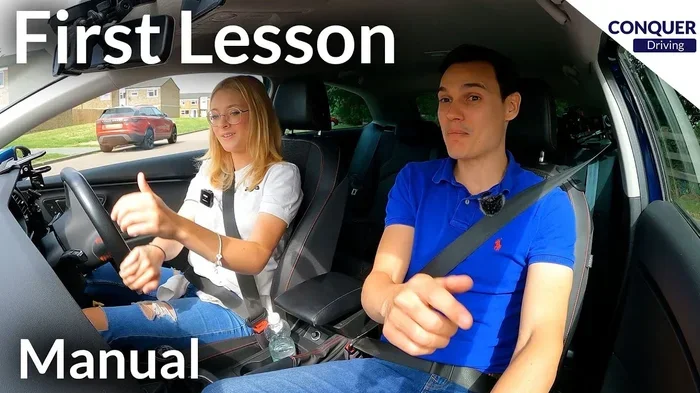
Practice With a Trusted Passenger
Having an experienced driver in the passenger seat can make a huge difference. They can give you real-time feedback, help you stay calm, and point out things you might miss. Choose someone patient and supportive, not someone who will make you feel nervous or rushed.
A good practice partner helps you build driving confidence in a safe, encouraging environment. Over time, you will find that you need less guidance and can handle situations on your own.
Keep Practicing Different Scenarios
Do not limit yourself to the same route every time. Practice driving on different types of roads, at different times of day, and in different weather conditions. This variety helps you adapt to real-world situations and builds a well-rounded skill set.
Try practicing highway merging, navigating roundabouts, and driving in heavy rain. Each new scenario adds to your experience and makes you a more capable driver. driver education does not stop after you get your license. It is a lifelong process of learning and improving.
Know When to Take a Break
Feeling tired, stressed, or angry? Do not drive. Fatigue and strong emotions seriously affect your ability to focus and make good decisions. If you feel overwhelmed, pull over in a safe spot, take a few deep breaths, or take a short break.
Your mental state matters just as much as your driving skills. managing stress and emotions behind the wheel is a key part of becoming a mature, responsible driver. A calm mind leads to better reactions and smarter choices on the road.
Final Thoughts
Learning to drive is one of the most empowering skills you will ever develop. It gives you freedom, independence, and the ability to go wherever you want, whenever you want. But with that freedom comes responsibility. Every time you get behind the wheel, you are responsible for your safety and the safety of others.
The car driving tips for beginners shared in this guide are designed to help you build a strong foundation of safe, smart driving habits. From adjusting your mirrors to practicing defensive driving techniques, from handling rain to avoiding common mistakes, each tip plays a role in making you a better driver.
Remember that every expert driver was once a beginner. The road to confidence takes time, and there is no shame in taking it slow. Practice regularly, stay focused, and never stop learning. The more you drive with awareness and care, the safer and more confident you will become. Drive safe, drive smart, and enjoy the journey.
Frequently Asked Questions
What are the most important car driving tips for beginners?
The most important tips include mastering basic car controls, adjusting your seat and mirrors properly, maintaining a safe following distance, and practicing defensive driving techniques. Start with quiet roads and gradually work up to busier traffic. Building safe driving habits early sets the foundation for a lifetime of confident driving.
How can I build driving confidence as a beginner?
Confidence comes with practice and gradual exposure to different driving situations. Start with empty parking lots and quiet streets. Progress to residential roads, then busier routes. Having a trusted, experienced passenger with you also helps. The key is to take your time and not rush the process.
What should I do if I feel scared while driving?
It is completely normal to feel scared as a new driver. If you feel overwhelmed, pull over in a safe location and take a few deep breaths. Consider driving with a calm, supportive passenger. If fear persists, refresher driving lessons for beginners with a professional instructor can help rebuild your confidence.
How do I handle driving in bad weather as a beginner?
In bad weather, slow down and increase your following distance. Turn on your headlights in rain or fog. Avoid sudden braking or sharp turns on wet or icy roads. If conditions are too dangerous, such as heavy fog or flooding, pull over safely and wait for conditions to improve. weather driving conditions require extra caution and patience.
What are the most common beginner driving mistakes to avoid?
The most common mistakes include speeding, tailgating, hard braking, ignoring blind spots, and distracted driving. Many of these can be avoided by staying aware, following traffic rules for new drivers, and practicing smooth, deliberate driving. Learning from these mistakes early helps you become a safer driver faster.
How often should I practice driving as a beginner?
Consistent practice is more effective than infrequent long sessions. Aim to practice at least a few times a week, even if just for 20 to 30 minutes. Regular practice helps reinforce car control basics and builds muscle memory. Vary your practice routes and conditions to develop well-rounded skills.