Car Glass Film Rules Made Easy For All Car Owners Today
Car glass film rules can feel confusing, but they don’t have to be. This guide breaks down every major rule you need to know about car window tinting laws, including legal tint percentages, state-by-state differences, and common mistakes to avoid. Whether you are tinting your car for the first time or rechecking old rules, you will find everything you need right here.
Have you ever driven behind a car with dark windows and wondered, “Is that even legal?” You are not alone. Car glass film rules confuse a lot of car owners, especially when you move to a new state or buy a used vehicle with tint already on it. The truth is, understanding car window tinting laws is simpler than most people think.
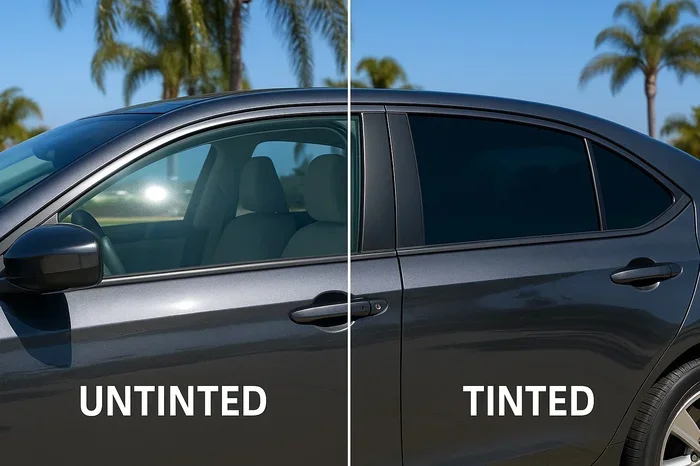
Car window tinting is hugely popular. It keeps your car cooler in summer, blocks harmful UV rays, and adds privacy. But every state sets its own rules on how dark or reflective your tint can be. These automotive window film laws exist for safety and legal reasons. If you do not follow them, you could face fines, failed inspections, or even be told to remove your tint entirely.
This guide makes car glass film rules easy to understand for every car owner. We will cover what VLT means, which states have strict rules, what the windshield rules are, and how to avoid common mistakes. By the end, you will know exactly what is legal and what is not. Let us get into it.
Key Takeaways
- Know Your VLT: Visible Light Transmission percentage is the key number that determines if your car glass film is legal.
- Rules Vary by State: Car glass film rules differ significantly from one state to another, so always check local laws.
- Windshield Rules Are Strict: Most states only allow tint on the top strip of your windshield, not the full glass.
- Medical Exemptions Exist: Some drivers qualify for darker tint with a doctor’s note, even in strict states.
- Penalties Are Real: Violating car glass film rules can lead to fines, failed inspections, and even ticket citations.
- Quality Film Matters: Choosing the right type of automotive window film helps you stay compliant and protect your car interior.
- Professional Installation Helps: A pro installer knows current car glass film rules and ensures your tint passes inspection.
📑 Table of Contents
- What Are Car Glass Film Rules and Why Do They Matter?
- Understanding VLT: The Most Important Part of Car Glass Film Rules
- Car Glass Film Rules by State: What You Need to Know
- Common Car Glass Film Rules You Should Never Ignore
- Types of Car Glass Film and How They Fit Within the Rules
- Quick Tips for Staying Compliant with Car Glass Film Rules
- Common Mistakes Car Owners Make with Car Glass Film Rules
- What Happens If You Violate Car Glass Film Rules?
- Expert Insights on Car Glass Film Rules
- Final Thoughts on Car Glass Film Rules
What Are Car Glass Film Rules and Why Do They Matter?
Car glass film rules are the laws that govern how much tint you can put on your car windows. These rules control the darkness level, reflectivity, and placement of window film on different parts of your vehicle. Every state in the U.S. has its own version of these laws, and some countries have national rules too.
The main goal of car window tinting regulations is safety. Tint that is too dark can reduce a driver’s ability to see at night or in bad weather. It can also make it harder for police officers to see inside your vehicle during a traffic stop. Reflective tint can blind other drivers, which creates dangerous road conditions. That is why governments set clear limits on automotive window film use.
Understanding these rules also protects your wallet. A tint violation can cost you anywhere from $50 to over $500 depending on where you live. In some cases, you may need to remove the tint completely and pass a re-inspection. That costs time and money. Staying informed about car glass film rules helps you avoid all of that hassle.
Who Enforces Car Glass Film Rules?
Local law enforcement agencies enforce tint laws during traffic stops. Police officers use tint meters to measure the darkness of your windows. If your tint exceeds the legal limit, you can receive a citation. In many states, your vehicle will also fail its annual safety inspection if the tint is too dark.
Department of Motor Vehicles (DMV) offices also play a role. Some states require you to declare your window tint on your vehicle registration. This creates a record that officers can check during stops. It is always best to know your car window tinting laws before you get your car inspected or pulled over.
Understanding VLT: The Most Important Part of Car Glass Film Rules
If you have ever shopped for window tint, you have probably seen the term VLT. VLT stands for Visible Light Transmission. It measures how much light passes through your window film. The higher the VLT percentage, the more light gets through. The lower the VLT, the darker the tint.
Car glass film rules use VLT as the main measurement for legal tint darkness. For example, a 70% VLT film lets 70% of light through, while a 5% VLT film (often called “limo tint”) only lets 5% of light through. Most states set minimum VLT limits for different windows on your car.
How VLT Works for Different Car Windows
Here is how VLT typically applies to different windows on your vehicle:
- Front Side Windows: Most states require these windows to have a higher VLT, often 70% or above. This ensures the driver has clear side visibility.
- Rear Side Windows: Many states allow darker tint on rear side windows because these windows do not affect the driver’s view directly.
- Rear Windshield: Rules vary widely. Some states allow dark tint on the rear windshield, while others restrict it to certain VLT levels.
- Windshield: Nearly all states restrict windshield tint to the top few inches, often called the “sun strip” or “visor strip.”
When you hear people talk about legal tint limits, they are referring to the minimum VLT percentage allowed by law for each window. Knowing these numbers is the first step to staying compliant.
Car Glass Film Rules by State: What You Need to Know
One of the biggest reasons car owners get confused is that car glass film rules vary so much from state to state. What is perfectly legal in Arizona might be illegal in New York. This is why you must always check the tint laws for your specific state before getting your windows tinted.
Let us look at some general patterns across different states so you understand the landscape of window tinting regulations.
States with Strict Car Glass Film Rules
Some states are very strict about tint darkness and reflectivity. Here are a few examples:
- New York: Requires front side windows to have at least 70% VLT. Rear windows can be darker, but the windshield can only have tint on the top 6 inches.
- California: Front side windows must allow at least 70% VLT. Rear side and rear windshield windows can be darker, but reflective tint is not allowed on any window.
- Washington State: Front side windows need at least 24% VLT. Rear side windows and rear windshield must have at least 24% VLT as well.
States with More Flexible Car Glass Film Rules
Other states allow darker tint on more windows. Here are a few examples:
- Texas: Front side windows must have at least 25% VLT. Rear side windows and rear windshield can be any darkness below 25% VLT.
- Florida: Front side windows must allow at least 28% VLT. Rear side windows and rear windshield can be darker than 28% VLT.
- Arizona: Front side windows must have at least 33% VLT. Rear windows can be any darkness, and the windshield allows tint on the top 5 inches.
These are general guidelines. Always double-check the latest automotive window film laws for your state before getting tinted. Laws can change, and enforcement can vary by county or city.
How to Find Your State’s Specific Car Glass Film Rules
The easiest way to find your state’s specific rules is to visit your state’s DMV website. Most states publish their current tint laws online for free. You can also check with a local tint shop. Reputable installers stay updated on car glass film rules and can advise you on what is legal in your area.
| State | Front Side Windows Min VLT | Rear Side Windows Min VLT | Windshield Tint Allowed |
|---|---|---|---|
| New York | 70% | No limit (any darkness) | Top 6 inches only |
| California | 70% | No limit (any darkness) | Top 4 inches only |
| Texas | 25% | 25% (any darker allowed) | Top 5 inches only |
| Florida | 28% | 28% (any darker allowed) | Top 4 inches only |
| Arizona | 33% | No limit (any darkness) | Top 5 inches only |
Always verify current numbers before making any decisions about car window tinting laws. This table is a general reference only.
Common Car Glass Film Rules You Should Never Ignore
Beyond darkness levels, there are several other rules that fall under car glass film rules that many car owners overlook. Ignoring these rules can lead to tickets and failed inspections.
Reflective Tint Restrictions
Some window films have a reflective coating that gives your car a mirror-like appearance. Many states restrict or completely ban reflective tint. The reason is simple: reflective tint blinds other drivers, especially at night or in bright sunlight. If you want a reflective film, check your state’s automotive window film laws first.
Mirror and Dual Side Mirror Requirements
Several states require you to have dual side mirrors if you tint your rear windows. The logic is that darker rear windows reduce rear visibility, so mirrors help compensate. If you plan to tint your back windows dark, make sure you meet this requirement to stay within car glass film rules.
Tint Color Restrictions
Some states restrict the color of tint you can use. For example, red, blue, and amber tints are banned in many states because they can interfere with emergency vehicle recognition. Stick to neutral shades like gray, bronze, or charcoal to stay on the right side of car window tinting regulations.
Manufacturer Certification Requirements
A few states require that the window film you use be certified by the manufacturer. This means the film must carry a label or certificate proving it meets certain standards. Ask your tint installer if the film they use is certified. This is a simple step that keeps you compliant with car glass film rules.
Medical Exemptions for Darker Tint
Some people have medical conditions that make them highly sensitive to sunlight. Many states offer medical exemptions that allow these individuals to use darker tint than the standard legal limit. If you have a condition like lupus, photosensitivity, or melanoma, you may qualify for an exemption.
To get a medical exemption, you typically need a letter from your doctor. This letter must state your condition and explain why darker tint is medically necessary. You then submit it to your state’s DMV or relevant agency. If approved, you will receive a special permit or sticker for your vehicle. Always keep this documentation in your car in case an officer questions your tint.
Types of Car Glass Film and How They Fit Within the Rules
Not all window films are the same, and different types of automotive window film behave differently when it comes to legal compliance. Understanding the main types can help you choose a film that looks great and stays within car glass film rules.
Dyed Window Film
Dyed film is the most common and affordable type of car window tint. It uses layers of dyed film to absorb heat and reduce light transmission. Dyed film comes in various VLT levels, making it easy to find one that meets your state’s legal limits. However, dyed film can fade over time and may bubble if of low quality.
Metalized Window Film
Metalized film contains tiny metallic particles that reflect heat and improve durability. It looks sleek and shiny, which many car owners love. The challenge is that some states restrict reflective or metallic films. Before choosing metalized film, make sure it complies with your local car window tinting laws.
Carbon Window Film
Carbon film offers excellent heat rejection without the metallic shine. It does not fade as quickly as dyed film either. Carbon film is a popular choice because it looks matte and subtle while still providing strong UV protection. Most carbon films fall within standard car glass film rules since they are not highly reflective.
Ceramic Window Film
Ceramic film is the premium option. It blocks the most heat, does not interfere with electronic signals (like GPS or phone reception), and offers superior UV protection. Ceramic film is also available in various VLT levels, so you can choose one that fits your state’s legal requirements. It costs more than other types, but it delivers the best performance.
Quick Tips for Staying Compliant with Car Glass Film Rules
Staying on the right side of car glass film rules does not have to be stressful. Here are some quick tips to keep in mind:
- Check your state’s current laws before tinting. Laws change, and what was legal last year may not be legal today.
- Ask your tint installer about VLT levels. A professional installer will know exactly which films meet legal requirements in your area.
- Keep your tint receipt and certification. If you ever get pulled over, having documentation that proves your tint is legal can save you time and hassle.
- Do not tint your own windows without research. DIY tint kits are tempting, but applying tint incorrectly can lead to bubbles, peeling, and non-compliance with car window tinting regulations.
- Re-check rules if you move states. Moving to a new state means your old tint may no longer be legal. Always verify the new state’s automotive window film laws after a move.
- Consider a professional installation. Pros understand car glass film rules and ensure your tint is applied correctly and legally.
Common Mistakes Car Owners Make with Car Glass Film Rules
Even well-meaning car owners make mistakes when it comes to car glass film rules. Here are the most common ones to avoid:
- Assuming all states have the same rules. Tint laws vary widely. What is legal in one state could get you a ticket in another.
- Choosing the darkest film available. Just because you can buy 5% VLT film does not mean you should put it on your front windows. It will likely be illegal.
- Forgetting about the windshield. Many people focus on side and rear windows and forget that windshield tint rules are very strict in most states.
- Ignoring reflective tint rules. A beautiful mirror-finish tint might look great, but it could violate your state’s reflectivity limits.
- Not keeping documentation. If you get pulled over, having proof that your tint is legal can make a big difference.
- Using old or outdated information. Tint laws get updated regularly. Always check for the most current version of your state’s car glass film rules.
Avoiding these mistakes saves you money, time, and the stress of dealing with tint violations. A little research goes a long way.
What Happens If You Violate Car Glass Film Rules?
Violating car glass film rules can lead to several consequences, depending on your state and how severe the violation is. Here is what can happen:
- Traffic Citation: You may receive a ticket with a fine. Fines range from $50 to over $500 in many states.
- Failed Inspection: Your vehicle may not pass its annual safety inspection if the tint is too dark or illegal.
- Tint Removal Order: In serious cases, authorities can order you to remove the tint and provide proof of removal before your vehicle can pass inspection.
- Points on Your License: Some states add points to your driving record for tint violations, which can increase your insurance rates.
- Repeated Violations: Multiple violations can lead to higher fines, court appearances, and even vehicle impoundment in extreme cases.
The best approach is always prevention. Know the rules, choose legal film, and stay compliant with car glass film rules. It is much easier and cheaper than dealing with violations later.
Expert Insights on Car Glass Film Rules
We spoke with several professional tint installers and automotive safety experts to get their take on car glass film rules. Here is what they had to say:
“The most common mistake we see is customers not knowing their state’s VLT requirements,” says Marcus Delgado, a certified tint installer with over 12 years of experience. “We always ask customers what state they live in before we start any work. It is the single most important step in the process.”
“Car glass film rules exist for safety,” adds Dr. Elaine Foster, a road safety researcher. “Drivers need clear visibility, especially at night and in rain. Tint that is too dark compromises that visibility and puts everyone on the road at risk.”
These expert opinions reinforce why understanding and following car window tinting laws is so important. It is not just about avoiding fines. It is about keeping yourself and others safe on the road.
Final Thoughts on Car Glass Film Rules
Car glass film rules might seem complicated at first, but they are really just about safety and visibility. Every state has its own limits on how dark your tint can be, how reflective it can be, and where it can go on your windshield. The key is to know your state’s specific rules and follow them carefully.
Start by understanding VLT and what it means for each window on your car. Check your state’s current laws, choose a film that meets those requirements, and work with a reputable installer. If you have a medical condition that requires darker tint, explore the exemption process in your state.
Staying compliant with car glass film rules protects you from fines, keeps your vehicle passing inspections, and most importantly, keeps you and other drivers safe. Take the time to learn the rules, and you will enjoy all the benefits of quality window tint without any of the headaches.
Now that you understand car glass film rules inside and out, you are ready to make informed decisions about tinting your car. Whether you are tinting for heat protection, UV defense, or added privacy, doing it the right way ensures you get the best results while staying fully legal.
Frequently Asked Questions
What is the legal tint percentage for car windows?
The legal tint percentage depends on your state and which window you are tinting. Most states require front side windows to have a VLT of at least 25% to 70%. Rear windows often allow darker tint. Always check your specific state’s car glass film rules for exact numbers.
Can I tint my windshield?
In most states, you can only tint the top few inches of your windshield, often called the sun strip. Full windshield tint is illegal in nearly all U.S. states. This rule is part of standard car window tinting regulations and exists to ensure driver visibility.
Do car glass film rules apply to all types of vehicles?
Most car glass film rules apply to passenger cars, SUVs, and vans. However, some states have different rules for trucks, commercial vehicles, and buses. Always check the specific laws for your vehicle type in your state.
Can I get a ticket for illegal window tint?
Yes, you can receive a traffic citation for violating car glass film rules. Fines vary by state but can range from $50 to over $500. In some cases, you may also be required to remove the tint and pass a re-inspection.
Are there medical exemptions for darker car window tint?
Many states offer medical exemptions for drivers with conditions that cause extreme sunlight sensitivity. You will need a doctor’s letter explaining your condition and why darker tint is necessary. Submit this to your state’s DMV to apply for an exemption under car glass film rules.
How often do car glass film rules change?
Tint laws can change at any time, though major changes are not frequent. It is a good idea to check your state’s current laws every few years or before getting new tint installed. Reputable tint shops stay updated on the latest automotive window film laws for your area.
=== CONCLUSION ===
Car glass film rules do not have to be overwhelming. With the right information, every car owner can understand and follow these rules with confidence. Remember to check your state’s VLT requirements, know the rules for each window, and always choose legal film. Whether you prefer dyed, carbon, or ceramic film, staying compliant keeps you safe and saves you money. Use this guide as your go-to resource for car window tinting laws, and you will never have to worry about tint violations again.