What Does the Pre-Collision System Malfunction Mean
A pre-collision system malfunction means your car’s automatic emergency braking and collision warning aren’t working correctly. This warning can appear for many reasons, from a dirty sensor to a faulty module. You’ll learn exactly what the light means, how to fix it, and whether it’s safe to keep driving.
You’re driving along, and suddenly a yellow triangle with an exclamation point flashes on your dashboard. Or maybe it’s a red warning that says Pre-Collision System Malfunction. Your heart skips a beat. What does it mean? Is your car about to stop working? The good news is that this warning doesn’t mean your car is falling apart. It simply tells you that the safety system designed to help you avoid crashes isn’t functioning at full capacity.
In this article, I’ll break down exactly what that warning light means, why it shows up, and what you should do next. I’ll cover common causes, simple fixes, and safety tips so you can drive with confidence. Let’s dive in.
Key Takeaways
- Pre-collision system malfunction means your car’s safety features like automatic emergency braking are disabled.
- Common causes include dirty sensors, wiring issues, and module errors.
- You can often fix it with simple cleaning or a reset, but sometimes you need a mechanic.
- Driving with the warning on is possible but risky, especially in heavy traffic.
- Regular maintenance like cleaning sensors prevents future malfunctions.
- Check your owner’s manual for model-specific steps to reset the system.
📑 Table of Contents
- What Is a Pre-Collision System?
- What Does the Pre-Collision System Malfunction Warning Mean?
- Common Causes of a Pre-Collision System Malfunction
- How to Diagnose and Fix the Malfunction
- Can You Still Drive Safely with a Pre-Collision System Malfunction?
- Preventing Future Pre-Collision System Warnings
- Conclusion
What Is a Pre-Collision System?
Every modern car has a smart safety network. The pre-collision system is part of that network. It uses sensors and cameras to watch the road ahead. If it detects a possible crash, it can warn you or even apply the brakes automatically. This technology goes by different names depending on the car brand.
How It Works
The system relies on two main parts. The first is a radar sensor, usually hidden behind the front grille. It sends out waves that bounce off objects. The second is a camera sensor, often mounted near the rearview mirror. It reads signs, lanes, and obstacles. Together, they feed data to a central module. That module decides if a crash is likely and triggers the right response.
When everything works, you get forward collision warning and automatic emergency braking. These features can save lives. They give you extra seconds to react or even stop the car for you.
Different Brand Names
Car makers love their own names for this technology. Here’s a quick look at the most common ones.
| Brand | System Name | Key Features |
|---|---|---|
| Toyota | Toyota Safety Sense | Pedestrian detection, lane departure alert, adaptive cruise control |
| Honda | Honda Sensing | Collision mitigation braking, road departure mitigation, adaptive cruise |
| Subaru | Subaru EyeSight | Pre-collision braking, throttle management, lane keep assist |
| Ford | Ford Co-Pilot360 | Automatic emergency braking, blind spot monitoring, evasive steering |
No matter the name, the core job is the same: help you avoid or reduce the severity of a crash. When a warning pops up, it means that safety net has a hole in it.
What Does the Pre-Collision System Malfunction Warning Mean?
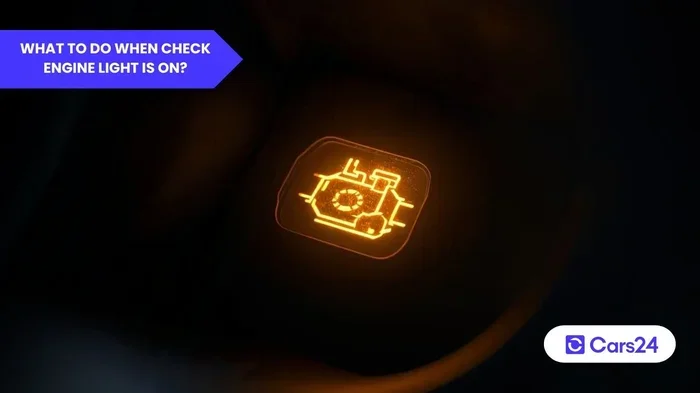
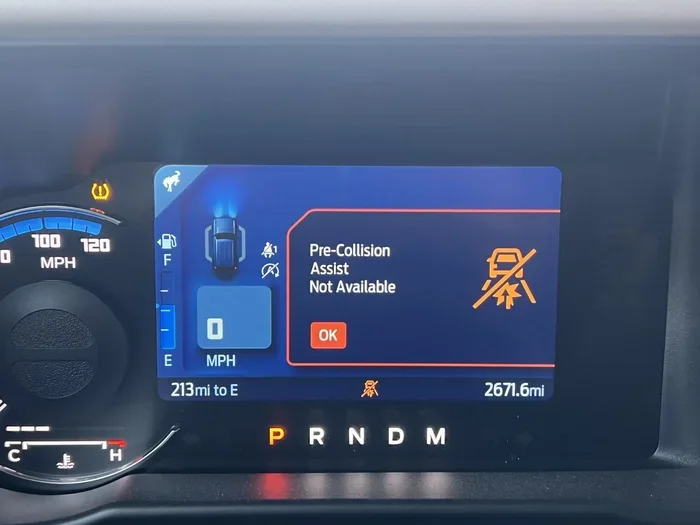
A pre-collision system malfunction warning tells you the system has detected a fault. It can no longer perform its full job. The message might appear as a text alert on the dashboard or just a warning light. Either way, it means the automatic braking and collision detection are offline or limited.
Yellow vs. Red Warning Lights
Not all warnings are the same. A yellow or amber light usually means the system is partially active. You still have some protection, but it’s reduced. A red light or a red text message means the system is completely disabled. In that case, you won’t get any automatic braking or urgent alerts from the pre-collision system.
Sometimes the light comes on and then goes off. That often points to a temporary issue, like a dirty sensor. If the light stays on, you need to take it seriously.
Quick Tip: Don’t ignore the light. Even a yellow warning can mean your automatic emergency braking isn’t ready to deploy. Always check it sooner rather than later.
Expert Insight: According to automotive technicians, most pre-collision system malfunctions stem from simple sensor issues, not major component failure. A quick check often solves the problem.
Common Causes of a Pre-Collision System Malfunction
Why does the warning show up? There are several reasons. Some are easy to fix. Others need a professional. Here are the most common culprits.
Dirty or Covered Sensors
This is the number one cause. The radar sensor and camera sensor need a clear view. Mud, snow, ice, or even a dirty windshield can block them. If the sensors can’t see the road, they can’t warn you. A simple wash often fixes this. Just make sure you don’t use high pressure right on the sensor lenses.
Electrical and Wiring Problems
Your car has a network of wires that connect the sensors to the main module. A frayed wire, a loose connector, or a damaged harness can break the communication. This often happens after a minor fender bender or if something rubs against the wiring under the hood. The system loses the signal and triggers the pre-collision system malfunction light.
Faulty Radar or Camera Module
Over time, the radar module or camera unit can fail. Age, heat, and moisture can all cause damage. If the module itself is bad, cleaning the sensor won’t help. You’ll need a replacement and a recalibration. This is more expensive, but it’s necessary for your safety.
Low Battery Voltage
The pre-collision system needs stable electrical power. If your car battery is weak or the alternator isn’t charging properly, the system may shut down. A low voltage condition can mimic a sensor fault. Before you assume the worst, have your battery and charging system tested.
Software Glitches and Calibration Needs
Modern cars run on software. Sometimes a glitch in the pre-crash system software can cause a false warning. A reboot or a software update from the dealer often clears this up. After any repair that involves the sensors, the system needs recalibration. Without it, the warning light may stay on even if the hardware is fine.
Aftermarket Accessories
Did you recently add a bull bar, roof rack, or aftermarket windshield? These can block the camera’s view or interfere with the radar signal. The system was calibrated for the original factory setup. Any change can throw it off. Always check with your dealer before adding accessories near the front sensors.
Common Mistake: Many drivers assume a dirty sensor is the only cause. In reality, a weak battery can trigger the same warning. Always check the simple things first, but don’t rule out electrical or software issues.
How to Diagnose and Fix the Malfunction
Once you know the common causes, you can start troubleshooting. Here’s a step-by-step guide to get your safety system back online.
Step-by-Step DIY Checks
- Look at the sensors. Open the hood and find the front radar sensor (usually behind the grille) and the camera (near the top of the windshield). Wipe them gently with a soft, lint-free cloth.
- Clean the area. Use a glass cleaner and a microfiber cloth. Avoid harsh chemicals or abrasive pads. You just want to remove dirt, bugs, and water spots.
- Clear snow or ice. In winter, a thin layer of snow can cover the sensor. Brush it off carefully. Never use hot water on a frozen sensor.
- Check the battery voltage. Use a multimeter to test the battery. A healthy battery should read 12.6 volts or higher with the engine off. If it’s low, charge or replace it.
- Reset the system. Turn the ignition off, wait 30 seconds, and turn it back on. Some temporary glitches clear up with a simple reset.
- Scan for error codes. Use an OBD-II scanner. Plug it into the diagnostic port under the steering column. The scanner will read the fault codes stored in the module. This tells you exactly what’s wrong.
When to See a Mechanic
If the warning light stays on after you’ve cleaned the sensors and checked the battery, it’s time for a professional. A mechanic or dealership technician has the tools to read the exact fault code. They can also check the wiring, test the radar and camera modules, and perform a calibration if needed. Trying to replace or recalibrate these parts yourself can be risky and may void your warranty.
Quick Tip: Keep a record of when the light first appeared. Note any recent events like a car wash, a minor accident, or a battery jump-start. This information helps the technician diagnose the issue faster.
Expert Insight: Many repair shops offer free diagnostics for warning lights. It’s worth a quick visit to get a clear answer before you assume the worst.
DIY Fix vs. Professional Repair
| Issue | DIY Fix | Professional Repair |
|---|---|---|
| Dirty sensor | Clean with microfiber cloth and glass cleaner | Not needed |
| Low battery voltage | Charge or replace battery | Test charging system if needed |
| Wiring or connector damage | Not recommended | Repair or replace wiring harness |
| Faulty radar module | Not possible | Replace and recalibrate module |
| Software glitch | Reset system or update software | Dealer software update |
| Camera misalignment | Not recommended | Professional recalibration |
Can You Still Drive Safely with a Pre-Collision System Malfunction?
The short answer is yes, but with extra caution. Your car will still brake normally when you press the pedal. The steering and stability control also work independently in most cases. What you lose is the automatic safety net. The car won’t warn you of an upcoming crash or apply the brakes on its own.
Safety Precautions When the Light Is On
- Stay extra alert. You are now the primary safety system. Keep your eyes on the road and your hands on the wheel.
- Increase following distance. Without automatic emergency braking, you need more time to react. Leave at least 4 seconds of gap between you and the car ahead.
- Avoid distractions. Put the phone away. A malfunction means you can’t rely on the car to save you from a lapse in attention.
- Drive slower in bad weather. Rain, fog, and snow reduce visibility. The pre-collision system might not be there to help, so slow down and be gentle with the brakes.
- Get it fixed promptly. Don’t drive with the warning on for weeks. The longer you wait, the more you risk not having the system when you need it most.
Key Takeaways
- A pre-collision system malfunction disables automatic safety features, so you must drive more defensively.
- Increase your following distance and reduce speed until the issue is resolved.
- Never assume the system will work just because the car is still moving normally.
- Treat the warning as a call to action, not a reason to panic.
Preventing Future Pre-Collision System Warnings
The best way to deal with a pre-collision system malfunction is to prevent it from happening again. A little regular care goes a long way. Here’s how to keep your safety system in top shape.
Regular Cleaning Routine
Make it a habit to clean the front sensors every time you wash your car. Use a soft cloth and gentle cleaner. Pay special attention after a long road trip, a trip through a muddy road, or a snowstorm. A clean sensor is a happy sensor. This simple step prevents many false warnings and keeps the system ready to work.
Software Updates and Recalls
Car makers regularly release software updates that improve the pre-collision system. Some updates fix bugs that cause false warnings. Others add new features or improve calibration. Check with your dealer to see if your car has any outstanding recalls or technical service bulletins. A quick update at the dealership can save you a lot of trouble.
Battery Health
A weak battery is a silent killer of electronic systems. Have your battery tested at every oil change. Replace it before it fails completely. A healthy battery ensures stable power to the radar, camera, and control module. This alone can prevent many pre-collision system malfunction warnings.
Gentle Driving Around Sensors
Avoid high-pressure car washes that blast water directly at the front sensors. Be careful when parking not to bump the front grille area where the radar sits. Even a small impact can misalign the sensor or damage the wiring. Treat the front end of your car with care, and the safety system will reward you with reliable performance.
Expert Insight: Technicians recommend cleaning your front sensors every time you wash your car, especially in winter. A few minutes of care can save you a costly trip to the shop.
Conclusion
A pre-collision system malfunction warning can feel alarming, but it’s usually a fixable issue. The system is designed to protect you, and when it warns you, it’s asking for attention, not panic. Most of the time, the cause is simple: a dirty sensor, a low battery, or a temporary software glitch. With the steps in this guide, you can diagnose the problem, try a few DIY fixes, and know exactly when to call a professional.
Remember, your safety is the priority. Even if you can drive with the light on, you lose the automatic protection that could save your life in a sudden stop. Don’t delay the repair. Clean the sensors, check the battery, scan for codes, and get the system back to full strength. A little care today keeps the pre-collision system ready for tomorrow’s unexpected moments on the road.
Stay safe, stay alert, and keep that safety system working. You and your car deserve the peace of mind that comes with fully functioning collision avoidance technology.
Frequently Asked Questions
Can I drive with the pre-collision system malfunction light on?
Yes, you can drive, but the automatic emergency braking and collision warnings may not work. You need to be extra alert and increase your following distance until the issue is fixed.
How much does it cost to fix a pre-collision system malfunction?
The cost varies widely. Cleaning a dirty sensor is free. A simple reset costs nothing. Replacing a radar module or camera can range from $200 to over $1,000, plus calibration labor.
Will a dead battery cause the pre-collision system malfunction warning?
Yes, a weak or dead battery can cause the warning. The system needs stable voltage to operate. If your battery is old or failing, have it tested and replaced if needed.
Can I reset the pre-collision system myself?
You can try turning the ignition off and on after cleaning the sensors. Some models also allow a reset through the infotainment menu. Check your owner’s manual for specific steps.
Does car insurance cover pre-collision system repairs?
Repairs for a malfunction warning are usually not covered by standard insurance unless the damage is from a covered accident. Maintenance issues like dirty sensors are your responsibility.
How often should I clean my pre-collision system sensors?
Ideally, clean them every time you wash your car. In winter or after driving through mud and snow, clean them more often. Regular cleaning prevents many false warnings.