How Hot Can a Car Get in the Sun Surprising Truth
A parked car can reach internal temperatures of 172°F (78°C) on a sunny day, turning your vehicle into a deadly oven within minutes. The greenhouse effect traps heat rapidly, putting children and pets at serious risk of heat stroke. Understanding car temperature extremes helps you protect your vehicle, your loved ones, and yourself from hidden summer dangers.
Have you ever touched a car door handle on a summer day and instantly pulled your hand back? That searing heat is just the beginning. A parked car can become an oven that reaches temperatures no one would ever expect. The numbers are shocking, and the risks are real.
Every year, dozens of people — mostly children and pets — suffer heat stroke or worse inside a hot vehicle. But it is not just about people. Your dashboard, seats, and electronics take a serious beating too. Understanding how hot a car can get in the sun is the first step toward protecting what matters most.
This article breaks down the science, the dangers, and the practical steps you can take right now. Whether you are a parent, a pet owner, or just someone who wants to keep your car in good shape, you will find everything you need here.
Let us dive into the surprising truth about car temperature extremes and what you can do about them.
Key Takeaways
- Extreme Heat Buildup: A car can reach 172°F (78°C) inside within 30 minutes on a sunny day, making it hotter than the outside air.
- The Greenhouse Effect: Sunlight passes through the windshield and gets trapped inside, causing car interior temperatures to soar rapidly.
- Danger for Children and Pets: Heat stroke can set in within minutes, and hot car deaths are a preventable tragedy that happens every summer.
- Vehicle Damage Is Real: Leather seats, dashboards, electronics, and plastic parts can crack, warp, or melt under extreme sunlight exposure.
- Simple Solutions Work: Using a car shade, parking in the shade, and cracking windows can significantly reduce interior temperature.
- Car Color Matters: Dark-colored cars absorb more heat and can reach higher car temperature levels than lighter-colored vehicles.
- Act Fast in Emergencies: If you see a child or pet locked in a hot car, call 911 immediately and take action to cool them down.
📑 Table of Contents
The Shocking Truth About Car Temperatures
Most people have no idea just how extreme car temperatures can get. The numbers go far beyond what anyone would consider comfortable — or even safe. On a mild 70°F day, the inside of a car can climb to over 100°F in just 20 minutes.
What Happens Inside a Parked Car?
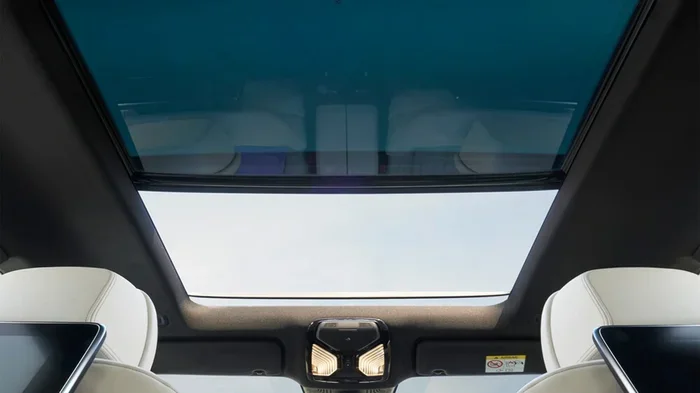
When sunlight hits your vehicle, it passes through the glass windows easily. The interior surfaces absorb this energy and convert it into heat. But here is the problem — that heat cannot escape back through the glass. It gets trapped inside your car.
This process is called the greenhouse effect, and it works the same way in your car as it does in a glass greenhouse. The sunlight exposure pours in, warms everything up, and then the heat stays locked inside. The result is a rapid and dangerous buildup of interior temperature.
Within just 10 minutes, the inside of a car can be 20°F hotter than the outside air. Within 30 minutes, it can be 40°F hotter. And on a 90°F day, the car temperature inside can exceed 170°F. That is hot enough to boil water.
The Greenhouse Effect in Your Vehicle
The greenhouse effect is the main reason a parked car becomes so dangerously hot. Here is how it works in simple terms:
- Sunlight enters through the windshield and windows as visible light.
- The dashboard, seats, and floor absorb this light energy.
- Those surfaces convert the light into infrared heat energy.
- The infrared heat tries to escape back through the glass.
- But the glass blocks most of the infrared heat from leaving.
- The heat keeps building up with nowhere to go.
This cycle repeats over and over. The car interior keeps getting hotter and hotter. Even on a partly cloudy day, the temperature inside your vehicle can reach dangerous levels. The glass acts like a one-way trap, letting energy in but not letting it back out.
Many people think cracking a window will fix this problem. It helps a tiny bit, but not enough. Studies show that cracking a window only lowers the interior temperature by about 2 to 3 degrees. That is not nearly enough to make a difference.
Just How Hot Can It Get?
The numbers tell a clear story. How hot can a car get in the sun? The answer might surprise you. Let us look at real temperature readings and what they mean for you and your vehicle.
Temperature Readings by the Minute
Researchers have measured car temperature levels in controlled experiments. Here is what happens inside a parked car on a 75°F day:
- 0 minutes: Interior matches outside temperature at 75°F.
- 10 minutes: Interior reaches 94°F — a 19-degree jump.
- 20 minutes: Interior hits 109°F — nearly 35 degrees hotter.
- 30 minutes: Interior climbs to 119°F and keeps rising.
- 60 minutes: Interior can exceed 130°F on a mild day.
Now imagine it is a 90°F summer day. The numbers get even more extreme. In just one hour, the car temperature inside can reach 172°F. That is hot enough to burn your skin, melt plastic, and destroy electronics.
How Car Color Affects Heat
Not all cars heat up the same way. The color of your vehicle plays a surprisingly big role in how hot the car interior gets. Dark-colored cars absorb more sunlight exposure than light-colored ones.
Here is a quick comparison:
- Black cars can reach interior temperatures up to 170°F on a hot day.
- Dark blue or dark gray cars can hit around 160°F.
- White or silver cars tend to stay around 140°F to 150°F.
- Light-colored cars reflect more sunlight and stay noticeably cooler.
If you live in a hot climate, choosing a lighter car color can make a real difference. It is a simple way to reduce the car temperature inside and protect your vehicle from heat damage.
What Gets Damaged Inside a Hot Car?
Extreme heat does not just affect people. Your car itself takes a serious beating when the interior temperature climbs too high. Over time, repeated exposure to a hot parked car can cause serious and costly damage.
Leather and Vinyl Seats
Leather seats are especially vulnerable to heat damage. On a hot day, leather surfaces can reach 150°F or more. That kind of heat causes the material to dry out, crack, and fade over time.
Vinyl seats face similar problems. They can warp, bubble, and become sticky under extreme sunlight exposure. The glue that holds seat covers in place can weaken and fail. Replacing damaged seats is expensive, and the damage is often irreversible.
To protect your seats, use seat covers when your car is parked in the sun. A simple car shade on the windshield also helps reduce direct heat on the dashboard and seats.
Dashboard and Plastic Parts
The dashboard takes the hardest hit. It sits directly in the path of sunlight coming through the windshield. Over time, the dashboard cracking becomes a common problem in cars that are regularly parked outside in the sun.
Plastic trim pieces, console covers, and door panels can all warp or discolor. The car interior materials are not designed to handle temperatures above 150°F for extended periods. Yet that is exactly what happens inside a parked car on a summer day.
Electronics and Screens
Your car’s infotainment system, backup camera, and other electronics are not built for extreme car temperature levels. Prolonged exposure to heat can cause screens to malfunction, batteries to swell, and wiring to degrade.
Phone chargers, USB devices, and other electronics left inside a hot car can also be damaged. The heat can cause them to overheat, shut down, or fail entirely. It is best to take all electronics with you when you leave the car.
The Hidden Dangers of a Hot Car
Beyond vehicle damage, the most serious concern is the danger to human life. Every summer, hot car deaths make the news. These tragedies are heartbreaking and almost always preventable.
Heat Stroke Risks for Children
Children are far more vulnerable to heat than adults. Their bodies heat up three to five times faster than an adult’s. A child’s body temperature can reach dangerous levels in just minutes inside a hot car.
Heat stroke sets in when the body temperature rises above 104°F. At 106°F, organs begin to fail. At 107°F, a child can die. These temperatures are easily reached inside a parked car on a sunny day.
Here are some facts that every parent should know:
- A child died in a hot car in the United States nearly every 10 days during recent years.
- Most hot car deaths happen when a caregiver forgets a child in the vehicle.
- Children can climb into unlocked cars and get trapped without anyone knowing.
- Even on a 60°F day, the inside of a car can reach 110°F.
Never leave a child unattended in a car — not even for a minute. Make it a habit to check the back seat every time you park.
Pet Safety in Hot Cars
Dogs and other pets are also at serious risk. Dogs cannot cool themselves as efficiently as humans. They pant to regulate their body temperature, but that does not work well in a hot, enclosed space.
On an 85°F day, the car temperature inside can reach 120°F in just 10 minutes. A dog left inside can suffer brain damage, organ failure, or death within that short time.
If you see a pet locked in a hot car, act immediately:
- Note the car’s make, model, and license plate number.
- Try to locate the owner in nearby stores or buildings.
- Call 911 or local animal control right away.
- If the animal is in immediate danger and authorities are delayed, take steps to rescue the animal — but document your actions.
How to Keep Your Car Cool
The good news is that there are simple, effective ways to reduce the car temperature inside your vehicle. None of these solutions cost a lot of money, and they can make a real difference.
Best Sunshades and Covers
A car shade is one of the best investments you can make for your vehicle. It blocks direct sunlight from entering through the windshield and keeps the interior temperature significantly lower.
Here are some options to consider:
- Windshield sunshades: These fold out and fit across the inside of your windshield. They are affordable and easy to use.
- Window tint films: These stick to your windows and block a portion of sunlight. They can reduce heat buildup by up to 50%.
- Seat covers: Fabric or mesh seat covers protect leather seats and vinyl from direct heat exposure.
- Steering wheel covers: These prevent the steering wheel from becoming too hot to touch.
Using a combination of these products gives you the best protection. A car shade on the windshield plus window tint and seat covers is a powerful defense against heat damage.
Simple Tips to Beat the Heat
Beyond using accessories, a few smart habits can keep your car cooler:
- Park in the shade whenever possible. Even partial shade makes a big difference.
- Use a garage or covered parking area if you have access.
- Crack your windows slightly when parked to allow some airflow.
- Cover the steering wheel with a cloth to prevent burns.
- Place a reflective blanket on the dashboard to reflect sunlight.
- Tint your windows legally to reduce heat absorption.
- Remove electronics and other heat-sensitive items before leaving the car.
These small steps add up. Over time, they can significantly extend the life of your car’s interior and keep it more comfortable to drive.
Common Mistakes People Make
Many people have habits that make the car temperature problem worse without even realizing it. Here are some common mistakes and what you should do instead.
Myths About Cooling a Hot Car
There are several myths about how to cool down a hot car quickly. Let us separate fact from fiction:
- Myth: Leaving the windows cracked all the way down will cool the car. Fact: This only helps a little and does not prevent dangerous heat buildup.
- Myth: A car shade is only needed in summer. Fact: Sun damage happens year-round, even on cloudy days.
- Myth: Dark cars are tougher and handle heat better. Fact: Dark cars absorb more heat and suffer more damage from sunlight exposure.
- Myth: You can leave a pet in the car with the windows cracked. Fact: Even cracked windows do not prevent heat stroke in pets.
What NOT to Do
Avoid these common mistakes that can make things worse:
- Do not leave water bottles in direct sunlight. They can leak and damage your car’s interior.
- Do not leave lighters or aerosol cans in the car. They can explode in extreme car temperature conditions.
- Do not leave chocolate, sunscreen, or medication in a hot car. Heat can ruin their effectiveness.
- Do not blast the air conditioning at full power immediately after getting in. Start with the windows down to push out the hot air first.
What to Do If You or Someone Overheats in a Car
Heat stroke is a medical emergency. If you or someone near you shows signs of heat stroke inside a hot vehicle, act fast.
Signs of heat stroke include confusion, dizziness, nausea, rapid heartbeat, and loss of consciousness. If you notice these symptoms, get the person out of the car immediately and call 911.
While waiting for help, move the person to a shaded or air-conditioned area. Apply cool, wet cloths to the neck, armpits, and forehead. Do not give them ice-cold water — room temperature water is safer.
For pets, the same principles apply. Move them to a cool area and offer fresh water. If they are showing signs of distress, get them to a veterinarian as quickly as possible.
Every minute counts when dealing with heat stroke. Quick action can save a life.
Conclusion
The truth about how hot a car can get in the sun is both surprising and alarming. A parked car can reach temperatures that are dangerous for people, pets, and your vehicle. The greenhouse effect turns your car into a heat trap that can exceed 170°F on a hot day.
The good news is that you have the power to reduce these risks. Using a car shade, parking wisely, and following the simple tips in this article can make a real difference. You can protect your family, your pets, and your car from the hidden dangers of extreme car temperature levels.
Knowledge is your best defense. Now that you understand the risks and the solutions, you can take action today. Share this information with friends and family. Heat stroke and hot car deaths are preventable, and every bit of awareness helps keep people safe.
Stay cool, stay safe, and never underestimate what the sun can do to a parked car.
Frequently Asked Questions
How fast does a car heat up in the sun?
A car can heat up by 20°F in just 10 minutes and reach over 100°F in 20 minutes on a mild day. The greenhouse effect causes the interior temperature to rise rapidly, making it one of the fastest-heating enclosed spaces.
Can a hot car cause heat stroke?
Yes, absolutely. A parked car can reach temperatures that cause heat stroke in both people and pets within minutes. Children and animals are especially vulnerable because their bodies heat up faster than adults.
What is the highest temperature a car can reach in the sun?
On a 90°F day, the car temperature inside can exceed 170°F. On a 100°F day, it can reach even higher. These extreme car temperatures are enough to cause burns, damage electronics, and destroy interior materials.
Does car color affect how hot it gets?
Yes, car color plays a significant role. Dark-colored cars absorb more sunlight exposure and can reach higher interior temperatures than light-colored cars. White and silver cars tend to stay the coolest.
Is it safe to leave a pet in a car with the windows cracked?
No, it is not safe. Even with windows cracked, the car temperature can rise to dangerous levels within minutes. Pets can suffer heat stroke and death in a hot vehicle, even on mild days.
What should I do if I see a child or pet in a hot car?
Call 911 immediately. If the child or pet is in distress, take action to remove them from the car. Many states have Good Samaritan laws that protect people who take emergency action to rescue children or pets from hot vehicles.