Can I Still Drive With a P0171 Code What You Need to Know
Yes, you can still drive with a P0171 code, but only for a short distance and with caution. This trouble code means your engine is running too lean, which can cause serious damage if ignored. Understanding what triggers the P0171 code and how to address it quickly will save you from costly repairs and keep you safe on the road.
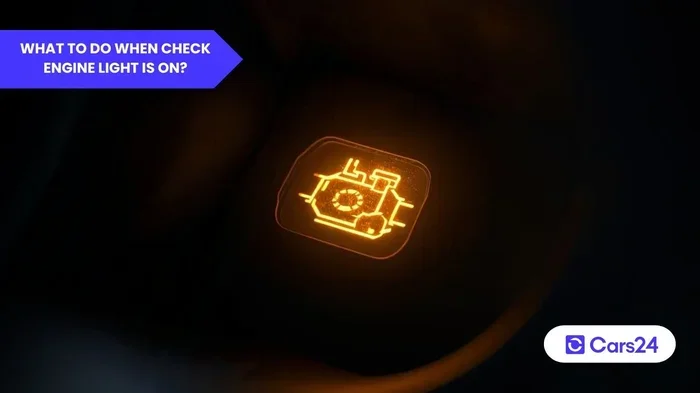
Your check engine light just came on, and the scanner reads P0171. You are sitting in your driveway wondering if you can still make it to the grocery store or if you need to call a tow truck right now. The short answer is yes, you can drive with a P0171 code, but there is a lot more to this story than a simple yes or no.
A P0171 code means your engine is running lean on fuel. This is not something you should ignore for long. In this article, we will break down everything you need to know about driving with this code. We will cover what it means, whether it is safe, what causes it, and how to fix it. By the end, you will know exactly what to do next.
Key Takeaways
- You can drive briefly with a P0171 code, but extended driving risks engine damage.
- Common causes include vacuum leaks, faulty oxygen sensors, and MAF sensor issues.
- Symptoms like rough idle, stalling, and poor fuel economy signal a lean fuel mixture.
- Ignoring the P0171 code can lead to catalytic converter failure and expensive repairs.
- Some fixes are simple DIY jobs, while others require a professional mechanic.
- Regular maintenance helps prevent the P0171 code from returning.
📑 Table of Contents
What Is a P0171 Code and Why Should You Care?
The P0171 code is a standard OBD-II trouble code. It specifically means “System Too Lean (Bank 1).” Your car’s computer, also known as the powertrain control module, monitors the air-fuel ratio in your engine. When it detects that there is too much air and not enough fuel, it triggers this code.
How the P0171 Code Gets Triggered
Your engine needs a precise mix of air and fuel to run correctly. The ideal ratio is roughly 14.7 parts air to one part fuel. This is called the stoichiometric ratio. When the oxygen sensor or O2 sensor detects that the mixture has shifted too far toward lean, it sends a signal to the engine computer. The computer then stores the P0171 code and turns on your check engine light.
Several things can cause this shift. A vacuum leak lets extra air into the engine. A dirty MAF sensor, or mass airflow sensor, might miscalculate the air coming in. A weak fuel pump or clogged fuel injector might not deliver enough fuel. Any of these problems can set off the P0171 code.
What the P0171 Code Means for Your Engine
Running lean is not good for your engine over time. When there is too much air relative to fuel, combustion temperatures rise. This can lead to engine misfire, increased wear on internal components, and even engine stalling. The short-term fuel trim and long-term fuel trim values on your scanner will give you a clearer picture of how severe the lean condition is.
Can You Actually Drive With a P0171 Code?
This is the question most drivers want answered, and the answer depends on a few factors. Let us look at both the short-term and long-term perspectives.
Short-Term Driving: Is It Safe?
In most cases, you can drive a short distance with a P0171 code. If you are near a mechanic or need to get home from work, a few miles should not destroy your engine immediately. However, you should keep your speed moderate and avoid heavy acceleration. Rough idle and hesitation under load are common when this code is active, so drive gently.
That said, pay close attention to how the car feels. If you notice engine stalling, severe hesitation, or a complete loss of power, pull over safely. Continuing to drive under those conditions could cause further damage.
Long-Term Risks of Ignoring the P0171 Code
Driving for days or weeks with a P0171 code is a bad idea. Here is why:
- Engine damage: Lean conditions cause higher combustion temperatures. Over time, this can warp pistons, damage valves, and harm the catalytic converter.
- Poor fuel economy: A lean engine often burns more fuel as the computer tries to compensate, which costs you money at the pump.
- Increased emissions: Your car will pollute more, which could cause you to fail an emissions inspection.
- Expensive repairs: A small fix today, like replacing a vacuum hose, could turn into a catalytic converter replacement costing hundreds of dollars if you wait too long.
Common Causes of the P0171 Code
Figuring out what caused the P0171 code is the first step toward fixing it. Here are the most common culprits.
Vacuum Leaks
A vacuum leak is one of the top reasons for a P0171 code. Your engine relies on sealed vacuum lines to regulate airflow. When a hose cracks or a gasket fails, unmetered air sneaks into the engine. This extra air throws off the air-fuel ratio and makes the engine run lean.
Common spots for vacuum leaks include:
- Cracked vacuum hoses
- Intake manifold gasket leaks
- Loose or damaged brake booster lines
- Cracked PCV valve hoses
Faulty Oxygen Sensor
The oxygen sensor measures the amount of oxygen in your exhaust. If this sensor fails or sends incorrect readings, the engine computer may think the mixture is lean when it is not. Alternatively, a sensor that reads correctly may be detecting a real lean condition caused by another issue. Either way, a failing O2 sensor is a common trigger for the P0171 code.
MAF Sensor Problems
The mass airflow sensor tells the engine computer how much air is entering the engine. When this sensor gets dirty or fails, it underreports the airflow. The computer then delivers too little fuel for the actual amount of air, resulting in a lean condition and the P0171 code.
Dirt, oil residue, and age can all degrade the MAF sensor. Cleaning it with a proper MAF sensor cleaner is often a simple and inexpensive fix.
Fuel System Issues
If your fuel system is not delivering enough fuel, the engine will run lean. Possible causes include:
- A weak or failing fuel pump
- A clogged fuel filter
- Dirty or stuck fuel injectors
- A faulty fuel pressure regulator
These issues are especially common in older vehicles or cars with high mileage. Regular fuel system maintenance can help prevent them.
Exhaust Leaks
An exhaust leak near the oxygen sensor can cause false readings. The sensor detects oxygen in the exhaust before it reaches the tailpipe. If there is a leak upstream, fresh air enters the exhaust stream, and the sensor reads a lean condition even when the engine is running correctly.
Symptoms You Will Notice With a P0171 Code
Your car will usually give you several warning signs before or after the P0171 code appears. Recognizing these symptoms early can help you address the problem before it worsens.
Engine Performance Changes
You may notice your engine running rough, especially at idle. Engine misfire is common. Some drivers report hesitation or stumbling when accelerating. In more severe cases, the engine may stall at stoplights or when coming to a complete stop.
Fuel Economy Drops
Even though a lean mixture sounds like it should save fuel, the opposite often happens. The engine computer tries to compensate by adjusting the fuel trim values, but it cannot fully correct the problem. You may find yourself filling up more often than usual.
Other Warning Signs
- Check engine light illuminated on the dashboard
- Unusual smells from the exhaust, such as a fuel odor or burning smell
- Dark or black exhaust smoke in some cases
- Difficulty starting the engine, especially when cold
How Mechanics Diagnose and Fix a P0171 Code
If you take your car to a mechanic for a P0171 code diagnosis, here is what the process typically looks like.
Step-by-Step Diagnostic Process
- Scan for codes: The mechanic connects an OBD-II scanner and confirms the P0171 code. They also check for any related codes that might point to the root cause.
- Check fuel trims: The short-term fuel trim and long-term fuel trim values reveal how much the computer is adjusting the fuel mixture. High positive trim values often indicate a lean condition.
- Inspect for vacuum leaks: The mechanic may use a smoke machine to find hidden vacuum leaks in the intake system.
- Test the oxygen sensor: Live data from the scanner shows how the O2 sensor is responding in real time.
- Check the MAF sensor: A clean, properly functioning mass airflow sensor is essential for correct fuel delivery.
- Inspect the fuel system: Fuel pressure tests check the pump, filter, and regulator for proper operation.
Common Repairs and Costs
The cost to fix a P0171 code varies widely depending on the root cause. Here is a comparison table of common repairs.
| Repair | Estimated Cost Range | Difficulty Level |
|---|---|---|
| Fix vacuum leak (hose or gasket) | $50 – $200 | Easy to Moderate |
| Replace oxygen sensor | $100 – $300 | Moderate |
| Clean or replace MAF sensor | $20 – $250 | Easy |
| Replace fuel filter | $50 – $150 | Easy |
| Replace fuel pump | $300 – $800 | Moderate to Hard |
| Replace catalytic converter | $800 – $2500 | Hard |
| Repair exhaust leak | $100 – $400 | Moderate |
As you can see, catching the problem early saves a lot of money. A simple vacuum leak repair costs a fraction of what a new catalytic converter does.
Can You Fix a P0171 Code Yourself?
Some causes of the P0171 code are well within the range of a DIY repair. Others require professional tools and expertise. Let us look at what you can handle on your own and when you should call in the pros.
DIY Fixes That Actually Work
Here are a few things you can try at home before visiting a mechanic:
- Inspect vacuum hoses: Look for cracked, dry-rotted, or disconnected vacuum lines. A simple hose replacement can fix the problem and clear the P0171 code.
- Clean the MAF sensor: Remove the sensor and spray it with a dedicated MAF sensor cleaner. Do not touch the delicate wires inside. This takes about five minutes and costs under $15 for the cleaner.
- Check your air filter: A severely clogged air filter can restrict airflow in unexpected ways and contribute to lean conditions. Replacing it is cheap and easy.
- Inspect the intake manifold gasket: On some vehicles, this gasket deteriorates over time and causes vacuum leaks. A visual inspection can reveal cracks or leaks.
When to Call a Professional
Some situations call for a trained mechanic. If you have checked the obvious items and the P0171 code persists, it is time to seek professional help. You should also call a mechanic if:
- You need a smoke test to find vacuum leaks
- The fuel pressure needs to be tested with a gauge
- The oxygen sensor needs to be replaced and you are not comfortable with the repair
- Your car is experiencing engine stalling or severe performance issues
A professional diagnosis typically costs between $75 and $150 for the labor. This small investment can save you hundreds by identifying the exact problem quickly.
Preventing the P0171 Code From Coming Back
Once you have fixed the P0171 code, you do not want it to return. Regular maintenance is your best defense.
- Change your air filter on schedule, typically every 12,000 to 15,000 miles.
- Use quality fuel from reputable stations to keep your fuel system clean.
- Inspect vacuum hoses during routine oil changes or maintenance visits.
- Replace the fuel filter according to your vehicle manufacturer’s recommendations.
- Address check engine lights promptly instead of ignoring them or waiting for the problem to worsen.
These simple habits go a long way toward keeping your engine running at the correct air-fuel ratio and preventing lean condition codes.
Conclusion
So, can you still drive with a P0171 code? Yes, but only for a short distance and with caution. This code means your engine is running lean, and driving with it for extended periods can lead to serious and expensive damage. The good news is that the most common causes, like vacuum leaks and dirty sensors, are relatively easy and affordable to fix.
The key is to act quickly. Do not ignore the check engine light or assume the problem will go away on its own. Whether you tackle the repair yourself or visit a mechanic, addressing the P0171 code promptly will protect your engine, improve your fuel economy, and keep you safe on the road. Take care of it now, and you will thank yourself later.
Frequently Asked Questions
How far can I drive with a P0171 code?
You can typically drive a few miles to a few dozen miles with a P0171 code, depending on how your car is performing. If the engine is running rough or stalling, stop driving immediately and get it towed to a repair shop. Short, gentle trips to a nearby mechanic are usually safe, but avoid highway driving or heavy loads until the issue is resolved.
What is the most common cause of a P0171 code?
The most common cause is a vacuum leak. Unmetered air enters the engine through cracked hoses, loose connections, or deteriorated gaskets. This extra air throws off the air-fuel ratio and triggers the P0171 code. Other frequent causes include a dirty MAF sensor and a failing oxygen sensor.
Will a P0171 code clear itself?
In rare cases, a temporary lean condition caused by something like a loose gas cap or brief sensor glitch may clear itself after a few drive cycles. However, if the underlying problem persists, the P0171 code will return. It is always best to diagnose and fix the root cause rather than simply clearing the code and hoping it stays away.
Can a bad fuel pump cause a P0171 code?
Yes, a weak or failing fuel pump can cause a P0171 code. When the pump cannot deliver enough fuel pressure, the engine receives too little fuel relative to the air entering the cylinders. This creates a lean condition that the oxygen sensor detects and the computer logs as a P0171 code.
Is it safe to drive with a P0171 code at highway speeds?
Driving at highway speeds with a P0171 code is not recommended. The engine is already running lean, and the increased demand at higher RPMs can worsen performance issues. You may experience hesitation, surging, or engine stalling. It is safer to drive at reduced speeds for a short distance or have the vehicle towed to a repair facility.
How much does it cost to fix a P0171 code?
The cost depends entirely on the cause. Simple fixes like replacing a vacuum hose or cleaning a MAF sensor can cost under $50. More involved repairs like replacing an oxygen sensor or fuel pressure regulator may run $150 to $400. In the worst case, if the lean condition has damaged the catalytic converter, the repair could exceed $1,000. Getting a proper diagnosis early is the best way to keep costs down.