Best Car Number Plate Holder Guide to Upgrade Your Ride
A car number plate holder keeps your license plate secure and looking great on your vehicle. Whether you drive a sedan, truck, or SUV, choosing the right number plate mount improves safety, style, and compliance. This guide walks you through every type, material, and feature so you can make the best choice for your ride.
Have you ever looked at your car and felt something was off? Maybe the license plate looked loose, rusty, or just plain outdated. A simple change can transform how your vehicle looks and feels. That is where a car number plate holder comes in.
A number plate mount is more than just a piece of metal or plastic. It keeps your plates secure, protects them from damage, and adds a finishing touch to your car’s appearance. Whether you are replacing an old one or upgrading for style, the right holder makes a real difference. In this guide, we will cover everything you need to know to pick the perfect car number plate holder for your ride.
We will explore the different types available, the best materials, how to install them, and common mistakes to avoid. By the end, you will feel confident choosing and installing a license plate bracket that looks great and lasts for years. Let us get started.
Key Takeaways
- Material matters: Stainless steel and chrome holders resist rust and last for years, while plastic options are budget-friendly but less durable.
- Mounting style affects everything: Bolt-on, adhesive, and quick-release mounts each serve different needs and vehicle types.
- Legal compliance is key: Always check your local laws before choosing a license plate bracket to avoid fines.
- Front and rear plates need different holders: The requirements vary by state and vehicle, so plan accordingly.
- Easy installation saves time: Most holders install in under 30 minutes with basic tools.
- Aesthetics boost curb appeal: A clean, well-fitted plate holder gives your car a polished, finished look.
📑 Table of Contents
- What Is a Car Number Plate Holder?
- Types of Car Number Plate Holders
- Materials: What Are Car Number Plate Holders Made Of?
- How to Choose the Right Car Number Plate Holder
- Top Features to Look For in a Car Number Plate Holder
- Installation Tips for Your Car Number Plate Holder
- Common Mistakes to Avoid When Choosing a Plate Holder
- Expert Insights: Why a Quality Plate Holder Is Worth It
- Conclusion
What Is a Car Number Plate Holder?
A car number plate holder is a device that attaches your license plate to your vehicle. It keeps the plate in place while you drive and protects it from weather, road debris, and vibration. Most holders consist of a frame, bracket, and fastening hardware like screws or bolts.
You will find number plate holders made from many materials. Each one offers different levels of durability, style, and price. The right choice depends on your vehicle type, driving conditions, and personal taste. Let us break down the main types next.
Why Does Your Plate Holder Matter?
Your license plate mount does more than just hold the plate in place. A loose or damaged holder can cause your plate to rattle, wobble, or even fall off. This creates safety hazards and can lead to traffic violations. A quality car number plate holder ensures your plates stay put in all conditions.
Beyond safety, the holder affects your car’s overall look. A clean, well-fitted frame gives your vehicle a polished appearance. Think of it as the finishing touch on a great outfit. It may seem small, but it makes a big impression.
Types of Car Number Plate Holders
Not all license plate brackets are the same. Different vehicles and needs call for different styles. Here are the most common types you will encounter.
Bolt-On Plate Holders
Bolt-on holders are the most traditional option. They use screws or bolts to attach the plate directly to the car body. These are extremely secure and work well for most vehicles. You will find them on trucks, SUVs, sedans, and even motorcycles.
The main advantage of a bolt-on number plate mount is durability. Once installed, they rarely come loose. They also tend to look clean and professional. The downside is that installation takes a bit more effort. You need basic tools and a few minutes of time.
Adhesive Mount Holders
Adhesive holders use strong tape or glue to stick the plate to the car. They are popular for people who do not want to drill holes. These are common on rental cars, leased vehicles, or cars where owners want to avoid permanent changes.
A stick-on license plate mount is quick and easy to install. You just peel, stick, and go. However, they may not hold up as well in extreme weather. Heat, cold, and heavy rain can weaken the adhesive over time. They work best as a temporary or low-speed solution.
Quick-Release Plate Holders
Quick-release holders let you remove the plate with the push of a button or a simple latch. They are popular with car enthusiasts who like to switch plates or show off their vehicles at events. Some people also use them for easy cleaning or when parking in high-theft areas.
A quick-release number plate bracket adds convenience but may cost more than standard options. They are also subject to local laws, so check regulations before installing one. In some areas, quick-release systems are not street legal.
Universal vs. Vehicle-Specific Holders
Universal holders fit a wide range of vehicles. They are adjustable and work with most standard plate sizes. Vehicle-specific holders are designed for a particular make and model. They fit perfectly and often look more integrated with the car’s body.
When choosing between a universal car plate mount and a model-specific one, consider your needs. Universal options offer flexibility, while vehicle-specific ones provide a snug, tailored fit. Both have their place depending on your situation.
Materials: What Are Car Number Plate Holders Made Of?
The material of your license plate frame affects its look, durability, and price. Let us compare the most popular options.
Stainless Steel
Stainless steel is the gold standard for number plate holders. It resists rust, handles extreme temperatures, and looks sleek. A stainless steel car number plate holder can last for decades without showing signs of wear.
It is also relatively affordable compared to other premium materials. If you want a holder that looks great and lasts long, stainless steel is a top choice. It works well for both front and rear plates.
Chrome
Chrome holders offer a shiny, polished finish that makes any vehicle look premium. They are popular for classic cars and luxury vehicles. A chrome license plate bracket adds a touch of elegance and catches the eye.
However, chrome can chip or scratch over time. It also requires regular cleaning to maintain its shine. If you want a high-end look and do not mind a bit of upkeep, chrome is a great option.
Carbon Fiber
Carbon fiber holders are lightweight and modern-looking. They are popular among car enthusiasts who want a sporty, aggressive aesthetic. A carbon fiber number plate mount stands out and gives your car a custom feel.
The trade-off is price. Carbon fiber holders tend to cost more than steel or plastic options. They are also less common and may not fit all vehicles. But for style-conscious drivers, they are worth considering.
Plastic and ABS
Plastic holders are the most budget-friendly option. They come in many colors and styles. An ABS plastic license plate frame is lightweight and easy to install. They work well for temporary setups or as spare holders.
The downside is durability. Plastic can crack in cold weather and fade in the sun. It is not the best choice for long-term use in harsh conditions. But for a quick, affordable fix, plastic does the job.
How to Choose the Right Car Number Plate Holder
With so many options available, picking the right one can feel overwhelming. Here are the key factors to consider before you buy.
Check Your Local Laws
Before purchasing any license plate mount, check your local regulations. Different states and countries have specific rules about plate holders. Some areas require plates to be visible and unobstructed at all times. Others restrict certain materials or mounting styles.
For example, some regions require both a front and rear plate. Others only need a rear plate. Make sure your chosen car number plate holder complies with all local requirements. This saves you from fines and hassle down the road.
Consider Your Vehicle Type
Your vehicle type plays a big role in choosing the right holder. Trucks and SUVs often need heavier-duty brackets. Sedans and coupes may work well with slim, low-profile frames. Motorcycles require compact, specialized mounts.
Measure your plate size and mounting points before shopping. A universal plate bracket works for most standard-sized plates. But if you have an unusual vehicle, a custom or vehicle-specific holder may be necessary.
Think About Your Driving Conditions
Where and how you drive matters. If you live in a coastal area with salt air, choose a rust-resistant material like stainless steel. If you drive in extreme cold, avoid plastic holders that can become brittle. For off-road driving, a sturdy bolt-on mount is your best bet.
Consider how often you drive and in what conditions. A durable number plate mount built for your environment will last much longer than a generic one.
Set a Budget
Car number plate holders range from under ten dollars to over fifty dollars. Budget options in plastic or basic steel work fine for everyday driving. Premium holders in chrome, carbon fiber, or stainless steel cost more but offer better looks and longevity.
Set a realistic budget before shopping. Remember that the cheapest option is not always the worst, and the most expensive is not always the best. Focus on quality and fit within your price range.
Top Features to Look For in a Car Number Plate Holder
Not all holders are created equal. Here are the features that separate a good license plate bracket from a great one.
- Rust and corrosion resistance: Look for materials that withstand moisture, salt, and UV exposure.
- Secure mounting system: The holder should keep the plate firmly in place without rattling or shifting.
- Easy installation: The best holders install in minutes with basic tools like a screwdriver or wrench.
- Adjustable fit: Adjustable brackets accommodate different plate sizes and vehicle mounting points.
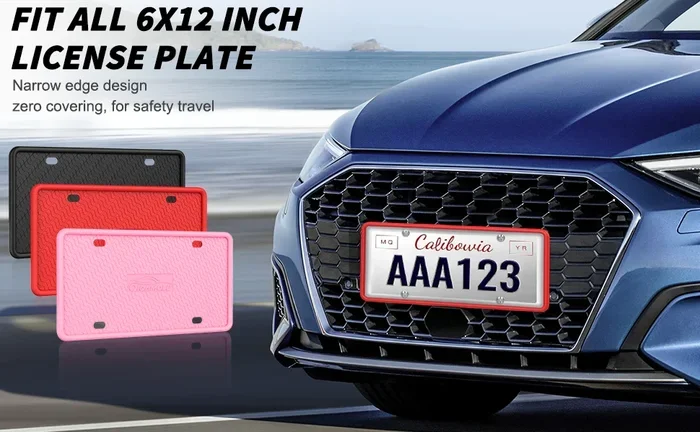
- Slim profile design: A low-profile frame looks clean and does not interfere with the car’s lines.
- Anti-vibration padding: Some holders include rubber grommets or pads that reduce road noise and vibration.
- Reflective elements: For added safety, choose holders with reflective surfaces or edges.
When shopping for a car number plate holder, prioritize these features. They ensure your holder is functional, safe, and visually appealing.
Installation Tips for Your Car Number Plate Holder
Installing a number plate holder is easier than most people think. With the right tools and a little patience, you can do it yourself in under 30 minutes. Here is how to do it right.
Step-by-Step Installation Guide
- Gather your tools: You will need a screwdriver, wrench, measuring tape, and a marker. Having everything ready saves time.
- Remove the old holder: Unscrew the existing plate holder carefully. Keep all screws and hardware in a safe place.
- Clean the mounting area: Wipe down the area where the new holder will go. Remove dirt, grease, or old adhesive for a clean surface.
- Position the new holder: Hold the new license plate bracket in place. Use a measuring tape to center it properly over the mounting holes.
- Mark the drill points: If needed, mark where the screws will go with a marker. This ensures accurate placement.
- Attach the holder: Secure the holder with screws or bolts. Tighten them firmly but do not overtighten, as this can crack the surface.
- Mount the plate: Place your license plate onto the holder and fasten it with the provided hardware.
- Check for stability: Give the plate a gentle shake. It should feel secure with no movement or rattling.
Quick Tips for a Perfect Install
- Apply a thin layer of thread-locking compound to bolts to prevent them from loosening over time.
- Use rubber washers to reduce vibration and protect the car’s surface from scratches.
- Double-check that the plate is level before fully tightening all screws.
- If using an adhesive mount, let it cure for at least 24 hours before driving.
A proper installation makes your car number plate holder look professional and perform reliably. Take your time and do it right the first time.
Common Mistakes to Avoid When Choosing a Plate Holder
Even with the best intentions, people make mistakes when selecting and installing a number plate mount. Here are the most common ones to watch out for.
Ignoring Local Laws
The biggest mistake is not checking local regulations. Some holders are designed to look stylish but may block the plate number or cover too much of the plate surface. This can result in fines or failed inspections. Always ensure your license plate bracket keeps the plate fully visible and legible.
Choosing the Wrong Size
Not all plates are the same size. Standard plates vary by country and state. Buying a car number plate holder without measuring your plate first leads to a poor fit. Always check the dimensions before purchasing.
Skipping Rust Protection
Even stainless steel holders can corrode if the protective coating is damaged. Avoid holders with sharp edges that can chip the finish. Apply a small amount of anti-seize lubricant to screws to prevent rust buildup over time.
Overtightening Screws
It is tempting to crank down the screws as tight as possible. But overtightening can strip the threads, crack the mounting surface, or warp the plate. Tighten until secure, then stop. A snug fit is all you need.
Neglecting Regular Maintenance
Even the best number plate holder needs occasional care. Clean it with mild soap and water. Check screws periodically for looseness. Inspect the holder for rust, cracks, or wear. A little maintenance goes a long way in extending its lifespan.
Expert Insights: Why a Quality Plate Holder Is Worth It
Automotive experts agree that a car number plate holder is one of the most overlooked yet impactful upgrades you can make. It is a small investment that pays off in safety, style, and longevity.
According to automotive specialists, a well-fitted license plate mount prevents plates from becoming loose or falling off during highway driving. It also protects the plate from corrosion caused by road salt, bird droppings, and UV exposure. Over time, these small protections add up and save you money on replacements.
Style experts also point out that a clean plate holder gives your car a finished, polished look. It shows attention to detail. Whether your car is a daily driver or a weekend showpiece, the right car number plate holder elevates the overall appearance.
Conclusion
Choosing the right car number plate holder is simpler than it seems. You now know the different types, materials, and features to look for. You understand how to install one properly and what mistakes to avoid. With this knowledge, you are ready to make a confident choice.
A quality number plate holder keeps your plates secure, your car looking great, and keeps you on the right side of the law. Whether you choose stainless steel, chrome, carbon fiber, or a budget-friendly plastic option, the key is to pick one that fits your vehicle, your style, and your driving conditions.
Take the time to research, compare options, and install your new license plate bracket carefully. Your car will thank you with a cleaner, safer, and more polished look every time you hit the road. Upgrade your ride today and enjoy the difference a great car number plate holder makes.
Frequently Asked Questions
Can I use a quick-release plate holder on the street?
It depends on your local laws. Some regions allow quick-release mounts, while others consider them illegal because they make plates easy to remove. Always check your state or country regulations before installing one.
How long does a car number plate holder last?
A high-quality stainless steel or chrome holder can last 10 years or more with proper care. Plastic holders may need replacement every 2 to 3 years, especially in harsh weather conditions.
Do I need a different holder for front and rear plates?
Not necessarily. Many universal plate mounts work for both front and rear plates. However, some vehicles require different sizes or styles for each position, so measure both mounting areas before buying.
Can I install a car number plate holder myself?
Absolutely. Most holders are designed for DIY installation. You only need basic tools like a screwdriver or wrench. The entire process typically takes 15 to 30 minutes.
What is the best material for a number plate holder in coastal areas?
Stainless steel is the best choice for coastal driving. It resists salt air and moisture much better than chrome, plastic, or carbon fiber. It will not rust or corrode even after years of exposure.
Are adhesive plate holders safe for highway driving?
Adhesive holders work well for low-speed and short-distance driving. For highway use, a bolt-on or screw-mounted holder is much more secure. The vibration and wind forces at high speeds can weaken adhesive bonds over time.
=== SEO Title ===
Best Car Number Plate Holder Guide to Upgrade Your Ride
=== META TITLE ===
Best Car Number Plate Holder Guide | Upgrade Your Ride
=== URL SLUG ===
best-car-number-plate-holder-guide
=== META DESCRIPTION ===
Find the best car number plate holder for your vehicle. Our guide covers types, materials, installation tips, and top picks to upgrade your ride today.