Why Does My Car Overheat When I Stop at a Red Light
Your car overheats when you stop because the cooling system struggles to maintain airflow at low speeds or idle. Common culprits include a failing radiator fan, low coolant, a stuck thermostat, or a worn water pump. Understanding these causes helps you act fast and avoid costly engine damage.
Key Takeaways
- Low coolant is the #1 easy fix: A simple top-off or leak repair can solve most overheating issues at idle.
- The radiator fan is critical at stop: Without it, your engine has no way to cool down when you are not moving.
- A stuck thermostat blocks coolant flow: This small part causes big overheating problems when your car slows down.
- Air conditioning adds extra heat load: Running AC at a red light puts more stress on an already weak cooling system.
- Ignoring warning signs leads to expensive repairs: A blown head gasket or warped engine block costs far more than a fan clutch replacement.
- Regular maintenance prevents most overheating: Routine coolant flushes and inspections keep your engine running cool.
📑 Table of Contents
- Why Does My Car Overheat When I Stop at a Red Light?
- Top Reasons Your Engine Overheats When Stopped
- Warning Signs You Should Never Ignore
- Quick Fixes and Preventive Measures
- When to See a Mechanic
- Expert Insights and Common Mistakes
- Comparison: Common Overheating Causes at Idle
- Final Thoughts on Car Overheating at Idle
Why Does My Car Overheat When I Stop at a Red Light?
You are sitting at a red light. The sun is beating down. Your temperature gauge starts climbing and suddenly steam is rising from under the hood. This is one of the most frustrating and scary moments for any driver. You are not going fast, so why is your engine overheating?
The answer lies in how your car’s cooling system works. When you are driving at highway speeds, air flows naturally through the radiator and cools the engine. But when you stop or slow down, that natural airflow drops to almost zero. At that point, your radiator fan and coolant circulation system must take over completely. If any part of that system is weak or broken, your engine will overheat the moment you come to a halt.
Understanding why this happens is the first step to fixing it. In this article, we will walk through every common cause, every warning sign, and every fix you need to know. Whether you are dealing with a coolant leak, a faulty fan clutch, or something more serious, we have you covered. Let us get into it.
How Your Cooling System Works at Low Speeds
When your car moves at high speed, tons of air rush through the front grille and hit the radiator. This airflow carries heat away from the coolant. It is a simple and effective process. But when you stop, that airflow disappears. Your engine still generates heat, but now it has no natural way to dump that heat.
This is where the electric cooling fan or fan clutch steps in. These components are designed to kick on when the engine temperature rises above a certain point. They pull air through the radiator manually. If this fan system fails, your engine has zero backup cooling at idle. That is when you see the temperature gauge spike.
The water pump also plays a huge role. It circulates coolant through the engine block and radiator. At low speeds, the pump still needs to work hard to keep coolant moving. If the pump is worn or failing, coolant sits still and heat builds up fast.
Top Reasons Your Engine Overheats When Stopped
Several things can cause your car to overheat specifically when you stop. Some are simple and cheap to fix. Others need more attention. Here are the most common reasons.
1. Faulty Radiator Fan or Fan Clutch
The radiator fan is the most common reason cars overheat at idle. When your car is stopped, this fan is your only source of airflow through the radiator. If the fan motor burns out, the fan clutch fails, or the fan relay goes bad, no air moves through the radiator. Heat builds up fast.
A fan clutch is a special device that engages the fan based on coolant temperature. When it works properly, the fan spins faster as the engine gets hotter. When it fails, the fan may not spin at all or spin too slowly. You might notice the fan making unusual noises or not spinning at all when the engine is hot.
An electric radiator fan uses a motor and relay instead of a clutch. Common problems include a blown fuse, a bad relay, or a worn motor. These are usually easy and affordable to repair.
2. Low Coolant Levels or a Coolant Leak
Coolant is the lifeblood of your overheating engine cooling system. Without enough coolant, there is not enough fluid to absorb and carry away heat. Even a small drop in coolant level can cause big overheating problems, especially at idle when airflow is low.
Common sources of a coolant leak include:
- Radiator hoses that crack or loosen over time
- A loose or warped radiator cap that fails to hold system pressure
- A leaking water pump seal
- Heater core leaks inside the cabin
- Cracks in the radiator itself
If you notice a puddle of green, orange, or pink fluid under your car, you likely have a coolant leak. Check your reservoir tank regularly. Topping off the coolant is a quick fix, but finding and repairing the leak is the real solution.
3. Stuck or Faulty Thermostat
The thermostat is a small valve that opens and closes to regulate coolant flow. When the engine is cold, the thermostat stays closed to help the engine warm up quickly. When the engine heats up, the thermostat opens and lets coolant flow to the radiator.
If the thermostat gets stuck closed, coolant cannot reach the radiator. The heat has nowhere to go. This is one of the most common reasons a car overheats at idle and on the highway. Replacing a thermostat is one of the cheapest and easiest repairs you can do.
Watch for these overheating symptoms that point to a thermostat problem:
- The temperature gauge rises slowly after startup
- Your heater blows cold air even when the engine is hot
- The gauge fluctuates wildly between hot and normal
4. Water Pump Failure
The water pump pushes coolant through the entire system. It is driven by the serpentine belt and works constantly while the engine runs. Over time, the pump’s internal seals wear out. Coolant starts to leak, and the pump loses its ability to circulate fluid properly.
When the water pump weakens, coolant moves too slowly through the engine. At highway speeds, there is enough natural airflow to compensate. But at a stop, the lack of circulation means heat builds up quickly. A whining or grinding noise from the front of the engine often signals a failing water pump.
5. Clogged Radiator or Blocked Airflow
Your radiator can become clogged with dirt, bugs, and debris over time. This blocks airflow and reduces the radiator’s ability to release heat. Even a clean radiator can be blocked if traffic congestion keeps you crawling along with no airflow.
Sometimes the problem is not the radiator itself but what is in front of it. A front grille guard, aftermarket bumper, or even accumulated leaves can block the air path to the radiator. Check that nothing is obstructing the front of your cooling system.
6. Bad Head Gasket
A blown head gasket is a serious and expensive problem. The head gasket sits between the engine block and the cylinder head. It keeps coolant and oil separated while maintaining compression. When it fails, coolant can leak into the cylinders or combustion chamber.
Signs of a head gasket problem include:
- White smoke coming from the exhaust
- Coolant disappearing without any visible leak
- Oil that looks milky or frothy
- Bubbles in the coolant reservoir
- Overheating that comes on suddenly and severely
If you suspect a head gasket issue, get to a mechanic right away. Driving with a blown head gasket can cause catastrophic engine damage.
7. Air Conditioning Load at Idle
Here is something many drivers do not think about. Your air conditioning system generates a lot of heat. The AC compressor puts extra load on the engine, especially when it is running at a stoplight. On a hot day, the AC system can raise your engine temperature significantly.
If your car already has a weak cooling system, running the AC at a red light can be the final straw that causes overheating. Try turning the AC off when you notice the temperature climbing. This reduces the engine load and can buy you time to pull over safely.
Warning Signs You Should Never Ignore
Your car gives you plenty of warning before a full overheating event. Learning to read these signs can save you from a roadside breakdown and expensive repairs.
Temperature Gauge Spikes
Your dashboard temperature gauge is your best friend. Most cars run in the normal range between 195 and 220 degrees Fahrenheit. If you see the needle climbing toward the hot zone, pay attention. A steady rise while you are stopped is a clear signal that something is wrong with your cooling system.
Do not ignore a gauge that slowly creeps upward over several trips. This gradual rise often points to a small leak, a weak water pump, or a thermostat that is starting to fail. Catching these early signs can prevent a total breakdown.
Steam and Smell Signals
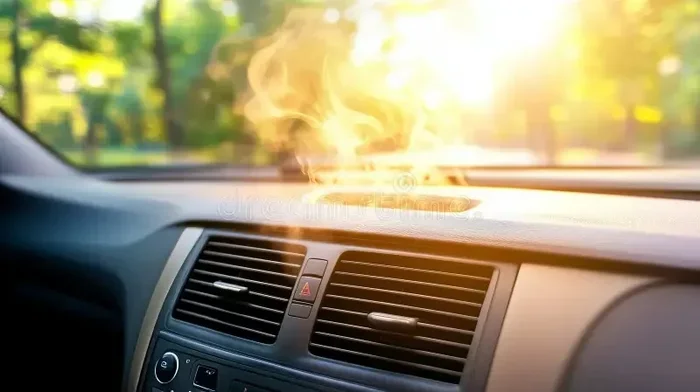
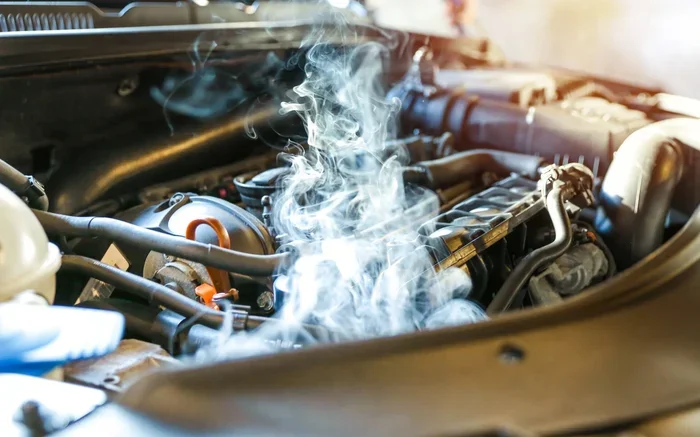
If you see steam or smoke coming from under the hood, pull over immediately. The smell is usually sweet, like maple syrup, which comes from leaking coolant. Do not open the hood right away. The pressure inside the cooling system is high, and hot coolant can burn you badly.
Turn off the engine and wait at least 15 to 20 minutes before opening anything. Let the system cool down. Then check the coolant reservoir level and look for visible leaks.
Unusual Noises From the Engine Bay
A knocking or pinging sound from the engine can indicate detonation caused by overheating. A gurgling or bubbling noise often means air is trapped in the cooling system. A squealing or grinding noise might point to a slipping serpentine belt or a failing water pump bearing. All of these sounds deserve your attention.
Quick Fixes and Preventive Measures
Prevention is always better than repair when it comes to engine overheating. Here are some practical steps you can take to keep your car running cool.
What to Do Right Now When Your Car Overheats
If your temperature gauge spikes while you are stopped, follow these steps:
- Turn off the air conditioning immediately. This reduces engine load and helps cool things down.
- Turn the heater to full blast. This sounds counterintuitive, but the heater core acts as a secondary radiator. It pulls heat out of the coolant and into the cabin.
- Put the car in neutral or park and rev the engine gently. This speeds up the water pump and fan, increasing coolant circulation.
- Find a safe place to pull over. Do not keep driving if the gauge is in the red.
- Let the engine idle for a few minutes with the heater on before turning it off.
Long-Term Prevention Tips
Keeping your cooling system in great shape is the best defense against overheating at idle. Here is what you should do regularly:
- Check coolant levels at least once a month, especially before long trips
- Flush and replace coolant every 30,000 to 50,000 miles, or as your owner’s manual recommends
- Inspect radiator hoses for cracks, swelling, or soft spots
- Test the radiator cap pressure rating annually
- Clean the front of the radiator to remove dirt, bugs, and debris
- Listen for fan operation when the engine reaches normal operating temperature
- Replace the thermostat every 100,000 miles as a preventive measure
When to See a Mechanic
Some overheating problems you can fix yourself. Others need a professional touch. Knowing the difference saves you time, money, and stress.
Repairs You Can Handle at Home
If you are comfortable under the hood, here are a few fixes you can do yourself:
- Topping off coolant when the level is low
- Replacing a radiator cap that is not holding pressure
- Swapping out a thermostat with basic tools
- Replacing a radiator hose that has a visible crack
- Checking and resetting the fan relay
These repairs are usually inexpensive and straightforward. A repair manual or a quick video tutorial can walk you through the process for most vehicles.
Repairs That Need a Professional
Some issues are too complex or too risky to DIY. You should see a mechanic if you suspect:
- A water pump that needs replacement
- A blown head gasket that requires engine disassembly
- Internal coolant leaks that are hard to locate
- A cracked engine block or warped cylinder head
- Electrical issues with the cooling fan circuit
These repairs can be expensive, but ignoring them will cost you far more. A blown head gasket can lead to a complete engine replacement if you keep driving on it.
Costly Repairs You Can Avoid
The most expensive overheating damage comes from driving while the engine is too hot. When an engine overheats repeatedly, the metal parts expand beyond their normal limits. This can warp the cylinder head, crack the engine block, or destroy internal bearings.
A warped cylinder head can cost $500 to $1,000 to repair or replace. A cracked engine block can mean a full engine replacement costing $3,000 to $5,000 or more. Compare that to a $20 thermostat or a $150 fan clutch replacement. The message is clear: fix small problems before they become big ones.
Expert Insights and Common Mistakes
What Mechanics Wish You Knew
Experienced mechanics see overheating cars every day. Here are a few things they wish every driver understood:
- Do not ignore the temperature gauge. It exists for a reason. If it moves, something is wrong.
- Coolant and water are not the same. Using plain water can cause corrosion and reduced boiling point. Always use the proper coolant mixture.
- Overheating at idle is different from overheating on the highway. Idle overheating usually points to fan or airflow issues. Highway overheating often points to a thermostat or radiator problem.
- Do not open the radiator cap when the engine is hot. The pressurized system can spray boiling coolant and cause serious burns.
Common Mistakes That Make Overheating Worse
Many drivers accidentally make overheating problems worse without realizing it:
- Continuing to drive with a hot engine. Even a few more miles can cause irreversible damage.
- Adding cold water to a hot engine. The sudden temperature change can crack the engine block or warp the head.
- Ignoring small leaks. A tiny drip today becomes a major problem tomorrow.
- Using the wrong coolant type. Mixing incompatible coolants can create sludge that clogs the system.
- Forgetting to replace old coolant. Coolant breaks down over time and loses its effectiveness.
Comparison: Common Overheating Causes at Idle
Not all overheating causes are created equal. Here is a quick comparison of the most common reasons your car overheats when stopped, ranked by frequency and repair cost.
| Cause | Frequency | Typical Repair Cost | DIY Fixable? |
|---|---|---|---|
| Low Coolant or Coolant Leak | Very Common | $10 – $150 | Yes (topping off) |
| Faulty Radiator Fan or Fan Clutch | Very Common | $100 – $400 | Sometimes |
| Stuck Thermostat | Common | $50 – $150 | Yes |
| Water Pump Failure | Common | $300 – $750 | No |
| Clogged Radiator | Moderate | $100 – $300 | Sometimes |
| Blown Head Gasket | Less Common | $1,000 – $2,500 | No |
| Bad Radiator Cap | Common | $10 – $30 | Yes |
As you can see, most overheating problems are affordable and easy to fix when you catch them early. The key is to pay attention to your temperature gauge and act quickly when something seems off.
Final Thoughts on Car Overheating at Idle
Your car overheating when you stop at a red light is never normal. It is a clear signal that something in your cooling system is not working properly. Whether it is a simple low coolant level or a more serious issue like a failing water pump, the cause is almost always fixable.
The best approach is to stay proactive. Check your coolant levels regularly, listen for unusual sounds, and watch your temperature gauge. When you notice the first sign of trouble, do not ignore it. A quick inspection and a simple repair now can save you thousands of dollars later.
Remember, your engine works hard every time you turn the key. Give it the care and attention it deserves. A well-maintained cooling system keeps your engine running cool, your trips worry-free, and your wallet happy. Take action today and make sure your car is ready for every red light on the road.
Frequently Asked Questions
Can low coolant alone cause my car to overheat at a red light?
Yes, low coolant is one of the most common reasons a car overheats at idle. When coolant levels drop, there is not enough fluid to absorb and carry heat away from the engine. At highway speeds, the natural airflow provides some cooling, but at a stop, the cooling system relies entirely on the remaining coolant. Even a small drop in level can cause overheating when you are not moving.
How do I know if my radiator fan is working properly?
You can test your radiator fan by letting your car idle until the engine reaches normal operating temperature. The fan should kick on automatically when the temperature gauge starts to rise. If you do not hear the fan engage or see it spinning, there may be a problem with the fan motor, relay, or fuse. You can also turn on your air conditioning, which usually triggers the fan to turn on as well.
Is it safe to drive my car if it overheats at idle?
No, it is not safe. Driving an overheating engine can cause serious and permanent damage, including a warped cylinder head, blown head gasket, or cracked engine block. If your temperature gauge enters the red zone, pull over safely, turn off the engine, and let it cool down. Have the car towed to a mechanic if necessary.
How often should I flush my coolant to prevent overheating?
Most manufacturers recommend flushing and replacing coolant every 30,000 to 50,000 miles, but check your owner’s manual for the exact interval. Over time, coolant breaks down and loses its ability to regulate temperature effectively. Fresh coolant also contains anti-corrosion additives that protect your water pump, radiator, and hoses from premature wear.
Does running the heater really help cool an overheating engine?
Yes, it actually works. The heater core is a small heat exchanger that pulls hot coolant through the dashboard. When you turn the heater to full blast, it draws heat away from the coolant and into the cabin. This acts as a secondary cooling method and can help lower your engine temperature temporarily until you can pull over safely.
What is the difference between a fan clutch and an electric cooling fan?
A fan clutch is a mechanical device that uses a fluid coupling to engage the radiator fan based on coolant temperature. It spins freely when the engine is cool and locks up to pull air through the radiator when the engine gets hot. An electric cooling fan uses an electric motor controlled by a temperature sensor and relay. Electric fans are more common in modern cars and are generally more reliable and efficient than fan clutches.
=== CONCLUSION ===
Your car overheating when you stop at a red light is a problem you should not ignore. The main causes range from simple fixes like low coolant or a bad radiator cap to more serious issues like a failed water pump or blown head gasket. The good news is that most of these problems are affordable to repair and easy to prevent with regular maintenance.
Start by checking your coolant levels and inspecting your radiator fan. These two areas account for the majority of overheating at idle cases. Keep your cooling system well-maintained with regular flushes and inspections, and you will avoid most overheating problems for good.
Remember, your engine gives you warning signs before a major failure. Pay attention to your temperature gauge, listen for unusual noises, and act quickly when something seems wrong. A little attention today can save you from a very expensive repair tomorrow. Take care of your car, and it will take care of you on every drive.