Can a Parking Brake Be Fixed Here Are Your Options
A parking brake can often be fixed depending on the problem. Whether it is a stretched cable, stuck caliper, or worn component, several repair options exist. This guide covers DIY fixes, professional solutions, and costs so you can decide the best path forward.
Key Takeaways
- Most parking brake issues are repairable: Cable adjustment, lubrication, and caliper servicing fix the majority of problems.
- DIY fixes save money: Simple cable adjustments and lubrication can be done at home with basic tools.
- Professional repair costs vary widely: Expect to pay between $100 and $400 depending on the severity.
- Driving with a broken parking brake is risky: It can damage your rear brakes and compromise safety.
- Regular maintenance prevents problems: Routine checks keep your parking brake system working reliably for years.
- Replacement is sometimes necessary: Severely damaged cables or corroded components may need full replacement rather than repair.
📑 Table of Contents
Understanding How Your Parking Brake System Works
Your parking brake is one of the most important safety features in your vehicle. Also called the emergency brake or hand brake, it keeps your car stationary when parked. Understanding how it works helps you troubleshoot problems faster.
The system is surprisingly simple. A cable connects the parking brake lever or pedal to the rear brakes. When you pull the lever or press the pedal, the cable tightens and applies pressure to the rear brake pads or shoes. This holds the car in place on any incline.
There are three main types of parking brake systems. The lever-style hand brake is the most common in older vehicles. A pedal-style parking brake sits to the left of the regular brake pedal. Modern cars sometimes use a push-button electronic parking brake located near the center console.
Regardless of the type, all parking brakes rely on proper cable tension and functioning rear brakes. When any part of this system fails, your parking brake will not hold or release correctly.
Why Parking Brakes Fail
Parking brake failure usually comes down to a few common causes. Cable stretch is the number one culprit. Over time, the steel cable naturally elongates from repeated use and exposure to the elements.
Rust and corrosion also play a big role. Cables run underneath the vehicle and collect moisture. This leads to oxidation that stiffens or seizes the cable. In cold climates, ice buildup can freeze the cable in place.
Worn brake components contribute too. If your rear brake pads are completely worn down, the parking brake cannot grip properly. A stuck caliper or seized emergency brake mechanism will also cause failure.
Common Signs Your Parking Brake Needs Fixing
Spotting problems early saves you from bigger repairs down the road. Watch for these warning signs that your parking brake needs attention.
The brake warning light stays on. Most modern vehicles have a dashboard indicator for the parking brake system. If the light remains illuminated after you release the brake, something is wrong.
The car rolls when parked. This is the most obvious sign. If your vehicle moves on a flat surface with the parking brake engaged, the system is not holding. Do not ignore this.
The lever or pedal feels loose. A spongy or loose-feeling parking brake pedal or lever suggests cable slack. The cable has stretched beyond the adjustment range.
Unusual noises when engaging. Grinding, squealing, or clicking sounds when you pull the lever point to mechanical issues. These noises often mean corroded cables or worn components.
The brake does not release fully. If the parking brake drags after release, your rear brakes may overheat. This causes premature wear and can be dangerous while driving.
Can You Still Drive With a Faulty Parking Brake?
Technically, you can drive with a partially engaged parking brake, but you should not. A dragging parking brake wears down your rear brake pads quickly. It can also cause overheating, which leads to brake fade and reduced stopping power.
If your parking brake completely fails, you still need to get your vehicle inspected. Driving without any parking brake function on an incline is extremely risky. Always address the issue promptly.
You should also know that some states require a functioning parking brake for vehicle inspections. A broken system could cause you to fail your annual inspection. If you are unsure about the legal requirements in your area, check your local regulations.
DIY Parking Brake Repair Options
Not every parking brake problem requires a trip to the shop. Several repairs are simple enough to handle at home with basic tools and a little patience. Here are the most common DIY fixes.
Adjusting the Parking Brake Cable
A loose parking brake is almost always caused by cable stretch. The good news is adjusting the cable is straightforward and takes about 15 minutes.
Start by locating the cable adjustment point. On most vehicles, you will find it under the car near the rear brakes or beneath the center console. Loosen the lock nut, tighten the adjustment nut to take up slack, then re-tighten the lock nut.
Test the brake after adjustment. Pull the lever or press the pedal and confirm the car holds on a slight incline. The brake should engage by about the third or fourth click on most vehicles.
Quick tip: Always adjust the cable when the rear brakes are cool. Hot brakes can give you a false reading and lead to improper adjustment.
Lubricating the Parking Brake Cable
Corroded cables stick and do not move freely. Applying cable lubricant can restore smooth operation in many cases. Use a dedicated cable lubricant or a silicone-based product designed for brake systems.
Spray the lubricant into the cable housing while moving the lever back and forth. This helps the lubricant work its way inside the sheath. Wipe away any excess and test the system.
Do not use regular WD-40 for this purpose. It is a penetrant, not a long-term lubricant, and it can attract dirt that worsens the problem over time.
Releasing a Stuck Parking Brake
A frozen parking brake is frustrating but often fixable at home. Try these steps in order.
First, rock the vehicle gently forward and backward. Sometimes this breaks the grip of a frozen cable or caliper. Second, apply and release the parking brake several times rapidly. This can help free a sticking mechanism.
If those do not work, try tapping the cable housing with a rubber mallet. The vibration can break up corrosion and ice. In cold weather, pouring warm (not boiling) water over the rear brake area can melt ice buildup.
If the parking brake remains stuck after all these attempts, it is time to visit a professional. Forcing the system can cause expensive damage to the rear brakes or transmission.
Replacing the Parking Brake Cable
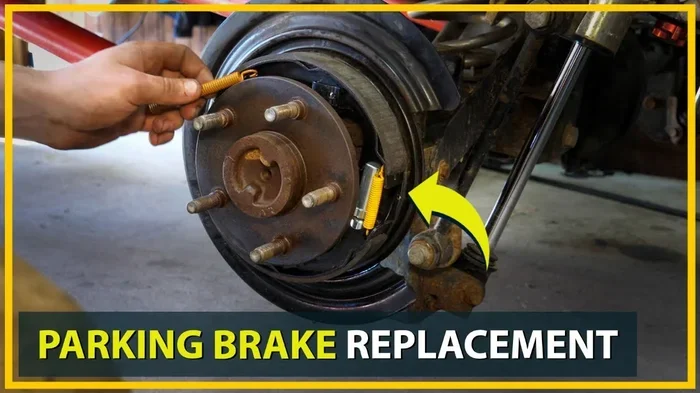
A frayed or snapped cable needs replacement. This is a moderate difficulty repair that most home mechanics can handle. You will need a replacement cable specific to your vehicle make and model.
Start by disconnecting the cable at the lever or pedal end. Remove the retaining clip or nut and pull the cable free. Then disconnect the other end at the rear brake. Install the new cable in reverse order and adjust the tension.
Important: Always replace cables in pairs. If one cable has failed, the other is likely close behind. Replacing both at the same time saves labor and prevents future issues.
Professional Parking Brake Repair Options
Some parking brake problems are beyond DIY repair. When the issue involves internal brake components or electronic systems, a professional mechanic is your best bet.
What a Mechanic Will Do
A qualified mechanic starts with a thorough inspection of the entire parking brake system. They check cable condition, adjust tension, and inspect the rear brake components for wear or damage.
If the cables are fine, they move to the calipers and brake assemblies. Stuck calipers often need to be rebuilt or replaced. On vehicles with rear disc brakes that incorporate the parking brake mechanism inside the caliper, the repair can be more involved.
For electronic parking brakes, the diagnosis is different. The mechanic scans the vehicle computer for error codes. Common issues include faulty switches, motor failures, or wiring problems. Electronic systems often require specialized tools for proper repair.
Many drivers wonder whether to trust a mechanic with this work. The truth is, parking brake repair is routine for most technicians. It is not an exotic or complicated procedure. If you are concerned about costs, you can ask the mechanic to explain each step before they proceed. A good shop will always be transparent about what they are doing and why.
When to See a Professional
You should seek professional help in several situations. If the DIY adjustments do not resolve the problem, a mechanic can identify deeper issues. Any time you smell burning from the rear brakes after driving, get the vehicle inspected immediately.
If your parking brake cable has snapped or the housing is damaged, professional repair is safest. Brake system repairs affect your safety and the safety of others on the road. Do not take chances with critical safety components.
Also see a professional if your vehicle has an electronic parking brake. These systems require specialized diagnostic equipment and software. Attempting DIY repairs on electronic systems can cause additional problems and void warranties.
What to Expect During the Repair Visit
Most parking brake repairs take one to two hours. The mechanic will lift the vehicle, inspect the system, and provide an estimate before doing any work. Always ask for an estimate in writing and confirm the scope of the repair.
After the repair, the mechanic will test the system thoroughly. They will check cable tension, verify the brake holds on an incline, and confirm the release mechanism works properly. Do not hesitate to ask them to demonstrate the repair before you leave the shop.
If you need to leave your vehicle at the shop, it is perfectly reasonable to ask about their policies. You might wonder, can a mechanic hold your car until you pay? Most shops have clear policies about this, and understanding them beforehand can prevent any confusion or stress.
Parking Brake Repair Costs Explained
Cost is a major factor when deciding how to fix your parking brake. The price depends on the type of repair, your vehicle, and where you live.
DIY Repair Costs
DIY repairs are the most affordable option. A parking brake cable replacement kit typically costs between $15 and $40. Cable lubricant runs about $5 to $10. Basic hand tools you likely already own.
The biggest cost of a DIY repair is your time. If you are comfortable working under the vehicle and have the right tools, DIY fixes can save you significant money compared to professional service.
Professional Repair Costs
Professional parking brake repairs range widely. A simple cable adjustment usually costs between $50 and $100. Cable replacement runs $100 to $200 including parts and labor.
More complex repairs cost more. Rear brake caliper replacement can run $200 to $400 per axle. Electronic parking brake module repairs can exceed $500 depending on the vehicle. Always get a detailed breakdown of parts and labor before authorizing any work.
Here is a quick comparison of common parking brake repair costs.
- Cable adjustment: $50 to $100 (professional) or free (DIY)
- Cable replacement: $100 to $200
- Caliper service or replacement: $150 to $400
- Electronic parking brake module: $300 to $600
- Full rear brake job with parking brake: $300 to $700
These prices vary by region and vehicle type. Luxury vehicles and specialty models often cost more for parts and labor. Always get quotes from at least two shops before committing to a major repair.
Is Parking Brake Repair Covered by Warranty or Insurance?
Warranties sometimes cover parking brake repairs if the issue stems from a manufacturing defect. Check your vehicle warranty documentation for specific coverage details. Standard wear and tear is usually not covered.
Insurance typically does not cover parking brake repairs unless the damage results from an accident. Routine maintenance and mechanical failures fall outside standard coverage. However, if you are involved in a collision and the parking brake system is damaged, your insurance may cover the repairs.
Preventing Parking Brake Problems in the Future
Prevention is always cheaper and easier than repair. A few simple habits keep your parking brake system in excellent shape for years.
Regular Use Is Essential
Use your parking brake every time you park. Infrequent use allows the cable to seize from lack of movement. Regular engagement and release keeps the cable lubricated and free-moving.
On the flip side, do not rely on the parking brake in automatic transmissions as a substitute for putting the vehicle in park. The transmission parking pawl handles that job. The parking brake provides additional security, especially on hills.
Inspect Cables Periodically
Have your cables inspected during every brake service. A mechanic can spot early signs of wear, corrosion, or stretch before they become serious problems. This simple check can extend the life of your entire parking brake system.
Keep the cable housing clean and free of debris. Wash the underside of your vehicle regularly, especially after driving on salt roads in winter. Salt accelerates corrosion and is the enemy of parking brake cables.
Address Small Problems Immediately
Do not ignore early warning signs. A slightly loose parking lever or occasional dragging is worth investigating right away. Small issues become big problems fast when left unaddressed.
Regular brake system maintenance benefits your entire vehicle, not just the parking brake. When you take care of your brakes proactively, you avoid costly repairs and stay safe on the road. If you notice anything unusual with your braking system, have it checked promptly.
Winter Parking Brake Care
Winter weather puts extra stress on parking brake systems. Ice and snow can freeze the cable, making it impossible to release the brake in the morning.
To prevent winter issues, park in a garage or covered area whenever possible. If you must park outside, try to avoid steep inclines where the parking brake bears the most load. You can also place blocks behind the tires as a supplemental safety measure.
In extremely cold conditions, some drivers avoid engaging the parking brake overnight. Instead, they turn the wheels toward the curb and use wheel chocks. This is a safe alternative that prevents cable freezing. Just remember to remove any chocks before driving.
Taking care of your vehicle in all seasons pays off. If you have experienced weather-related car troubles before, you know how quickly a small issue can snowball. For more on how weather affects your car, check out our guide on whether a car can overheat in the winter and how to prevent it.
Key Takeaways
- Most parking brake issues are repairable: Cable adjustment, lubrication, and caliper servicing fix the majority of problems.
- DIY fixes save money: Simple cable adjustments and lubrication can be done at home with basic tools.
- Professional repair costs vary widely: Expect to pay between $100 and $400 depending on the severity.
- Driving with a broken parking brake is risky: It can damage your rear brakes and compromise safety.
- Regular maintenance prevents problems: Routine checks keep your parking brake system working reliably for years.
- Replacement is sometimes necessary: Severely damaged cables or corroded components may need full replacement rather than repair.
Conclusion
The answer to whether a parking brake can be fixed is almost always yes. From simple cable adjustments to full caliper replacements, there are plenty of options available at every budget level. The key is identifying the problem early and choosing the right repair approach.
DIY fixes work well for cable stretch, minor corrosion, and lubrication issues. Professional repairs handle more complex problems like seized calipers, broken cables, and electronic system failures. Either way, addressing parking brake problems promptly keeps you safe and prevents further damage to your vehicle.
Do not let a faulty parking brake linger. It is a critical safety system that deserves your attention. Whether you tackle the repair yourself or visit a trusted mechanic, the investment pays off in peace of mind and reliable vehicle operation. Your parking brake works hard every day to keep you safe. Give it the care it deserves.
Remember, if you ever find yourself stuck with a vehicle problem you cannot resolve, help is always available. Whether you need guidance on driving with a warning code or advice on vehicle maintenance, the right information makes all the difference.
Frequently Asked Questions
How long does a parking brake repair take?
Most parking brake repairs take one to two hours at a shop. Simple cable adjustments can be done in 15 to 30 minutes. More complex repairs involving caliper replacement or electronic systems may take longer. The exact time depends on the vehicle model and the specific problem being addressed.
Can I drive my car if the parking brake is stuck?
You can drive short distances with a partially stuck parking brake, but you should not. A dragging brake causes uneven rear brake wear and can lead to overheating. If the parking brake is fully stuck, have the vehicle towed to a repair shop to avoid further damage to the braking system.
How much does it cost to fix a parking brake?
Costs range from $50 for a simple cable adjustment to $400 or more for caliper replacement. DIY repairs cost only the price of replacement parts, which typically run $15 to $40 for a cable. Professional labor adds $50 to $200 depending on the complexity of the repair and your local rates.
What causes a parking brake to slip or not hold?
The most common cause is a stretched or frayed cable that has lost proper tension. Corroded cables, worn rear brake pads, and stuck calipers also cause the parking brake to slip. In some cases, the adjustment mechanism wears out and cannot compensate for normal cable stretch anymore.
Is it safe to fix a parking brake yourself?
Simple adjustments and cable replacements are safe DIY projects for most people with basic mechanical skills. However, if the problem involves the rear brake calipers, electronic systems, or brake fluid lines, seek professional help. Brake system repairs directly affect your safety and the safety of others on the road.
Can cold weather cause parking brake problems?
Yes, cold weather is a common cause of parking brake issues. Ice can freeze the cable in place, preventing it from releasing. Moisture inside the cable housing freezes and causes the cable to stick. Parking in a garage and using wheel chocks as an alternative can help prevent cold-weather parking brake problems.