Does a 2003 Toyota Camry Really Take Synthetic Oil
Yes, a 2003 Toyota Camry can take synthetic oil, and many owners see real benefits from making the switch. This older Camry model runs well with full synthetic or synthetic blend oils, provided you use the right viscosity. Let us walk you through everything you need to know about synthetic oil for your 2003 Toyota Camry, from viscosity choices to change intervals and potential concerns.
You own a 2003 Toyota Camry, and you have probably wondered about the best oil to keep it running strong. The question comes up a lot. Does a 2003 Toyota Camry take synthetic oil? The short answer is yes. But like most car questions, the full answer has some important details worth understanding.
Your Camry is a reliable machine. It has served you well for over two decades. But the oil you put in it matters more than most people realize. Oil is the lifeblood of your engine. It reduces friction, cools critical parts, and prevents harmful buildup. Using the wrong type can lead to poor performance, reduced fuel economy, and even long-term engine damage.
In this guide, we will cover everything you need to know about putting synthetic oil in a 2003 Toyota Camry. We will look at viscosity, benefits, potential risks, and how often you should change your oil. By the end, you will feel confident making the right choice for your car.
Key Takeaways
- Synthetic oil works great: The 2003 Camry is fully compatible with synthetic oil and can benefit from its superior protection.
- Use 5W-30 viscosity: This is the recommended weight for the 2003 Camry engine and ensures proper lubrication.
- Change intervals extend: Synthetic oil can last longer between changes, saving you time and money over the long run.
- Watch for leaks: Older engines may have worn seals, so monitor for any oil leaks after switching to synthetic.
- Mobil 1 is a trusted choice: Brands like Mobil 1 have a strong track record with older Toyota models.
- Consult your owner manual: Always double-check your specific Camry trim and engine type for oil recommendations.
- Regular oil checks matter: No matter which oil type you choose, checking your oil level regularly keeps your engine healthy.
📑 Table of Contents
- What Kind of Oil Does a 2003 Toyota Camry Need?
- Benefits of Using Synthetic Oil in a 2003 Camry
- Potential Concerns About Synthetic Oil in Older Engines
- How Often Should You Change Oil in a 2003 Camry?
- Step-by-Step Guide to Changing Oil in a 2003 Camry
- Expert Recommendations and Final Verdict
- Conclusion
What Kind of Oil Does a 2003 Toyota Camry Need?
The 2003 Toyota Camry typically came with a 2.4-liter four-cylinder engine or an optional 3.0-liter V6. Both engines have specific oil requirements. Toyota designed these engines to work with a range of oil types, including full synthetic, synthetic blend, and conventional oil.
Understanding Oil Viscosity
Viscosity refers to how thick or thin your oil is at different temperatures. You will see it printed on every oil bottle as something like 5W-30 or 10W-40. The first number (the “W” stands for winter) tells you how the oil flows in cold temperatures. The second number tells you how it performs at normal engine operating temperature.
For the 2003 Camry, Toyota recommends 5W-30 for most driving conditions. This viscosity strikes a great balance. It flows easily when the engine is cold, which means better protection during startup. It also maintains proper thickness at operating temperature to keep all moving parts lubricated.
Some owners in very hot climates wonder if they should use a heavier oil like 10W-30. In most cases, 5W-30 works perfectly fine even in warm weather. Stick with what Toyota recommends unless you have a specific reason to deviate. And always check your owner manual for your exact trim and engine combination.
Conventional vs Synthetic vs Synthetic Blend
There are three main types of motor oil. Each has its own strengths and weaknesses.
- Conventional oil: This is the basic, budget-friendly option. It works fine for many engines but breaks down faster under heat and stress. You will need to change it more often, typically every 3,000 to 5,000 miles.
- Synthetic blend: This is a mix of conventional and full synthetic oil. It offers better protection than conventional oil at a moderate price point. It is a good middle ground for older vehicles.
- Full synthetic oil: This is the most advanced option. It is engineered in a lab to provide superior thermal stability, better lubrication, and longer-lasting performance. Many modern cars require it, and older cars like the 2003 Camry can benefit from it too.
If you are asking yourself whether synthetic oil is worth the extra cost for a 2003 Camry, the answer is a strong yes. The performance gains are real, and we will explain why in the next section.
Benefits of Using Synthetic Oil in a 2003 Camry
Switching to synthetic oil in your older Camry is not just a modern trend. There are tangible benefits that can improve how your car runs and how long your engine lasts.
Better Engine Protection
Synthetic oil molecules are uniform in size and shape. This is something conventional oil cannot achieve. Uniform molecules create a more consistent lubricating film between engine parts. That means less friction, less heat, and less wear over time.
Your 2003 Camry has been on the road for over 20 years. The engine internals have seen a lot of mileage. Synthetic oil provides a stronger protective layer, which is especially important for older engines where metal surfaces may have more micro-wear than a brand-new engine.
Synthetic oil also contains fewer impurities. Conventional oil can have trace amounts of sulfur, nitrogen, and other compounds that contribute to engine sludge buildup. Sludge is a sticky residue that clogs oil passages and reduces oil flow. Over time, this can cause serious engine problems. Synthetic oil resists sludge formation much better than conventional oil.
Improved Thermal Stability
One of the biggest advantages of synthetic oil is its thermal stability. This means it resists breaking down under high temperatures better than conventional oil. When your engine runs hot, especially during summer driving or heavy loads, synthetic oil maintains its viscosity and protective properties longer.
Think of it this way. Conventional oil is like a sponge that slowly loses its shape under heat. Synthetic oil is more like a solid ceramic coating that holds its form. This difference matters, especially in an older engine that may run slightly hotter than it did when it was new.
Better Fuel Efficiency
Because synthetic oil flows more smoothly and creates less internal friction, your engine does not have to work as hard. This can translate into a small but noticeable improvement in fuel economy. For a car like the 2003 Camry, where every bit of efficiency counts, this is a welcome benefit.
Some owners report gaining 1 to 2 miles per gallon after switching to synthetic oil. That may not sound like much, but over thousands of miles, it adds up to real savings at the pump.
Longer Oil Change Intervals
This is where synthetic oil really shines for practical owners. While conventional oil typically needs changing every 3,000 to 5,000 miles, synthetic oil can last significantly longer. Many full synthetic oils are rated for intervals of 7,500 to 15,000 miles, depending on the brand and driving conditions.
One popular choice among Camry owners is Mobil 1. It has a long history of reliability and performance. If you have ever wondered whether Mobil 1 really lasts 10,000 miles or more, the answer is generally yes, especially in well-maintained engines like the 2003 Camry.
Fewer oil changes mean less time in the garage and less money spent on oil and filters over the life of the vehicle. For owners who keep their Camrys for a long time, this adds up to significant savings.
Potential Concerns About Synthetic Oil in Older Engines
Now for the part that gives some people pause. There are a few concerns about putting synthetic oil in an older car. Let us address them honestly.
Leak Risks in High-Mileage Engines
The most common concern is that synthetic oil might cause leaks in older engines. Here is the truth. Synthetic oil is thinner and flows more easily than conventional oil. In engines with worn valve seals, gaskets, or other aging components, this thinner oil can find its way past seals more easily.
However, this does not mean synthetic oil causes leaks. It simply reveals leaks that were already there. If your 2003 Camry has burned oil or had minor leaks for years, synthetic oil might make those leaks slightly more noticeable. This is not because the oil is damaging your engine. It is because the oil is doing its job and flowing where conventional oil might not reach as easily.
If you notice new leaks after switching to synthetic oil, have a mechanic inspect the seals and gaskets. In most cases, the leaks were pre-existing and simply became apparent.
Seal Compatibility
Older engines used different seal materials than modern ones. Some older rubber seals and gaskets were designed to work with conventional oil. There was a concern that synthetic oil could cause these older seals to swell, shrink, or deteriorate.
Modern synthetic oils have addressed this concern. Today’s formulations are compatible with virtually all seal materials used in engines built from the 1990s onward. The 2003 Camry is well within this range. You should not have any seal compatibility issues with a properly formulated synthetic oil.
Oil Pressure Changes
Some older Camry owners report a slight drop in oil pressure after switching to synthetic oil. This happens because synthetic oil is thinner and flows more freely. The oil pressure gauge may read a bit lower than it did with conventional oil.
A slightly lower oil pressure reading is normal and generally not a cause for concern. However, if your oil pressure drops significantly or the warning light comes on, stop driving and investigate. Low oil pressure can cause serious engine damage if ignored.
How Often Should You Change Oil in a 2003 Camry?
Oil change intervals depend on the type of oil you use, your driving habits, and the conditions you typically drive in.
Synthetic Oil Change Intervals
With full synthetic oil, you can generally extend your change interval to every 7,500 to 10,000 miles. Some high-quality synthetic oils are rated for even longer intervals, up to 15,000 miles under ideal driving conditions.
But what counts as ideal driving conditions? This includes highway driving at steady speeds, moderate temperatures, and light loads. If your driving is more severe, you may want to stick with shorter intervals. Severe driving includes:
- Frequent short trips under 5 miles
- Driving in extreme heat or cold
- Heavy stop-and-go traffic
- Towing or carrying heavy loads
- Dusty or gravel roads
For more details on oil change frequency for older vehicles, check out our guide on 000 Miles Without An Oil Change to understand how far you can really push your oil change schedule.
Signs Your Oil Needs Changing
Even with extended intervals, you should watch for signs that your oil needs attention. These include:
- Dark or dirty oil on the dipstick
- A burning oil smell inside the car
- Unusual engine noise, such as ticking or knocking
- Reduced fuel economy
- Oil pressure warning light on the dashboard
If you notice any of these signs, check your oil level and condition immediately. Running on low or degraded oil can cause costly engine repairs.
Step-by-Step Guide to Changing Oil in a 2003 Camry
Changing your own oil is one of the most rewarding DIY maintenance tasks. It saves money and gives you a direct connection to your vehicle. Here is how to do it right.
What You Will Need
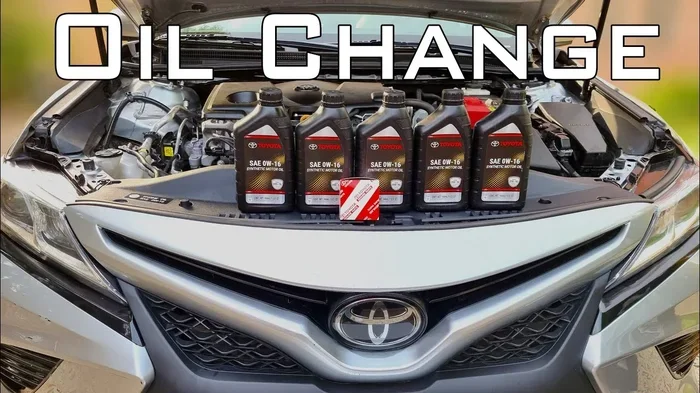
- 4 to 6 quarts of synthetic 5W-30 oil (check your exact capacity in the owner manual)
- A new oil filter (OEM Toyota or a quality aftermarket brand)
- An oil filter wrench
- A socket wrench and drain pan
- A jack and jack stands or ramps
- Disposable gloves and rags
The Oil Change Process
Start by warming up the engine for a few minutes. This helps the oil flow more freely and carry more contaminants out with it. Then, lift the vehicle safely using a jack and secure it on jack stands. Never work under a car supported only by a jack.
Locate the oil drain plug underneath the engine. Place your drain pan beneath it and remove the plug with your socket wrench. Let the old oil drain completely. This usually takes about 10 to 15 minutes.
While the oil is draining, remove the old oil filter using your oil filter wrench. Before installing the new filter, rub a thin layer of fresh oil on the rubber gasket. This creates a better seal and makes future oil changes easier.
Once the old oil has stopped dripping, reinstall the drain plug and tighten it snugly. Do not overtighten, as this can strip the threads. Then screw on the new oil filter by hand until it seats, and give it a quarter turn with the wrench.
Now pour in the fresh synthetic oil through the oil fill cap on top of the engine. Use about 4 quarts to start, then check the dipstick. Add more oil as needed until the level falls between the minimum and maximum marks.
Start the engine and let it run for a minute. Check underneath for leaks around the drain plug and oil filter. Turn off the engine, wait a couple of minutes, and check the dipstick one more time to confirm the oil level is correct.
Always dispose of your used oil properly. Most auto parts stores, including AutoZone, accept used oil for recycling at no cost.
Expert Recommendations and Final Verdict
So, does a 2003 Toyota Camry really take synthetic oil? Absolutely. The evidence is clear. Synthetic oil provides superior protection, better thermal stability, improved fuel economy, and longer change intervals compared to conventional oil. For a vehicle like the 2003 Camry that has already logged tens of thousands of miles, these benefits are especially valuable.
Your engine has been working hard for you for over 20 years. It deserves the best protection you can give it. Synthetic oil is not just for new cars anymore. It is an excellent choice for older vehicles that need extra care and maintenance.
One thing to keep in mind is that switching to synthetic oil in an older engine is not a magic fix. It will not repair worn piston rings, fix a blown head gasket, or replace a failing water pump. But it can help slow down engine wear and keep your Camry running smoothly for many more miles.
Pair your synthetic oil with regular maintenance. Check your fluid levels, inspect your belts and hoses, and keep up with your serpentine belt replacements when needed. A well-maintained Camry can easily surpass 200,000 miles with proper care.
Also, remember that oil is just one piece of the puzzle. Your driving habits matter too. Avoid aggressive acceleration, give your engine time to warm up in cold weather, and take advantage of highway driving when possible. These habits, combined with quality synthetic oil, will keep your 2003 Camry in excellent shape for years to come.
If you want to learn more about how far your Camry can go without an oil change or what happens when you skip oil changes entirely, our article on 000 Miles With Synthetic Oil dives deeper into oil longevity and engine health.
Conclusion
The bottom line is simple. Synthetic oil is a great choice for your 2003 Toyota Camry. It offers better protection, lasts longer, and can even improve your fuel economy. The concerns about leaks and seal compatibility are valid but manageable with regular monitoring.
Do not let the age of your vehicle hold you back from using the best oil available. Your 2003 Camry was built to last, and treating it with quality synthetic oil is one of the best things you can do to ensure it keeps running strong. Make the switch, follow the recommended intervals, and enjoy the peace of mind that comes with knowing your engine is well-protected.
Take care of your Camry, and it will take care of you. That is what these trucks were built to do.
Frequently Asked Questions
Can I use synthetic oil in my 2003 Toyota Camry with over 150,000 miles?
Yes, you absolutely can. Synthetic oil is safe and beneficial for high-mileage engines. In fact, the superior lubrication properties of synthetic oil can help reduce wear on older engine components. Just monitor for any new leaks after switching, as synthetic oil may reveal pre-existing seal issues that were not noticeable with conventional oil.
Will synthetic oil fix an oil consumption problem in my 2003 Camry?
Synthetic oil will not fix an underlying mechanical issue that causes oil consumption. However, it can sometimes reduce consumption slightly because it burns cleaner and has fewer additives that break down into residue. If your Camry is burning oil significantly, you should have a mechanic inspect the valve seals, piston rings, and PCV valve.
How much does it cost to switch from conventional to synthetic oil in a 2003 Camry?
The cost difference is typically modest. A synthetic oil change might run $50 to $80 at a shop, compared to $30 to $50 for conventional oil. If you do it yourself, the cost difference is mainly the price of the oil, which runs about $25 to $40 more for a full synthetic option. The extended change intervals of synthetic oil help offset this cost over time.
Can I mix synthetic and conventional oil in my 2003 Camry?
Yes, you can mix them in an emergency. Synthetic and conventional oils are generally compatible when blended. However, mixing them dilutes the benefits of the synthetic oil. It is best to stick with one type consistently. If you are topping off between changes, try to use the same oil type and viscosity as what is already in the engine.
Is synthetic blend oil a good compromise for my 2003 Camry?
Yes, a synthetic blend is a solid middle ground. It offers many of the benefits of full synthetic oil at a lower price point. For a 2003 Camry that has higher mileage and may have some minor seal wear, a synthetic blend can provide improved protection without the full cost of full synthetic oil. It is a practical choice for budget-conscious owners.
What happens if I never change the oil in my 2003 Camry?
Neglecting oil changes leads to a buildup of contaminants, sludge, and metal particles in the engine. Over time, the oil loses its lubricating ability, and engine components grind against each other. This causes accelerated wear, overheating, and eventually catastrophic engine failure. Regular oil changes are the single most important thing you can do to extend the life of your Camry’s engine.