Does a 2018 Toyota Camry Have a Timing Belt or Chain
The 2018 Toyota Camry uses a timing chain, not a timing belt, in both its 2.5L four-cylinder and 3.5L V6 engines. This is great news because timing chains are built to last much longer than belts and typically do not need regular replacement. Understanding this difference helps you plan the right maintenance schedule and avoid unnecessary repairs.
So you just bought or own a 2018 Toyota Camry, and you are wondering about the timing belt or chain situation. This is one of those car questions that a lot of owners ask but rarely get a clear answer to. The good news is that the 2018 Camry uses a timing chain, not a belt, in both of its engine options. That alone saves you from one big maintenance worry. But there is more to know about how this system works, what it means for your wallet, and how to keep it running strong for years to come. Let us dive into everything you need to know about the timing setup in your 2018 Camry.
When it comes to engine maintenance, the timing system is one of the most important parts to understand. It controls the precise movement of your engine’s valves and pistons, making sure everything runs in perfect sync. If something goes wrong with your timing system, the results can range from poor performance to serious engine damage. That is why knowing whether your car has a belt or a chain matters so much. Each one has different maintenance needs, lifespan expectations, and warning signs. So let us break it all down for the 2018 Toyota Camry in plain, simple terms.
Key Takeaways
- The 2018 Camry uses a timing chain: Both the 2.5L and 3.5L engines come equipped with a durable timing chain, not a belt.
- Timing chains last much longer: Unlike belts that need replacement every 60,000 to 100,000 miles, a chain can often last the lifetime of the engine.
- Know your engine type: The 2.5L four-cylinder and 3.5L V6 are the two engine options for the 2018 Camry, and both use chains.
- Watch for warning signs: Even though chains are durable, they can stretch or fail over time. Listen for rattling noises and watch for engine warnings.
- Regular maintenance still matters: Keeping up with oil changes and inspections helps your timing chain and other engine components stay healthy.
- Related engine parts need attention too: The serpentine belt, tensioner, and other components should be checked during routine service visits.
📑 Table of Contents
- What Is the Difference Between a Timing Belt and a Timing Chain?
- Does the 2018 Toyota Camry Use a Timing Belt or Chain?
- How Does the Timing Chain Work in the 2018 Camry?
- Signs Your Timing Chain May Need Attention
- Timing Chain Maintenance Tips for Your 2018 Camry
- How Does the 2018 Camry Timing System Compare to Other Toyotas?
- Common Mistakes Camry Owners Make With Timing Chain Maintenance
- What to Do If Your Timing Chain Fails
- Final Thoughts on the 2018 Toyota Camry Timing Chain
What Is the Difference Between a Timing Belt and a Timing Chain?
Before we get into the specifics of the 2018 Camry, it helps to understand the basic difference between these two components. Both the timing belt and the timing chain do the same job. They keep your engine’s camshaft and crankshaft turning together at the right speed and timing. But they are made from very different materials and behave very differently over time.
A timing belt is made from strong rubber with teeth on the inside. It is usually hidden inside a cover and runs quietly. Belts are lighter and cheaper to replace, but they wear out over time. Most manufacturers recommend replacing a timing belt every 60,000 to 100,000 miles. If a belt breaks, it can cause major engine damage in interference engines.
A timing chain, on the other hand, is made from metal links, much like a bicycle chain. It is heavier and louder but also much more durable. Timing chains are designed to last the life of the engine in many cases. They do not need regular replacement intervals like belts do. However, they can stretch over time or fail if the engine oil is not changed regularly.
Why Does the Material Matter?
The material difference affects everything from maintenance costs to longevity. Rubber belts wear down with heat and exposure to the elements. Metal chains are tougher but depend on proper lubrication from engine oil. This is why keeping up with your oil changes is so important for any car with a chain-driven engine. A well-lubricated chain can easily outlast a belt by a wide margin.
Does the 2018 Toyota Camry Use a Timing Belt or Chain?
The direct answer is simple: the 2018 Toyota Camry uses a timing chain. This applies to both engine options available that year. The standard 2.5-liter four-cylinder engine and the available 3.5-liter V6 engine both rely on a metal timing chain to keep everything in sync. Toyota made this choice because chains are more durable and require less frequent maintenance than belts.
This is a big advantage for Camry owners. You do not need to worry about scheduling a timing chain replacement every 60,000 or 100,000 miles. Of course, that does not mean the chain never needs attention. But for the most part, you can drive your 2018 Camry with confidence knowing the timing system is built to last. If you want to learn more about how long timing chains actually last, check out our article on can a timing chain last 300,000 miles for a deeper dive into chain longevity.
Which Engine Does Your 2018 Camry Have?
The 2018 Camry came in several trim levels, and the engine you have depends on the trim you chose. The base L, LE, SE, and XLE trims came with the 2.5-liter four-cylinder engine. The XSE and higher trims offered the 3.5-liter V6 engine. Both engines use the same type of timing chain system, so the maintenance approach is the same regardless of which one you have.
Here is a quick breakdown of the 2018 Camry engines:
- 2.5L Four-Cylinder: The standard engine across most trims. It produces around 203 horsepower and uses a timing chain.
- 3.5L V6: The upgraded engine available in sportier trims. It produces about 301 horsepower and also uses a timing chain.
No matter which engine you have, you are working with a timing chain system. This is consistent with Toyota’s long-standing approach to the Camry lineup, where chains have been the norm for many years.
How Does the Timing Chain Work in the 2018 Camry?
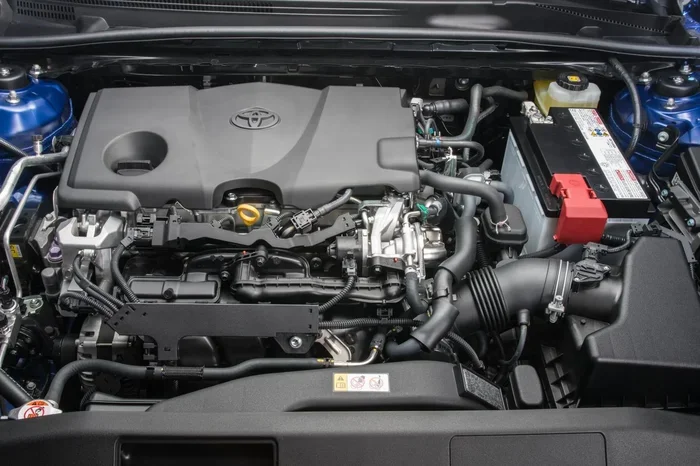
Understanding how the timing chain works in your Camry helps you appreciate why it is such a reliable system. The chain sits inside the engine block, protected by a timing cover. It connects the crankshaft at the bottom of the engine to the camshaft at the top. As the crankshaft spins, it turns the chain, which in turn opens and closes the engine valves at exactly the right moment.
The chain works together with several other components. The timing chain tensioner keeps the chain tight and prevents it from skipping or rattling. The camshaft position sensor monitors the chain’s movement and sends data to the engine control unit. All of these parts work as a team to keep your engine running smoothly.
Key Components of the Timing Chain System
- Timing Chain: The metal chain that connects the crankshaft and camshaft.
- Chain Tensioner: Keeps proper tension on the chain so it does not skip or rattle.
- Timing Cover: Protects the chain and other internal components from debris and oil leaks.
- Camshaft Position Sensor: Monitors camshaft timing and helps the engine run efficiently.
- Crankshaft Seal: Prevents oil leaks around the crankshaft where the chain connects.
Each of these parts plays a role in keeping your timing system working correctly. If one fails, it can affect the entire engine. That is why regular inspections and proper maintenance are so important, even with a durable chain system.
Signs Your Timing Chain May Need Attention
Even though the 2018 Camry uses a timing chain that is built to last, no car part is indestructible. Over time and with high mileage, a timing chain can stretch, the tensioner can wear out, or the chain guides can break. Knowing the warning signs helps you catch problems early before they turn into expensive repairs.
Listen for Rattling Noises
One of the most common early signs of a timing chain issue is a rattling noise when you start the engine. This rattling often goes away after the car warms up, but it should never be ignored. The noise usually comes from a loose or stretched chain that is no longer sitting properly on the sprockets.
Check Engine Light and Engine Performance
If your timing chain stretches significantly, it can cause the engine timing to be off. This often triggers the check engine light. You might also notice rough idling, poor fuel economy, or a loss of power when accelerating. These symptoms mean the chain is no longer keeping the valves and pistons in perfect sync.
Oil Leaks Near the Timing Cover
A leaking timing cover can indicate that the chain tensioner or seals are wearing out. Oil leaks near the front of the engine should be checked by a mechanic as soon as possible. Low oil levels can also accelerate timing chain wear, so keeping your oil at the proper level is critical.
If you notice any of these signs, it is best to have a trusted mechanic inspect your car right away. Catching a timing chain problem early can save you from a much bigger repair bill down the road.
Timing Chain Maintenance Tips for Your 2018 Camry
The great thing about a timing chain is that it does not require the same scheduled maintenance as a timing belt. You do not need to replace it every 60,000 or 100,000 miles. However, that does not mean you can just ignore it forever. There are some smart maintenance practices that help your timing chain last as long as possible.
Keep Up With Oil Changes
This is the single most important thing you can do for your timing chain. The chain runs inside the engine and relies on clean, fresh oil for lubrication. Dirty or old oil causes extra wear on the chain, tensioner, and guides. Stick to Toyota’s recommended oil change interval, which is typically every 5,000 to 7,500 miles for the 2018 Camry. Using the right oil weight, which is 0W-20 for most 2018 Camry models, also makes a big difference.
Check the Timing Cover During Routine Service
Ask your mechanic to inspect the timing cover area during every major service visit. Look for oil leaks, worn tensioners, or any signs of chain stretch. Catching these issues early can prevent a full timing chain failure, which is a much more expensive repair.
Follow the Recommended Service Schedule
Toyota provides a detailed maintenance schedule for the 2018 Camry. Following this schedule ensures that all engine components, including the timing chain system, get the attention they need. Your owner’s manual has the full service intervals listed. If you have misplaced it, most Toyota dealerships can provide a copy or look it up online for you.
Avoid Short Trips When Possible
Short trips where the engine does not fully warm up can cause oil sludge to build up. This sludge does not lubricate the timing chain properly and can lead to premature wear. If you can, take longer drives where the engine reaches full operating temperature. This helps keep the oil clean and the chain well-lubricated.
How Does the 2018 Camry Timing System Compare to Other Toyotas?
The 2018 Camry is not the only Toyota that uses a timing chain. In fact, Toyota has been using chains in most of its newer models for many years. The Camry shares its timing chain design with other popular Toyota models, including the Corolla, RAV4, and Avalon. This means that parts and maintenance knowledge are widely available, which is good news for owners.
Some older Toyota models, particularly from the 1990s and early 2000s, did use timing belts. But Toyota made the switch to chains in most of its lineup over the past two decades. The 2018 Camry benefits from this long evolution in engine design. You get a system that is quieter, more durable, and requires less maintenance than older belt-driven systems.
For comparison, the serpentine belt in your Camry, which drives accessories like the alternator and power steering pump, does need regular inspection and eventual replacement. But that is a completely different system from the timing chain. The serpentine belt is much easier to access and replace, and it is a normal part of routine maintenance. If you want to learn more about how belts and chains affect your car’s performance, check out our article on does your car run better with a new serpentine belt.
Timing Chain vs. Timing Belt at a Glance
Here is a quick comparison of the two systems to help you understand why the 2018 Camry’s timing chain is such a strong choice:
- Lifespan: Timing chains can last 150,000 to 300,000 miles or more. Timing belts typically need replacement between 60,000 and 100,000 miles.
- Cost: Timing chain replacement is more expensive upfront but needed far less often. Timing belt replacement is cheaper per service but happens more frequently.
- Maintenance: Chains need proper oil maintenance. Belts need visual inspections and scheduled replacement.
- Noise: Modern timing chains are quieter than older versions. Belts are generally quieter from the start.
- Durability: Chains are much more durable and resistant to wear. Belts can crack, fray, and break without much warning.
For the 2018 Camry owner, the timing chain is clearly the better option. It means less frequent visits to the shop and lower long-term maintenance costs. You might pay more if a chain ever does need replacement, but you will likely never need to do it during your ownership period.
Common Mistakes Camry Owners Make With Timing Chain Maintenance
Even though the 2018 Camry timing chain is reliable, some owners make mistakes that can shorten its lifespan or lead to unexpected problems. Avoiding these common pitfalls will help keep your engine running strong.
One of the biggest mistakes is ignoring oil changes. Dirty oil is the number one enemy of a timing chain. When oil breaks down and loses its lubricating properties, the chain experiences more friction and wear. Over time, this can cause the chain to stretch and the tensioner to fail.
Another mistake is neglecting warning signs. A slight rattle when starting the car might seem harmless, but it could be the first sign of a loose chain. Ignoring the check engine light or dismissing small performance changes can let a small problem grow into a major repair. Pay attention to what your car is telling you.
Some owners also skip routine inspections because they assume the chain will just last forever. While chains are durable, they are not immune to wear. Having a mechanic check the chain tension and condition during major service intervals is a smart preventive step. It costs very little but can save you thousands in potential engine damage.
Quick Tips to Protect Your Timing Chain
- Change your oil every 5,000 to 7,500 miles with the recommended 0W-20 oil.
- Never ignore rattling noises from the front of the engine.
- Have the timing cover inspected during every major service.
- Keep your engine oil at the proper level at all times.
- Use only high-quality oil and filters recommended by Toyota.
- Address check engine lights promptly, even if the car seems to run fine.
What to Do If Your Timing Chain Fails
Timing chain failure is rare in the 2018 Camry, but it can happen, especially if maintenance has been neglected. If your chain fails while driving, it can cause the engine to stall suddenly. In interference engines, a broken chain can cause the pistons to collide with the valves, resulting in serious and expensive damage.
If you suspect your timing chain has failed or is about to fail, do not keep driving the car. Have it towed to a trusted mechanic or Toyota dealership. Driving on a failed timing chain can turn a repair that might cost a few hundred dollars into an engine rebuild or replacement that costs thousands.
The good news is that timing chain failure is uncommon in well-maintained 2018 Camrys. Most owners will never experience this problem if they follow the basic maintenance tips outlined above. If you are concerned about repair costs, keep in mind that regular oil changes and inspections are a small price to pay for peace of mind and long engine life.
For more information about engine maintenance and what mechanics look for during diagnostics, you might find our article on does Jiffy Lube do diagnostics helpful for understanding what to expect during a routine engine check.
Final Thoughts on the 2018 Toyota Camry Timing Chain
The 2018 Toyota Camry is equipped with a timing chain, and that is a very good thing. It means you have a durable, long-lasting system that does not require the frequent replacement schedules that timing belts demand. Both the 2.5L four-cylinder and 3.5L V6 engines use this reliable chain design, so no matter which trim you drive, you are working with a proven system.
The key to keeping your timing chain in great shape is simple: change your oil regularly, watch for warning signs, and stick to the recommended maintenance schedule. These small efforts add up to a smoothly running engine that can go well beyond 200,000 miles without any major timing system issues.
Your 2018 Camry is a well-engineered car, and the timing chain is just one example of Toyota’s commitment to durability and reliability. By understanding how this system works and what you can do to maintain it, you are setting yourself up for years of worry-free driving. Keep up with the basics, listen to your car, and enjoy the ride.
Frequently Asked Questions
Does the 2018 Toyota Camry have a timing belt or chain?
The 2018 Toyota Camry has a timing chain in both its 2.5L four-cylinder and 3.5L V6 engines. Toyota has used timing chains in the Camry for many years because they are more durable and require less frequent maintenance than belts.
How long does a timing chain last on a 2018 Camry?
A timing chain on a 2018 Camry can last 150,000 to 300,000 miles or more with proper maintenance. The key factor is regular oil changes using the recommended 0W-20 oil, which keeps the chain lubricated and prevents premature wear or stretching.
What are the signs of a bad timing chain on a Camry?
Common signs include a rattling noise when starting the engine, the check engine light coming on, rough idling, loss of power, and oil leaks near the timing cover. If you notice any of these symptoms, have a mechanic inspect your car right away to prevent further engine damage.
Can a timing chain be replaced on a 2018 Camry?
Yes, a timing chain can be replaced if it stretches or fails. The replacement involves removing the timing cover, replacing the chain, tensioner, and guides, and then reassembling the engine. It is a more involved repair than a belt replacement but is rarely needed in well-maintained Camrys.
Is timing chain replacement expensive for a 2018 Camry?
The cost varies depending on the extent of the repair and your location. A full timing chain replacement typically ranges from $1,000 to $2,500. However, this repair is rarely needed if you keep up with regular oil changes and maintenance, making it a worthwhile investment in prevention.
Does the 2018 Camry V6 use the same timing chain as the four-cylinder?
Yes, both the 2.5L four-cylinder and the 3.5L V6 engines in the 2018 Camry use a timing chain system. The design is similar across both engines, and the maintenance approach is the same. Regular oil changes are the most important factor for keeping either engine’s timing chain in good condition.
=== CONCLUSION ===
The 2018 Toyota Camry uses a timing chain, not a timing belt, and this is one of the best features of the car’s engine design. The chain is built to last the life of the engine in most cases, which means fewer maintenance visits and lower long-term costs for you. Both the 2.5L and 3.5L engine options share this durable system, so you can drive with confidence regardless of which trim you own.
By staying on top of oil changes, watching for warning signs, and following Toyota’s recommended service schedule, you will keep your timing chain and your entire engine running smoothly for many miles to come. The 2018 Camry is a reliable car, and understanding its timing system is just one more way to get the most out of your ownership experience. Keep driving, keep maintaining, and enjoy every mile.