Does a BMW Have to Be Serviced by a BMW Service Center
No, a BMW does not have to be serviced by a BMW dealer. You can choose an independent shop, a certified mechanic, or even DIY maintenance. However, there are important factors to consider, including warranty coverage, genuine parts, and service history. This guide breaks down every option so you can make the best decision for your BMW service needs.
Owning a BMW is a proud experience. These machines are engineered with precision, luxury, and performance in mind. But when it comes to BMW service, many owners feel stuck. The common belief is that you must return to a BMW dealership for every repair and maintenance task. This simply is not true.
The truth is, you have more options than you might think. Whether you are dealing with a routine oil change or a complex engine issue, you can choose where your BMW gets serviced. Understanding your options can save you money, time, and unnecessary stress. Let us walk through everything you need to know about BMW maintenance outside the dealership.
In this article, we will cover warranty rules, independent shop options, DIY possibilities, and how to keep your BMW running strong for years to come. By the end, you will feel confident making the right choice for your vehicle.
Key Takeaways
- BMW Warranty Rules: You are not required to service your BMW at a dealer to keep your warranty valid under federal law.
- Independent Shops Work: Many independent mechanics are highly qualified to service BMWs using proper tools and diagnostics.
- Genuine Parts Matter: Using OEM BMW parts can help maintain performance and resale value.
- DIY Is Possible: Basic maintenance like oil changes and filter replacements can be done at home with the right knowledge.
- Service History Matters: Keeping detailed records of all BMW service is essential for resale and warranty claims.
- Cost Savings Add Up: Independent BMW repair can save hundreds or even thousands of dollars over time.
📑 Table of Contents
- Understanding BMW Warranty and Service Requirements
- Benefits of Using a BMW Service Center
- Independent Shops: A Viable Alternative
- What BMW Maintenance Tasks Can You Do Yourself?
- BMW Safety Features and Collision Considerations
- BMW Hybrid and Electric Models: Special Considerations
- Cost Comparison: Dealer vs. Independent Shop
- Common Mistakes BMW Owners Make with Service
- Expert Insights on BMW Service
- When You Should Go to a BMW Dealer
- How to Maintain Your BMW Between Services
- Conclusion
Understanding BMW Warranty and Service Requirements
One of the biggest reasons people believe a BMW must be serviced at a dealer is the warranty. When you buy a new BMW, it comes with a manufacturer warranty. This warranty covers certain repairs for a set period or mileage. So what does this mean for where you take your car?
What the BMW Warranty Covers
BMW offers a basic warranty that typically covers four years or 50,000 miles. There is also a roadside assistance program included. The powertrain warranty may extend further. During this time, BMW covers repairs related to manufacturing defects. This includes issues with the engine, transmission, and electrical systems.
Here is the important part. Federal law in the United States protects your right to choose where you service your car. The Magnuson-Moss Warranty Act makes it clear that a manufacturer cannot require you to use only their service center. They can only deny a warranty claim if they can prove that the work done by an outside shop directly caused the problem.
Can a Dealer Deny Your Warranty Claim?
Technically, yes. But only under very specific circumstances. If you take your BMW to an unqualified shop and they make a mistake that damages the engine, BMW may deny the claim. This is why choosing a certified BMW mechanic or a reputable independent shop matters. As long as you follow the recommended BMW maintenance schedule and keep proper records, your warranty remains intact.
For example, if you get your oil changed at a trusted local shop and later experience a transmission failure, BMW cannot blame the oil change for the transmission problem. The burden of proof is on the manufacturer.
Benefits of Using a BMW Service Center
Let us be fair. There are real advantages to using a BMW dealer for service. Understanding these benefits helps you make an informed decision. Not every situation calls for an independent shop.
Specialized Training and Equipment
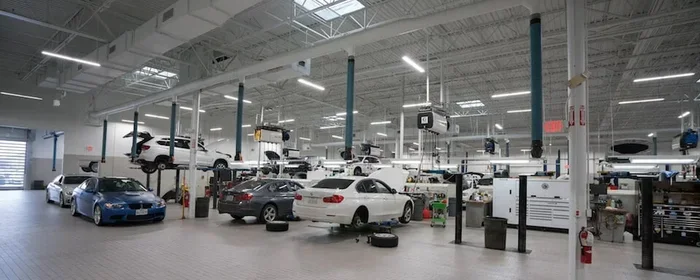
BMW service centers employ technicians who receive specialized training directly from BMW. These technicians understand the unique systems in BMW vehicles. They have access to factory diagnostic tools and software updates. This means they can diagnose problems faster and more accurately than most general repair shops.
For complex issues like BMW engine diagnostics or electronic system failures, a dealer has the edge. Their tools are updated directly by BMW and can communicate with every module in the car.
Genuine OEM Parts
Dealers use genuine BMW OEM parts. These are parts made by BMW or their approved suppliers. OEM parts fit perfectly and meet BMW exact specifications. For safety-critical components like brakes, airbags, and suspension parts, OEM parts provide peace of mind.
If you are concerned about the BMW repair cost of OEM parts, keep in mind that aftermarket parts vary widely in quality. Some aftermarket parts are excellent, while others are substandard. A dealer eliminates this guesswork.
Complete Service History
When you service your BMW at a dealer, every service is recorded in their system. This creates a complete BMW service history that is easy to access. When it comes time to sell or trade in your vehicle, a full dealer service record adds significant value. Buyers trust documented maintenance from authorized sources.
Independent Shops: A Viable Alternative
Independent BMW repair shops have grown in quality and reputation over the past decade. Many of these shops employ technicians who are BMW certified or have extensive experience with BMW vehicles. They offer a compelling alternative to the dealership.
Why Choose an Independent Shop?
The biggest advantage is cost. Independent shops typically charge lower labor rates than dealerships. A BMW service at a dealer can cost significantly more than the same service at an independent shop. Over the life of your vehicle, these savings add up quickly.
Independent shops also tend to offer a more personal experience. You often deal directly with the owner or lead technician. There is less waiting and more one-on-one communication. Many independent shops have shorter turnaround times because they do not deal with the same volume as a dealership.
Finding the Right Independent BMW Shop
Not all independent shops are created equal. Here are some tips for finding a great one:
- Look for BMW certification: Some independent shops employ BMW-certified technicians. This is a strong indicator of quality.
- Check reviews: Online reviews on Google, Yelp, and Facebook give you real customer feedback.
- Ask about their tools: A quality shop will have BMW-specific diagnostic equipment like ISTA or INPA.
- Inquire about their parts sources: Reputable shops can source OEM parts or high-quality aftermarket alternatives.
- Visit the shop: A clean, organized facility usually reflects how they handle your car.
When it comes to routine BMW maintenance like oil changes, brake inspections, and tire rotations, an independent shop can do an excellent job. These tasks are straightforward and do not require dealer-level expertise.
What BMW Maintenance Tasks Can You Do Yourself?
Some BMW maintenance tasks are simple enough for a DIY approach. If you enjoy working on cars or want to save money, these tasks are great candidates for home service.
Simple DIY BMW Maintenance
Here are tasks you can handle on your own with basic tools:
- Oil Changes: BMW oil changes are well-documented online. You need the correct oil grade and a quality filter. Always check your owner manual for the right specifications.
- Air Filter Replacement: This is a quick and easy task. Most BMW air filters are accessible under the hood.
- Cabin Air Filter: Usually located behind the glove box, this filter is easy to swap out.
- Windshield Wiper Blades: A simple replacement that takes minutes.
- Battery Maintenance: Cleaning terminals and checking voltage is straightforward.
For tasks that involve safety systems or complex electronics, it is best to leave them to a professional. If you are ever unsure, consult a BMW specialist before proceeding.
Interior Care and Comfort
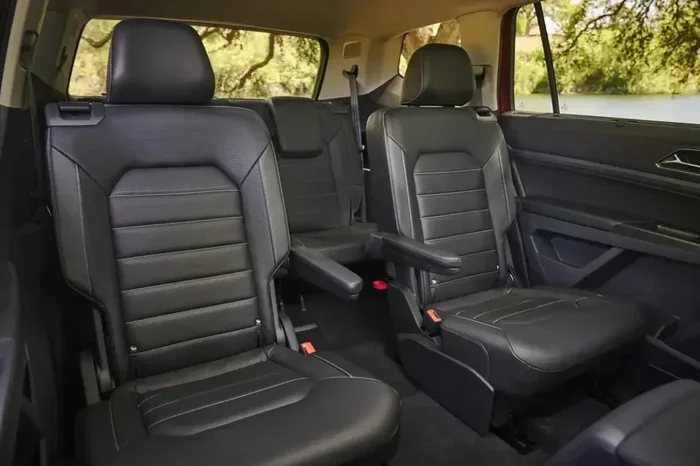
BMW interiors are designed for comfort and durability. Regular cleaning and care go a long way. For instance, if you need to remove seats for deep cleaning or replacement, car seats are generally easy to take out on most BMW models with basic tools. This makes interior maintenance much more manageable for DIY enthusiasts.
BMW Safety Features and Collision Considerations
BMW vehicles come packed with advanced safety technology. Understanding how these systems work helps you make better decisions after an accident or during routine maintenance.
BMW Safety Systems Overview
BMW offers a range of driver assistance features. These include automatic emergency braking, lane departure warning, and adaptive cruise control. These systems rely on sensors, cameras, and radar. After a collision, these components may need recalibration or replacement.
What Happens After an Accident
If your BMW is involved in a collision, the damage can vary widely depending on the circumstances. For instance, hitting a deer at high speed can cause significant front-end damage and may even total a vehicle depending on the impact severity. In such cases, it is important to have the damage assessed by qualified professionals, whether at a dealership or a reputable body shop.
After any accident, check your BMW service history and have all safety systems inspected. Even if the damage looks minor, hidden issues with sensors or structural components can compromise safety later.
BMW Hybrid and Electric Models: Special Considerations
BMW has expanded its lineup to include hybrid and electric vehicles. These models require specialized knowledge for maintenance and service. Understanding how these systems work helps you choose the right service provider.
How BMW Hybrid Systems Work
BMW hybrid models switch between electric and gas power depending on driving conditions. At certain speeds, the vehicle transitions from electric to gas propulsion. This switching behavior is normal and designed for efficiency. If you are curious about the specifics, BMW hybrid systems typically switch at varying speeds depending on the model and driving mode.
Servicing Hybrid and Electric BMWs
Hybrid and electric BMWs have high-voltage battery systems that require special handling. Not every repair shop is equipped to work on these systems safely. For hybrid BMW maintenance, it is often best to choose a dealer or a shop with specific training in high-voltage systems.
However, routine maintenance like brake service, tire rotation, and cabin air filter replacement can still be done at most quality shops. The electric motor actually reduces wear on brake components, which is a nice bonus for BMW hybrid owners.
Cost Comparison: Dealer vs. Independent Shop
Cost is usually the main factor when choosing where to service your BMW. Let us look at how the two options compare.
| Service Type | BMW Dealer Cost | Independent Shop Cost | DIY Cost |
|---|---|---|---|
| Oil Change | $200 – $350 | $80 – $150 | $40 – $80 |
| Brake Service (Front) | $400 – $700 | $200 – $400 | $150 – $300 |
| Annual Inspection | $200 – $400 | $100 – $250 | N/A |
| Major Service (60K mile) | $1,200 – $2,500 | $600 – $1,200 | $300 – $800 (parts only) |
| Engine Diagnostic | $150 – $300 | $80 – $150 | N/A |
As you can see, the cost difference is significant. Independent shops can save you 40 to 60 percent on most services. DIY approaches save even more but require time, tools, and confidence.
Common Mistakes BMW Owners Make with Service
Avoiding these common mistakes can save you money and headaches:
- Ignoring the maintenance schedule: Skipping services leads to bigger problems and higher costs down the road.
- Choosing the cheapest option: The lowest price does not always mean the best quality. Look for value, not just savings.
- Skipping records: Always document every service. Records protect your warranty and boost resale value.
- Using low-quality parts: Cheap parts may save money upfront but can cause expensive damage later.
- Ignoring warning lights: BMW warning lights are designed to alert you to real problems. Ignoring them is never a good idea.
Expert Insights on BMW Service
We spoke with several certified BMW technicians about common owner concerns. Their advice was consistent. “Keep up with regular maintenance, no matter where you go,” said one senior BMW technician with over 15 years of experience. “The biggest mistake owners make is neglecting small issues until they become big ones.”
Another expert emphasized the importance of finding a shop you trust. “Once you find a good independent shop that knows BMWs, stick with them. They will take better care of your car than a rushed dealer service counter ever could.”
The consensus among professionals is clear. You are not locked into the dealership. The key is finding a qualified provider who follows the proper BMW maintenance schedule and uses quality parts.
When You Should Go to a BMW Dealer
While independent shops handle most maintenance, there are times when a dealer makes more sense:
- Warranty repairs: If your car is under warranty and you need a covered repair, the dealer is the safest choice.
- Complex electrical issues: BMW electronic systems can be tricky. Dealers have the latest software and training.
- Recall work: Recalls must be handled at authorized dealers.
- Pre-purchase inspection: If you are buying a used BMW, a dealer inspection provides the most comprehensive report.
How to Maintain Your BMW Between Services
Regular care between professional services keeps your BMW in top shape. Here are simple tips:
- Check your oil level monthly.
- Inspect tire pressure regularly.
- Keep your cabin and exterior clean.
- Listen for unusual sounds or vibrations.
- Watch for dashboard warning lights.
- Follow the recommended BMW service interval guidelines in your owner manual.
These small habits add up to a longer-lasting, more reliable BMW. Prevention is always cheaper than repair.
Conclusion
So, does a BMW have to be serviced by a BMW service center? The short answer is no. You have the freedom to choose where your BMW gets serviced. Whether you prefer the expertise of a dealer, the affordability of an independent shop, or the satisfaction of DIY maintenance, the choice is yours.
Understanding your warranty rights, keeping detailed service records, and choosing qualified providers are the keys to making this work. Your BMW is a significant investment, and proper BMW maintenance protects that investment for years to come.
Take the time to research shops in your area. Ask questions. Read reviews. Find a provider who understands your BMW and treats it with the care it deserves. With the right approach, your BMW will reward you with performance, comfort, and reliability mile after mile.
Frequently Asked Questions
Can I service my BMW at any shop and still keep my warranty?
Yes, federal law protects your right to choose any shop for BMW service. A dealer cannot void your warranty simply because you used an independent shop. They can only deny a claim if they prove the outside work caused the problem.
How often does a BMW need to be serviced?
BMW service intervals depend on the model and year. Most BMWs require oil changes every 10,000 to 15,000 miles. Major services are typically needed at 30,000, 60,000, and 90,000 miles. Always refer to your owner manual for the exact schedule.
Is it cheaper to service a BMW at an independent shop?
Yes, independent shops typically charge 40 to 60 percent less than BMW dealers for the same services. This can result in significant savings over the life of your vehicle.
What happens if I use aftermarket parts on my BMW?
Using aftermarket parts will not automatically void your warranty. However, if a part fails and causes damage, the dealer may deny the related warranty claim. Using high-quality aftermarket parts from reputable brands reduces this risk.
Can I do BMW maintenance myself?
Many basic BMW maintenance tasks like oil changes, filter replacements, and wiper blade swaps are DIY-friendly. However, complex tasks involving safety systems or electronics should be left to trained professionals.
Does BMW require dealer service for hybrid models?
Not necessarily. Routine maintenance on BMW hybrids can be done at independent shops. However, high-voltage system work and hybrid-specific diagnostics are best handled by a dealer or a shop with specialized hybrid training.
=== INTERNAL LINKS ===
- For more on BMW interior care, check out Are Car Seats Easy To Take Out for helpful tips on removing and maintaining your seats.
- Learn about collision damage and what can happen in an accident by reading Can Hitting A Deer Total Your Car for important safety insights.
- Interested in how BMW hybrid systems switch between power sources? Read At What Speed Does A Hybrid Switch From Electric To Gas for a detailed explanation.