Does Car Insurance Cover Mechanic Negligence Answered
Car insurance typically does not cover mechanic negligence directly, but certain policy coverages may help you recover costs depending on the situation. Understanding your auto insurance policy, the type of damage caused, and your rights as a policyholder is essential to navigating this complex issue. Knowing what your insurance claim options are can save you time, money, and frustration after a botched repair.
Dealing with a botched car repair is one of the most frustrating experiences a car owner can face. You trust your mechanic to do the job right, and when they don’t, the stress piles up fast. The first question that comes to mind is usually, does car insurance cover mechanic negligence? The short answer is: it depends on your policy and the situation. But the full answer is much more nuanced, and understanding it can save you hundreds or even thousands of dollars.
In this article, we break down exactly how car insurance handles mechanic negligence. We explore what your policy covers, what it doesn’t, and what steps you can take to get compensated. Whether your repair shop messed up a simple oil change or caused major engine damage, this guide has you covered.
We’ll walk you through real-world scenarios, explain the difference between types of coverage, and give you actionable advice. By the end, you will know exactly what to do if your mechanic drops the ball. Let’s dive in.
Key Takeaways
- Standard car insurance policies usually exclude mechanic negligence as a covered cause of loss.
- Collision coverage may help if the negligent repair caused additional damage to your vehicle.
- Your best recourse is often through the mechanic’s own liability insurance or a small claims court case.
- Documenting everything before, during, and after repairs strengthens your position significantly.
- Choosing a reputable repair shop with proper certifications reduces the risk of negligent work.
- You can file complaints with state licensing boards if a mechanic’s work is substandard.
- Understanding your policyholder rights helps you make informed decisions after a bad repair experience.
📑 Table of Contents
What Is Mechanic Negligence?
Mechanic negligence happens when a technician or repair shop fails to meet the standard of care expected in their profession. This can show up in many ways, and not all of them are obvious right away. Understanding what counts as negligence helps you recognize it early.
Common Types of Mechanic Mistakes
Not every repair error is negligence. Sometimes things go wrong even with the best intentions. But here are the most common examples of true mechanic negligence:
- Installing the wrong parts or using low-quality components instead of what was agreed upon.
- Failing to tighten bolts or connections properly, leading to parts coming loose while driving.
- Damaging unrelated components during a repair that had nothing to do with the original issue.
- Overlooking obvious problems that a reasonably skilled mechanic would have caught.
- Performing work without proper certification or using outdated techniques.
- Leaving tools or parts inside the vehicle after completing a job.
How to Identify Negligent Work
Sometimes the signs of negligent work show up immediately. Other times, they take days or weeks to appear. Watch for these red flags:
- New noises, vibrations, or warning lights after a recent repair.
- The same problem returns shortly after it was supposedly fixed.
- Your vehicle handles differently or pulls to one side after service.
- You notice fluid leaks under your car that weren’t there before.
- A mechanical failure occurs that seems unrelated to the original repair.
If you notice any of these signs, act quickly. The sooner you document the issue, the stronger your case becomes.
Does Car Insurance Cover Mechanic Negligence?
This is the big question, and the answer is not as straightforward as you might hope. Most standard auto insurance policies do not directly cover mistakes made by a mechanic. However, there are situations where certain coverages can help you recover costs. Let us break this down.
Collision Coverage and Repair Mistakes
Collision coverage pays for damage to your vehicle caused by a collision with another object or vehicle. But what happens when a mechanic’s error causes damage? In some cases, if the negligent repair directly caused a collision or accident, your collision coverage might kick in.
For example, imagine a mechanic fails to secure a wheel properly. You drive off, the wheel comes off, and you crash into a guardrail. Your collision coverage could cover the vehicle damage, minus your insurance deductible. However, your insurer will likely pursue reimbursement from the mechanic’s insurance through a process called subrogation.
Liability Coverage vs. Mechanic Negligence
Liability coverage is designed to pay for damage you cause to other people or their property. It does not cover damage to your own vehicle caused by a mechanic’s mistake. This is a common point of confusion for many policyholders.
If a mechanic’s negligent work causes damage to another person’s car or property, the mechanic’s own liability insurance should be responsible. Your liability coverage would apply if you, as the driver, caused damage to someone else as a result of the mechanic’s error.
When Your Policy Might Help
There are a few specific situations where your auto insurance may provide some help:
- Fire or explosion caused by a botched repair may fall under comprehensive coverage.
- Water damage to your engine from a mechanic who left a hose disconnected could be covered.
- Third-party damage caused by a part falling off due to negligent repair might be covered under property liability.
Always read your policy documents carefully and call your insurance adjuster to discuss your specific situation before assuming you are covered.
Expert Insight
Insurance experts recommend calling your provider immediately after discovering mechanic negligence. Even if you are unsure whether you are covered, reporting early protects your rights and prevents potential claim denials later. Your insurer can guide you on the best path forward based on your specific auto insurance policy.
What to Do When a Mechanic Messes Up
Discovering that your mechanic made a mistake is stressful, but knowing the right steps to take can make a huge difference. Here is a clear action plan to follow.
Step 1: Document Everything
Before you do anything else, gather all your documentation. This includes your original repair order, receipts, before-and-after photos, and any communication with the shop. If you noticed the problem while driving, pull over safely and take photos of any visible damage.
Write down a detailed timeline of events. When did you drop off the car? What work was agreed upon? When did you first notice the problem? The more details you capture, the better your position will be.
Step 2: Contact the Repair Shop
Go back to the repair shop and explain the issue calmly and clearly. Give them a chance to make it right. Many reputable shops will correct their mistakes at no additional cost. Put this conversation in writing, whether by email or text, so you have a record.
If the shop refuses to help or goes out of business, do not panic. You still have options.
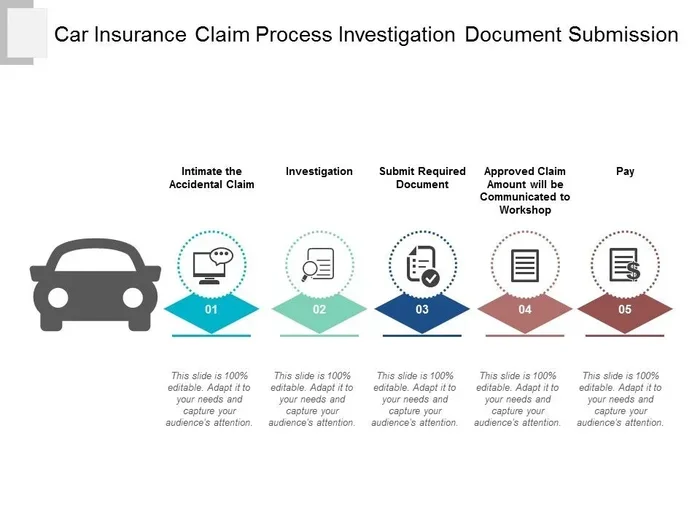
Step 3: File an Insurance Claim
Contact your insurance company and report the mechanic’s error. Provide all the documentation you gathered in Step 1. Ask your adjuster whether any part of your insurance claim can cover the additional repair costs.
Keep in mind that filing a claim may affect your premiums. Weigh the cost of the repairs against the potential increase before proceeding. Sometimes paying out of pocket makes more financial sense.
Step 4: Consider Small Claims Court
If the repair shop refuses to take responsibility, small claims court is a viable option. You do not need a lawyer for most small claims cases, and the process is relatively simple. Bring all your documentation, photos, and receipts to present your case.
Small claims courts typically handle disputes up to a certain dollar amount, which varies by state. This can be a powerful tool for recovering costs from negligent mechanics.
How to Protect Yourself from Mechanic Negligence
Prevention is always better than cure. Taking a few proactive steps can dramatically reduce your risk of dealing with a negligent mechanic.
Choose the Right Repair Shop
Not all repair shops are created equal. Before handing over your keys, do your homework:
- Look for shops with ASE-certified technicians (Automotive Service Excellence).
- Check online reviews on platforms like Google, Yelp, and BBB.
- Ask friends, family, or coworkers for personal recommendations.
- Verify that the shop is properly licensed in your state.
- Visit the shop in person before committing to see if it is professional and organized.
If you have ever had to deal with the frustration of a car that won’t start then starts later after a repair, you know how important it is to choose a trustworthy shop from the beginning.
Get Written Estimates and Agreements
Never let a mechanic work on your car without a written estimate. The estimate should include:
- A detailed list of all work to be performed.
- The cost of each part and labor item.
- The expected completion date.
- A warranty statement covering the work performed.
Get the mechanic’s signature on the estimate before they begin work. This creates a binding agreement that protects you if something goes wrong.
Understand Your Warranty Rights
Most reputable repair shops offer a workmanship warranty on their repairs. This warranty typically covers the cost of re-doing work that was done incorrectly. Understand the terms of this warranty before you leave your car at the shop.
Some warranties last for a specific time period, while others are tied to mileage. Ask questions and get the warranty in writing. If a shop does not offer any warranty at all, that is a red flag worth considering.
Quick Tips for Avoiding Mechanic Problems
- Always ask questions about any recommended repairs you do not understand.
- Request to see the old parts after replacement.
- Do not let a mechanic pressure you into unnecessary work.
- Get a second opinion for expensive repairs.
- Keep a maintenance log for your vehicle.
Common Mistakes Car Owners Make After a Bad Repair
When something goes wrong with a repair, many car owners make avoidable mistakes that weaken their position. Here are the most common ones to watch out for:
- Waiting too long to report the problem. Delays can make it harder to prove the issue was caused by the recent repair.
- Continuing to drive the damaged vehicle. This can worsen the damage and complicate your claim.
- Not getting everything in writing. Verbal agreements are nearly impossible to enforce later.
- Admitting fault or apologizing. Do not accept blame for issues that were clearly caused by the mechanic’s work.
- Skipping the paperwork. Always get receipts, orders, and communication records for every interaction.
If you find yourself in a situation where your car has suffered damage from a repair and you are looking into your options, it helps to understand how different types of vehicle issues are handled by insurers. For instance, some owners wonder whether certain types of damage or conditions affect their ability to file claims or get coverage.
When to Hire a Lawyer
Most mechanic negligence disputes can be resolved without going to court. But some situations call for professional legal help. Consider hiring a lawyer if:
- The repair costs exceed several thousand dollars.
- The mechanic’s error caused an accident or injury.
- The shop refuses to take responsibility despite clear evidence.
- Your insurance company denies your claim unfairly.
- You are dealing with a dealership or large chain that has legal teams protecting them.
A lawyer who specializes in consumer protection or auto law can help you navigate complex situations. Many offer free initial consultations, so there is little risk in exploring your options.
In some cases, if the mechanic’s negligence led to a situation where your vehicle became undrivable or suffered extensive damage, you may need to explore whether you can take legal action against the shop or seek recourse through your insurance dispute process. Understanding your rights as a consumer is a powerful tool in these situations.
Frequently Asked Questions
Can I file a claim against a mechanic’s insurance instead of my own?
Yes, you can. If a mechanic’s negligence caused damage to your vehicle, their liability insurance should cover the costs. You would file a third-party claim with their insurer rather than your own policy. This avoids affecting your premiums and deductible. Make sure you have strong documentation to support your claim.
Does comprehensive insurance cover damage caused by a bad repair?
It can, in some cases. If a mechanic’s error caused damage that falls under comprehensive coverage, such as a fire or fluid leak damaging your engine, your policy may help cover the costs. However, every policy is different, so check with your insurer directly. Comprehensive coverage typically covers non-collision events, which can sometimes include repair-shop-caused damage.
How long do I have to report mechanic negligence to my insurance company?
You should report the issue as soon as you discover it. Most insurance policies require you to report claims promptly, usually within 30 days. Delaying can result in a denial of your claim. Contact your insurer immediately, even if you are not sure you will file a formal claim.
Will my insurance rates go up if I file a claim for mechanic negligence?
It depends on the type of claim and your insurer’s policies. If you file a claim against the mechanic’s insurance, your rates should not be affected. If you file under your own collision coverage, your rates may increase. Always ask your insurer about the potential impact before filing.
Can I refuse to pay for a repair if I believe the work was done negligently?
You should not simply refuse to pay without following proper steps. Instead, document the issue, communicate with the shop in writing, and request a correction. If they refuse, you can dispute the charges through your credit card company, file a complaint with your state’s licensing board, or pursue the matter in small claims court. Always keep payment disputes professional and documented.
What is the difference between a workmanship warranty and an insurance claim?
A workmanship warranty comes from the repair shop and covers mistakes in their labor. It is a direct agreement between you and the shop. An insurance claim involves your insurance company paying for covered damages, regardless of who is at fault. Your best approach is usually to use the shop’s warranty first, then explore insurance options if the warranty does not cover the full cost.
Conclusion
The question of whether car insurance covers mechanic negligence does not have a simple yes or no answer. Your standard auto insurance policy typically does not cover mistakes made by a repair technician directly. However, certain coverages like collision or comprehensive may help if the negligence caused additional damage or an accident.
The most effective approach is a three-part strategy: prevent problems by choosing a reputable shop, document everything meticulously, and know your rights as a consumer and a policyholder. Whether you pursue a claim through the mechanic’s insurance, your own policy, or small claims court, preparation is your greatest asset.
Remember, the best insurance against mechanic negligence is a good relationship with a trusted repair shop. Take the time to research, ask questions, and get everything in writing. Your wallet and your peace of mind will thank you.
If you ever find yourself dealing with a vehicle issue after a repair, do not wait to take action. The steps you take in the first few days matter more than you might think. Stay informed, stay organized, and never hesitate to advocate for yourself.