Does the Mitsubishi Outlander Have a Timing Chain
The Mitsubishi Outlander does have a timing chain, not a timing belt. Most model years use the 4B12 engine, which relies on a durable metal chain to keep the engine running smoothly. With proper maintenance and quality oil, the timing chain can last well over 100,000 miles before needing replacement.
If you own or are thinking about buying a Mitsubishi Outlander, you might be wondering about the engine components that keep everything running. One question that comes up a lot is whether the Outlander uses a timing chain or a timing belt. The answer matters because it affects your maintenance schedule, repair costs, and overall engine reliability.
The short answer is yes, the Mitsubishi Outlander has a timing chain. Most model years, especially those equipped with the 2.4-liter 4B12 engine, use a metal timing chain rather than a rubber belt. This is good news for owners because timing chains are built to last longer and are generally more durable than their belt counterparts. But like any engine part, the timing chain is not immune to wear and tear.
In this article, we will break down everything you need to know about the timing chain in your Mitsubishi Outlander. We will cover how it works, common problems, maintenance tips, and what you can expect when it comes to replacement costs. Whether you are a DIY mechanic or just someone who wants to stay informed about your vehicle, this guide has you covered.
Key Takeaways
- Timing Chain Design: The Mitsubishi Outlander uses a timing chain instead of a belt, offering greater durability and longer lifespan.
- Engine Compatibility: The 4B12 engine found in most Outlander models is equipped with a timing chain system.
- Maintenance Matters: Regular oil changes and scheduled maintenance help extend the life of the timing chain significantly.
- Replacement Cost: Replacing a worn timing chain can be expensive, typically ranging from $1,000 to $2,500 depending on the model year.
- Early Detection: Knowing the symptoms of a failing timing chain can prevent costly engine damage down the road.
- Chain vs. Belt: A timing chain generally outlasts a timing belt, making the Outlander a solid choice for long-term ownership.
📑 Table of Contents
- What Is a Timing Chain and Why Does It Matter?
- Which Mitsubishi Outlander Models Use a Timing Chain?
- How Does the Timing Chain Work in the Outlander?
- Common Timing Chain Problems in the Mitsubishi Outlander
- How to Maintain Your Timing Chain
- Timing Chain Replacement: What to Expect
- Is the Mitsubishi Outlander a Reliable Choice for Long-Term Ownership?
- Final Thoughts
What Is a Timing Chain and Why Does It Matter?
A timing chain is a metal chain that connects the crankshaft to the camshaft in your engine. Its job is to keep the valves and pistons moving in perfect sync. Without a properly functioning timing chain, your engine would not run at all. The chain ensures that the intake and exhaust valves open and close at exactly the right time during each combustion cycle.
Think of the timing chain as the heartbeat of your engine. It keeps everything in rhythm. If the chain stretches or breaks, the timing gets thrown off. This can cause serious engine problems, including valve damage, piston damage, or even a complete engine failure in interference engines.
Timing Chain vs. Timing Belt
Many car owners confuse timing chains with timing belts. Both serve the same purpose, but they are made of different materials and have different lifespans. A timing belt is made of rubber and needs to be replaced every 60,000 to 100,000 miles. A timing chain is made of metal and can often last the life of the engine with proper care.
The Mitsubishi Outlander uses a timing chain, which is one of the reasons it is considered a reliable engine for long-term driving. You will not need to worry about replacing a belt every few years. However, the chain can still stretch over time, especially if you skip oil changes or use low-quality oil.
Some people wonder if a timing chain can last 300,000 miles. The answer is that it is possible with excellent maintenance, but most chains will start showing wear between 100,000 and 150,000 miles. Staying on top of your oil changes is the single best thing you can do to extend the chain’s life.
Which Mitsubishi Outlander Models Use a Timing Chain?
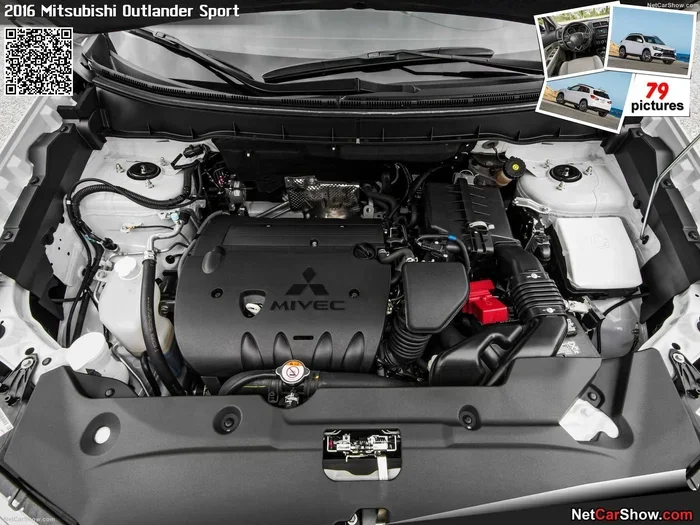
The vast majority of Mitsubishi Outlander models come equipped with a timing chain. The 4B12 engine, which was used in the Outlander from around 2007 through the mid-2010s, features a single overhead camshaft with a timing chain drive system. This engine is known for being relatively low maintenance and dependable.
Here is a quick breakdown of the Outlander engine options and whether they use a chain:
- 2.4L 4B12 Engine (2007-2016): Uses a timing chain. This is the most common engine in the Outlander lineup.
- 3.0L V6 Engine (2008-2012): Also uses a timing chain in this V6 configuration.
- 2.4L 4B12 MIVEC Engine (2013+): Updated version of the 4B12, still uses a timing chain with variable valve timing.
No matter which model year you have, your Outlander is likely running on a timing chain. This is a big advantage over competitors that use timing belts, which require more frequent and expensive replacement intervals.
How Does the Timing Chain Work in the Outlander?
The timing chain in the Mitsubishi Outlander sits inside the engine block and is housed by a timing cover. It loops around the crankshaft gear at the bottom of the engine and connects to the camshaft gear at the top. The chain is kept at the proper tension by a timing chain tensioner, which ensures the chain does not stretch or skip teeth.
The chain works by rotating the camshafts in sync with the crankshaft. This controls when the intake valves and exhaust valves open. The precise timing allows air and fuel to enter the combustion chamber at the exact right moment and exhaust gases to exit efficiently.
In the 4B12 engine, the timing chain drives both the intake cam and the exhaust cam. The MIVEC system (Mitsubishi Innovative Valve timing Electronic Control) adds variable valve timing to the mix, which improves performance and fuel efficiency. The timing chain is the backbone that makes all of this possible.
Key Components of the Timing Chain System
- Timing Chain: The metal chain that connects the crankshaft to the camshaft.
- Chain Tensioner: Keeps the chain taut and prevents slack or stretching.
- Chain Guides: Small plastic or metal pieces that guide the chain along its path and reduce vibration.
- Camshaft Sprocket: The gear at the top of the engine that the chain attaches to.
- Crankshaft Sprocket: The gear at the bottom of the engine driven by the pistons.
All of these parts work together as a system. If one component fails, it can affect the entire timing system. For example, a worn chain tensioner can cause the chain to skip, which leads to poor engine timing and performance issues.
Common Timing Chain Problems in the Mitsubishi Outlander
While the timing chain in the Outlander is durable, it is not completely problem-free. Over time, certain issues can develop that every owner should be aware of. Catching these problems early can save you from a much bigger repair bill.
Timing Chain Stretch
The most common issue with timing chains is stretching. As the chain accumulates miles, it can gradually elongate. When this happens, the chain no longer maintains proper tension, and the timing becomes slightly off. You might notice a rattling noise when you start the engine, especially when it is cold.
A stretched chain will not break immediately, but it will affect engine performance. You may experience rough idling, reduced power, or poor fuel economy. If you ignore a stretched chain for too long, it can eventually skip teeth and cause serious engine damage.
Worn Chain Tensioner
The timing chain tensioner is responsible for keeping the chain tight. Over time, the tensioner can wear out or fail, especially if you do not change your oil regularly. Old, dirty oil does not lubricate the tensioner properly, which accelerates wear.
A failed tensioner allows the chain to become loose. This can lead to the chain skipping teeth on the sprockets, which throws off the engine timing. In an interference engine like the 4B12, a jumped timing chain can cause the pistons to contact the valves, resulting in bent valves and costly repairs.
Worn Chain Guides
Chain guides are small plastic or metal components that keep the chain aligned. These guides wear out over time, especially in high-mileage vehicles. When the guides fail, the chain can vibrate excessively and eventually stretch or skip.
Replacing worn chain guides is usually done as part of a timing chain replacement job. It is not typically a separate repair because the guides are located inside the engine and are not easily accessible without removing the timing cover.
Rattling Noise on Startup
One of the earliest and most noticeable signs of a timing chain issue is a rattling or clattering noise when you turn the key. This noise usually goes away after the engine warms up and the oil begins to circulate. However, it is a warning sign that should not be ignored.
If you hear a rattle, especially in the front of the engine, it is worth getting a mechanic to take a look. A diagnostic check at a service center like Jiffy Lube can help identify whether the noise is coming from the timing chain or another engine component. Early diagnosis can prevent a small problem from becoming a major repair.
How to Maintain Your Timing Chain
The good news is that maintaining a timing chain is relatively straightforward. The chain does not require separate maintenance beyond what you already do for your engine. The key to a long-lasting timing chain is simple: keep your oil clean and change it on schedule.
Here are some practical tips to help your timing chain last as long as possible:
- Change your oil every 5,000 to 7,500 miles: Fresh oil keeps the chain, tensioner, and guides properly lubricated. Dirty oil contains contaminants that accelerate wear on internal engine parts.
- Use high-quality synthetic oil: Synthetic oil, such as Mobil 1, provides superior lubrication and thermal stability. Many owners wonder if Mobil 1 really lasts 10,000 miles, and the answer is that it can, especially in newer vehicles with good oil life monitoring systems.
- Replace the oil filter with every oil change: A clean oil filter ensures that contaminants do not circulate through the engine and reach the timing chain components.
- Address rattling noises promptly: Do not wait for a rattling sound to go away on its own. Early attention can prevent chain stretch and tensioner failure.
- Follow the factory maintenance schedule: The Outlander owner’s manual provides a recommended service interval that covers all major maintenance items, including timing chain inspection.
- Consider a serpentine belt inspection: While the timing chain is internal, the serpentine belt drives external accessories like the alternator and AC compressor. A new serpentine belt can help your overall engine run better and reduce unnecessary strain on the system.
Following these simple steps will keep your timing chain in excellent shape for many miles. Most Outlander owners report that their timing chains last well beyond 150,000 miles without any issues.
Timing Chain Replacement: What to Expect
Even with the best maintenance, every timing chain will eventually need to be replaced. The question is when, and how much will it cost. Understanding what goes into a timing chain replacement can help you budget and make informed decisions about your vehicle.
Signs You Need a Timing Chain Replacement
Before you book a repair, it helps to know the warning signs. Here is what to watch for:
- Engine rattling or ticking noise: Especially noticeable on cold starts.
- Check engine light: A stretched chain can trigger error codes related to camshaft or crankshaft position.
- Rough idle: The engine may shake or run unevenly at a stoplight.
- Loss of power: You may notice sluggish acceleration or reduced engine output.
- Poor fuel economy: Incorrect valve timing can cause the engine to burn more fuel than usual.
- Engine misfires: A jumped chain can cause misfires that feel like a rough running engine.
Replacement Cost Breakdown
The cost of replacing a timing chain in a Mitsubishi Outlander can vary depending on the model year, engine type, and where you take the vehicle for service. Here is a general cost breakdown:
- Parts only: $300 to $800 for the chain, tensioner, and guides.
- Labor: $700 to $1,500 depending on the shop rate and engine configuration.
- Total cost: Typically between $1,000 and $2,500 for a complete replacement.
The reason this repair is so expensive is that the timing chain is located inside the engine. The mechanic has to remove several components, including the timing cover, to access the chain. This is not a quick 30-minute job, and the labor adds up quickly.
Should You DIY or Go to a Mechanic?
Unless you are an experienced mechanic with the right tools and a lift, timing chain replacement is not a job for the DIY crowd. The repair requires precise alignment of the camshaft and crankshaft timing marks. Even a small error during installation can cause catastrophic engine damage.
If you are looking for a trusted mechanic, consider a full-service shop that offers comprehensive diagnostics. A professional can properly assess whether your timing chain has stretched and whether the tensioner and guides also need replacement. Trying to save money by doing it yourself without the right experience can lead to much bigger expenses in the long run.
Is the Mitsubishi Outlander a Reliable Choice for Long-Term Ownership?
The Mitsubishi Outlander has a solid reputation as a reliable and practical compact SUV. The timing chain design in the 4B12 engine adds to this reliability. Unlike vehicles that use timing belts, the Outlander does not require a major service interval just to replace a belt.
With regular oil changes, proper maintenance, and prompt attention to warning signs, the timing chain in your Outlander can easily last 150,000 miles or more. This makes the Outlander a great choice for anyone looking for a dependable vehicle that will not drain their wallet with frequent repairs.
The timing chain is just one piece of the puzzle when it comes to overall engine health. Keeping up with all scheduled maintenance, using quality fluids and filters, and driving with care will help ensure that your Outlander serves you well for many years to come.
One thing that many owners appreciate is that the Outlander engine is not overly complex. The 4B12 engine is straightforward and well-designed, which makes repairs more affordable compared to some other modern engines with more complicated systems. If you are searching for a reliable SUV that will not keep you up at night with engine worries, the Outlander is definitely worth considering.
Remember that every vehicle is different, and maintenance habits play a huge role in how long any engine component lasts. Stay proactive, keep up with your service schedule, and your Mitsubishi Outlander will reward you with years of dependable service.
Final Thoughts
The Mitsubishi Outlander does have a timing chain, and it is one of the engine’s strongest and most durable components. The metal chain design offers a significant advantage over rubber timing belts, both in terms of longevity and maintenance requirements. By staying on top of oil changes and paying attention to warning signs like engine rattling or rough idling, you can keep your timing chain in great shape for the long haul.
Whether you are a first-time Outlander owner or have been driving one for years, understanding your timing chain helps you take better care of your vehicle. Keep this guide handy, share it with fellow Outlander owners, and remember that a little prevention goes a long way when it comes to engine maintenance.
Frequently Asked Questions
Does the Mitsubishi Outlander use a timing chain or a timing belt?
The Mitsubishi Outlander uses a timing chain in all engine configurations. The 4B12 engine and the 3.0L V6 both feature a metal timing chain, which is more durable and longer-lasting than a rubber timing belt.
How long does the timing chain last on a Mitsubishi Outlander?
With proper maintenance and regular oil changes, the timing chain in a Mitsubishi Outlander can last well over 150,000 miles. Some owners report chains lasting beyond 200,000 miles, but this depends heavily on driving habits and maintenance schedules.
What are the symptoms of a failing timing chain in the Outlander?
Common symptoms include a rattling noise on startup, rough idling, loss of engine power, poor fuel economy, and the check engine light illuminating. If you notice any of these signs, have your vehicle inspected by a qualified mechanic as soon as possible.
How much does it cost to replace the timing chain on a Mitsubishi Outlander?
The total cost for a timing chain replacement typically ranges from $1,000 to $2,500. This includes both parts and labor. The exact cost depends on your model year, engine type, and the shop where the work is performed.
Can I drive my Mitsubishi Outlander with a bad timing chain?
You should not drive a vehicle with a failing timing chain. A broken or severely stretched chain can cause the engine to stall and may result in catastrophic internal damage, especially in interference engines like the 4B12.
Does regular oil change help extend the timing chain life?
Yes, absolutely. Fresh, clean oil is essential for lubricating the timing chain, tensioner, and guides inside the engine. Skipping oil changes is one of the fastest ways to accelerate timing chain wear and lead to premature failure.