Honda Civic Wont Start but Has Power: Causes and Fixes
If your Honda Civic won’t start but has power, the problem usually lies in the starter, fuel system, or ignition components. You’ll often find that a dead key fob, faulty starter motor, or failed fuel pump relay is to blame. This guide walks you through the top causes and step-by-step fixes to get your car running again.
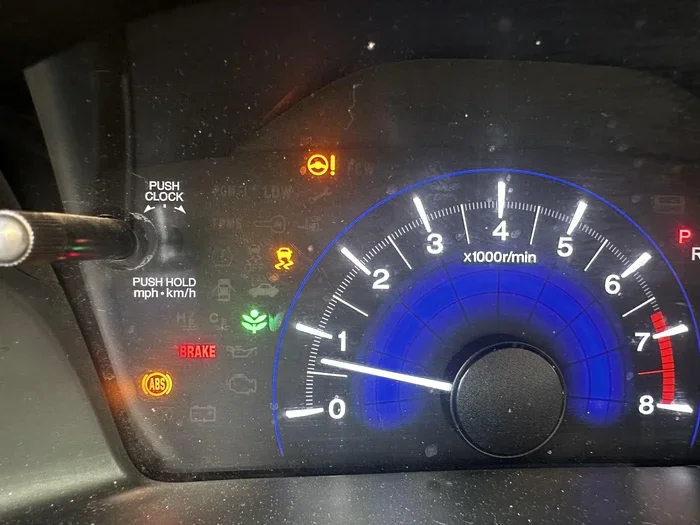
Your Honda Civic is one of the most reliable cars on the road. But even the best vehicles can leave you stranded. One of the most confusing problems is when the Honda Civic won’t start but has power. The dash lights up, the radio plays, and the clocks work fine. Yet when you turn the key or push the button, nothing happens.
This is called a no-crank condition. The electrical system is alive, but the engine refuses to turn over. It can happen for many reasons, from a simple dead key fob battery to a failing fuel pump. In this article, we will walk you through every possible cause and fix. You will learn how to diagnose the problem yourself and when to call for help.
Your Honda Civic uses a push-button start system in most newer models. The car checks the key fob for a valid signal before allowing the engine to start. If that signal is missing or weak, the car will not crank. Other times, the starter motor or fuel pump fails outright. Understanding the difference between a no-crank and a cranks-but-won-fire situation is the first step. If your engine cranks but won’t fire, check our guide on car cranks but won’t start causes for help with that specific issue.
Key Takeaways
- Check the key fob battery first: A dead fob is the most common reason a Honda Civic has power but won’t start.
- Listen for the fuel pump prime: No hum when you turn the key can point to a failed fuel pump or relay.
- Test the starter motor and solenoid: A single click or silence means the starter may be shot.
- Inspect the ignition switch and immobilizer: These can prevent startup even with full electrical power.
- Try the backup key method: You can still start a keyless Honda Civic with a physical key in an emergency.
- Know when to call a pro: If basic checks fail, a mechanic can diagnose sensor and ECU issues safely.
📑 Table of Contents
Why Your Honda Civic Won’t Start but Has Power
When your Honda Civic has power but won’t start, the battery is doing its job. The lights, radio, and dashboard all work. That means the 12-volt battery is alive and the electrical system is intact. The problem lies somewhere in the starting circuit or the fuel delivery system. The engine needs three things to run: spark, fuel, and compression. If any one of these is missing, you get a no-start.
The immobilizer system is a common culprit. This security feature ensures that only the correct key can start the engine. If the car does not recognize the key, it will allow power to the accessories but refuse to crank. A faulty ignition switch can also break this circuit. The switch may send power to the radio but not to the starter relay.
Quick Tip: Turn the key to the ON position (not START) and listen for a brief hum from the rear of the car. That is the fuel pump priming. If you hear nothing, the fuel pump or its relay may be dead.
Common Causes of a No-Start with Power
Let’s break down the most frequent reasons your Honda Civic won’t start but has power. Each cause has clear symptoms and a few simple checks you can do at home.
Dead Key Fob Battery or Immobilizer Issue
Modern Honda Civics use a keyless entry and push-button start system. The car communicates with the key fob via a small radio signal. If the fob battery dies, the car cannot confirm the key is nearby. The dashboard may show a flashing immobilizer light or a key-shaped warning symbol.
A dead fob is the easiest fix. You can still start a keyless car with a key by holding the fob directly against the start button. This uses the fob’s internal battery as a backup. Replace the fob battery with a CR2032 coin cell. Keep a spare in the glove box.
Faulty Starter Motor or Solenoid
The starter motor is the electric motor that cranks the engine. It receives a heavy electrical current from the battery when you turn the key. If the starter fails, you will hear a single click or nothing at all. The solenoid is the small switch on top of the starter that engages the gear.
A common symptom is a single loud click when you press the start button. The lights may dim slightly because the starter is trying to draw power but cannot engage. Corroded battery terminals can also cause this symptom. Always clean the terminals first before replacing the starter.
Quick Tip: Have a friend turn the key to START while you tap the starter motor gently with a hammer. If it starts, the starter has a dead spot and needs replacement.
Fuel Pump Failure
The fuel pump sits inside the gas tank and sends pressurized fuel to the engine. When it fails, the car cranks but gets no gas. The pump can die suddenly or slowly weaken over time. A failing pump often makes a whining noise from the tank before it quits completely.
If you turn the key to ON and hear no brief hum from the rear seats, the pump may be dead. The fuel pump relay controls power to the pump. A bad relay will cut the pump’s power even if the pump itself is good.
Ignition Switch Problems
The ignition switch is the mechanical lock cylinder or electronic switch that sends power to the starter circuit. Over time, the internal contacts wear out. You may notice the key feels loose or the switch jiggles. The car may have power for the radio but not for starting.
On older Honda Civics, the ignition switch is a simple mechanical part. On newer models with push-button start, the switch is part of the start button assembly. A faulty switch can prevent the start signal from reaching the engine control unit.
Crankshaft Position Sensor Failure
The crankshaft position sensor tells the engine computer exactly where the crankshaft is rotating. Without this signal, the ECU cannot time the spark plugs or fuel injectors. The result is a no-start condition even though everything else works.
A failing sensor often causes an intermittent problem. You might get a car won’t start then starts later pattern. The sensor works when cold but fails when hot. This is a common issue on Honda Civics from the 2000s and 2010s.
Main Relay or Fuel Pump Relay Failure
Honda Civics are known for a specific electrical gremlin: the main relay. This relay supplies power to the fuel pump and the engine computer. It often fails in hot weather or after the car has been running for a long time. The relay’s internal solder joints crack from heat expansion.
If your car won’t start right after turning off, a heat-damaged relay could be the culprit. See our guide on car won’t start right after turning off for more on this heat-related issue. Replacing the main relay is a cheap and easy fix that many owners do themselves.
Expert Insight: Honda Civic owners should know that the main relay often fails in hot weather. Parking in the shade can extend its life.
Symptom vs. Likely Cause Comparison
| Symptom | Possible Cause | Quick Check |
|---|---|---|
| No crank, dash lights on | Dead key fob or bad starter | Hold fob against start button; tap starter with a hammer |
| Single click, no crank | Starter solenoid or corroded terminals | Clean battery terminals; check starter voltage |
| Engine cranks but won’t fire | Fuel pump, crankshaft sensor, or ignition | Listen for fuel pump hum; check for spark |
| Intermittent no-start | Main relay or crankshaft position sensor | Check relay; scan for fault codes |
Quick Diagnostic Steps You Can Do at Home
Before you call a mechanic, try these simple checks. They take only a few minutes and can save you a tow truck bill.
- Check the key fob battery. Replace it with a fresh CR2032. Try starting the car with the fob held right against the start button.
- Listen for the fuel pump prime. Turn the key to ON (not START). You should hear a quiet hum for two seconds from the rear of the car. No sound? The pump or relay may be dead.
- Test the battery voltage. Use a multimeter on the battery terminals. You need at least 12.4 volts. If it’s below 12 volts, the battery may be too weak to turn the starter even though the lights work.
- Tap the starter motor. Ask a helper to turn the key while you gently tap the starter with a rubber mallet. If it starts, the starter is failing.
- Try the backup physical key. Even push-button start Civics have a hidden mechanical key. Use it to rule out a fob issue.
- Inspect battery terminals. Look for white or green corrosion. Clean with a wire brush and baking soda solution. Tighten the connections.
Quick Tip: Keep a portable jump starter in your trunk. It can save you from a dead battery and also provide enough power to crank the engine if the starter is weak.
When to Call a Professional Mechanic
Some problems are beyond a simple battery or fob fix. If you have checked the fob, the fuel pump hum, and the battery voltage, and the car still won’t start, it’s time for professional help. A mechanic has the tools to read fault codes from the engine control unit. They can perform a compression test to check the engine’s internal health.
Wiring harness issues are another reason to call a pro. Corroded connectors under the dashboard can break the starter circuit signal. A mechanic can trace the wiring and find the break without tearing apart your interior. If the engine control module has failed, replacement is a complex job that requires programming. Leave that to the experts.
Expert Insight: A mechanic can read the fault codes from the ECU. On Honda Civics, a P0335 code often points to a crankshaft position sensor problem.
Preventive Maintenance Tips to Avoid Future No-Starts
You can reduce the chances of a Honda Civic won’t start but has power situation with regular care. These simple habits keep your starting system healthy.
- Replace the key fob battery every two years. Even if it still works, a fresh battery prevents surprises.
- Use a fuel system cleaner every 30,000 miles. This keeps the fuel pump and injectors flowing freely.
- Check the battery terminals annually. Clean off any corrosion and apply a thin layer of dielectric grease.
- Keep a spare key fob in the car. If one fob dies, you have a backup to get home.
- Listen for the fuel pump prime every time you start. If the hum gets quieter or disappears, have the pump tested.
- Park in the shade when possible. Heat is the enemy of the main relay and the fuel pump.
Common Mistakes to Avoid
- Don’t keep turning the key for more than 10 seconds at a time. This can overheat the starter and drain the battery further.
- Don’t ignore the flashing immobilizer light. It means the car does not recognize the key. Address it immediately.
- Don’t assume it’s the battery if the lights work. The battery can power the dash but still be too weak to crank the engine.
- Don’t pour water on a hot engine to cool it down. If you suspect a heat-soaked fuel pump, let the car cool naturally.
Key Takeaways
- Start with the simplest fix: A dead key fob battery causes more no-starts than any other single part.
- Listen for the fuel pump: No prime hum points directly to the pump or its relay.
- Don’t ignore the starter: A single click or silence usually means the starter or solenoid is dead.
- Intermittent problems point to relays and sensors: The main relay and crankshaft sensor are common failure points on Honda Civics.
- Keep your maintenance up to date: Clean terminals, fresh fob batteries, and quality fuel prevent most no-start issues.
- Know your limits: If basic checks fail, a professional mechanic can save you time and prevent costly mistakes.
Conclusion
A Honda Civic won’t start but has power is a frustrating but usually solvable problem. The most common causes are a dead key fob battery, a faulty starter motor, a failed fuel pump, or a bad main relay. By following the diagnostic steps in this guide, you can narrow down the issue quickly and often fix it yourself. Remember to check the fob first, listen for the fuel pump, and never ignore flashing warning lights on the dash.
If the problem persists, don’t hesitate to visit a trusted mechanic. They have the tools to read fault codes and test the electrical system thoroughly. Regular maintenance like replacing fob batteries and cleaning terminals will keep your Civic starting reliably for years to come. Now you know exactly what to do when your Honda Civic has power but won’t start. Go get back on the road with confidence.
Frequently Asked Questions
Why does my Honda Civic have power but won’t start?
The most common reason is a dead key fob battery or a failed starter motor. The car’s electrical system stays active for accessories even when the starting circuit is broken. Check the fob battery first, then listen for the fuel pump prime. If both are fine, the starter or ignition switch may be the culprit.
How do I start a Honda Civic with a dead key fob?
Hold the dead fob directly against the push-button start. The car can read the fob’s internal chip through the button. You can also use the hidden mechanical key inside the fob to unlock the door and then press the start button with the fob touching the dash. This bypass works on most Honda models.
What is the most common reason a Honda Civic won’t start?
A dead key fob battery is the single most common cause. The immobilizer system fails to recognize the key and blocks the start signal. Other frequent issues include a bad fuel pump relay and a failing starter motor. Keeping a spare fob battery in the glove box prevents this problem entirely.
Can a bad fuel pump cause a Honda Civic to have power but not start?
Yes, absolutely. The fuel pump delivers pressurized gasoline to the engine. If it fails, the engine cranks but gets no fuel. You will usually hear no hum from the rear seats when you turn the key to ON. A bad fuel pump relay can cause the same symptom even if the pump itself is still good.
How much does it cost to fix a no-start issue on a Honda Civic?
It depends on the cause. A key fob battery costs under $5. A fuel pump relay is around $30 to $60 for the part. A starter motor replacement typically runs $200 to $400 including labor. A fuel pump job can be $400 to $800 because the tank must be dropped. Always get a clear diagnosis before approving major repairs.
Should I try to jump start a Honda Civic that has power but won’t start?
No, jump starting will not help if the battery already has enough power to light the dash. The problem is in the starting or fuel circuit, not the battery charge. Jump starting a car with a healthy battery can actually damage the electrical system. Focus on the specific cause instead.