How Do I Turn Off the Airbag Warning Light on My Car
The airbag warning light on your dashboard can be scary, but it is often fixable without visiting a dealer. This guide walks you through the most common reasons the light comes on and shows you exactly how to turn off the airbag warning light safely. We cover diagnostic steps, simple fixes, and expert tips to keep your car safe and your dashboard clean.
That little red or yellow light on your dashboard shaped like a person with a circle in front of it can really get your heart racing. You are driving along, everything seems fine, and then there it is staring back at you. If you have ever wondered how do I turn off the airbag warning light on my car, you are not alone. This is one of the most common dashboard warnings that car owners face, and the good news is that it is often something you can fix yourself.
The airbag warning light is part of your car’s supplemental restraint system, also known as the SRS. When this light stays on, it means the system has detected a problem and the airbags may not deploy in a crash. That is serious. But here is the thing, many causes are simple and inexpensive to fix. In this article, we will walk you through everything you need to know about diagnosing, fixing, and turning off that annoying light for good.
Key Takeaways
- Understand the warning: The airbag light means your supplemental restraint system has a fault that needs attention.
- Common causes are often simple: Loose seat belt connectors, faulty sensors, or a dead backup battery are frequent culprits.
- An OBD2 scanner is your best friend: It reads the error codes that tell you exactly what is wrong.
- DIY fixes work in many cases: You can reset the light yourself if the issue is minor.
- Know when to call a pro: Serious airbag system faults require professional diagnosis and repair.
- Prevention is easy: Regular seat belt maintenance and timely repairs keep the light off.
📑 Table of Contents
- What Does the Airbag Warning Light Mean?
- Common Causes of the Airbag Warning Light
- How to Diagnose the Problem
- Step-by-Step Guide to Turn Off the Airbag Warning Light
- When Should You See a Professional?
- Preventing the Airbag Warning Light from Coming Back
- Understanding Your Car’s Airbag System
- Common Myths About the Airbag Warning Light
- Cost Breakdown for Airbag Light Repairs
- Final Thoughts on Turning Off the Airbag Warning Light
What Does the Airbag Warning Light Mean?
Before you try anything, it helps to understand what you are looking at. The airbag warning light goes by a few names. Some people call it the SRS light, the airbag light, or the passenger safety light. No matter what you call it, the meaning is the same. Your car’s airbag system has a problem that needs your attention.
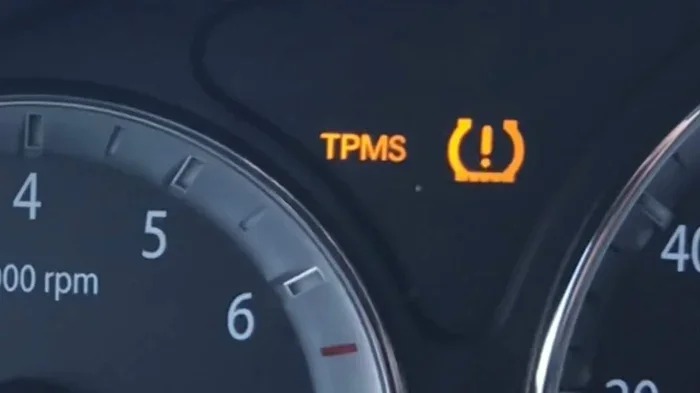
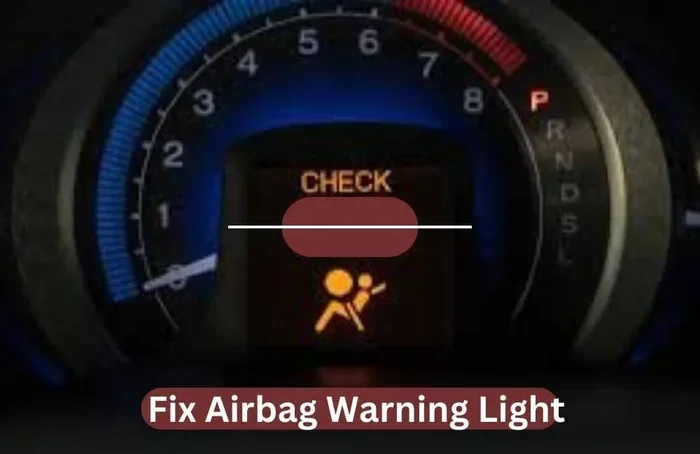
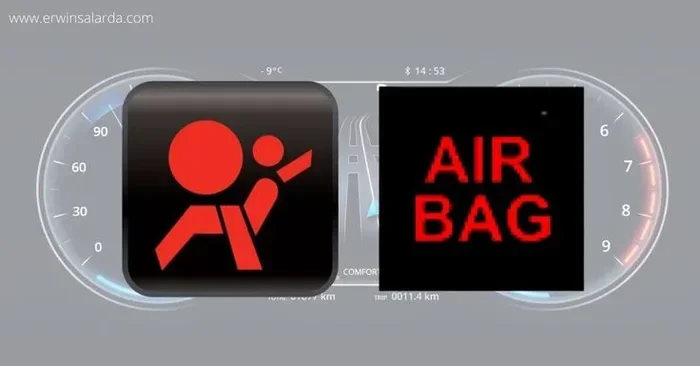
The light usually looks like a seated figure with a circle in front of it. It might be red or yellow depending on your car model. When you start your engine, this light should turn on for a few seconds and then go off. That is a normal self-check. If it stays on or starts flashing while you drive, there is an issue in the system.
Unlike other dashboard warnings, you should not ignore the airbag light. Airbags are a critical safety feature. They work together with seat belt pretensioners and crash sensors to protect you during a collision. A faulty airbag system means your safety net could fail when you need it most.
Common Causes of the Airbag Warning Light
So, what makes the airbag light come on in the first place? There are several reasons, and some are much more common than others. Let us break them down.
Loose or Faulty Seat Belt Connectors
This is the number one cause of the airbag warning light. The seat belt sensors are part of the airbag system. If the connector under your seat gets loose or corroded, the system throws an error. This happens often after car washes or when something bumps under your seat. Sometimes a simple reconnection fixes the whole problem.
Dead Backup Battery
Your car has a small backup battery for the airbag system. If your main car battery dies or gets disconnected, this backup battery can run low. When that happens, the airbag light comes on to warn you. This is a very common cause and one of the easiest to fix.
Faulty Crash Sensors
Crash sensors are spread throughout your car. They detect sudden stops or impacts. Over time, these sensors can wear out or get damaged. A faulty sensor will trigger the airbag light even if there has been no accident. Older cars are more prone to this issue.
Broken Clockspring
The clockspring is a spiral ribbon cable under your steering wheel. It connects the airbag to the car’s electrical system. If the clockspring breaks, the airbag light will turn on. You might also notice that your horn stops working. This is a more involved repair but still very doable.
Aftermarket Seat Covers or Modifications
Did you recently install seat covers or modify your interior? Aftermarket parts can interfere with seat belt sensors and airbag connectors. If the light came on after a modification, that is your first place to look.
Previous Accident or Airbag Deployment
If your car was in a crash and the airbags deployed, the system needs to be reset. Even if only one airbag deployed, the entire system flags an error. The light will stay on until the system is properly repaired and reset by a qualified technician.
How to Diagnose the Problem
Now that you know the common causes, let us talk about how to figure out what is causing your specific issue. Diagnosing the problem is the most important step because it tells you exactly what to fix.
Use an OBD2 Scanner
An OBD2 scanner is the best tool for diagnosing airbag light issues. These devices plug into your car’s diagnostic port, usually located under the steering column. They read the error codes stored in your car’s computer. Each code tells you which part of the airbag system has a problem.
You can buy a basic OBD2 scanner for under $50 at most auto parts stores. Some scanners are Bluetooth-enabled and connect to your phone through an app. This makes it super easy to read codes at home. The scanner will give you a code like B0012 or B1234. Each code corresponds to a specific fault in the airbag system.
Once you have the code, you can look it up online or in your car’s repair manual. The code will point you toward the exact problem. For example, a code related to the passenger seat sensor tells you to check under the seat. A code related to the steering column points to the clockspring.
Visual Inspection
Before you grab a scanner, do a quick visual check yourself. Start by looking at your seat belts. Make sure they are plugged in properly under the seat. Pull the connector out, clean any corrosion with a cloth, and plug it back in firmly. This simple step fixes the airbag light in many cases.
Next, check under the dashboard for any loose wires or connectors. If you recently had work done on your car, something might have come loose. Also, check your main battery voltage. A weak battery can cause the airbag light to come on, especially in older cars.
Check the Seat Belt Pretensioner
The seat belt pretensioner is a small explosive charge that tightens your seat belt during a crash. It is part of the airbag system. If the pretensioner has been triggered or has a fault, the airbag light will come on. You can check this with your OBD2 scanner by looking for codes related to the pretensioner circuit.
Step-by-Step Guide to Turn Off the Airbag Warning Light
Alright, let us get to the part you have been waiting for. Here is how to actually turn off the airbag warning light. Follow these steps carefully and in order.
Step 1: Turn Off the Engine
Start by turning off your engine and removing the key from the ignition. Wait at least 30 seconds. This gives the airbag system time to power down. Never work on airbag components with the engine running. The airbag could deploy unexpectedly and cause serious injury.
Step 2: Disconnect the Battery
Open your hood and locate the negative battery terminal. Use a wrench to loosen the cable and remove it from the battery post. This is critical because it disables the airbag system completely. Without this step, you risk accidental airbag deployment while working on connectors.
Wait at least 10 to 15 minutes after disconnecting the battery. This allows the capacitor in the airbag system to fully discharge. Even with the battery disconnected, the airbag module can still hold enough charge to deploy the bags.
Step 3: Locate and Inspect the Connectors
Go to the area under your driver and passenger seats. Look for the seat belt connectors and the airbag wiring harnesses. Unplug each connector, inspect for corrosion or damage, and clean them with electrical contact cleaner. Plug them back in firmly until you hear a click.
If you find any damaged wires, repair or replace them before proceeding. Frayed or exposed wires are a common source of airbag light faults.
Step 4: Check the Backup Battery
Under your rear seat or in the trunk area, you will find the airbag backup battery. This small battery keeps the airbag system powered even when the main battery is disconnected. Check its voltage with a multimeter. If it reads below 12 volts, replace it with a new one. A fresh backup battery often resolves the light issue on its own.
Step 5: Clear the Error Codes
Now reconnect your car battery. Plug your OBD2 scanner back in and clear the error codes. Turn the ignition on without starting the engine. Wait for the airbag light to complete its self-check cycle. If the light turns off and stays off, you have successfully fixed the problem.
If the light comes back on after you clear the codes, the issue is not resolved yet. Go back and double-check your connections. You may need to dig deeper into the specific error code you found earlier.
Quick Tips for Success
- Always disconnect the battery before touching any airbag wiring.
- Wear safety glasses when working near airbag components.
- Take photos before disconnecting anything so you can reconnect correctly.
- Keep your OBD2 scanner handy for future diagnostics.
- Do not rush the 15-minute wait after disconnecting the battery.
When Should You See a Professional?
There are times when turning off the airbag warning light is beyond a DIY fix. Knowing when to call in the experts can save you money and, more importantly, keep you safe.
If your OBD2 scanner shows a code related to the airbag control unit or the crash sensor module, do not try to fix it yourself. These components require specialized tools and calibration. A professional mechanic or dealership has the software needed to properly reprogram these parts after replacement.
Also, if the airbag light comes on after a collision, even a minor one, get professional help. The crash sensors may have been physically damaged, and the entire airbag system may need replacement or recalibration. Driving with a compromised airbag system after an accident is a serious safety risk.
Cost is another factor to consider. A professional diagnosis typically costs between $100 and $200. If the repair involves replacing the clockspring, crash sensors, or the airbag control module, costs can range from $200 to $800 depending on your car model. While this is more expensive than a DIY fix, it ensures the job is done safely and correctly.
One thing many car owners overlook is that fixing the airbag light can indirectly affect other aspects of your vehicle. For example, some drivers notice that after addressing airbag system issues, they want to optimize other areas of their car too, such as fuel efficiency. You might find it helpful to check how much distance you can get on 1 liter of petrol, as maintaining overall vehicle health goes hand in hand with safety system maintenance.
Preventing the Airbag Warning Light from Coming Back
Once you have turned off the airbag warning light, you want to keep it off. Prevention is always better than repair, and a few simple habits can go a long way.
First, keep your seat belt connectors clean and secure. Every few months, pull the connector under your seat and check for corrosion or dirt. A quick wipe with a dry cloth can prevent many airbag light issues. Also, make sure your seat belt slides in and out smoothly. A stuck seat belt can put strain on the sensor connector.
Second, maintain your car battery. A weak or dying battery is one of the top causes of the airbag light. Have your battery tested at least once a year, especially before winter. If your battery is more than three to four years old, consider replacing it proactively.
Third, avoid aftermarket modifications that interfere with the airbag system. If you want to install seat covers, a new stereo, or any interior accessories, make sure they do not pinch or disconnect any wiring. Always consult your car manual before making changes to the interior.
Fourth, address warning lights promptly. If any dashboard light comes on, do not ignore it. The longer you wait, the more potential damage can occur. A small sensor issue today can become a major airbag system failure tomorrow.
Finally, keep up with your regular car maintenance schedule. Oil changes, brake inspections, and general tune-ups all contribute to a healthy car. A well-maintained car is less likely to develop electrical issues that trigger the airbag light.
It is also worth noting that understanding your car’s various warning lights helps you respond faster when something goes wrong. For instance, many drivers confuse their high beam indicators with other lights on the dash. If you want to learn more about different dashboard lights and what they mean, you can explore the differences between high beams and brights to better understand your vehicle’s signaling system.
Understanding Your Car’s Airbag System
To truly appreciate why the airbag warning light matters, it helps to understand how the system works. Your car’s airbag system is made up of several components that all work together in a fraction of a second during a crash.
The airbag control unit is the brain of the system. It constantly monitors all the sensors and circuits. When it detects a fault, it illuminates the warning light on your dashboard. The system includes crash sensors located at the front and sides of the car, the airbag modules in the steering wheel and dashboard, the seat belt pretensioners, and the wiring that connects everything.
When a collision is detected, the control unit sends an electrical signal to the airbag inflator. This triggers a chemical reaction that fills the airbag with gas in milliseconds. The airbag then deflates through small holes as it absorbs the impact. All of this happens faster than you can blink.
The supplemental restraint system is designed to work alongside your seat belts, not replace them. Airbags are most effective when you are wearing your seat belt properly. In fact, the seat belt pretensioner locks the belt in place during a crash, positioning you perfectly for the airbag to do its job.
This is exactly why the airbag warning light demands your attention. Every component in this system is critical. A single faulty sensor or loose connector can compromise the entire safety net that protects you and your passengers.
Common Myths About the Airbag Warning Light
There are several myths floating around about the airbag light that can lead car owners astray. Let us clear up a few of the most common ones.
Myth 1: The airbag light is just a minor warning. False. The airbag light indicates a fault in a safety-critical system. It should always be taken seriously and addressed promptly.
Myth 2: You can drive indefinitely with the airbag light on. While your car will still run, the airbags may not deploy in a crash. This is a serious safety risk that no driver should accept.
Myth 3: Disconnecting the battery permanently fixes the light. Disconnecting the battery might temporarily turn off the light, but if the underlying problem is not fixed, it will come back. Always diagnose the root cause first.
Myth 4: Only a dealership can fix the airbag light. Many airbag light issues can be fixed at home with basic tools and an OBD2 scanner. Dealerships are needed for more complex repairs, but simple fixes are well within the DIY range.
Myth 5: The airbag light means your airbags have already deployed. Not necessarily. The light most often indicates a sensor or wiring fault, not a deployed airbag. However, if your car was in a recent accident, deployed airbags could be the cause.
Cost Breakdown for Airbag Light Repairs
Understanding the potential costs can help you decide whether to DIY or visit a professional. Here is a rough breakdown of common airbag light repairs and their costs.
| Repair | Estimated Cost | Difficulty Level |
|---|---|---|
| Seat belt connector cleaning | $0 (DIY) | Easy |
| Backup battery replacement | $20-$50 | Easy |
| Clockspring replacement | $150-$400 | Moderate |
| Crash sensor replacement | $100-$300 | Moderate |
| Airbag control module replacement | $300-$800 | Hard |
| Professional diagnosis | $100-$200 | N/A |
As you can see, many of the most common fixes are affordable and easy enough to do at home. Starting with the simplest solutions saves you money and gets you back on the road safely.
Final Thoughts on Turning Off the Airbag Warning Light
The airbag warning light on your dashboard is not something to take lightly, but it is also not something to panic about. In most cases, the cause is a simple fix that you can handle yourself with basic tools and a little patience. Whether it is a loose seat belt connector, a dead backup battery, or a faulty sensor, the steps we have outlined give you a clear path to resolving the issue.
Remember, the airbag system is one of the most important safety features in your car. When the warning light comes on, it is your car telling you something needs attention. By addressing the problem quickly and correctly, you are protecting yourself, your passengers, and everyone else on the road.
If you follow the diagnostic steps, use your OBD2 scanner, and know when to call a professional, you will handle the airbag light with confidence. Keep your connectors clean, your battery strong, and your wiring intact, and that little warning light will stay off where it belongs.
Taking care of your car means taking care of its safety systems. Every time you address a warning light promptly, you are investing in your safety and the longevity of your vehicle. So the next time that airbag light pops on, you will know exactly what to do and how to turn off the airbag warning light with ease.
Frequently Asked Questions
Can I drive my car with the airbag warning light on?
You can drive, but it is not safe. The airbag may not deploy in a crash if the system has a fault. Get the issue diagnosed and fixed as soon as possible to ensure your safety on the road.
How much does it cost to fix the airbag warning light?
The cost depends on the cause. Simple fixes like cleaning a seat belt connector cost nothing. More complex repairs like replacing a clockspring can range from $150 to $400. Professional diagnosis typically costs $100 to $200.
Will disconnecting the battery turn off the airbag light permanently?
No. Disconnecting the battery might turn the light off temporarily, but it will come back if the underlying problem is not fixed. Always diagnose the root cause before attempting to clear the light.
What does the airbag warning light look like?
The light looks like a seated figure with a circle in front of it. It is usually red or yellow and located on the dashboard near the other warning lights. It should turn off within a few seconds of starting the engine.
Can a dead car battery cause the airbag light to come on?
Yes. A dead or weak car battery can cause the airbag backup battery to drain, which triggers the warning light. Replacing or recharging the battery often resolves the issue.
How do I reset the airbag light after fixing the problem?
Use an OBD2 scanner to clear the error codes after you have fixed the issue. Reconnect the battery, turn the ignition on, and let the system complete its self-check. The light should stay off if the repair was successful.
=== CONCLUSION ===
The airbag warning light might seem intimidating at first, but understanding what it means and how to fix it puts you back in control. You now know the common causes, the diagnostic steps, and the practical fixes that work. From cleaning seat belt connectors to using an OBD2 scanner, you have the tools to handle most airbag light issues on your own.
The key takeaway is simple, do not ignore the light. Your airbag system is a life-saving feature, and keeping it in good working order is one of the most important things you can do for your safety. Whether you tackle the repair yourself or visit a professional, the most important step is taking action.
So the next time that little icon lights up on your dash, you will know exactly what to do. You will diagnose the problem, apply the right fix, and turn off the airbag warning light with confidence. Safe driving starts with paying attention to what your car is telling you, and now you are equipped to listen.