How Do I Remove the TPMS Light From the Car Dashboard
The TPMS light on your dashboard can be frustrating, but removing it is often simpler than you think. This guide walks you through every method to turn off the TPMS light, from a quick reset to fixing a faulty sensor. Whether you drive a hybrid or a standard petrol car, you will find the right fix here.
Key Takeaways
- Quick Reset Works Most of the Time: A simple TPMS reset button or driving trick often clears the light in minutes.
- Low Tire Pressure Is the Usual Culprit: Checking and inflating your tires solves the problem in most cases.
- Faulty Sensors Need Replacement: If the light stays on, a bad TPMS sensor may need swapping out.
- Hybrid and Petrol Vehicles Differ: The process can vary depending on your vehicle type, including how your hybrid system operates.
- Dashboard Lights Tell a Story: Understanding what each symbol means helps you respond faster and keep your car safe.
- DIY Is Possible: Most TPMS light removal methods do not require a mechanic or expensive tools.
- Prevention Beats Cure: Regular tire checks and maintenance stop the light from coming back.
📑 Table of Contents
- How Do I Remove the TPMS Light From the Car Dashboard
- Why Does the TPMS Light Come On?
- How to Check Your Tire Pressure
- Methods to Reset the TPMS Light
- When the TPMS Light Means a Sensor Problem
- How Tire Pressure Affects Your Car’s Performance
- Dashboard Warning Lights You Should Know
- How to Prevent the TPMS Light From Coming Back
- Common Mistakes People Make With TPMS Lights
- When to See a Professional Mechanic
- Final Thoughts
How Do I Remove the TPMS Light From the Car Dashboard
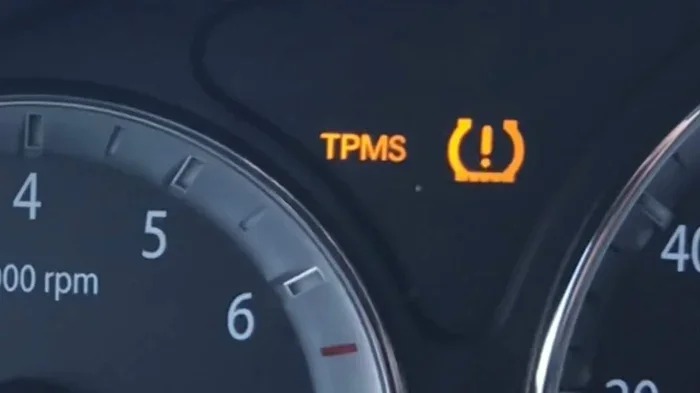
That little yellow horseshoe shape with an exclamation mark can really get on your nerves. It sits right in the middle of your dashboard and just stares at you every time you turn the key. The TPMS light means your tire pressure monitoring system has spotted something wrong. Most of the time, it is a simple fix. Sometimes it points to a sensor that needs replacing. Either way, you do not need to panic. This guide shows you exactly how to remove the TPMS light from the car dashboard in easy, clear steps.
We will cover every method you can try at home. You will learn how to check your tire pressure, reset the system, and know when to call a pro. We will also look at why the light comes on in the first place. By the end, you will feel confident handling this common car issue yourself. No jargon. No fluff. Just practical advice that works.
Before we dive in, it helps to understand what the tire pressure monitoring system actually does. It uses small sensors inside each tire to measure air pressure. When pressure drops below the safe level, the system sends a signal to your car’s computer. That signal lights up the dashboard. Simple as that. Once you know this, the fix becomes much easier to understand.
Why Does the TPMS Light Come On?
The TPMS light does not just turn on for fun. It always has a reason. Understanding the cause helps you pick the right fix. Here are the most common reasons the light appears on your dashboard.
Low Tire Pressure
This is the number one cause. A slow leak, temperature change, or simply not checking your tires for a while can drop the pressure. Even a small loss of a few PSI can trigger the warning. The tire pressure sensor picks it up immediately and sends that yellow light to your dashboard.
Temperature Changes
Cold weather shrinks the air inside your tires. In winter, you might notice the light comes on first thing in the morning. As the tires warm up from driving, the pressure rises and the light sometimes goes away on its own. This is a very common reason, especially during seasonal changes.
Faulty TPMS Sensor
The sensors inside each tire have a battery that lasts around five to ten years. When the battery dies, the sensor cannot send data. Your car reads this as a problem and lights up the warning. Replacing the sensor battery or the whole unit usually fixes this.
Recent Tire Change or Rotation
If you just got new tires or rotated them, the system might need a reset. The sensors may have shifted positions, and the car’s computer needs to relearn where each sensor is. A quick reset solves this in most cases.
System Malfunction
Sometimes the TPMS system itself has an electrical issue. A wiring problem, a blown fuse, or a software glitch can cause the light to stay on even when your tires are perfectly fine. This needs a bit more troubleshooting.
How to Check Your Tire Pressure
Before you try any reset method, always check your actual tire pressure first. You might be driving around with a slow leak and not even know it. Here is how to do it the right way.
- Find the recommended PSI. Look at the sticker inside your driver’s door frame. It tells you the exact pressure your car needs. Do not guess. Use the number on the sticker.
- Get a tire pressure gauge. You can buy a simple analog gauge for a few dollars at any auto shop. Digital gauges are even more accurate and worth the small extra cost.
- Check all four tires. Remove the valve cap, press the gauge firmly onto the valve stem, and read the number. Do this when the tires are cold for the most accurate reading.
- Compare readings to the recommended PSI. If any tire is low, add air until it matches the recommended level.
- Replace the valve caps. This small step keeps dirt and moisture out of the valve stem and helps your sensors last longer.
After you inflate your tires to the correct pressure, drive the car for a few minutes. In many vehicles, the TPMS light will turn off automatically. The system rechecks the pressure and clears the warning once it sees everything is in range. If the light stays on, move on to the reset methods below.
Methods to Reset the TPMS Light
Once your tires are at the right pressure, you can try resetting the system. There are several ways to do this depending on your car model. Let us walk through each one.
Method 1: Use the TPMS Reset Button
Many cars have a dedicated TPMS reset button. It is usually located under the steering column, on the center console, or near the gear shift. Here is what to do:
- Turn the ignition to the “on” position without starting the engine.
- Press and hold the TPMS reset button until the light on the dashboard blinks three times.
- Release the button and start the engine.
- Drive the car for about 20 minutes at a steady speed.
- The system should recalibrate and the light should go off.
If you cannot find the reset button, check your owner’s manual. It will show you the exact location for your specific model. Some cars hide it behind the steering wheel shroud, so you might need to look carefully.
Method 2: The Driving Trick
This method works on many vehicles without any buttons at all. Simply drive at a steady speed of around 50 mph for about 10 to 15 minutes. The car’s computer recognizes the consistent driving pattern and resets the system automatically. This is one of the easiest dashboard indicator fixes you can try.
Some drivers also report success with highway driving. The combination of steady speed and consistent road vibration seems to help the system recalibrate. It is worth a try before you reach for any tools.
Method 3: Disconnect the Battery
If the reset button does not work, you can try disconnecting the car battery. This clears the computer’s memory and forces the system to start fresh.
- Turn off the engine and remove the key.
- Open the hood and locate the negative battery terminal.
- Use a wrench to loosen the cable and disconnect it.
- Wait for about 10 to 15 minutes.
- Reconnect the cable and tighten it back up.
- Start the car and drive for a few miles.
This method works well but also resets other settings like your radio presets and clock. Keep that in mind before you try it. Also, some newer vehicles may need a special scan tool to fully reset the system after a battery disconnect.
Method 4: Use an OBD2 Scanner
An OBD2 scanner is a handy tool for any car owner. You plug it into the diagnostic port under your steering column. The scanner reads error codes from your car’s computer. If the TPMS light is on, the scanner will show you the specific code. From there, you can clear the code and turn off the light.
You can buy a basic OBD2 scanner for around $20 to $50. They are simple to use and very effective. Some scanners even have a dedicated TPMS reset function built in. This is a great investment if you like doing your own car maintenance.
When the TPMS Light Means a Sensor Problem
Sometimes the light stays on even after you have checked the pressure and tried resetting. This usually means one of the TPMS sensors has a problem. The sensors are small devices mounted inside each tire, attached to the valve stem. They send real-time pressure data to your car’s computer.
Here are the signs that a sensor is failing:
- The light comes on and stays on regardless of tire pressure.
- The light flashes for about 60 to 90 seconds after starting the car, then stays solid.
- You recently replaced a tire and the light appeared afterward.
- Your car is more than five years old and the light has never been reset.
To fix a faulty sensor, you usually need to replace it. Some sensors are user-replaceable. You can unscrew the old sensor from the valve stem and screw in a new one. Other sensors require a special tool to program them to your car’s system. If you are not comfortable doing this yourself, a mechanic can handle it quickly.
It is also worth noting that the sensor battery eventually dies. When it does, you need to replace the entire sensor unit. The battery cannot be replaced separately on most models. This is a normal part of vehicle maintenance and happens to every car owner eventually.
How Tire Pressure Affects Your Car’s Performance
Many people do not realize that tire pressure directly impacts how your car drives and how much fuel it uses. Properly inflated tires are safer, last longer, and help your engine run more efficiently. Underinflated tires create more rolling resistance, which means your engine works harder and uses more fuel.
In fact, tire pressure has a big effect on fuel economy. Even a single tire that is 10 PSI below the recommended level can reduce your fuel efficiency noticeably. This is why keeping an eye on your dashboard symbols and responding quickly to the TPMS light is so important. It is not just about avoiding a warning. It is about keeping your car running its best.
For those who drive a hybrid, the connection between tire pressure and fuel efficiency is even more important. Hybrids rely on both electric and petrol power, and any extra strain on the engine from underinflated tires can reduce the electric range. If you want to learn more about how hybrid systems work with fuel, check out this guide on at what speed does a hybrid switch from electric to gas for a deeper understanding.
Also, properly inflated tires help you get more kilometers per liter of fuel. If you are curious about how tire pressure and driving habits affect your fuel economy, you might find it helpful to read about how far 1 litre of petrol can take you in different driving conditions.
Dashboard Warning Lights You Should Know
The TPMS light is just one of many symbols on your dashboard. Understanding what each one means helps you respond faster and keep your car safe. Here are some other common warning lights you might see.
- Check Engine Light: This amber light means the engine or emissions system has detected an issue. It could be something minor like a loose gas cap or something more serious.
- Oil Pressure Warning: A red oil can symbol means your oil pressure is low. Pull over safely and check your oil level immediately.
- Battery Warning: A red battery symbol means there is a problem with your charging system. This could be a failing alternator or a weak battery.
- Brake Warning: A red circle with an exclamation mark means your brake system needs attention. Check your brake fluid level and brake pads.
- High Beam Indicator: A blue headlight symbol tells you your high beams are on. If you are wondering whether this is the same as brights, here is what you need to know about the difference between high beams and brights.
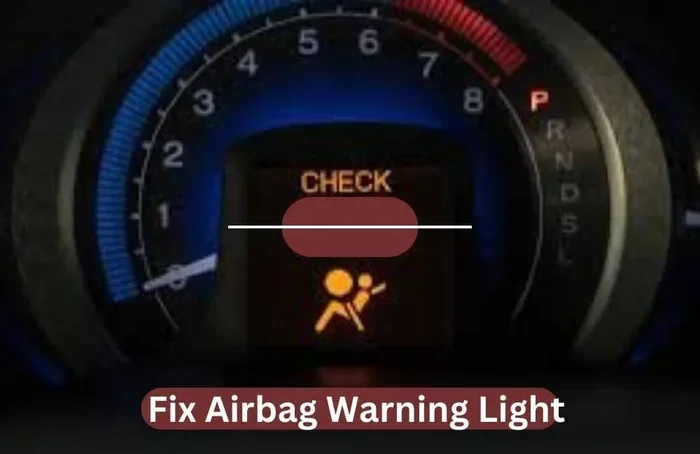
Each of these lights serves an important purpose. Ignoring them can lead to bigger problems down the road. The TPMS light, in particular, should never be ignored for long. Driving on underinflated tires wears them out faster and can even cause a blowout at highway speeds.
How to Prevent the TPMS Light From Coming Back
Once you have successfully cleared the light, you want to keep it off. Prevention is always better than cure. Here are some simple habits that help.
- Check your tire pressure monthly. Make it a routine. Set a reminder on your phone if needed. A few minutes each month saves you from bigger problems later.
- Check tire pressure before long trips. Long drives put more stress on your tires. A quick check before you leave gives you peace of mind.
- Keep your valve stems capped. The small rubber caps on your valve stems prevent air leaks and keep moisture out. They are cheap and easy to replace.
- Rotate your tires regularly. Tire rotation helps your tires wear evenly and keeps your TPMS sensors working properly. Most manufacturers recommend rotating every 5,000 to 8,000 kilometers.
- Replace sensor batteries on schedule. If you know your car is getting older, plan for sensor battery replacement before they die unexpectedly.
- Keep a tire pressure gauge in your trunk. You never know when you will need to check your pressure on the road. A small gauge weighs almost nothing and can save you a lot of trouble.
These simple steps go a long way. They keep your tires healthy, your fuel economy good, and your TPMS light off. Your car will thank you for the extra care.
Common Mistakes People Make With TPMS Lights
There are a few mistakes that many drivers make when dealing with the TPMS light. Avoiding these can save you time and money.
Ignoring the Light
The biggest mistake is simply ignoring the warning. Some drivers see the light and just leave it on. This is dangerous. Underinflated tires reduce your handling, increase stopping distance, and can lead to a blowout. Always take the light seriously.
Assuming the Light Means a Big Problem
Many people panic when they see the TPMS light. In most cases, it is a simple fix like adding air to a tire. Do not assume the worst. Check the pressure first and try a reset. You might be surprised how often the problem is minor.
Resetting Without Fixing the Cause
Never just reset the light without addressing the root cause. If your tire has a slow leak, resetting the system will only make the light come back later. Always check your tire pressure and fix any leaks before you reset the system.
Using the Wrong PSI
Some drivers guess at the correct tire pressure or use the number on the tire sidewall instead of the recommended PSI from the car manufacturer. These are two different numbers. The number on the tire is the maximum pressure the tire can handle. The recommended PSI is what your car actually needs. Always use the manufacturer’s recommendation.
When to See a Professional Mechanic
Most TPMS issues are simple enough to handle at home. But there are times when you should let a professional take a look. If you have tried all the reset methods and the light still does not go off, it is time to visit a mechanic. The same goes for if you notice physical damage to your tires or if multiple warning lights appear on your dashboard at the same time.
A mechanic has professional diagnostic tools that can read your car’s computer in detail. They can identify exactly which sensor is failing, check for wiring issues, and make sure the entire system is working correctly. Sometimes the problem is a wiring fault in the wheel speed sensor or a deeper issue with the car’s computer that needs specialized equipment to fix.
Do not feel embarrassed about visiting a mechanic. Even experienced car owners sometimes need professional help. The key is knowing when to try it yourself and when to call in the experts. For routine TPMS resets and tire pressure checks, you can absolutely handle it at home. For persistent or complex issues, a professional mechanic is your best bet.
Final Thoughts
Removing the TPMS light from your dashboard is something you can do yourself in most cases. Start by checking your tire pressure and inflating any low tires. Then try a simple reset using the button or the driving trick. If those do not work, a battery disconnect or OBD2 scanner usually does the job. Remember to address the root cause before resetting, and keep up with regular tire maintenance to prevent the light from returning.
The TPMS light is your car’s way of looking out for you. It warns you about tire pressure issues that can affect safety, fuel economy, and tire life. Responding quickly and correctly to this warning keeps you safe on the road and saves you money in the long run. Keep these steps handy, share them with friends, and never let a little yellow light stress you out again.
Your dashboard has many symbols, and each one plays an important role. Understanding what they mean makes you a smarter, safer driver. The TPMS light is one of the easiest to deal with once you know how. Now that you have this knowledge, you are ready to handle it whenever it appears. Drive safe, keep your tires properly inflated, and enjoy the confidence that comes with knowing you can handle this common car issue on your own.
Frequently Asked Questions
Can I drive with the TPMS light on?
You can drive short distances with the TPMS light on, but it is not safe for long trips. The light usually means your tire pressure is low, which affects handling and braking. Check your tire pressure as soon as possible and add air if needed before driving far.
How much does it cost to replace a TPMS sensor?
A single TPMS sensor costs between $50 and $100 for most cars. If you go to a mechanic, labor charges may add another $30 to $50 per sensor. Some sensors are easier to replace than others, so the total cost depends on your vehicle model.
Will the TPMS light turn off by itself?
Yes, in some cases. If the light came on because of cold weather or a small pressure drop, it may turn off once the tires warm up from driving. However, if the light stays on for more than a few days, you should check your tire pressure and address the issue.
How often should I check my tire pressure?
You should check your tire pressure at least once a month. Temperature changes can cause pressure to drop, so checking more often during winter is a good idea. A quick check takes only a few minutes and can prevent the TPMS light from coming on.
Does the TPMS light mean I need new tires?
Not necessarily. The TPMS light usually means your tire pressure is low, not that your tires are worn out. However, if your tires are old and the light keeps coming back, it could be a sign of a slow leak or tire damage that might need a new tire.
What should I do if the TPMS light flashes and then stays on?
A flashing TPMS light followed by a solid light usually means there is a malfunction in the system itself, not just low tire pressure. Check your tire pressure first, then try resetting the system. If the light persists, have a mechanic scan the system for error codes.