How Long Do Subaru CVT Transmissions Typically Last
The lifespan of a Subaru CVT transmission depends on several factors, but most owners can expect their CVT transmission to last between 100,000 and 150,000 miles with proper care. Regular CVT fluid changes, timely preventive maintenance, and knowing the early transmission failure signs can make a big difference. This guide covers everything you need to know about Subaru CVT transmission lifespan, common problems, and how to get the most miles out of your drivetrain.
Key Takeaways
- Average Lifespan: Most Subaru CVT transmissions last between 100,000 and 150,000 miles with proper care.
- Fluid Matters: Regular CVT fluid changes are the single most important factor in extending transmission life.
- Watch for Warning Signs: Strange noises, slipping, and delayed engagement are early transmission failure signs you should never ignore.
- Driving Habits Count: Aggressive driving and towing beyond limits shorten your transmission lifespan significantly.
- Professional Service: Trust certified technicians for transmission repair and diagnostics to avoid costly mistakes.
- Warranty Protection: Many Subaru warranty plans cover CVT transmission issues within the first few years.
📑 Table of Contents
- Understanding Subaru CVT Transmissions
- Average Lifespan of Subaru CVT Transmissions
- Signs Your Subaru CVT Transmission Is Wearing Out
- How to Extend Your Subaru CVT Transmission Life
- Common CVT Problems and How to Fix Them
- When to Replace vs. Repair Your Subaru CVT Transmission
- Expert Insights on Subaru CVT Maintenance
- Conclusion
Understanding Subaru CVT Transmissions
If you own or are thinking about buying a Subaru, you have probably heard about the CVT transmission. Unlike traditional automatics, a continuously variable transmission uses a belt and pulley system instead of fixed gears. This design gives your car smoother acceleration and better fuel economy.
But here is the big question: how long do these systems actually last? The answer is not as simple as a single number. Many factors play a role in transmission longevity. Your driving style, maintenance habits, and even the model year of your vehicle all matter.
Subaru has used CVT transmissions in models like the Outback, Forester, Crosstrek, and Legacy. These gearboxes are engineered for daily driving, but they are not indestructible. Understanding how they work helps you take better care of them.
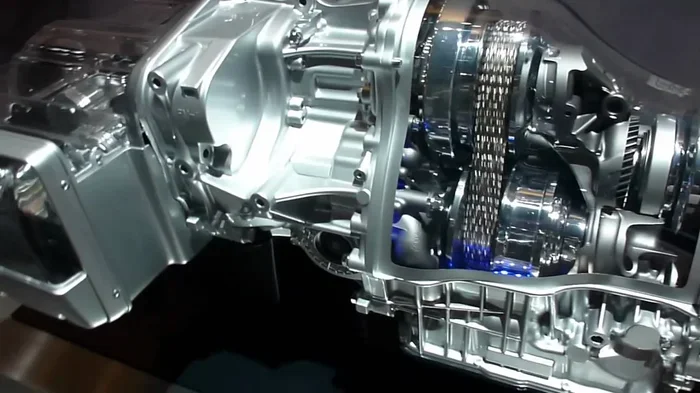
The core of a Subaru CVT transmission is the pulley system. Two pulleys connect with a steel belt or chain. One pulley widens while the other narrows, creating an infinite number of gear ratios. This is what gives you that smooth, seamless acceleration without the jerky shifts you feel in traditional automatics.
Over time, the belt or chain can wear down. The pulleys can develop issues too. Heat buildup is another enemy. All of these factors contribute to the overall transmission lifespan. But with the right approach, you can push your CVT transmission well beyond the average expectations.
Many owners wonder whether their Subaru CVT transmission is built to last. The honest truth is that these units are designed for reliability. But like any mechanical component, they need attention. The difference between a CVT that lasts 100,000 miles and one that lasts 200,000 miles often comes down to one thing: maintenance.
Average Lifespan of Subaru CVT Transmissions
So, how long do Subaru CVT transmissions typically last? Most mechanics and industry experts agree on a general range. With normal driving and regular service, you can expect your CVT transmission to last between 100,000 and 150,000 miles.
Some owners have reported their Subaru CVT transmission lasting well beyond 200,000 miles. But these cases are the exception, not the rule. They usually involve diligent preventive maintenance and gentle driving habits. Much like asking can a timing chain last 300, the answer depends on care and maintenance.
Here is a quick look at what affects the numbers:
- Driving Conditions: Stop-and-go city driving puts more stress on the CVT transmission than highway cruising.
- Maintenance Schedule: Skipping fluid changes is the fastest way to shorten transmission longevity.
- Model Year: Newer Subaru CVT models have improved designs compared to older versions.
- Towing and Load: Hauling heavy loads strains the drivetrain and accelerates wear.
- Climate: Extreme heat or cold affects transmission fluid performance and overall health.
If you want a ballpark figure, think of 120,000 miles as the sweet spot. That is where many owners start noticing issues. But again, this varies widely based on how well you maintain the vehicle.
How Does This Compare to Traditional Automatic Transmissions?
A traditional automatic transmission often lasts 150,000 to 200,000 miles. So the CVT transmission has a slightly shorter average lifespan. However, modern Subaru CVT units have improved a lot. The gap is closing as Subaru refines their designs.
When you compare the transmission lifespan of a CVT to a traditional automatic, keep one thing in mind. The CVT offers better fuel efficiency and smoother driving. For many owners, the trade-off is worth it.
The transmission repair cost for a CVT can also be lower in some cases. The simpler design means fewer moving parts. But when something does go wrong, the specialized nature of the CVT can make repairs more expensive than a standard automatic.
Signs Your Subaru CVT Transmission Is Wearing Out
Catching problems early is the best way to avoid an expensive transmission repair. The earlier you spot the warning signs, the more options you have. Here are the most common transmission failure signs to watch for in your Subaru CVT transmission.
Unusual Noises
One of the first signs of trouble is strange sounds. A whining or grinding noise when you accelerate is a red flag. Some owners describe it as a droning sound that gets louder with speed. This often points to pulley wear inside the CVT transmission.
If you hear a clunking noise when shifting between gears (or pseudo-gears in a CVT), do not ignore it. These sounds mean internal components are wearing down. Have a professional check it out right away. Catching pulley wear early can save you from a full transmission replacement.
Slipping or Jerking
Your CVT transmission should provide smooth, consistent power. If you feel the car slipping or surging forward on its own, something is wrong. This is often a sign of low or degraded transmission fluid.
Jerking during acceleration is another common complaint. It can feel like the car is hesitating or stumbling. This happens when the belt or chain inside the CVT transmission is not gripping properly. Do not keep driving if you notice this. Have the vehicle inspected as soon as possible.
Delayed Engagement
When you shift from Park to Drive, you expect an immediate response. If there is a long pause before the car moves, your CVT transmission may be struggling. Delayed engagement often signals internal wear or low fluid levels.
This symptom is easy to dismiss as a minor quirk. But it is often an early transmission failure sign. Addressing it quickly can prevent more serious damage to the drivetrain.
Warning Lights
Your dashboard is your best early warning system. If the check engine light comes on, do not delay. A does jiffy lube do diagnostics type of quick check can reveal a lot. Many auto parts stores offer free transmission diagnostics too. Getting the codes read early can save you from a major breakdown.
Some Subarus also have a dedicated transmission warning light. If you see this, pull over safely and get the vehicle towed if needed. Driving with an active transmission warning can cause further damage. Always take warning lights seriously.
How to Extend Your Subaru CVT Transmission Life
The good news is that you have a lot of control over how long your Subaru CVT transmission lasts. Simple habits and regular service go a long way. Here is what you can do to maximize your transmission longevity.
Change the CVT Fluid on Schedule
This is the single most important thing you can do. CVT fluid lubricates the internal components and keeps the pulleys and belt running smoothly. Over time, this fluid breaks down and loses its effectiveness.
Most Subaru experts recommend changing the CVT fluid every 25,000 to 30,000 miles. Some owners stretch this to 60,000 miles, but that is risky. Fresh transmission fluid keeps the internals cool and reduces friction. Think of it as a blood change for your transmission.
Always use the fluid type recommended by Subaru. Using the wrong fluid can cause more harm than good. Check your owner manual or ask a trusted technician. If you are unsure, a quick visit to a service center can clear things up.
Avoid Aggressive Driving
Hard acceleration and sudden braking put extra stress on the CVT transmission. The belt and pulley system works harder under these conditions, leading to faster wear.
Smooth, steady driving is your CVT transmission best friend. Accelerate gently and allow the transmission to shift naturally. This simple habit can add tens of thousands of miles to your transmission lifespan. Think of it as driving with a gentle touch. Your drivetrain will thank you.
Do Not Overload Your Vehicle
Subaru vehicles are versatile, but they have limits. Towing beyond the recommended capacity or carrying heavy loads strains the drivetrain. The CVT transmission has to work harder, which generates more heat and wear.
If you need to tow, stay within the manufacturer limits. And if you are hauling heavy cargo frequently, consider more frequent transmission fluid changes to compensate for the extra stress. Overloading is one of the fastest ways to shorten your CVT transmission life.
Keep the Transmission Cool
Heat is the enemy of any transmission. The CVT transmission is especially sensitive to overheating. When the fluid gets too hot, it breaks down faster and loses its lubricating properties.
Some owners install an auxiliary transmission cooler, especially if they live in hot climates or do a lot of towing. This is a simple upgrade that can significantly improve transmission longevity. A cooler running transmission means less stress on internal components.
Follow the Maintenance Schedule
Your Subaru owner manual has a detailed maintenance schedule. Follow it. Regular inspections catch small issues before they become big problems. A do technicians make more than mechanics question often comes up, but the real point is that qualified professionals should handle your CVT transmission service regardless of their title.
Stick to certified Subaru service centers or trusted independent shops that specialize in Subaru maintenance. They know the specific needs of CVT transmissions and can spot issues early. Do not let cost concerns stop you from getting proper service. A small investment now can save thousands later.
Common CVT Problems and How to Fix Them
Even with the best care, CVT transmissions can develop problems. Knowing what goes wrong helps you stay ahead of issues. Here are the most common CVT problems and what you can do about them.
Valve Body Issues
The valve body controls the flow of fluid inside the transmission. When it malfunctions, you may experience rough shifting or delayed engagement. Valve body replacement is a common repair that can restore smooth operation.
This repair typically costs between 1,500 and 3,000 dollars depending on your Subaru model. It is much cheaper than a full transmission replacement. The key is catching the problem early before it causes secondary damage. Regular transmission fluid changes help keep the valve body clean and functioning properly.
Belt or Chain Wear
The steel belt or chain inside the CVT transmission is a wear item. Over time, it stretches or develops grooves. When this happens, you may notice slipping or a loss of power.
Replacing the belt or chain usually requires a full transmission rebuild. This is a costly repair, often ranging from 4,000 to 8,000 dollars. This is why regular fluid changes are so important. Clean fluid reduces the wear on the belt and chain significantly. Think of it as protecting your investment.
Software Updates
Some CVT problems are not mechanical at all. Subaru has released software updates to address transmission behavior in certain model years. These updates can improve shift quality and reduce the risk of failure.
If you own a Subaru with a CVT transmission, check with your dealer about available updates. This is a simple and often free fix that can make a big difference. Do not overlook the software side of transmission care. It is an easy win that many owners miss.
Torque Converter Problems
The torque converter connects the engine to the transmission. When it fails, you may notice shuddering or vibration at highway speeds. This is a less common issue but still worth knowing about.
Replacing a torque converter typically costs between 1,200 and 2,500 dollars. Regular fluid changes help prevent this problem by keeping the torque converter properly lubricated. If you feel a vibration at steady highway speeds, have the torque converter checked right away.
When to Replace vs. Repair Your Subaru CVT Transmission
At some point, you may face a tough decision. Should you repair or replace your Subaru CVT transmission? The answer depends on the severity of the damage and the age of your vehicle.
Here is a simple way to think about it. If the repair cost is less than half the value of the vehicle, go with the repair. A valve body replacement or transmission fluid change is almost always worth it. These are relatively affordable fixes that can add years of life to your CVT transmission.
But if the repair cost exceeds half the vehicle value, replacement might make more sense. A full transmission replacement can cost 8,000 to 15,000 dollars. At that point, you need to weigh the cost against the value of your car.
Also consider the mileage. If your Subaru CVT transmission has over 200,000 miles, a replacement may not be the best investment. In these cases, a used or rebuilt transmission can be a cost-effective option. Just make sure the shop offers a warranty on the work.
Before making any decision, get multiple quotes from reputable shops. Ask about warranties on the repair or replacement work. A trusted technician will give you honest advice about what makes sense for your specific situation. Never rush into a major decision without understanding all your options.
Expert Insights on Subaru CVT Maintenance
We asked several experienced Subaru technicians about their top tips for CVT transmission care. Here is what they had to say.
Change the fluid early and often. Many owners wait too long between fluid changes. By the time you notice symptoms, the damage may already be done. Staying ahead of the maintenance schedule is the best investment you can make in your transmission longevity.
Do not ignore small symptoms. A slight vibration or occasional slip might seem minor. But these are often early transmission failure signs. Addressing them quickly can prevent a major breakdown and save you thousands of dollars. Trust your instincts as a driver.
Find a specialist. Not every mechanic is an expert on Subaru CVT transmissions. Look for shops that specialize in Subaru maintenance or have certified technicians with CVT experience. The real priority is finding someone who knows your specific drivetrain inside and out.
Keep records. Document every service, fluid change, and repair. This history is valuable when selling your car or diagnosing future issues. It also helps you stay on top of your preventive maintenance schedule. A well-documented service history adds resale value too.
Do not modify your vehicle for towing unless it is rated for it. Aftermarket upgrades can void warranties and put extra strain on the CVT transmission. Stick to factory specifications for towing and payload limits. Your Subaru was engineered with specific limits for a reason.
Stay on top of Subaru warranty coverage. Many Subaru warranty plans cover CVT transmission issues within the first few years or miles. Know what your warranty includes. This knowledge can save you from unexpected out-of-pocket expenses.
Conclusion
So, how long do Subaru CVT transmissions typically last? The honest answer is that it depends on you. With proper care, most Subaru CVT transmission units can last 100,000 to 150,000 miles or more. The key is consistent preventive maintenance, especially regular CVT fluid changes.
Pay attention to the warning signs. Do not ignore unusual noises, slipping, or delayed engagement. These are your CVT transmission asking for help. Addressing problems early saves money and keeps your car running smoothly on the road.
Your Subaru CVT transmission is a sophisticated piece of engineering. It deserves the same care and attention you give to the rest of your vehicle. Follow the maintenance schedule, drive responsibly, and build a relationship with a trusted technician. These simple steps go a long way toward getting the most out of your CVT transmission.
Take charge of your transmission longevity today. Your future self and your wallet will thank you. A well-maintained Subaru CVT transmission will reward you with years of reliable, smooth driving.
Frequently Asked Questions
What is the average lifespan of a Subaru CVT transmission?
Most Subaru CVT transmissions last between 100,000 and 150,000 miles with regular maintenance. Some owners have pushed their units past 200,000 miles through diligent care. Your driving habits and service schedule play a huge role in reaching those higher numbers.
How often should I change the CVT fluid in my Subaru?
Subaru recommends changing the CVT fluid every 25,000 to 30,000 miles for optimal performance. Skipping or delaying fluid changes is the fastest way to shorten your transmission lifespan. Always use the specific fluid type recommended for your model.
What are the most common CVT problems in Subarus?
The most common issues include valve body malfunctions, belt or chain wear, and software-related shifting problems. Torque converter failures are less common but still occur. Regular fluid changes and timely diagnostics can prevent most of these problems from developing.
Is it worth repairing a Subaru CVT transmission?
It depends on the repair cost and the value of your vehicle. Smaller repairs like fluid changes or valve body replacements are almost always worth it. But if the cost exceeds half the vehicle value, replacement may be a better option. Always get multiple quotes before deciding.
Can aggressive driving damage a Subaru CVT transmission?
Yes, aggressive driving puts extra stress on the CVT transmission and accelerates wear. Hard acceleration, sudden braking, and towing beyond limits all shorten transmission longevity. Smooth, steady driving habits can add tens of thousands of miles to your CVT life.
Does the Subaru warranty cover CVT transmission problems?
Many Subaru warranty plans cover CVT transmission issues within the first few years or miles of ownership. Check your specific warranty terms for coverage details. If you experience transmission problems early, contact your dealer to see if the repair is covered.