How Many Miles Will A Ford Ranger Last in Real Life
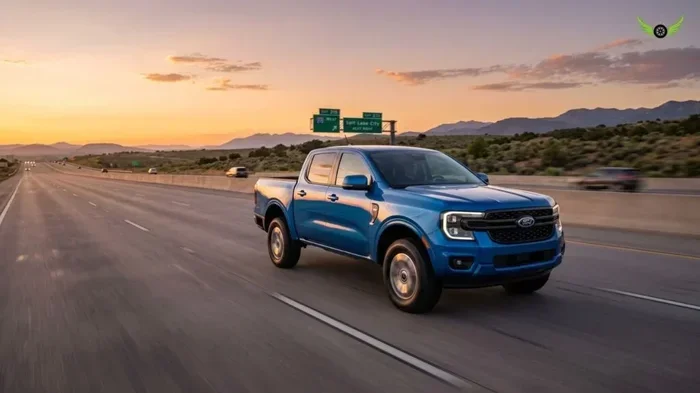
The Ford Ranger is a tough, dependable pickup truck that can easily reach 200,000 to 300,000 miles with proper care. Many owners report their Rangers lasting well beyond 250,000 miles when they follow a regular maintenance schedule and drive responsibly. Factors like engine type, driving habits, and maintenance frequency play a huge role in how long your Ford Ranger will last.
The Ford Ranger has been a favorite among truck lovers for decades. Whether you use it for work, towing, or weekend adventures, one question always comes up: how many miles will a Ford Ranger last? The answer might surprise you. With the right care, this compact pickup can easily cross the 200,000-mile mark and keep going strong.
Many truck buyers worry about long-term ownership costs. They want to know if their investment will pay off. Ford Ranger reliability has been proven time and again by real owners. In this article, we will break down everything you need to know about Ford Ranger mileage, what affects its lifespan, and how you can make yours last as long as possible.
## Understanding Ford Ranger Mileage Expectations
When we talk about Ford Ranger lifespan, we need to look at the numbers. Most modern Ford Rangers are built to handle serious mileage. The average driver puts around 13,000 to 15,000 miles per year on their truck. At that rate, a Ford Ranger can easily last 15 to 20 years before needing major repairs.
### What the Factory Says
Ford designs the Ranger with a strong frame and durable components. The factory target for most trucks like the Ranger is around 200,000 miles. But that is just the starting point. Many Rangers go far beyond that number. The Ford Ranger engine durability is one of the main reasons these trucks keep running for so long.
### The Role of the Engine
The engine is the heart of any truck. Ford Rangers come with different engine options. The 2.3-liter EcoBoost four-cylinder is a popular choice. It offers a good balance of power and fuel efficiency. The 3.3-liter V6 engine provides more towing capacity and tends to last even longer under heavy use.
Both engines are known for their Ford Ranger engine durability. The V6 especially handles high mileage with grace. Regular maintenance makes a huge difference in how long either engine will run smoothly.
## Factors That Affect Ford Ranger Lifespan
Not every Ford Ranger will hit the same mileage. Several factors determine how long your truck will last. Understanding these can help you make better decisions as an owner.
### Maintenance Schedule and Routine Care
This is the biggest factor. A Ford Ranger that gets regular oil changes, fluid flushes, and inspections will outlast one that does not. Ford Ranger maintenance should follow the factory schedule. Skipping services may save time now but costs you later.
Here are the key maintenance tasks that extend Ford Ranger mileage:
- Oil Changes: Every 5,000 to 7,500 miles with conventional oil
- Transmission Fluid: Replace every 60,000 to 100,000 miles
- Brake Inspections: Check every 15,000 miles
- Coolant Flush: Every 30,000 to 50,000 miles
- Tire Rotations: Every 5,000 to 7,500 miles
- Spark Plugs: Replace every 30,000 to 60,000 miles
### Driving Habits and Style
How you drive matters a lot. Aggressive acceleration and hard braking wear out components faster. Gentle driving reduces stress on the engine and transmission. If you tow heavy loads regularly, your Ranger will experience more strain. But the Ford Ranger fuel economy and towing limits are designed to handle serious work.
Quick tip: Avoid idling for long periods. It builds up carbon deposits in the engine. This can reduce Ford Ranger longevity over time.
### Road Conditions and Environment
Trucks driven in harsh conditions face more wear. Salt, gravel, dust, and extreme temperatures all take a toll. If you live in a coastal area, salt air can cause rust. If you drive on dirt roads, debris can damage the undercarriage.
Keeping your Ranger clean and protected helps a lot. Regular washing, especially in winter months, prevents rust from eating away at the body.
## Real-World Ford Ranger Mileage Stories
Real owners provide the best proof of Ford Ranger reliability. Many forums and owner groups are filled with stories of Rangers hitting incredible mileage numbers.
### The 250,000-Mile Club
There are countless reports of Ford Rangers reaching 250,000 miles and still running strong. Owners who follow a strict maintenance routine often share their success stories. One common theme in these stories is consistency. These owners never skipped an oil change or a scheduled service.
### Hitting 300,000 Miles
Some dedicated Ranger owners have pushed their trucks past 300,000 miles. These are rare but not unheard of. The trucks that reach this milestone usually have a few things in common. They were maintained well, driven gently, and never pushed beyond their limits.
Interestingly, some owners have shared stories about unexpected events that tested their Ranger’s durability. For example, hitting a deer on the road can cause serious damage. While can hitting a deer total your car depends on the severity, many Rangers have survived such impacts with repairable damage thanks to their sturdy build.
### Fuel Efficiency in Practice
When discussing Ford Ranger miles per gallon, real-world numbers vary. The 2.3-liter EcoBoost typically delivers around 20 to 24 mpg combined. The V6 is slightly lower but offers more pulling power. Understanding your truck’s fuel tank capacity and efficiency helps you plan long trips better.
For those curious about fuel efficiency in smaller vehicles, checking how far 1 litre petrol how many km in car can go offers a helpful comparison point for understanding fuel consumption across different engine sizes.
## Common Ford Ranger Problems at High Mileage
Even the toughest trucks develop issues as they age. Knowing what to watch for helps you stay ahead of costly repairs.
### Transmission Issues
The 10-speed automatic transmission in newer Rangers is generally reliable. But at high mileage, some owners report rough shifting. Regular fluid changes are the best prevention. If you notice any slipping or hesitation, get it checked immediately.
### Suspension Wear
The Ranger’s suspension handles a lot of punishment. At 150,000 miles or more, you may notice worn shocks or struts. Replacing these components keeps the ride smooth and safe. It also protects other parts of the truck from premature wear.
### Rust and Body Corrosion
Rust is the silent killer of many trucks. Ford Rangers are not immune, especially in areas with heavy salt use. Regularly inspecting the undercarriage, wheel wells, and bed edges can catch rust early. Treating small spots before they spread saves thousands in repair costs.
### Engine and Cooling System
Older Rangers with higher mileage may develop small coolant leaks. The water pump and thermostat are common failure points. Keeping an eye on temperature gauges and addressing any overheating quickly prevents major engine damage.
## How to Make Your Ford Ranger Last Longer
You cannot stop aging, but you can slow it down. Here are proven strategies to maximize your Ford Ranger longevity.
### Follow the Maintenance Schedule Strictly
This cannot be stressed enough. The owner’s manual contains a detailed maintenance schedule. Follow it to the letter. Do not skip services because the truck “seems fine.” Preventive care is always cheaper than reactive repairs.
### Drive with Care
Avoid sudden starts and hard stops. Accelerate smoothly and let the engine warm up before pushing it hard. This simple habit reduces wear on the engine, transmission, and brakes.
### Keep It Clean
Wash your Ranger regularly. Pay special attention to the undercarriage during winter. Apply a rust inhibitor or undercoating if you live in a harsh climate. Clean interiors also prevent moisture buildup that leads to mold and corrosion.
### Address Small Problems Early
A small noise today can become a big repair tomorrow. If something sounds off, get it checked. Catching problems early saves money and keeps your truck running reliably for years.
### Store It Properly
If you have a seasonal Ranger, store it correctly. Keep it in a dry, covered area. Use a battery tender to prevent the battery from dying. Inflate tires to the proper pressure before storage. These small steps protect your investment during downtime.
## Ford Ranger vs. Other Trucks: Longevity Comparison
How does the Ranger stack up against competitors? Let us look at the numbers.
| Truck Model | Average Lifespan (Miles) | Known Reliability | Maintenance Cost |
|—|—|—|—|
| Ford Ranger | 200,000 – 300,000 | Very High | Moderate |
| Toyota Tacoma | 250,000 – 350,000 | Excellent | Moderate |
| Chevrolet Colorado | 180,000 – 250,000 | Good | Moderate to High |
| GMC Canyon | 180,000 – 250,000 | Good | Moderate to High |
The Ranger holds its own against the competition. While the Toyota Tacoma has a slight edge in longevity, the Ford Ranger offers excellent value. Its Ford Ranger resale value remains strong even at higher mileage. This makes it a smart choice for budget-conscious buyers.
For those interested in fuel efficiency comparisons across different vehicle types, understanding how hybrid trucks switch between power sources can be insightful. Check out at what speed does a hybrid switch from electric to gas for a deeper look at modern truck technology.
## Expert Insights on Ford Ranger Durability
Automotive experts consistently rate the Ford Ranger as a reliable workhorse. Many mechanics agree that the Ranger’s simple, proven design contributes to its long life. Unlike some modern trucks packed with complex electronics, the Ranger keeps things straightforward. This means fewer things can go wrong.
Experts also point to the availability of parts. Ford Rangers have been around for decades. Replacement parts are widely available and affordable. This makes long-term ownership much more manageable compared to some newer or niche truck brands.
One expert tip: Invest in quality parts. Aftermarket parts vary widely in quality. Stick with OEM or trusted brand replacements for critical components like brakes, suspension parts, and engine seals.
## Key Takeaways on Ford Ranger Longevity
The Ford Ranger is a truck built to last. With proper care and attention, you can expect your Ranger to deliver 200,000 to 300,000 miles of reliable service. The key factors are simple: maintain it regularly, drive it gently, and address issues early.
Ford Ranger mileage is not just a number. It represents years of dependable service, countless adventures, and solid resale value. Whether you buy a new Ranger or a used one with 100,000 miles already on the clock, you are getting a vehicle with serious longevity potential.
The bottom line is clear. A Ford Ranger, when cared for properly, will reward you with many years of faithful service. It is one of the most dependable trucks on the road today.
Key Takeaways
- Ford Ranger Lifespan: A well-maintained Ford Ranger can last 200,000 to 300,000 miles or more.
- Engine Matters: The V6 engine tends to outlast the 4-cylinder, but both are built tough.
- Maintenance Is Key: Regular oil changes, transmission flushes, and brake inspections dramatically extend Ford Ranger mileage.
- Driving Habits Count: Gentle driving and avoiding overloading keeps the drivetrain healthy longer.
- Real-World Proof: Many Ford Ranger owners report 250,000+ miles with basic care and attention.
- Resale Value: High-mileage Rangers still hold strong value due to their reputation for durability.
Frequently Asked Questions
How many miles can a Ford Ranger last with regular maintenance?
With regular maintenance and careful driving, a Ford Ranger can last between 200,000 and 300,000 miles. Some owners have even pushed their Rangers past 300,000 miles. The key is staying consistent with oil changes, fluid replacements, and inspections.
What is the average lifespan of a Ford Ranger in years?
Most Ford Rangers last between 15 and 20 years depending on usage and care. If you drive around 13,000 miles per year, a well-maintained Ranger will easily reach 200,000 miles within that timeframe. Regular maintenance is the biggest factor in extending its lifespan.
Does the Ford Ranger engine type affect how long it lasts?
Yes, the engine type plays a role. The 3.3-liter V6 engine tends to last longer under heavy loads compared to the 2.3-liter EcoBoost four-cylinder. However, both engines are built for durability and can handle high mileage when properly maintained.
Is a high-mileage Ford Ranger worth buying?
Absolutely. A high-mileage Ford Ranger can still be a great investment if it has been well maintained. Many Rangers with 150,000 to 200,000 miles continue to run reliably. Always get a pre-purchase inspection to check for any hidden issues before buying.
What are the most common problems with high-mileage Ford Rangers?
The most common issues include transmission roughness, suspension wear, rust on the body, and coolant leaks. These problems are manageable and usually affordable to fix when caught early. Staying on top of maintenance helps prevent most of these issues from becoming serious.
How can I make my Ford Ranger last longer?
Follow the factory maintenance schedule, drive gently, keep the truck clean, and address small problems immediately. Avoid overloading the truck beyond its rated capacity. These simple habits will add thousands of miles to your Ford Ranger’s life.
=== CONCLUSION ===
The Ford Ranger is one of the most reliable and long-lasting trucks on the market today. With a potential lifespan of 200,000 to 300,000 miles, it offers excellent value for anyone looking for a dependable pickup. Ford Ranger mileage records prove that these trucks are built to endure.
The secret to unlocking that longevity is simple: maintain it well, drive it responsibly, and address issues before they grow. Whether you use your Ranger for work or play, it will reward you with years of faithful service.
If you are considering buying a Ford Ranger, do not let high mileage scare you away. A well-cared-for Ranger at any mileage level is a smart purchase. Focus on the maintenance history and overall condition, and you will find a truck that will keep going strong for many miles to come.