How Many MPG Does a Ford F150 Get City and Highway
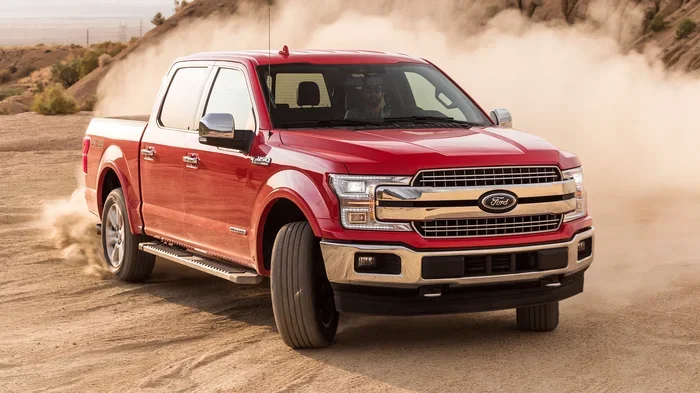
The Ford F150 delivers between 15 and 25 MPG depending on the engine, drivetrain, and driving conditions. City driving typically ranges from 15 to 19 MPG, while highway driving can push figures up to 22 to 25 MPG. The hybrid PowerBoost model stands out as the most fuel-efficient F150, offering the best of both worlds for truck buyers who want power and efficiency.
The Ford F150 has been America’s best-selling truck for decades. People buy it for work, play, and everything in between. But one question always comes up: how many MPG does a Ford F150 get? Whether you are commuting through city traffic or cruising down the highway, fuel economy matters. It affects your wallet, your driving range, and even your carbon footprint.
In this guide, we break down the Ford F150 MPG numbers for every engine option. We look at city driving, highway driving, and everything in between. You will find real-world numbers, practical tips, and honest comparisons. By the end, you will know exactly what fuel economy to expect from your F150.
Fuel economy is not just about the numbers on a sticker. It is about how you drive, what you haul, and which engine you choose. A 5.0 V8 will never match the efficiency of a 3.3 V6. And a hybrid Ford F150 will outperform both in most situations. Let us dive into the details.
Key Takeaways
- City MPG ranges from 15 to 19: Depending on the engine, your F150 will get between 15 and 19 miles per gallon in stop-and-go city traffic.
- Highway MPG reaches up to 25: Highway cruising with the 2.7 EcoBoost or hybrid PowerBoost can deliver 23 to 25 MPG.
- The hybrid PowerBoost leads in fuel economy: It is the most efficient F150 engine, combining a V6 with an electric motor for impressive MPG.
- Engine choice matters greatly: The 3.3 V6, 5.0 V8, and 5.5 EcoBoost all deliver different fuel economy numbers.
- Driving habits affect MPG: Aggressive driving, towing, and AC use can lower your fuel economy significantly.
- Real-world MPG often differs from EPA estimates: Many owners report lower or higher numbers based on their driving style and conditions.
- Tips exist to improve fuel economy: Simple changes like smooth acceleration and proper tire pressure can boost your MPG.
📑 Table of Contents
- Ford F150 MPG by Engine Option
- City MPG vs Highway MPG: What Is the Difference?
- Real-World F150 MPG: What Owners Actually Report
- How to Improve Your Ford F150 MPG
- Ford F150 MPG Comparison Table
- Towing and MPG: What to Expect
- Frequently Asked Questions About Ford F150 MPG
- Final Thoughts on Ford F150 MPG
Ford F150 MPG by Engine Option
Every Ford F150 engine delivers a different level of fuel economy. The engine you choose shapes your daily driving experience. It determines how far you can go on a single tank and how often you visit the pump. Here is a closer look at each option.
3.3 Liter V6 Engine MPG
The base 3.3 liter V6 is the most fuel-efficient non-hybrid engine in the F150 lineup. It produces around 290 horsepower and 265 lb-ft of torque. For city driving, you can expect about 16 to 19 MPG. On the highway, the numbers climb to 22 to 24 MPG. This engine strikes a great balance between power and efficiency for everyday use.
Many buyers choose this engine for its reliability and lower fuel costs. It is a solid choice for those who do not need extreme towing power. If your main priority is saving money on gas, the 3.3 V6 deserves strong consideration.
2.7 Liter EcoBoost V6 MPG
The 2.7 EcoBoost is a turbocharged V6 that delivers 325 horsepower and 400 lb-ft of torque. It is a popular choice for those who want serious power without a V8. City MPG sits around 16 to 18 MPG. Highway MPG ranges from 21 to 23 MPG.
Turbocharged engines like the 2.7 EcoBoost offer a unique advantage. They provide strong low-end torque for hauling and towing. Yet they still deliver respectable fuel economy for a truck of this size. The turbocharger forces more air into the engine, which improves combustion efficiency.
5.0 Liter V8 Engine MPG
The classic 5.0 V8 is a powerhouse. It produces 395 horsepower and 400 lb-ft of torque. But that power comes at a fuel economy cost. City MPG drops to around 15 to 17 MPG. Highway MPG reaches 20 to 22 MPG. This engine is ideal for heavy towing and hauling.
If you regularly tow a trailer or carry heavy loads, the 5.0 V8 earns its keep. However, if you mostly drive empty or lightly loaded, you will feel the fuel cost difference. The V8 simply burns more gasoline than smaller engines. Think of it as paying for raw power.
5.5 Liter EcoBoost V8 MPG
The newer 5.5 EcoBoost is Ford’s latest big-block offering. It produces 390 horsepower and 400 lb-ft of torque. City MPG is around 15 to 17 MPG. Highway MPG reaches 21 to 23 MPG. This engine replaces the older 5.0 V8 and offers modern efficiency features.
Ford designed the 5.5 EcoBoost with advanced technology. Dual turbochargers and direct fuel injection help squeeze more power from less fuel. It is a compelling option for those who want V8 performance with slightly better efficiency.
Hybrid PowerBoost Engine MPG
The Ford F150 hybrid is the clear winner in fuel economy. The PowerBoost system combines a 3.5 liter V6 with an electric motor. Together, they produce a massive 430 horsepower and 570 lb-ft of torque. City MPG reaches 20 to 24 MPG. Highway MPG climbs to 24 to 25 MPG. No other full-size truck matches these numbers.
What makes the hybrid so efficient? The electric motor assists the gas engine during acceleration. It also allows for electric-only operation at low speeds. When you brake, the system recaptures energy through regenerative braking. This is similar to how at what speed does a hybrid switch from electric to gas in other hybrid vehicles. The seamless transition between power sources maximizes efficiency.
For comparison, the hybrid F150 gets significantly better fuel economy than a standard 1 liter petrol engine in a smaller car would achieve in terms of raw distance per fuel volume. The technology in the PowerBoost system is what sets it apart. It is a truck that does not punish you at the fuel pump.
City MPG vs Highway MPG: What Is the Difference?
Understanding the gap between city and highway MPG helps you plan better. Stop-and-go traffic is the enemy of fuel economy. Constant braking and acceleration burn more fuel. Highway cruising, on the other hand, allows the engine to operate at a steady state. This is much more efficient.
Why City Driving Reduces MPG
City driving involves lots of idling, low-speed acceleration, and frequent stops. Each time you brake, you waste energy that the engine worked hard to create. Traffic lights, congestion, and urban speed limits all work against fuel efficiency. The Ford F150 city MPG typically runs 3 to 5 MPG lower than highway figures.
If you live in a busy city, your fuel costs will be higher. The good news is that the hybrid PowerBoost helps here. Its electric motor handles low-speed driving more efficiently than a gas engine alone. This is why many city drivers are switching to hybrid trucks.
Why Highway Driving Improves MPG
Highway driving lets the engine settle into a steady rhythm. There is less idling and fewer stops. Cruise control maintains a constant speed, which is great for fuel economy. Most F150 engines hit their best MPG between 45 and 65 mph on the highway.
Wind resistance plays a role too. At higher speeds, aerodynamic drag increases. This is why pushing above 70 mph on the highway will lower your MPG. Keeping a steady, moderate speed is the best approach for maximum efficiency.
Real-World F150 MPG: What Owners Actually Report
EPA estimates are useful, but they do not tell the full story. Real-world MPG can differ based on many factors. Let us look at what actual F150 owners report.
Factors That Affect Real-World MPG
- Driving style: Aggressive acceleration and hard braking reduce MPG significantly.
- Payload and towing: Hauling heavy loads or towing a trailer drops fuel economy by 2 to 5 MPG.
- Terrain: Hilly or mountainous routes use more fuel than flat highways.
- Weather: Cold temperatures reduce engine efficiency and increase warm-up time.
- AC use: Running the air conditioner puts extra load on the engine.
- Tire pressure: Underinflated tires create more rolling resistance and lower MPG.
- Maintenance: Dirty air filters, old spark plugs, and low-quality oil all hurt fuel economy.
Owner Reported MPG Averages
Many F150 owners share their fuel economy data online. The 3.3 V6 typically delivers 1 to 2 MPG above EPA estimates in mixed driving. The 2.7 EcoBoost owners report around 17 to 20 MPG combined. The 5.0 V8 crowd often sees 14 to 18 MPG combined. The hybrid PowerBoost owners frequently report 22 to 26 MPG combined, sometimes exceeding EPA estimates.
These numbers vary widely based on individual driving habits. The takeaway is that your MPG depends heavily on how you drive and what you carry.
How to Improve Your Ford F150 MPG
Want to get more miles out of every gallon? Simple changes can make a big difference. You do not need expensive modifications. Most tips cost nothing and take no extra time.
Drive Smoothly and Steadily
Aggressive driving is the number one MPG killer. Rapid acceleration wastes fuel. Hard braking means you burned gas for nothing. Instead, accelerate gently and coast to减速 when you see a stop ahead. Smooth driving can improve your MPG by 10 to 15 percent.
Keep Your Tires Properly Inflated
Underinflated tires create more friction with the road. This forces the engine to work harder. Check your tire pressure at least once a month. The recommended pressure is listed on the driver’s side door jamb. Properly inflated tires also improve safety and tire longevity.
Reduce Excess Weight
Every extra pound in your truck costs fuel. Remove unnecessary items from your bed and cabin. A roof rack adds aerodynamic drag even when empty. If you do not need it, take it off. Lighter trucks use less fuel, plain and simple.
Use Cruise Control on Highways
Maintaining a steady speed saves fuel. Cruise control keeps your speed consistent without you having to think about it. Just be careful on hilly roads, where the system may downshift and increase fuel use. On flat highways, cruise control is your best friend for MPG.
Keep Up with Maintenance
Regular maintenance keeps your engine running efficiently. Change your oil on schedule. Replace air filters when they get dirty. Spark plugs wear out over time and affect combustion. A well-maintained F150 will always deliver better fuel economy than a neglected one.
Consider Your Fuel Type
Most F150 engines run fine on regular unleaded gasoline. The 5.0 V8 and some EcoBoost models may recommend premium fuel. Check your owner’s manual. Using the wrong fuel type can reduce efficiency and potentially damage your engine over time.
Ford F150 MPG Comparison Table
Here is a quick reference guide comparing the fuel economy across all F150 engine options.
| Engine | City MPG | Highway MPG | Combined MPG |
|---|---|---|---|
| 3.3L V6 | 16-19 | 22-24 | 18-21 |
| 2.7L EcoBoost V6 | 16-18 | 21-23 | 18-20 |
| 5.0L V8 | 15-17 | 20-22 | 17-19 |
| 5.5L EcoBoost V8 | 15-17 | 21-23 | 17-20 |
| 3.5L PowerBoost Hybrid | 20-24 | 24-25 | 22-24 |
As you can see, the hybrid PowerBoost dominates in every category. It is the clear choice for anyone who prioritizes fuel economy. The 3.3 V6 is the best non-hybrid option for those who want lower fuel costs without the hybrid premium.
Towing and MPG: What to Expect
Towing a trailer changes everything. The extra weight and aerodynamic drag reduce fuel economy across all engine options. When towing at capacity, expect your MPG to drop by 2 to 5 miles per gallon.
The hybrid PowerBoost actually has an advantage here. Its electric motor provides instant torque, which reduces the need for the gas engine to work as hard. This can help preserve some fuel economy while towing. If you tow frequently, the hybrid F150 is worth a serious look.
Before you tow, always check your truck’s towing capacity. Overloading your F150 is dangerous and will tank your fuel economy even further. Spread the weight evenly and use the right hitch setup for the best results.
Frequently Asked Questions About Ford F150 MPG
What is the best Ford F150 for fuel economy?
The Ford F150 PowerBoost hybrid is the clear winner for fuel economy. It delivers up to 25 MPG on the highway and 24 MPG in the city. No other full-size truck matches these numbers. If fuel efficiency is your top priority, the hybrid is the one to buy.
How far can a Ford F150 go on a full tank?
The F150 has a fuel tank capacity of about 23 to 26 gallons depending on the model. With an average combined MPG of 20, you can expect a range of roughly 460 to 520 miles on a full tank. The hybrid version will reach the higher end of that range thanks to its superior efficiency.
Does the Ford F150 hybrid save money on fuel?
Yes, the hybrid F150 saves money on fuel over time. The improved MPG means fewer trips to the gas station. Over several years of ownership, the fuel savings can offset the higher upfront cost of the hybrid model. It is a smart financial choice for high-mileage drivers.
Why is my Ford F150 getting lower MPG than expected?
Several factors can reduce your MPG. Aggressive driving, heavy loads, underinflated tires, and poor maintenance all play a role. Cold weather and short trips also lower fuel economy. If your MPG drops suddenly, check for engine issues like faulty sensors or clogged filters.
What speed is best for Ford F150 fuel economy?
Most F150 engines achieve their best fuel economy between 45 and 65 mph. Driving faster than 70 mph increases aerodynamic drag and reduces MPG. Using cruise control at a steady 55 to 60 mph on highways is the sweet spot for maximum fuel efficiency.
How does the Ford F150 hybrid switch between electric and gas power?
The PowerBoost hybrid system seamlessly switches between electric and gas power based on driving conditions. At low speeds and under light loads, it runs on electric power alone. During hard acceleration or towing, the gas engine kicks in to provide extra power. The system always chooses the most efficient power source available, which is why it achieves such impressive fuel economy numbers.
Final Thoughts on Ford F150 MPG
The Ford F150 offers a wide range of fuel economy options to suit different needs and budgets. Whether you choose the efficient 3.3 V6, the powerful 5.0 V8, or the groundbreaking hybrid PowerBoost, there is an F150 that fits your lifestyle. City MPG ranges from 15 to 24 depending on the engine. Highway MPG reaches up to 25 for the hybrid model.
Your driving habits play a huge role in your actual fuel economy. Smooth acceleration, proper maintenance, and smart loading all help you get the most out of every gallon. The hybrid F150 is the standout choice for those who want the best of both worlds: truck capability and remarkable efficiency.
Before you buy, consider how you will use your F150 most often. If you mostly drive solo in the city, the hybrid or 3.3 V6 makes the most sense. If you tow heavy loads regularly, the 5.0 V8 or 5.5 EcoBoost provides the muscle you need. And if you want top-tier efficiency without sacrificing capability, the PowerBoost hybrid is unbeatable.
Fuel economy is not just a number on a window sticker. It is a daily part of your truck ownership experience. Choose wisely, drive smart, and your Ford F150 will serve you well for miles to come.