How to Change the Gas Cap on a Ford F-150 – Quick Guide
Changing the gas cap on your Ford F-150 is a simple job anyone can do at home. A loose or damaged gas cap can trigger the check engine light, reduce fuel efficiency, and cause vapor leaks. This guide walks you through choosing the right cap, removing the old one, and installing the new cap in minutes. You will also learn about common mistakes, cost savings, and expert tips to keep your Ford F-150 fuel system running strong.
A gas cap might seem like a tiny, unimportant part of your truck. But it plays a big role in keeping your fuel system sealed and your Ford F-150 running efficiently. Over time, gas caps wear out. The rubber seal cracks. The threading gets stripped. And suddenly, you have a loose gas cap that triggers warning lights on your dashboard.
If you have been dealing with a check engine light or noticing fuel vapors near your truck, the gas cap might be the culprit. The good news? Replacing it is one of the easiest repairs you can do. No mechanic needed. No expensive parts required. In this guide, we walk you through every step of how to change the gas cap on a Ford F-150 quickly and correctly.
Many truck owners ignore a worn gas cap until something goes wrong. That is a mistake. A bad cap can hurt your fuel economy, cause emissions problems, and even lead to bigger fuel system issues down the road. Whether you own a newer Ford F-150 or an older model, this guide has you covered.
Key Takeaways
- Easy DIY Fix: Swapping out a gas cap on a Ford F-150 takes just a few minutes and requires no special tools.
- Saves Money: Doing it yourself avoids dealership labor fees, which can range from $50 to $150 for a simple cap replacement.
- Prevents Warning Lights: A proper seal stops the check engine light from coming on due to a loose or worn cap.
- Right Fit Matters: Always match the cap to your specific F-150 year and model for a secure fit.
- Fuel Economy Impact: A faulty cap can reduce miles per gallon and waste fuel over time.
- OEM vs Aftermarket: Both options work, but OEM caps offer the best seal and durability.
📑 Table of Contents
- Why Your Ford F-150 Gas Cap Matters
- Signs You Need to Replace Your Gas Cap
- How to Change the Gas Cap on a Ford F-150
- OEM vs Aftermarket Gas Caps for the Ford F-150
- Common Mistakes to Avoid When Replacing Your Gas Cap
- How Much Does It Cost to Replace a Ford F-150 Gas Cap?
- Maintenance Tips to Make Your Gas Cap Last Longer
- When to See a Mechanic Instead
- Final Thoughts
Why Your Ford F-150 Gas Cap Matters
The gas cap does more than just keep fuel inside the tank. It is part of the EVAP system, which stands for Evaporative Emission Control. This system captures fuel vapors and sends them back to the engine to be burned. Without a proper seal, those vapors escape into the air.
Fuel Economy and Emissions
A loose or damaged gas cap is one of the most common reasons for reduced fuel economy. Studies show that a missing or loose cap can lower your miles per gallon by up to 2%. That might not sound like much, but over thousands of miles, it adds up. You end up spending more at the pump than you need to.
Beyond fuel economy, a faulty cap causes emissions problems. Your truck releases harmful vapors into the atmosphere. This fails emissions testing in many states. It also contributes to air pollution. Something as small as a new gas cap can make a real difference.
The Check Engine Light Connection
One of the first signs of a bad gas cap is the check engine light. Your truck’s computer monitors the pressure in the fuel system. When the cap does not seal properly, the system detects a leak. It then triggers the warning light on your dashboard.
Before you panic, try tightening the cap. If the light was caused by a loose cap, it often turns off after a few driving cycles. But if the cap is damaged or worn, you need to replace it. That is where this guide comes in handy.
Signs You Need to Replace Your Gas Cap
Not sure if your gas cap needs replacing? Watch for these clear signs. Catching the problem early saves you time and money.
Loose or Wobbly Cap
When you twist the cap, it should click and feel snug. If it spins freely or feels loose, the threading may be stripped. A wobbly cap cannot create a proper seal. This is the most obvious sign that replacement is needed.
Fuel Smell Around the Truck
Do you smell gasoline near the fuel door? A worn gas cap seal allows fuel vapors to escape. This is not just unpleasant. It is also a safety hazard. Fuel vapors are flammable and can cause health issues with prolonged exposure.
Check Engine Light Stays On
If the check engine light stays on after tightening the cap, the cap itself may be faulty. The EVAP system has detected a permanent leak. A new cap often solves this problem quickly and affordably.
Visible Damage or Cracks
Inspect the cap regularly. Look for cracks, warping, or damage to the rubber seal. Even small cracks break the seal and let vapors escape. If you see any damage, replace the cap right away.
How to Change the Gas Cap on a Ford F-150
This is the core section of our guide. Follow these steps carefully, and you will have a new gas cap installed in under five minutes.
Step 1: Gather What You Need
You do not need many tools for this job. Here is what you will need:
- A replacement gas cap (OEM or aftermarket)
- A clean cloth or rag
- Your vehicle owner’s manual (for reference)
The most important part is choosing the right replacement cap. Not all gas caps fit every Ford F-150. The cap must match your specific year and model. Check your owner’s manual or look up the part number online before buying.
Step 2: Remove the Old Gas Cap
Park your truck on a flat surface. Turn off the engine and let the truck cool down. Hot fuel and a hot cap can cause burns. Once the truck is cool, walk to the fuel door on the side of the truck.
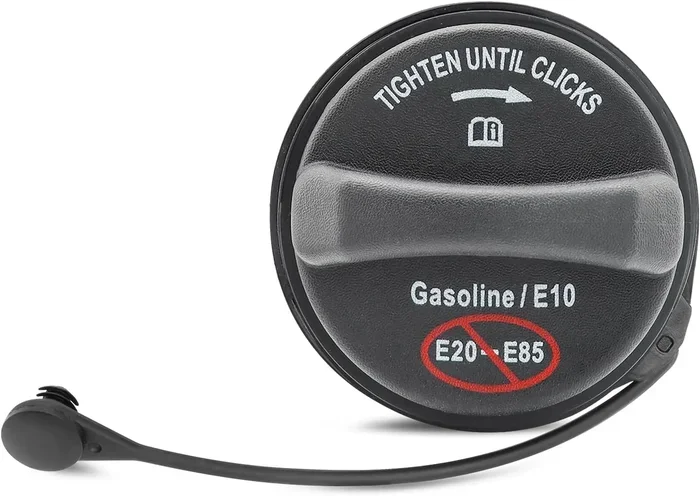
Press the fuel door release, usually found inside the cab on the driver’s side. Open the fuel door. Take the old gas cap and twist it counterclockwise. It should come off easily. Set the old cap aside.
Step 3: Clean the Fuel Neck
Before installing the new cap, take a moment to clean the fuel neck. Use a clean cloth to wipe away any dirt, debris, or fuel residue. This ensures a proper seal with the new cap. A dirty fuel neck is one of the most overlooked causes of gas cap problems.
Step 4: Install the New Gas Cap
Take the new gas cap and place it over the fuel neck. Twist it clockwise until you hear it click. Do not over-tighten. Over-tightening can damage the seal or strip the threading. The cap should be snug but easy to remove when needed.
If your new cap has a key lock, make sure the key turns smoothly. The lock mechanism should not feel forced or stuck.
Step 5: Reset the Check Engine Light
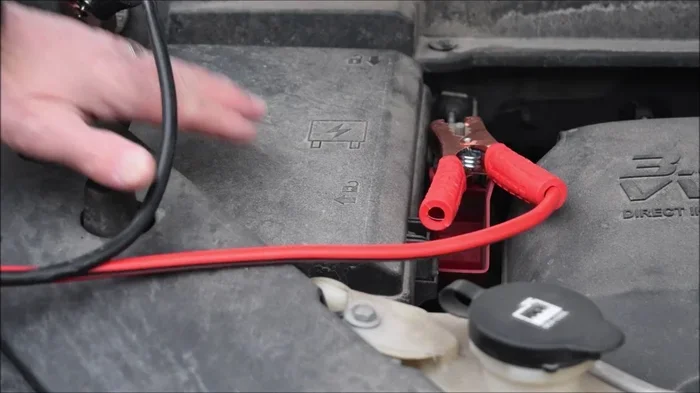
If the check engine light was on before the replacement, it may need to be reset. You can do this by disconnecting the battery for a few minutes. Alternatively, use an OBD-II scanner to clear the code. After driving for a few days, the truck’s computer should confirm the fuel system is sealed properly.
Step 6: Test the New Cap
Take your truck for a short drive. Pay attention to any fuel smells or warning lights. After a few days, check if the check engine light has stayed off. If everything looks good, you are done. If the light comes back on, the cap may not be the right fit, or there could be another issue in the fuel system.
OEM vs Aftermarket Gas Caps for the Ford F-150
When shopping for a replacement, you will find two main options: OEM (Original Equipment Manufacturer) and aftermarket caps. Both have their pros and cons.
OEM Gas Caps
OEM caps are made by Ford or the original supplier. They are designed specifically for your truck model. The fit is perfect, and the seal is reliable. OEM caps also carry a warranty in most cases. The downside is the price, which is usually higher than aftermarket options.
Aftermarket Gas Caps
Aftermarket caps are made by third-party manufacturers. They are often cheaper and widely available online. Many aftermarket caps work just as well as OEM caps. The key is to buy from a reputable brand and verify the fit for your Ford F-150 year and model.
Which One Should You Choose?
For most truck owners, an OEM cap is the safest bet. It guarantees the right fit and seal. But a quality aftermarket cap from a trusted brand works just as well and costs less. Here is a quick comparison:
- OEM Cap: Perfect fit, reliable seal, higher price, warranty included.
- Aftermarket Cap: Lower price, wide selection, quality varies by brand.
If you go the aftermarket route, read customer reviews carefully. Look for caps with a metal key and a rubber seal that matches OEM standards.
Common Mistakes to Avoid When Replacing Your Gas Cap
Even a simple job like this comes with common mistakes. Avoid these pitfalls to get the best results.
Buying the Wrong Size Cap
Not every gas cap fits every truck. Ford F-150 models from different years may use different cap sizes. Always verify the part number before purchasing. A cap that is too small or too large will not seal properly.
Over-Tightening the Cap
It is tempting to crank the cap down as tight as possible. But over-tightening damages the seal and the threading. Twist until you hear the click, and stop. The cap should be snug, not forced.
Ignoring the Check Engine Light
Some drivers replace the gas cap and assume the check engine light will go away immediately. It takes a few driving cycles for the truck’s computer to recheck the fuel system. Be patient. If the light stays on after a week, there may be another issue beyond the cap.
Skipping the Cleaning Step
A dirty fuel neck is a common cause of seal failure. Skipping the cleaning step means the new cap may not seat properly. Take the extra minute to wipe down the area.
Using a Damaged Replacement Cap
Before installing a new cap, inspect it. Make sure the rubber seal is intact and the threading is clean. A damaged replacement cap will cause the same problems as the old one.
How Much Does It Cost to Replace a Ford F-150 Gas Cap?
The cost of replacing a gas cap is very low compared to most truck repairs. An OEM cap typically costs between $20 and $40. Aftermarket caps range from $10 to $30 depending on the brand and features.
If you take your truck to a dealership or mechanic, you will pay for labor on top of the part cost. Labor for a gas cap replacement is minimal, usually under $30. But since this is a simple DIY job, you can save that money entirely.
Compare this to the cost of ignoring the problem. A loose gas cap can trigger the check engine light, which means an expensive trip to the auto parts store for a diagnostic scan. It can also reduce fuel economy over time. Replacing the cap early saves you money in the long run.
Maintenance Tips to Make Your Gas Cap Last Longer
You do not need to replace your gas cap often. With proper care, a good cap can last for years. Here are some tips to extend its life.
- Always tighten the cap fully after fueling. A loose cap is the number one cause of gas cap problems.
- Clean the cap and fuel neck every few months. Wipe away dirt and fuel residue.
- Inspect the rubber seal regularly. Replace the cap if the seal looks cracked or worn.
- Do not leave the cap off for extended periods. This lets dirt and debris enter the fuel system.
- Store the cap safely if you ever remove it. Do not place it on the ground where it can collect dust or damage.
These simple habits keep your Ford F-150 fuel system in top shape. They also prevent the annoying check engine light from coming on for no good reason.
When to See a Mechanic Instead
Replacing the gas cap fixes most fuel cap problems. But sometimes the issue goes deeper. If you replace the cap and the check engine light stays on, there may be a problem with the EVAP system. Other signs you need professional help include:
- Fuel vapors leaking from the truck even with a new cap
- The fuel door will not open or close properly
- Multiple warning lights on the dashboard
- A persistent fuel smell that does not go away
These symptoms could point to a cracked fuel line, a faulty purge valve, or a damaged fuel tank. A mechanic can run diagnostics and find the root cause. Do not ignore these signs. They can lead to bigger repairs if left unchecked.
Final Thoughts
Changing the gas cap on a Ford F-150 is one of the simplest and most affordable maintenance jobs you can do. It takes just a few minutes, costs under $40, and can solve some of the most annoying truck problems. A loose or damaged cap triggers the check engine light, wastes fuel, and causes emissions issues. Replacing it restores your truck’s fuel system to proper working order.
Whether you choose an OEM cap or a quality aftermarket option, the key is to get the right fit and install it correctly. Follow the steps in this guide, avoid the common mistakes, and your Ford F-150 will run smoothly for miles to come.
Do not overlook this small but important part of your truck. Next time you fuel up, give the cap a quick check. It takes seconds and can save you a lot of trouble down the road.
Frequently Asked Questions
Can a loose gas cap cause the check engine light to come on?
Yes, a loose gas cap is one of the most common reasons for the check engine light. The truck’s computer detects a pressure leak in the fuel system and triggers the warning. Tightening the cap or replacing it usually fixes the problem quickly.
How do I know which gas cap fits my Ford F-150?
Check your owner’s manual for the correct part number. You can also look up your specific year and model online. The cap must match the threading size and seal type for your truck. Using the wrong cap will not create a proper seal.
Can I drive my Ford F-150 without a gas cap?
You should not drive without a gas cap. It allows fuel vapors to escape, which harms emissions and fuel economy. It can also let dirt and moisture enter the fuel system. Replace a missing cap as soon as possible.
How long does a gas cap last on a Ford F-150?
A good quality gas cap can last several years with proper care. The rubber seal is the part that wears out first. If you notice cracks or a loose fit, it is time to replace the cap even if it has not been many years.
Will the check engine light turn off after replacing the gas cap?
It usually takes a few driving cycles for the light to turn off. The truck’s computer needs time to recheck the fuel system and confirm the seal is proper. If the light stays on after a week, there may be another issue that needs attention.
What is the difference between a standard gas cap and a keyed gas cap?
A standard cap twists off and on. A keyed cap requires a key to open, which helps prevent fuel theft. Both types seal the same way. Keyed caps are common on newer Ford F-150 models and are available as OEM or aftermarket options.
=== CONCLUSION ===
Replacing the gas cap on your Ford F-150 is a quick, easy, and affordable maintenance task that every truck owner should know how to do. A proper seal keeps your fuel system working right, your check engine light off, and your fuel economy strong. By following the steps in this guide, you can handle the job in minutes without visiting a mechanic or spending a lot of money.
Remember to choose the right cap for your specific F-150 model, clean the fuel neck before installation, and tighten the cap until it clicks. These small steps make a big difference. Keep your truck running well and enjoy peace of mind every time you hit the road.