How to Boost a GMC Terrain – Easy Step-by-Step Guide
Boosting a GMC Terrain is simpler than most drivers think. Whether your battery died from cold weather or leaving lights on, our guide walks you through every step. You will learn the right tools, safe connection order, and post-jump tips to keep your Terrain running strong.
There is nothing worse than turning the key and hearing nothing but silence. Your GMC Terrain will not start, and suddenly your morning feels off. A dead battery can happen to anyone. It happens more often than you might think, especially during cold months or after a long week of short trips.
The good news? Boosting a GMC Terrain is a straightforward process once you know the steps. You do not need to be a mechanic. You just need the right tools, a little patience, and this guide. We will walk you through everything from finding a donor vehicle to keeping your battery healthy for the long haul.
## Understanding Your GMC Terrain Battery
Before you grab those cables, it helps to understand what you are working with. The GMC Terrain battery powers the engine start, the lights, the infotainment system, and every other electrical component. When that battery loses charge, nothing works.
### How the Battery Works
Your Terrain uses a standard 12-volt lead-acid battery. This battery stores energy and delivers it to the starter motor when you turn the ignition switch. The alternator then recharges the battery while the engine runs. Think of it like a fuel tank, but for electricity.
### Why Batteries Die
Several things can drain a battery. Leaving the headlights on is the most common culprit. But even small things add up. A door left slightly open, a phone charger plugged in overnight, or extreme temperatures can all weaken the battery over time.
Cold weather is especially tough. At low temperatures, the chemical reaction inside the battery slows down. This means less power when you need it most. If you live in a colder climate, this is something to keep in mind.
## What You Need Before You Start
You do not want to be stranded without the right equipment. Here is what you need to boost a GMC Terrain properly.
### Jumper Cables
Standard booster cables are the most common tool. They come in different lengths and gauges. Thicker cables (lower gauge number) deliver power faster. Look for cables that are at least 10 feet long and rated for 400 amps or more.
### Portable Jump Starter
A portable jump starter is a lifesaver. These small devices fit in your trunk and work without another vehicle. They charge up over time and can start your engine in seconds. Some models even include USB ports to charge your phone.
### Safety Gear
Do not skip this. Wear safety glasses to protect your eyes from any sparks. Use insulated gloves if you have them. Keep loose clothing and jewelry away from the engine bay.
### Roadside Assistance
If you do not have cables or a jump starter, call for roadside assistance. Many insurance plans and car warranties include this service. It is always better to wait safely than to take risks you are not sure about.
## Step-by-Step: How to Boost a GMC Terrain
Now let us get into the real work. Follow these steps carefully and in the correct order. The sequence matters a lot for safety.
### Step 1: Park the Vehicles Close Together
If you are using another vehicle, park both cars nose-to-nose or side by side. Leave about 12 to 18 inches between them. Make sure both vehicles are in park or neutral and the ignitions are off.
### Step 2: Identify the Battery Terminals
Open the hood of your GMC Terrain. Look for the battery. You will see two terminals. One is marked with a plus sign (+) and is usually red. The other has a minus sign (-) and is usually black.
Clean any visible battery corrosion with a wire brush or cloth. Corrosion looks like white or greenish powder. It can block the connection and make jumping harder.
### Step 3: Connect the Positive Cables First
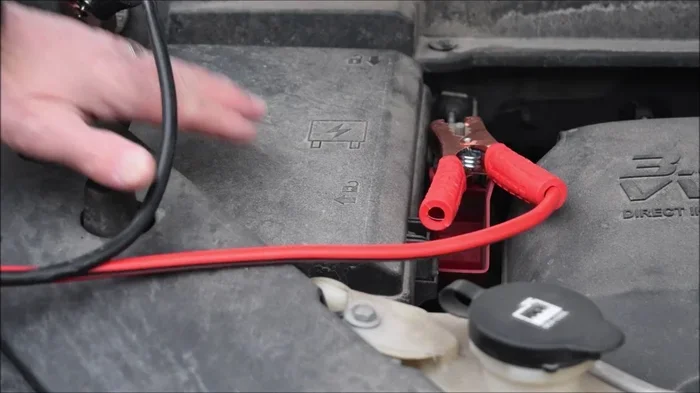
Take your jumper cables. Attach the red clamp to the positive terminal of your dead battery. Then attach the other red clamp to the positive terminal of the working vehicle’s battery.
Make sure each clamp bites down firmly. A loose connection will not transfer power properly.
### Step 4: Connect the Negative Cable to the Good Battery
Attach the black clamp to the negative terminal of the working vehicle’s battery.
### Step 5: Connect the Final Negative Cable to Grounded Metal
Here is the important part. Instead of connecting the last black clamp to your dead battery, attach it to an unpainted metal surface on the GMC Terrain engine block. This grounds the circuit and reduces the risk of sparking near the battery.
Never connect the final negative clamp directly to the dead battery terminal. This can cause sparks that might ignite hydrogen gas.
### Step 6: Start the Working Vehicle First
Start the donor vehicle and let it idle for a few minutes. This sends power through the cables and begins charging your dead battery.
### Step 7: Start the GMC Terrain
Now try starting your Terrain. Turn the ignition switch and hold it for a few seconds. If it does not start right away, wait 30 seconds and try again. Do not crank the engine for more than 10 seconds at a time.
### Step 8: Disconnect the Cables in Reverse Order
Once your Terrain is running, disconnect the cables in the opposite order:
- Black clamp from grounded metal on your Terrain
- Black clamp from the good battery
- Red clamp from the good battery
- Red clamp from your dead battery
This reverse order prevents electrical shorts and keeps you safe throughout the process.
## Hybrid and Electric Considerations
The GMC Terrain comes in a hybrid version that adds a layer of complexity. The hybrid battery system works differently from the standard 12-volt battery.
### How the Hybrid System Differs
The Terrain Hybrid uses both a traditional 12-volt battery and a high-voltage hybrid battery. The hybrid battery powers the electric motor and assists the gas engine. The 12-volt battery still handles starting the vehicle and running accessories.
If you have a Terrain Hybrid and the car will not start, the issue is usually the 12-volt battery, not the hybrid battery. The jump-start process for the 12-volt system is the same as the standard Terrain.
### When the Hybrid Battery Is the Problem
If the hybrid battery is low, you may notice reduced fuel economy or warning lights on the dashboard. In this case, a standard jump-start will not fix the problem. You may need a hybrid battery diagnostic at a dealership or certified shop.
For more details on how hybrid systems switch between power sources, check out our article on at what speed a hybrid switches from electric to gas. Understanding this can help you troubleshoot hybrid-specific issues.
## Common Mistakes People Make When Jump-Starting
Mistakes happen. But some errors can damage your electrical system or even cause injury. Here are the ones to watch out for.
### Connecting Cables in the Wrong Order
This is the number one mistake. If you connect the positive and negative cables in the wrong sequence, you can fry the electrical components. Always follow the positive-positive-negative-ground order.
### Letting Clamps Touch Each Other
When cables are connected, the metal clamps should never touch. If they do, you will get a spark. This can damage the batteries or even cause burns.
### Ignoring Corrosion
Dirty or corroded terminals will not conduct electricity well. Clean them before attempting a jump. A simple baking soda and water mixture works wonders.
### Driving Too Short After a Jump
Many people start the car and immediately turn it off. This does not give the alternator enough time to recharge the battery. You need to drive for at least 15 to 20 minutes after a jump.
### Using the Wrong Voltage
Never attempt to jump a 12-volt battery with a 24-volt system. This will destroy your electrical components. Always match the voltage.
## After the Jump: Keeping Your Battery Healthy
Once you have successfully boosted your GMC Terrain, you want to make sure it does not happen again. A few simple habits can extend your battery life significantly.
### Drive Longer Trips When Possible
Short trips do not give the alternator enough time to fully recharge the battery. If you can, combine errands into one longer drive. This keeps the battery topped off.
### Check the Battery Regularly
Inspect your battery every few months. Look for swelling, leaks, or heavy corrosion. Most auto parts stores will test your battery for free.
### Keep Terminals Clean
Use a wire brush to clean the terminals once or twice a year. Apply a thin layer of petroleum jelly to prevent future corrosion.
### Turn Off Accessories Before Shutting Off
Make it a habit to turn off lights, the radio, and any USB chargers before you shut the engine off. This reduces unnecessary drain on the battery.
### Consider a Battery Maintainer
If you park your Terrain for long periods, a battery maintainer trickle charger is a smart investment. It keeps the battery at full charge without overcharging.
## When to Call a Professional
There are times when a jump-start is not enough. Know when to call for help.
### The Battery Is Old
Most car batteries last between three and five years. If yours is older, a jump-start might only work temporarily. Have it tested and replaced if needed.
### The Alternator Is Failing
If your battery keeps dying even after a jump, the alternator may be the problem. The alternator recharges the battery while you drive. A failing alternator means the battery never gets fully charged.
### You Notice Strange Sounds or Smells
If you hear grinding, clicking, or smell something burning during the jump process, stop immediately. These are signs of a deeper issue that needs professional attention.
### After an Accident
If you have been in a collision, even a minor one, the battery or electrical system may be damaged. For example, hitting a deer can cause hidden damage that affects your electrical components. If your battery dies after an impact, get a full inspection. Learn more about can hitting a deer total your car to understand how accidents affect vehicle systems.
## Quick Tips for Every Season
Your battery needs change with the seasons. Here are quick tips to keep your Terrain running all year round.
Winter Tips
- Park in a garage whenever possible.
- Use a battery blanket or heater pad in extreme cold.
- Check the battery charge level before winter hits.
- Keep jumper cables or a portable jump starter in your trunk.
Summer Tips
- High heat accelerates battery fluid evaporation.
- Check terminals for corrosion more frequently in summer.
- Avoid leaving the car in direct sunlight for extended periods.
## Expert Insights on GMC Terrain Battery Longevity
Automotive experts agree that battery maintenance is the single most overlooked aspect of vehicle care. A few minutes of attention can save you from a frustrating roadside breakdown.
According to battery manufacturers, the average 12-volt battery lasts about 3 to 5 years. However, driving habits and climate play a huge role. Short trips in hot weather can shorten battery life to just two years. On the other hand, regular longer drives in moderate climates can stretch it to five or more.
The GMC Terrain is a well-built SUV, and its electrical system is reliable when properly maintained. The key is consistency. Small actions like cleaning terminals and driving longer routes add up over time.
If you are curious about fuel efficiency and how your battery health connects to overall vehicle performance, you might find our article on how many kilometers you get per liter of petrol helpful. A healthy battery supports efficient engine operation, which directly impacts fuel economy.
## Key Takeaways
Key Takeaways
- Know your tools: Jumper cables, a portable jump starter, or roadside assistance can all get the job done.
- Follow the connection order: Positive to positive, then negative to grounded metal — this keeps you safe.
- Avoid common mistakes: Never connect cables backwards or let clamps touch each other.
- Hybrid awareness matters: The GMC Terrain Hybrid has a separate hybrid battery system that needs special care.
- Post-jump driving is key: Drive for at least 15–20 minutes to recharge the battery fully.
- Prevent future issues: Regular battery maintenance and terminal cleaning go a long way.
## Conclusion
Boosting a GMC Terrain does not have to be stressful. With the right tools and the correct steps, you can get back on the road in minutes. Remember the connection order, stay safe, and give your battery time to recharge after the jump.
Prevention is your best friend. Keep your terminals clean, drive longer routes when you can, and replace your battery before it becomes a problem. A little effort today saves you from a major headache tomorrow.
If you ever find yourself stuck and unsure, do not hesitate to call for professional help. And for more useful guides on your GMC Terrain, explore our other articles. We are here to help you get the most out of your vehicle.
Frequently Asked Questions
Can I boost a GMC Terrain with another SUV?
Yes, you can. As long as both vehicles have 12-volt batteries, the process is the same. SUVs, sedans, and trucks all work for jump-starting. Just make sure the vehicles do not touch each other during the process.
How long should I drive after boosting my GMC Terrain?
Drive for at least 15 to 20 minutes after a successful jump. This gives the alternator enough time to recharge the battery. If you turn the car off too soon, the battery may not hold enough charge to start again.
What if my GMC Terrain Hybrid will not jump-start?
If the 12-volt battery is completely dead, the jump-start process is the same. However, if the hybrid battery is the issue, a standard jump will not help. In that case, visit a certified GMC dealer for a hybrid battery diagnostic.
Is it safe to jump-start in the rain?
It is generally safe if you take proper precautions. Keep the cables dry and avoid standing in puddles. Make sure your hands and the cable clamps are dry before connecting them. If conditions feel unsafe, wait for better weather or call for roadside assistance.
How often should I replace my GMC Terrain battery?
Most batteries last between three and five years. Have your battery tested annually after the third year. If you notice slow cranking or dim lights, get it tested right away. Replacing a weak battery before it dies completely saves you from unexpected breakdowns.
Can a portable jump starter replace jumper cables?
Yes, a portable jump starter can fully replace jumper cables. These devices are compact, rechargeable, and work without another vehicle. They are especially useful for emergencies or if you park in areas where finding a donor vehicle is difficult.