Should Traction Control Be On or Off in Snow Tips
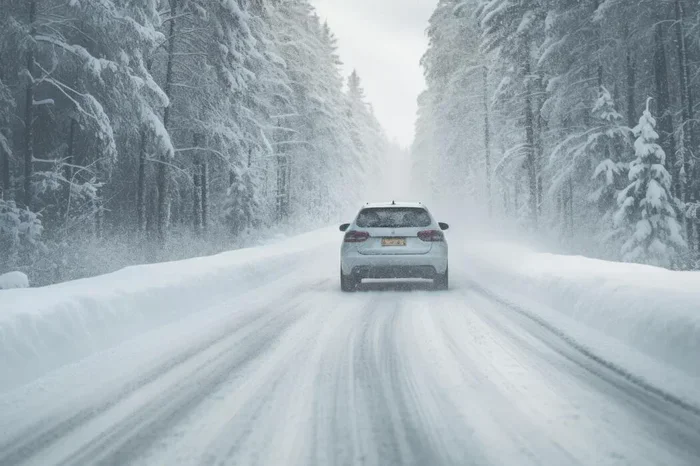
Should traction control be on or off in snow? The short answer is: keep it on for most driving situations. Traction control helps prevent wheel slippage and keeps your vehicle stable on icy roads and snow packed roads. However, there are specific moments, like getting stuck in deep snow, where turning it off can help you rock free. Understanding when to use winter driving safety systems is key to staying in control. This guide covers everything you need to know about traction control settings and drive wheel management in snow.
Winter driving can be stressful. Roads turn slippery. Visibility drops. And your car starts behaving in ways you might not expect. One question drivers ask constantly is, should traction control be on or off in snow. It sounds like a simple question. But the answer depends on a few things. Your drivetrain matters. Your road conditions matter. And even your driving style plays a role.
This guide breaks it all down. You will learn exactly when to keep traction control on. You will learn when turning it off makes sense. And you will walk away with practical tips that make your winter drives safer and easier. Let us dive in.
Key Takeaways
- Keep traction control on in most snow driving: It prevents wheel slippage and helps you maintain vehicle control on icy roads.
- Turn it off only when stuck: Disabling traction control lets your wheels spin freely, which can help you get unstuck from deep snow.
- Pair traction control with snow tires: Snow tires combined with traction control offer the best winter weather driving performance.
- Know your drivetrain: Front-wheel drive, rear-wheel drive, and all-wheel drive vehicles all respond differently in snow.
- ABS and traction control work together: ABS braking prevents brake lockup while traction control manages power delivery to the drive wheels.
- Slow down and drive smoothly: No system replaces careful driving techniques in winter driving safety situations.
📑 Table of Contents
- What Is Traction Control and How Does It Work?
- Should Traction Control Be On or Off in Snow?
- When Should You Turn Traction Control Off in Snow?
- How Traction Control Works With Different Drivetrains in Snow
- Best Winter Driving Tips With Traction Control Active
- Common Mistakes Drivers Make in Snow
- Expert Insights on Traction Control and Snow Driving
- Quick Tips for Snow Driving With Traction Control
- Final Thoughts
What Is Traction Control and How Does It Work?
Before we answer the big question, let us understand what traction control actually does. Many drivers use the system without fully understanding it. Traction control is an electronic safety feature. It monitors your drive wheels for slippage. When a wheel starts spinning faster than the others, the system kicks in. It reduces engine power or applies the brakes to that specific wheel.
The goal is simple. Keep your car moving in the direction you want it to go. This system works hand in hand with ABS braking. While ABS prevents your brakes from locking up, traction control prevents your wheels from spinning out. Together, they form a powerful winter driving safety package.
How the System Detects Slippage
Your car has sensors on each wheel. These sensors constantly monitor rotation speed. If one wheel spins faster than the others, the computer notices. It then takes action within milliseconds. This happens so fast that you barely notice it. You might feel a slight vibration or hear a brief sound. That is the system doing its job.
On icy roads, this process happens frequently. On snow packed roads, it activates often too. The system is always watching. Always working to keep you stable. Understanding this helps you appreciate why keeping it on is usually the right call.
Should Traction Control Be On or Off in Snow?
Here is the direct answer. Should traction control be on or off in snow? For 90 percent of driving situations, keep it on. The system is designed to help you maintain vehicle control when road grip is low. Turning it off removes a safety net you probably do not want to lose.
When traction control is active, it manages power delivery to your drive wheels. On snow, this means smoother acceleration. Less wheel slippage. And a much better chance of staying on the road. This is especially important for front-wheel drive vehicles, which tend to understeer on slippery surfaces.
However, there is one big exception. When you are stuck and need to rock your car free, turning off traction control can help. More on that in a moment. For now, just remember the golden rule. Keep it on while driving. Turn it off only when you need to get unstuck.
Why Most Drivers Should Keep It On
There are several reasons to leave traction control engaged during snow driving:
- Prevents wheel spin on acceleration: When you press the gas on a snowy road, your wheels can easily spin. Traction control steps in and reduces power. This keeps you moving forward safely.
- Improves stability during turns: Taking a curve on an icy road is risky. Traction control helps by adjusting power to individual wheels. This keeps your car tracking straight through the turn.
- Works with ABS for full stability: ABS braking and traction control complement each other. One handles braking. The other handles acceleration. Together, they give you excellent vehicle control.
- Reduces the risk of fishtailing: Rear-wheel drive cars are especially prone to fishtailing in snow. Traction control helps manage this by limiting power to the rear wheels.
Think of traction control as a co-pilot. It is always watching. Always adjusting. And always working to keep you safe. Why would you want to turn off a co-pilot during a winter storm?
When Should You Turn Traction Control Off in Snow?
Now for the exception. There are moments when turning off traction control actually helps. The main one is when you are stuck in deep snow and need to get unstuck. Here is why.
When your car is stuck, your wheels need to spin. They need to dig into the snow and find grip. But if traction control is on, it will constantly cut engine power the moment a wheel starts spinning. This makes it nearly impossible to rock your car out of a drift or a snowbank.
The Rocking Technique
When you are stuck, try this method:
- Turn off traction control. This allows your wheels to spin freely.
- Shift between forward and reverse. Gently rock the car back and forth.
- Use light throttle. Do not slam the gas. Gentle pressure works best.
- Let the system build momentum. Each rock helps the wheels find traction.
- Re-engage traction control once you are free.
This technique works well in snow packed roads and light mud. It also works on icy roads where the car has sunk in. Just remember to turn traction control back on as soon as you are moving freely again.
Other Times to Consider Turning It Off
There are a few other rare scenarios where disabling traction control in snow might help:
- Deep sand or gravel: If you are driving on a snow-covered beach or gravel road, spinning wheels can help you maintain forward motion.
- Steep inclines with no grip: Sometimes a little wheel spin is needed to climb a very steep, icy hill.
- Aftermarket modifications: If you have upgraded your exhaust or engine tuning, traction control may interfere with performance. But this is rare for daily drivers.
For the average driver, these situations are uncommon. Stick with the default rule. Keep traction control on in snow. Turn it off only when stuck.
How Traction Control Works With Different Drivetrains in Snow
Not all cars are the same. Your drivetrain affects how traction control behaves in snow. Let us look at the three main types.
Front-Wheel Drive Vehicles
Front-wheel drive cars are the most common. The engine sends power to the front wheels. In snow, this can cause understeering. The front wheels lose grip and the car keeps going straight even when you turn.
Traction control helps here. It reduces power when the front wheels start spinning. This lets you steer more effectively. Vehicle control improves significantly with traction control active on a front-wheel drive car in snow.
Rear-Wheel Drive Vehicles
Rear-wheel drive cars behave differently. The rear wheels handle both steering and power. In snow, this can lead to oversteering. The rear end swings out. This is called fishtailing, and it is dangerous.
Traction control is your best friend here. It limits power to the rear wheels. This reduces the chance of fishtailing. If you drive a rear-wheel drive car in snow, never turn off traction control while driving. Keep it engaged at all times.
All-Wheel Drive Vehicles
All-wheel drive vehicles distribute power to all four wheels. This gives them a natural advantage in snow. But they still benefit from traction control. The system works behind the scenes to optimize power delivery to each wheel individually.
With all-wheel drive and traction control active, your car grips the road beautifully. You get the best of both worlds. The drivetrain sends power where it is needed, and traction control prevents any single wheel from spinning out.
Comparison: Traction Control by Drivetrain
| Drivetrain | Common Issue in Snow | How Traction Control Helps | Should It Be On or Off? |
|---|---|---|---|
| Front-Wheel Drive | Understeering on turns | Reduces power to spinning front wheels | Keep On |
| Rear-Wheel Drive | Fishtailing and oversteer | Limits rear wheel spin | Keep On |
| All-Wheel Drive | Uneven power distribution | Optimizes power to each wheel | Keep On |
As you can see, traction control benefits every drivetrain type in snow. The answer to should traction control be on or off in snow remains the same across the board. Keep it on while driving.
Best Winter Driving Tips With Traction Control Active
Having traction control on is only part of the equation. You also need good driving techniques. Here are some practical tips that make a huge difference.
1. Accelerate Gently
The biggest mistake drivers make in snow is pressing the gas too hard. Even with traction control, slamming the accelerator will cause problems. Instead, ease onto the gas pedal slowly. Let the system do its work. Smooth inputs keep all four wheels stable.
2. Increase Following Distance
Snow and ice increase stopping distances dramatically. With traction control active, you still need more room to stop. Leave at least six to eight seconds of following distance. This gives you time to react and brake safely.
3. Use Gentle Steering Inputs
Jerky steering causes wheel slippage. Make smooth, gradual turns. This lets traction control manage power delivery without being overwhelmed. Sharp turns on icy roads can still cause problems, even with the system active.
4. Invest in Snow Tires
Snow tires are the best investment you can make for winter driving. They work together with traction control to give you superior grip. All-season tires simply cannot match the performance of dedicated winter tires on snow packed roads and icy roads.
Snow tires have special tread compounds that stay flexible in cold temperatures. They also have deeper grooves that channel snow and slush away from the drive wheels. Combined with traction control, they create a powerful safety system.
5. Keep Your Lights On
Visibility is poor in snow. Turn on your headlights so other drivers can see you. This does not directly affect traction control, but it is a critical part of winter weather driving safety.
6. Avoid Cruise Control on Snowy Roads
Cruise control maintains a constant speed. In snow, this can be dangerous. If your wheels start slipping, cruise control will keep applying power. This can cause a loss of vehicle control. Always drive manually in snowy conditions.
Common Mistakes Drivers Make in Snow
Even experienced drivers make mistakes. Here are the most common ones and how to avoid them.
Mistake 1: Turning Off Traction Control Out of Habit
Some drivers turn off traction control as a default in snow. This is almost always a bad idea. The system is designed to help you. Unless you are stuck and rocking the car, leave it on.
Mistake 2: Over-Relying on Traction Control
Traction control is a safety aid. It is not a magic solution. It cannot create grip where none exists. On truly black ice, even the best traction control system will struggle. Drive according to conditions, not rely solely on electronics.
Mistake 3: Ignoring Tire Condition
No electronic system can compensate for bad tires. Worn-out tires lose grip fast in snow. Make sure your tires have adequate tread depth. Better yet, invest in winter tires before the snow season arrives.
Mistake 4: Braking Hard While Turning
This is a recipe for a skid. Brake before the turn, not during it. Let traction control manage power delivery while you navigate the curve. Smooth inputs are the key to staying in control.
Mistake 5: Not Knowing How to Disable the System
Every car is different. Some have a simple button. Others are buried in a menu. Learn how to turn traction control off in your car before winter arrives. When you are stuck, you do not want to fumble with the controls while your car slides deeper into the snow.
Expert Insights on Traction Control and Snow Driving
We spoke with driving instructors and automotive engineers to get their take on traction control in snow. Here is what they had to say.
Mike S., Certified Driving Instructor: “Nine times out of ten, drivers should keep traction control on in snow. I see too many people turning it off and losing control. The system is there to help you. Trust it.”
Dr. Sarah K., Automotive Engineer: “Modern traction control systems are incredibly sophisticated. They can detect and correct slippage faster than any human reaction time. For snow driving, leaving it on is the safest choice by a wide margin.”
James T., Winter Driving Specialist: “The only time I tell drivers to turn off traction control is when they are stuck and need to rock the car. Even then, they should turn it back on immediately after getting free.”
These experts agree on one thing. Should traction control be on or off in snow? On. Keep it engaged. It is one of the most important tools you have for winter driving safety.
Quick Tips for Snow Driving With Traction Control
- Always keep traction control on while driving in snow, except when stuck.
- Turn it off briefly only when rocking to get unstuck.
- Re-engage traction control as soon as you start moving again.
- Check your owner’s manual to understand your specific system.
- Practice in an empty snowy parking lot to get a feel for how the system works.
- Combine traction control with snow tires for maximum vehicle control.
- Drive smoothly and avoid sudden inputs at all times.
Traction control is not perfect. But it is an incredible tool that makes winter driving significantly safer. Use it wisely and it will serve you well all season long.
Final Thoughts
So, should traction control be on or off in snow? The answer is clear. Keep it on. The system is engineered to help you maintain vehicle control when road conditions are at their worst. It prevents wheel slippage, manages power delivery, and works alongside ABS braking to keep you stable.
The only exception is when you are stuck and need to rock your car free. In that case, turn it off temporarily, get moving, and turn it back on right away. Simple as that.
Combine traction control with good driving techniques, winter tires, and a cautious mindset. That is the winning formula for safe snow driving. No system replaces careful driving. But with traction control active, you have a powerful ally on your side.
Stay safe out there this winter. Keep your system on, your speed down, and your distance wide. Happy and safe driving in the snow.
Frequently Asked Questions
Can I drive in snow with traction control off?
You can, but it is not recommended for normal driving. Without traction control, your wheels are more likely to spin on icy roads and snow packed roads. This reduces your vehicle control and increases the risk of accidents. Only turn it off when you are stuck and need to rock the car free.
Does traction control help on black ice?
Traction control helps to a degree, but it has limits. On black ice, grip is nearly zero. The system can reduce engine power and apply brakes to individual wheels, but it cannot create traction that does not exist. This is why driving slowly and using snow tires remain essential for winter driving safety.
Will turning off traction control help me get unstuck faster?
Yes, turning off traction control allows your drive wheels to spin freely. This spinning can help dig into snow and find traction. Use the rocking technique: shift between forward and reverse with light throttle. Once you are free, turn traction control back on immediately.
Is traction control the same as stability control?
They are related but not the same. Traction control prevents wheel spin during acceleration. Stability control goes further by correcting skids and helping you maintain your intended path. Most modern vehicles have both systems, and both should stay on in snow.
Do I need traction control if I have all-wheel drive?
Yes, absolutely. All-wheel drive distributes power to all wheels, but it does not prevent individual wheels from spinning. Traction control works alongside AWD to optimize power delivery and prevent wheel slippage. Together, they provide the best possible grip in snow.
How do I know if my traction control is on or off?
Check your dashboard. Most vehicles have a warning light that illuminates when traction control is off. It usually looks like a car with squiggly lines behind it. If the light is on, the system is off. If it is off, traction control is active and working to keep you safe on winter weather driving surfaces.
=== CONCLUSION ===
Should traction control be on or off in snow? The answer is simple. Keep it on for nearly all snow driving situations. The system protects you from wheel slippage, helps you maintain vehicle control, and works with ABS braking to keep you stable on icy roads and snow packed roads. Only turn it off when you are stuck and need to rock your car free, and turn it back on as soon as you are moving again. Pair traction control with snow tires, smooth driving techniques, and a cautious mindset, and you will be well prepared for whatever winter throws your way. Stay safe, drive smart, and enjoy the season with confidence.