What Is the Highest Paid Auto Technician Salary Guide
The highest paid auto technician earns significantly more than the average mechanic, often bringing in six-figure incomes. Specialized certifications, advanced automotive skills, and high-demand specialties like diesel and hybrid technology drive top earnings. This guide breaks down exactly which roles pay the most and how you can position yourself for maximum income.
When most people think about car repair jobs, they picture a grease-covered mechanic turning wrenches under a hood. But the reality of the automotive technician world is far more diverse and lucrative than that old stereotype suggests. Some techs pull in six-figure salaries while others struggle to make ends meet. The difference? Specialization, certification, and knowing where the money is.
If you have ever wondered what it takes to become a highest paid auto technician, you are in the right place. This guide covers everything from the top-paying specialties to the certifications that unlock bigger paychecks. Whether you are just starting your automotive career or looking to level up your current role, the insights here will help you make smart decisions about your future.
The auto technician salary landscape has changed dramatically in recent years. Modern vehicles are rolling computers on wheels, and that means the techs who can diagnose and repair them are worth their weight in gold. Advanced automotive diagnostics, electrical systems expertise, and hybrid vehicle knowledge are now the skills that separate the top earners from everyone else.
Key Takeaways
- ASE Master Certification is the single biggest factor that separates top earners from average technicians.
- Diesel mechanics and hybrid/electric vehicle specialists consistently rank among the highest paid roles in the industry.
- Dealership technicians at luxury brands like BMW, Mercedes, and Tesla often earn more than independent shop mechanics.
- Transmission specialists and engine rebuild experts command premium pay due to their rare skill sets.
- Continuing education and staying current with automotive technology keeps your earning potential growing over time.
- Location matters — techs in metropolitan areas and regions with high concentrations of luxury dealerships earn more.
- Starting your own shop is the ultimate path to maximizing income as an auto technician.
📑 Table of Contents
- What Does a Highest Paid Auto Technician Actually Do?
- Top Specialties That Pay the Most
- Certifications That Boost Your Earnings
- Dealership vs. Independent Shop: Where Do Techs Earn More?
- How to Become a Highest Paid Auto Technician
- Common Mistakes That Hold Techs Back from Earning More
- Key Takeaways
- Conclusion
What Does a Highest Paid Auto Technician Actually Do?
A top-earning auto technician does far more than just oil changes and tire rotations. These professionals handle complex vehicle diagnostics, repair advanced engine management systems, and work on cutting-edge automotive technology that most shops simply cannot service. Their expertise spans multiple systems within a single vehicle, from the powertrain to the onboard computer network.
The Skills That Command Top Dollar
What sets the highest paid auto technician apart from the rest? It comes down to a specific set of high-value skills:
- Advanced diagnostic abilities — Reading complex error codes and pinpointing intermittent issues that stump most techs.
- Electrical system expertise — Modern vehicles have miles of wiring and dozens of control modules. Techs who understand these systems are rare and highly valued.
- Computer programming knowledge — Many repairs now require software updates, module programming, and calibration work.
- Specialized tool proficiency — Using advanced diagnostic scanners, oscilloscopes, and factory-level equipment confidently.
- Continuous learning mindset — The best techs constantly update their knowledge as vehicle technology evolves.
These skills do not develop overnight. They come from years of hands-on experience combined with formal training and ongoing education. But the payoff is substantial. Techs who master these areas routinely earn $70,000 to $120,000 or more per year, with the top earners pushing well beyond that range.
Top Specialties That Pay the Most
Not all automotive repair jobs pay the same. Some specialties consistently offer higher compensation because of the technical complexity involved and the limited number of qualified professionals. Here is a look at the specialties that produce the highest paid auto technicians in the industry today.
Diesel Technicians
Diesel mechanic salary has always been strong, and it continues to grow. Diesel engines power everything from commercial trucks and buses to heavy equipment and marine vessels. These engines are fundamentally different from gasoline engines, requiring specialized knowledge that many general auto techs simply do not have.
Top diesel technicians earn between $65,000 and $110,000 annually, with those working in heavy-duty trucking or mining equipment pushing even higher. The demand for skilled diesel techs continues to outpace supply, which keeps wages rising.
Hybrid and Electric Vehicle Specialists
The rise of electric vehicles has created an entirely new category of high-paying technician work. Hybrid technicians need to understand both traditional combustion engines and high-voltage electrical systems. This dual expertise makes them incredibly valuable.
As more automakers shift toward electrification, the need for qualified EV and hybrid techs will only grow. Early adopters in this field are already seeing premium pay rates, and those who invest in hybrid vehicle training now position themselves for long-term career success.
Transmission Specialists
Transmission work is some of the most technically demanding in the entire automotive field. Rebuilding, repairing, and reprogramming modern automatic and manual transmissions requires deep mechanical knowledge and patience. Because transmission problems are complex and costly, shop owners are willing to pay top dollar for specialists who can handle these jobs right.
Transmission technicians often earn between $60,000 and $100,000 per year, with master-level rebuilders commanding even higher rates. Many shops charge premium labor rates for transmission work, which directly translates to higher technician pay.
European Luxury Vehicle Technicians
Working on BMW, Mercedes-Benz, Audi, and Porsche vehicles requires specialized training and tools. These brands use proprietary systems and advanced technology that differ significantly from domestic or Japanese vehicles. Techs who earn ASE certifications specific to European vehicles find themselves in high demand.
Dealership positions for luxury brand technicians often come with $70,000 to $130,000+ annual salaries, plus benefits and access to factory training programs. The combination of brand-specific knowledge and the prestige of working on luxury cars makes this one of the most lucrative paths in the industry.
Engine Rebuild and Performance Specialists
There is a special place in the automotive world for techs who can take a worn-out engine and bring it back to life. Engine rebuild technicians work on everything from classic car restorations to high-performance racing engines. This work demands precision, patience, and an artistic touch alongside mechanical skill.
Performance engine builders and specialty rebuilders often work as independent contractors or run their own shops, where their earning potential is virtually unlimited. The highest paid auto technician in this niche can earn well over $150,000 annually when they build a strong reputation and client base.
Certifications That Boost Your Earnings
Certifications are the fast track to higher pay in the automotive world. They prove to employers and customers that you have verified skills and up-to-date knowledge. While experience matters, a certified technician almost always earns more than someone without credentials.
ASE Master Technician Certification
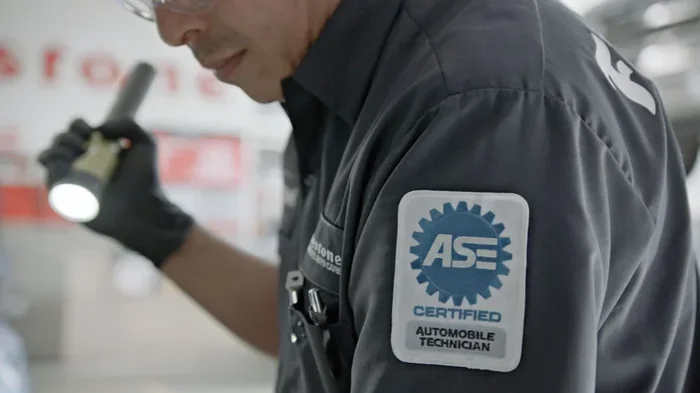
The ASE Master Technician credential is the gold standard in the automotive industry. To earn it, you must pass a series of rigorous exams covering multiple vehicle systems. Techs who hold this certification consistently earn $10,000 to $20,000 more per year than their non-certified counterparts.
Many dealerships and high-end independent shops require ASE certification as a minimum hiring standard. If you want to maximize your auto mechanic salary, pursuing the Master Technician status should be a top priority.
Manufacturer-Specific Certifications
Beyond ASE, individual automakers offer their own certification programs. Toyota T-TEP, Ford ASSET, and GM ASEP are just a few examples. These programs train techs on specific brand systems and often lead directly to dealership employment with competitive pay packages.
Manufacturer certifications are especially valuable because they give you access to proprietary diagnostic tools and technical information. This insider knowledge makes you indispensable to the dealership that employs you.
EV and Hybrid Certifications
As the industry shifts toward electrification, EV-specific certifications are becoming increasingly important. Organizations like the Electric Vehicle Safety Training program and manufacturer-specific training courses provide the knowledge needed to safely work on high-voltage systems.
Techs who hold these certifications are positioned at the front of a massive industry shift. Early investment in EV training pays dividends as the market for electric and hybrid vehicles continues to expand rapidly.
Additional Valuable Certifications
Beyond the major certifications listed above, several other credentials can boost your earning potential:
- AC Delco Advanced Diagnosis — Focuses on electrical and computer systems.
- EPA Section 609 Certification — Required for working on mobile air conditioning systems.
- Welding and fabrication certifications — Valuable for custom work and body repair integration.
- Computer networking certifications — Increasingly relevant as vehicles become more connected.
Dealership vs. Independent Shop: Where Do Techs Earn More?
One of the biggest decisions any automotive technician faces is choosing between working at a dealership or an independent shop. Both paths have distinct advantages when it comes to pay, benefits, and career growth.
Dealership Technician Pay
Dealership technicians typically earn more than their independent shop counterparts, especially at luxury and performance brands. The pay structure often includes a combination of flat-rate labor charges, performance bonuses, and comprehensive benefits packages.
At a luxury dealership, a certified technician can expect to earn between $25 and $45 per hour in flat-rate pay, which translates to annual salaries of $70,000 to $130,000 or more. New graduate programs at major brands often start techs at competitive rates with clear paths for advancement.
Independent Shop Technician Pay
Independent shops offer a different kind of appeal. Many experienced techs prefer the variety of work and the freedom that comes with smaller shops. Pay at independent shops can vary widely, but top-performing techs at successful shops often earn competitive salaries.
The biggest advantage of independent work is the potential to eventually open your own auto repair business. Many of the highest paid auto technicians in the country are shop owners who have built loyal customer bases over years of quality work. Owning your shop removes the salary cap entirely and puts your earning potential in your own hands.
Quick Comparison Table
| Factor | Dealership | Independent Shop |
|---|---|---|
| Average Hourly Pay | $25 – $45 | $20 – $35 |
| Benefits Package | Comprehensive | Varies |
| Training Access | Factory programs | Self-funded |
| Work Variety | Brand-specific | Broad range |
| Earning Ceiling | Moderate | Unlimited (if owner) |
| Job Security | High | Moderate |
How to Become a Highest Paid Auto Technician
If your goal is to join the ranks of the highest paid auto technicians, you need a clear plan. The path is well-established, and thousands of techs have followed it successfully. Here is a practical roadmap to help you get there.
Step 1: Complete a Formal Training Program
Start with a solid foundation. Community colleges, technical schools, and manufacturer-sponsored programs all offer quality automotive technology training. A two-year associate degree or a certificate program gives you the mechanical fundamentals and electrical knowledge you need to succeed.
Look for programs that include hands-on training with modern vehicles. The more real-world experience you gain during your education, the better prepared you will be for the workforce.
Step 2: Get ASE Certified
As mentioned earlier, ASE certification is the single most important credential in the industry. Start with the A-series exams and work toward your Master Technician status. Each certification you earn makes you more marketable and qualifies you for higher-paying positions.
Step 3: Choose a High-Demand Specialty
General automotive repair pays decent wages, but specializing is what unlocks top-tier income. Pick a high-demand specialty that aligns with your interests and the market needs. Diesel technology, hybrid systems, European vehicles, and transmission work are all excellent choices.
Step 4: Gain Real-World Experience
Certifications open doors, but experience is what makes you truly valuable. Spend at least three to five years working under experienced techs before trying to command top rates. Every vehicle you work on adds to your knowledge base and your confidence.
Step 5: Keep Learning
The automotive industry never stops evolving. New vehicle technologies emerge every year, and staying current is essential. Attend manufacturer training events, take online courses, and read industry publications regularly. The techs who continue learning are the ones who continue earning at the highest levels.
Expert Insights: What the Top Earners Do Differently
We spoke with several master automotive technicians who consistently earn above-average salaries. Here is what they shared:
- Stay curious. The best techs are genuinely fascinated by how vehicles work. That curiosity drives them to learn more every single day.
- Build relationships with customers. Techs who communicate well and build trust earn repeat business and referrals that boost their income.
- Invest in your own tools. Quality tools are an investment in your career. The techs who show up with professional-grade equipment are taken more seriously.
- Network within the industry. Connections with other techs, shop owners, and industry professionals lead to better opportunities and higher pay.
- Do not fear specialization. Being known as the go-to person for one specific area of expertise is more profitable than being average at everything.
Common Mistakes That Hold Techs Back from Earning More
Even talented techs sometimes plateau in their careers. Understanding the common pitfalls can help you avoid them and stay on the path to top earnings.
Sticking Only to General Repair Work
Techs who refuse to specialize often hit a ceiling on their earning potential. The automotive industry rewards expertise, and generalists rarely command the same rates as specialists. If you have been doing the same type of work for years without expanding your skills, it is time to branch out.
Neglecting Certifications
Some experienced techs skip certifications because they feel their years of work speak for themselves. While experience is valuable, certifications provide objective proof of your skills that employers and customers trust. Skipping them means leaving money on the table.
Avoiding New Technology
The techs who resist learning about new vehicle technologies quickly become outdated. Every new model year brings more computers, sensors, and software to vehicles. If you are not keeping up, you are falling behind. The highest paid auto technician embraces change and adapts quickly.
Undervaluing Soft Skills
Technical ability is only half the equation. Communication, customer service, and time management all play a role in your earning potential. Techs who can explain complex repairs in simple terms and manage their workflow efficiently are more likely to earn raises, bonuses, and promotions.
Key Takeaways
- ASE Master Certification is the single biggest factor that separates top earners from average technicians.
- Diesel mechanics and hybrid/electric vehicle specialists consistently rank among the highest paid roles in the industry.
- Dealership technicians at luxury brands like BMW, Mercedes, and Tesla often earn more than independent shop mechanics.
- Transmission specialists and engine rebuild experts command premium pay due to their rare skill sets.
- Continuing education and staying current with automotive technology keeps your earning potential growing over time.
- Location matters — techs in metropolitan areas and regions with high concentrations of luxury dealerships earn more.
- Starting your own shop is the ultimate path to maximizing income as an auto technician.
Conclusion
The path to becoming a highest paid auto technician is clear, but it requires dedication, continuous learning, and strategic career choices. The automotive industry offers incredible earning potential for those willing to invest in their skills and specialize in high-demand areas.
Whether you are drawn to diesel technology, hybrid and electric systems, luxury vehicle repair, or engine rebuilding, there is a lucrative niche waiting for you. The key is to start with strong foundational training, pursue relevant certifications, and never stop expanding your knowledge.
Remember that the highest paid auto technicians are not just skilled mechanics. They are lifelong learners, excellent communicators, and business-savvy professionals who understand the value of their expertise. By following the steps outlined in this guide, you can position yourself to join their ranks and build a rewarding, high-earning career in the automotive field.
The road to top earnings starts with a single step. Choose a specialty, earn your certifications, and commit to excellence. Your future as a well-paid automotive technician is waiting.
Frequently Asked Questions
What is the average salary for the highest paid auto technician?
The highest paid auto technician earns between $100,000 and $150,000 annually, with some specialists and shop owners earning well over $200,000. Your exact salary depends on your specialty, certification level, location, and years of experience.
Which auto technician specialty pays the most?
Diesel technicians and hybrid/electric vehicle specialists currently rank as the highest paid specialties. Transmission rebuilders and luxury brand dealership techs also command premium pay rates. Choosing a high-demand specialty is the fastest way to boost your earning potential.
How long does it take to become a highest paid auto technician?
Most techs need three to five years of combined education and hands-on experience to reach top earning levels. Completing a formal training program takes one to two years, followed by gaining certifications and real-world experience. Continuous learning accelerates this timeline significantly.
Do dealership technicians earn more than independent shop techs?
Generally, yes. Dealership technicians at luxury brands earn higher base pay and have access to factory training and benefits. However, independent shop owners can ultimately earn more because there is no salary cap. The choice depends on whether you prefer stability or unlimited earning potential.
Is ASE certification necessary to earn a high auto technician salary?
While it is possible to earn a good salary without ASE certification, holding the ASE Master Technician credential significantly increases your earning potential. Most high-paying employers require or prefer certified techs. Certifications validate your skills and open doors to better positions and higher pay.
Can auto technicians earn six-figure salaries?
Absolutely. Many highest paid auto technicians earn six-figure salaries, especially those who specialize in high-demand areas like diesel, hybrid technology, or luxury vehicles. Shop owners and independent master technicians with strong reputations frequently exceed $100,000 per year.