What Is the Lifespan of a Hybrid Car and How to Maximize It
The lifespan of a hybrid car typically ranges from 150,000 to 300,000 miles, depending on how well you maintain it and your driving habits. Most hybrid vehicles can comfortably exceed 200,000 miles when owners follow a proper maintenance schedule and drive responsibly. Understanding the lifespan of a hybrid car helps you make smart buying decisions and get the most value from your investment.
So, you are wondering about the lifespan of a hybrid car? Maybe you are thinking about buying one, or perhaps you already own a hybrid and want to know how many miles you can truly expect to get out of it. Either way, you are in the right place. The lifespan of a hybrid car is a topic that sparks a lot of curiosity, and for good reason. These vehicles combine a gas engine with an electric motor, and that unique setup raises some interesting questions about durability and long-term performance.
Here is the short answer. A well-maintained hybrid car can easily last between 150,000 and 300,000 miles. Some owners push their hybrids well beyond 300,000 miles without major issues. But the lifespan of a hybrid car depends on several factors, including how you drive it, how often you service it, and what kind of hybrid car battery life you are working with. In this article, we will break down everything you need to know about how long hybrid vehicles last and, more importantly, how you can maximize every single mile.
We will cover the average lifespan of a hybrid car, the factors that shorten or extend it, common problems to watch for, and practical tips you can start using today. Whether you drive a Toyota Prius or are considering your first hybrid, this guide will give you the clarity and confidence you need.
Key Takeaways
- Long-Lasting Powertrains: Most hybrid cars can last 200,000 miles or more with proper care, and some models reach 300,000 miles.
- Battery Life Matters: Hybrid car battery life typically spans 8 to 15 years, but advances in lithium-ion hybrid battery technology are extending this range.
- Maintenance Is Key: Following a consistent maintenance schedule dramatically improves hybrid car reliability and electric motor longevity.
- Driving Habits Count: Gentle driving, smart use of regenerative braking, and avoiding extreme temperatures all boost how long your hybrid lasts.
- Strong Resale Value: Hybrid car resale value remains high because buyers trust the durability of well-maintained hybrid powertrains.
- Warranty Protection: Most hybrid car warranty plans cover the battery for 8 to 10 years, giving owners peace of mind.
- Cost Savings Over Time: Lower hybrid car repair costs and better fuel efficiency over time make hybrids a smart long-term investment.
📑 Table of Contents
- Understanding the Average Lifespan of a Hybrid Car
- Key Factors That Affect Hybrid Car Lifespan
- Hybrid Car Maintenance Tips for Maximum Longevity
- Common Hybrid Car Problems and How to Avoid Them
- How to Maximize Your Hybrid Car’s Lifespan
- Hybrid Car Lifespan by Popular Models
- The Financial Side: Ownership Cost and Resale Value
- Cold Weather Hybrid Performance and Extreme Climates
- When Should You Consider Replacing Your Hybrid Car?
- Final Thoughts on the Lifespan of a Hybrid Car
Understanding the Average Lifespan of a Hybrid Car
Let us start with the basics. When people ask about the lifespan of a hybrid car, they usually want to know two things. First, how many miles will the car run? Second, how many years can I expect it to last? The answer to both questions is reassuring. Most hybrid cars are built to last well over 200,000 miles. Many reliable models reach the 300,000-mile mark with routine hybrid vehicle maintenance.
Compared to a traditional gas-only car, a hybrid often lasts longer. Why? Because the electric motor shares the workload with the gas engine. This means less wear and tear on key components. The hybrid powertrain is designed to distribute stress, which leads to better hybrid car engine life overall.
How Long Do Hybrid Batteries Typically Last?
The hybrid car battery is the heart of the system. And just like any heart, it needs care. Most hybrid car battery life falls between 8 and 15 years. Older models used nickel-metal hydride battery packs, which were durable but heavier. Newer hybrids use lithium-ion hybrid battery technology, which is lighter, more efficient, and designed to last even longer.
Here is something many people do not realize. The hybrid car battery does not just die one day. It slowly loses capacity over time. This process is called battery degradation. A mildly degraded battery will still work fine for daily driving. You might notice slightly lower fuel efficiency over time, but the car will keep running strong.
Quick Tip: If you notice your fuel economy dropping significantly, it could be a sign of battery degradation. Get it checked early before small issues turn into expensive hybrid car repair costs.
Gas Engine vs Electric Motor Longevity
The gas engine in a hybrid car tends to last longer than the engine in a non-hybrid car. Why? Because the electric motor handles a lot of the heavy lifting, especially during low-speed driving and city traffic. The gas engine does not have to work as hard, which reduces wear on internal components like pistons, rings, and the hybrid transmission.
The electric motor, on the other hand, has very few moving parts. This simplicity translates to impressive electric motor longevity. Many hybrid electric motors go the full life of the vehicle without needing a replacement. That is a huge advantage over traditional engines, which often need major repairs after 150,000 miles.
Key Factors That Affect Hybrid Car Lifespan
Not all hybrid cars age the same way. Several factors play a big role in determining how long your specific vehicle will last. Let us look at the most important ones.
Driving Habits and Their Impact
How you drive has a direct impact on the lifespan of a hybrid car. Aggressive driving, rapid acceleration, and hard braking all put extra stress on both the gas engine and the electric motor. Over time, this kind of driving wears out components faster and increases hybrid car repair costs.
On the flip side, smooth and steady driving helps your hybrid last longer. Gentle acceleration, gradual braking, and maintaining a consistent speed all reduce strain on the hybrid powertrain. The regenerative braking system in most hybrids also works best when you drive at a predictable pace.
Common Mistakes to Avoid:
- Riding the brakes constantly, which wears down brake pads faster
- Accelerating too quickly from stoplights
- Overloading the vehicle with heavy cargo regularly
- Ignoring warning lights on the dashboard
Climate and Environmental Factors
Where you live matters more than you might think. Cold weather hybrid performance can suffer in extreme climates. Very low temperatures reduce battery efficiency and make the gas engine work harder. On the other end of the spectrum, extreme heat can accelerate battery degradation and strain the cooling system.
If you live in a harsh climate, there are steps you can take. Park in a garage when possible. Avoid leaving your car in extreme heat or cold for long periods. These small habits protect your hybrid car battery life and help the vehicle run smoothly for years.
Maintenance and Care Routines
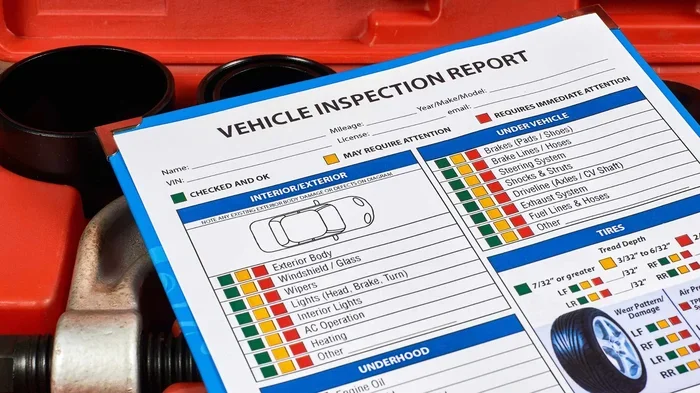
This one is huge. Regular hybrid vehicle maintenance is the single biggest factor in how long your car will last. Skipping oil changes, ignoring fluid levels, or postponing inspections can shorten the lifespan of a hybrid car dramatically.
Expert Insight: Most manufacturers recommend a maintenance schedule that includes oil changes every 5,000 to 7,500 miles, brake inspections every 15,000 miles, and a full hybrid system check annually. Following this simple routine keeps everything running at peak performance.
Quick Tip: Keep a detailed maintenance log. Record every service, every oil change, and every repair. This not only helps you stay on track but also boosts hybrid car resale value when it is time to sell or trade in.
Hybrid Car Maintenance Tips for Maximum Longevity
Taking care of a hybrid car is not drastically different from maintaining a regular car. But there are a few key areas where hybrids need special attention. Let us walk through them.
Battery Maintenance Best Practices
Your hybrid car battery needs attention, but not as much as you might think. The onboard computer manages most of the battery charging and discharging automatically. That said, there are things you can do to support battery health.
- Avoid fully draining the battery: Keep the charge level between 20% and 80% whenever possible
- Limit fast charging: Frequent fast charging generates heat, which can shorten battery life
- Watch for warning signs: If the battery light comes on, get it checked immediately
- Keep connections clean: Corroded battery terminals can reduce performance
Most hybrids also have a cooling system for the battery pack. Make sure this system is checked during regular service appointments. Overheating is one of the leading causes of premature battery degradation.
Following the Right Maintenance Schedule
Every hybrid car comes with a manufacturer-recommended maintenance schedule. This schedule covers everything from oil changes to brake fluid flushes to hybrid transmission checks. Following it to the letter is one of the best investments you can make.
Here is a simple maintenance checklist for most hybrid vehicles:
- Oil and filter change every 5,000 to 7,500 miles
- Tire rotation every 5,000 to 7,500 miles
- Brake pad inspection every 15,000 miles
- Coolant system flush every 30,000 miles
- Hybrid battery health check annually
- Transmission fluid change every 60,000 miles
- Air filter replacement every 15,000 to 30,000 miles
Sticking to this schedule keeps your hybrid car reliability high and prevents small problems from becoming expensive repairs. It also ensures that fuel efficiency over time stays strong, which is one of the biggest benefits of owning a hybrid.
Common Hybrid Car Problems and How to Avoid Them
Hybrid cars are generally very reliable. But like any vehicle, they can develop problems over time. Knowing what to watch for helps you catch issues early and avoid costly fixes.
Battery Degradation Issues
Battery degradation is the most common concern for hybrid owners. As mentioned earlier, batteries slowly lose capacity over their lifespan. In most cases, this is a gradual process and not something that causes sudden failure. However, in some cases, a battery cell can fail prematurely, leading to reduced performance and higher hybrid car repair costs.
How to avoid this problem:
- Do not let the battery sit at a low charge for extended periods
- Avoid frequent deep discharges
- Keep the cooling system in good working order
- Address any warning signs immediately
If your battery does need replacement, do not panic. Hybrid car battery replacements have become more affordable in recent years. And many hybrid car warranty plans cover battery replacement for 8 to 10 years or 100,000 miles, whichever comes first.
Transmission and Motor Concerns
The hybrid transmission is another component that needs attention. Some hybrid models use a continuously variable transmission, or CVT, which is generally reliable but can develop issues if not properly maintained. Regular fluid changes are essential for hybrid transmission health.
The electric motor rarely causes problems, but the inverter and power electronics can occasionally fail. These repairs tend to be expensive, which is why the hybrid car warranty is so valuable. Always check what your warranty covers before making a repair decision.
How to Maximize Your Hybrid Car’s Lifespan
Now that we have covered the basics, let us talk about what you can do right now to extend the lifespan of a hybrid car. These tips are practical, easy to follow, and make a real difference over time.
Smart Driving Techniques
How you drive is the most powerful tool you have for extending your hybrid car’s life. Smooth, gentle driving reduces wear on every component in the vehicle. Here are some techniques that help:
- Accelerate gently from stops
- Use cruise control on highways to maintain a steady speed
- Coast to decelerate when possible instead of braking hard
- Avoid carrying unnecessary weight in the trunk or cabin
- Keep your tires properly inflated at all times
These habits might seem small, but they add up over hundreds of thousands of miles. Drivers who practice smooth driving often see their hybrid vehicles surpass the 300,000-mile mark.
Charging and Regenerative Braking Habits
One of the best features of a hybrid is regenerative braking. This system captures energy during deceleration and feeds it back to the battery. It reduces wear on the brake pads and helps maintain battery health. To get the most out of regenerative braking, avoid riding your brakes and let the car coast when you can.
For plug-in hybrid models, charging habits matter too. Using a level 1 or level 2 charger for overnight charging is gentler on the battery than frequent DC fast charging. Keeping the battery charge between 20% and 80% on a regular basis also supports long-term battery health.
Quick Tip: If you drive a plug-in hybrid, try to charge it every night. A consistently charged battery performs better and degrades more slowly than one that is frequently drained and recharged.
Hybrid Car Lifespan by Popular Models
Not all hybrid cars are created equal when it comes to longevity. Some models have proven track records of lasting well beyond 200,000 miles. Let us look at a few popular models and what owners can expect.
Toyota Prius Longevity and Reputation
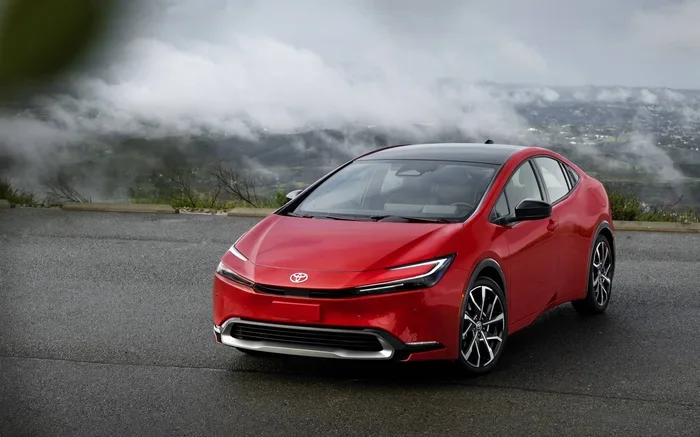
The Toyota Prius is the gold standard when it comes to the lifespan of a hybrid car. The Toyota Prius lifespan regularly exceeds 200,000 miles, and many examples have crossed the 300,000-mile threshold. Toyota’s hybrid system is one of the most tested and proven in the industry. The nickel-metal hydride battery in older Prius models is legendary for its durability, and the newer lithium-ion versions are just as reliable.
Part of the reason the Prius lasts so long is the simplicity of its hybrid powertrain. The system is well-designed, widely understood by mechanics, and backed by strong hybrid car warranty coverage. Toyota also offers a hybrid car engine life that consistently outlasts competitors in independent reliability studies.
Other Reliable Hybrid Models Worth Considering
The Prius is not the only option. Several other hybrid models offer excellent longevity and hybrid car reliability. Here is a quick comparison of popular models and their expected lifespan:
| Model | Expected Lifespan (Miles) | Hybrid Battery Life (Years) | Hybrid Car Warranty |
|---|---|---|---|
| Toyota Prius | 200,000 – 300,000+ | 10 – 15 | 8 years / 100,000 miles |
| Toyota Camry Hybrid | 200,000 – 250,000 | 8 – 12 | 8 years / 100,000 miles |
| Honda Accord Hybrid | 200,000 – 250,000 | 8 – 12 | 8 years / 100,000 miles |
| Ford Escape Hybrid | 150,000 – 200,000 | 8 – 10 | 8 years / 100,000 miles |
| Chevrolet Bolt EV (PHEV) | 150,000 – 200,000 | 8 – 10 | 8 years / 100,000 miles |
As you can see, Toyota models tend to lead the pack in terms of the lifespan of a hybrid car. Honda and Ford also offer strong options with proven track records. When choosing a hybrid, consider the model’s reputation for hybrid car reliability and the availability of parts and service in your area.
The Financial Side: Ownership Cost and Resale Value
Let us talk money for a moment. One of the biggest advantages of owning a hybrid is the lower hybrid car ownership cost over time. Hybrids use less fuel, which saves you money at the pump every single week. The regenerative braking system also means brake pads last longer, reducing maintenance expenses.
Hybrid car repair costs can be higher than for a gas-only car when something does go wrong, especially for battery-related issues. But these repairs are less common than you might think. And with a good hybrid car warranty, many of these costs are covered in the early years of ownership.
Another financial advantage is hybrid car resale value. Hybrid cars hold their value better than comparable gas-only models. Buyers know that a well-maintained hybrid will last for years, and they are willing to pay a premium for that reliability. This means when it is time to sell or trade in, you get more money back.
Expert Insight: According to industry data, hybrid cars retain about 10% to 15% more of their value after five years compared to similar gas-only vehicles. That is a significant advantage that adds up over the life of the car.
Cold Weather Hybrid Performance and Extreme Climates
If you live in a cold climate, you might wonder how winter weather affects the lifespan of a hybrid car. The short answer is that cold weather does not damage your hybrid, but it does change how it performs.
In cold temperatures, the hybrid car battery is less efficient. The car may rely more on the gas engine, which slightly reduces fuel economy. The good news is that modern hybrids are designed to handle cold weather. The battery warming system kicks in automatically, and the car adjusts its power distribution to match the conditions.
Quick Tip: In very cold climates, plug in your hybrid overnight if it has a preconditioning feature. This warms the battery before you drive, improving cold weather hybrid performance and protecting battery health.
Hot climates present a different challenge. Heat accelerates battery degradation over time. If you live in a hot area, park in the shade or a garage whenever possible. Keeping the battery cool extends its life and supports the overall lifespan of a hybrid car.
When Should You Consider Replacing Your Hybrid Car?
Most hybrid cars are designed to last well beyond 200,000 miles. But there comes a point when major repairs might not make financial sense. Here are some signs that it might be time to consider a replacement:
- The hybrid battery has degraded significantly and replacement costs exceed the car’s value
- The hybrid transmission requires major repair
- The gas engine has high mileage and needs expensive work
- Repair costs are consistently higher than the car’s monthly payment would be
- The car no longer meets your daily driving needs
Before making a decision, get a professional inspection. A mechanic who specializes in hybrid vehicle maintenance can give you an honest assessment of the car’s remaining life. Sometimes, a simple battery replacement or transmission service can add years of reliable driving.
Final Thoughts on the Lifespan of a Hybrid Car
The lifespan of a hybrid car is impressive. With proper care, most hybrids will comfortably serve you for 15 to 20 years or more. The combination of a gas engine and an electric motor creates a system that is durable, efficient, and surprisingly long-lasting.
To get the most out of your hybrid, focus on the basics. Follow the maintenance schedule, drive smoothly, keep the battery healthy, and address small issues before they become big problems. These habits are simple, but they make a enormous difference.
Whether you are already a hybrid owner or thinking about becoming one, understanding the lifespan of a hybrid car empowers you to make better decisions. You will know what to expect, how to care for your vehicle, and when to celebrate the miles you have gained. Hybrid cars are built to last, and with the right approach, yours will go the distance.
Start today. Check your maintenance schedule, review your driving habits, and give your hybrid the care it deserves. The road ahead is long, and your hybrid car is ready to take you there.
Frequently Asked Questions
How long does the hybrid car battery typically last?
Most hybrid car batteries last between 8 and 15 years, depending on the model, driving habits, and climate. Modern lithium-ion hybrid battery technology has pushed this range even further. Regular maintenance and smart charging habits can help extend hybrid car battery life significantly.
Is it expensive to maintain a hybrid car compared to a regular car?
Hybrid vehicle maintenance costs are generally similar to or slightly lower than gas-only cars. The electric motor reduces wear on the gas engine and brakes. However, hybrid car repair costs can be higher if the battery or hybrid transmission needs replacement. Most of these costs are covered by the hybrid car warranty during the first 8 to 10 years.
Can a hybrid car last 300,000 miles?
Yes, many hybrid cars can last 300,000 miles or more. The Toyota Prius is a prime example of the Toyota Prius lifespan exceeding this milestone. With proper hybrid vehicle maintenance, smooth driving habits, and timely battery care, reaching 300,000 miles is entirely achievable for most hybrid models.
Does cold weather reduce the lifespan of a hybrid car?
Cold weather does not directly reduce the lifespan of a hybrid car, but it can temporarily reduce hybrid car battery life efficiency. Modern hybrids are designed to handle cold conditions with built-in battery warming systems. Parking in a garage and using preconditioning features helps protect the battery and supports long-term hybrid car reliability.
What is regenerative braking and how does it help hybrid car longevity?
Regenerative braking captures energy during deceleration and feeds it back to the battery. This reduces wear on brake pads and helps maintain battery health. By easing the load on both the braking system and the battery, regenerative braking contributes directly to the lifespan of a hybrid car and improves fuel efficiency over time.
How does the hybrid car warranty protect owners?
Most hybrid car warranty plans cover the battery and hybrid powertrain for 8 to 10 years or 100,000 miles. This protection gives owners peace of mind against expensive battery replacements and hybrid transmission repairs. Always check your specific warranty details, as coverage varies by manufacturer and model.