Why Are Minivan Sales Dropping and What Replaced Them
Why Are Minivan Sales Dropping is a question on every car buyer’s mind. Minivan sales have fallen sharply over the past decade as families shift toward SUVs and crossovers. The minivan lost its reputation due to styling issues, while three-row SUVs offered a cooler, more versatile alternative. Today, the automotive market has changed dramatically, and the minivan is no longer the default family hauler.
If you have been watching the automotive market lately, you might have noticed something big happening. Why Are Minivan Sales Dropping has become one of the hottest questions in the car world today. For decades, minivans ruled the road as the go-to family vehicle. They offered space, comfort, and practicality all in one package. But times have changed, and the minivan is losing its crown.
SUVs, crossovers, and three-row vehicles are stealing the spotlight. Families now have more choices than ever before. So what exactly drove this shift? And what vehicles stepped in to fill the gap left by the minivan? In this article, we will explore the real reasons behind the minivan sales decline. We will also look at what replaced the minivan in the hearts of car buyers. Whether you are a current minivan owner or shopping for a new family vehicle, this guide has you covered.
The story of the minivan is a story of rise, fall, and reinvention. Understanding why minivan sales are declining helps us see the bigger picture of how automotive consumer behavior has changed over the years. Let us dive into the details and find out what is really going on.
Key Takeaways
- Minivan sales have dropped significantly due to shifting consumer preferences, negative stigma, and the rise of SUVs.
- Three-row SUVs and crossovers are the primary replacements for minivans in the family vehicle market.
- Minivans still offer superior interior space and practicality, but buyers prioritize image and driving feel.
- The stigma around minivans started in the 2000s and has been hard to shake despite modern improvements.
- Hybrid and electric minivans are emerging as a potential path to revival for the segment.
- Car buyers now value style, tech features, and driving dynamics just as much as raw space.
- The automotive industry has shifted toward producing more SUVs and fewer minivans, reducing availability and choice.
📑 Table of Contents
The Rise and Fall of the Minivan: A Brief History
To understand why minivan sales are dropping, we need to look at where they started. The minivan was born in the 1980s as a response to growing family needs. The Chrysler Voyager launched in 1984 and quickly became a household name. Families loved the sliding doors, the flat floor, and the massive cargo space. For nearly two decades, the minivan was the king of family transportation.
But the late 1990s and early 2000s brought changes. The minivan stigma began to take root. Minivans were seen as boring, uncool, and only for parents who had given up on style. Car commercials started showing SUVs as adventurous and exciting. Minivans were shown as dull and practical. This image problem hurt sales over time.
By the mid-2010s, the minivan popularity decline was undeniable. Sales numbers told the story clearly. According to industry data, minivan sales fell by over 50% between 2000 and 2020. The minivan market drop was not a sudden event. It was a slow, steady shift driven by changing tastes and new options.
The Golden Era of Minivans
In the 1990s and early 2000s, minivans were everywhere. The Dodge Caravan, Honda Odyssey, and Toyota Sienna dominated the road. These vehicles offered features that no other car could match at the time. Built-in vacuum cleaners, rear entertainment systems, and stow-and-go seating made minivans the ultimate family hauler.
Here is why minivans were so popular back then:
- Massive interior space — more room than most SUVs of the era
- Sliding rear doors — easy access for kids and car seats
- Flat fold-flat floors — perfect for hauling bulky items
- Lower ride height — easier for kids and elderly passengers to enter
- Better fuel economy than most full-size SUVs
During this period, the minivan was the undisputed family transportation champion. But everything started to change when SUVs began offering similar space with a tougher image.
The Stigma Takes Hold
The minivan reputation suffered a major blow in the 2000s. Pop culture rarely showed minivans in a positive light. Movies and TV shows portrayed minivan drivers as suburban parents with no sense of style. The word “minivan” became shorthand for boring and uncool.
This minivan stigma is one of the biggest reasons why minivan sales are dropping. Even though modern minivans are far more stylish and feature-rich, the old perception lingers. Many buyers would rather buy an SUV that looks “cooler,” even if the minivan is actually more practical.
Why Are Minivan Sales Dropping — The Key Reasons
The minivan sales decline did not happen overnight. Multiple factors came together to push minivans out of the spotlight. Let us break down the main reasons why buyers are turning away from minivans.
Reason 1: The Rise of the Three-Row SUV
This is the single biggest factor behind the minivan market drop. Automakers realized that families wanted the space of a minivan but the look and feel of an SUV. So they started building three-row SUVs that offered seating for seven or eight passengers. Brands like Toyota, Ford, Chevrolet, and Hyundai jumped on this trend.
The three-row SUV gave families the best of both worlds. They got the rugged, stylish look of an SUV with the seating capacity of a minivan. This was a game-changer for the automotive industry. Suddenly, families did not need a minivan anymore. They could buy an SUV and feel like they were making a cooler choice.
Reason 2: Shifting Consumer Preferences
Vehicle preferences changing is a broader trend that affects more than just minivans. Over the past 15 years, car buyers have increasingly valued style, driving dynamics, and brand image. They want vehicles that reflect their personality, not just their family size.
Minivans were never marketed as exciting or aspirational. SUVs, on the other hand, were positioned as adventurous and premium. This marketing gap made it hard for minivans to attract younger buyers and even harder to retain them as their lifestyles changed.
Here are the key shifts in car sales trends that hurt minivans:
- Desire for a higher driving position — buyers want to sit up and see the road better
- Interest in rugged, outdoor lifestyles — SUVs match this image better
- Brand prestige matters more — luxury SUV brands attract buyers who might have chosen minivans
- Crossover appeal — crossovers blend SUV style with car-like handling
Reason 3: Minivans Lost Their Unique Advantage
In the 1990s, minivans had no real competition for family space. But as SUVs grew in size and added third rows, the minivan vs SUV gap narrowed. Today, many SUVs offer nearly the same interior space as minivans, especially in the third row. This made the minivan’s biggest strength less unique.
At the same time, minivans still carried the baggage of being seen as uncool. Buyers were paying a “style tax” for choosing a minivan over an SUV, even though the minivan was often the more practical choice.
Reason 4: Automakers Shifted Focus to SUVs
It is not just buyer preferences that changed. Automakers themselves shifted their focus. Building SUVs is more profitable than building minivans. Consumers are willing to pay higher prices for SUVs, and the profit margins are better. As a result, many brands reduced or completely stopped minivan production.
The automotive industry shifts toward SUVs created a feedback loop. Fewer minivan options meant fewer buyers. Fewer buyers meant even less incentive for automakers to invest in minivans. This cycle has been hard to break.
Reason 5: The Minivan Stigma Is Hard to Overcome
Even though modern minivans are excellent vehicles, the old image is hard to shake. Many buyers still associate minivans with soccer moms, boring design, and a lack of excitement. This minivan stigma affects purchasing decisions even when the facts do not support it.
Car buying is emotional as much as it is logical. Buyers want to feel good about their choice. An SUV makes them feel adventurous and cool. A minivan makes them feel practical but unexciting. This emotional factor is a powerful driver of the minivan sales decline.
What Replaced the Minivan — The SUV and Crossover Boom
So if minivans are declining, what took their place? The answer is clear: SUVs and crossovers became the new family haulers. These vehicles offered a compelling mix of space, style, and versatility that appealed to the same buyers who once bought minivans.
The SUV Takes Over the Family Segment
The three-row SUV became the default choice for larger families. Brands like Toyota, Ford, Chevrolet, Nissan, and Hyundai all introduced or expanded their three-row offerings. The Toyota Highlander, Ford Explorer, Chevrolet Traverse, and Hyundai Palisade are all popular examples.
These SUVs offered features that minivans had pioneered, including:
- Third-row seating for up to seven or eight passengers
- Sliding second-row seats for easy access and adjustable legroom
- Hands-free power liftgates for convenient cargo loading
- Advanced safety technology like blind-spot monitoring and rear cross-traffic alert
- Infotainment systems with large touchscreens and smartphone integration
The SUV also brought something the minivan never had: a rugged, adventurous image. Families could now haul kids, gear, and luggage while feeling like they were driving a vehicle built for anything.
Crossovers: The Best of Both Worlds
Between minivans and full-size SUVs, crossover vehicles carved out a huge niche. Crossovers are built on car platforms, which makes them lighter and more fuel-efficient than traditional SUVs. They offer the look and feel of an SUV with easier handling and better gas mileage.
Many families chose crossovers as a practical middle ground. Vehicles like the Honda CR-V, Toyota RAV4, and Subaru Ascent became bestsellers. They did not offer as much space as a minivan, but they were “good enough” for most families. And they came with the added benefit of looking modern and stylish.
Compact SUVs Eating Into Minivan Territory
One interesting trend is the rise of compact SUVs with third-row seating. Models like the Kia Telluride, Mazda CX-90, and Volkswagen Atlas offer seating for seven in a more compact footprint. These vehicles appeal to buyers who want the space of a minivan but in a smaller, more maneuverable package.
The best alternatives to minivans now include a wide range of SUVs and crossovers at every price point. From budget-friendly options like the Hyundai Santa Fe to luxury choices like the BMW X7, there is an SUV for almost every family.
| Vehicle Type | Seating Capacity | Cargo Space | Fuel Economy | Image/Style | Price Range |
|---|---|---|---|---|---|
| Minivan | 7-8 | Excellent | Good | Practical/Boring (perception) | $35,000-$55,000 |
| Three-Row SUV | 7-8 | Very Good | Moderate | Stylish/Adventurous | $40,000-$75,000 |
| Compact SUV with 3rd Row | 6-7 | Good | Better | Modern/Sporty | $35,000-$55,000 |
| Two-Row SUV | 5 | Good | Good | Versatile/Popular | $30,000-$70,000 |
| Crossover | 5-7 | Good | Best | Modern/Cool | $28,000-$50,000 |
Minivan vs SUV — A Head-to-Head Comparison
The minivan vs SUV debate is not as clear-cut as it used to be. Both vehicle types have strengths and weaknesses. Let us look at how they compare in key areas that matter most to families.
Interior Space and Practicality
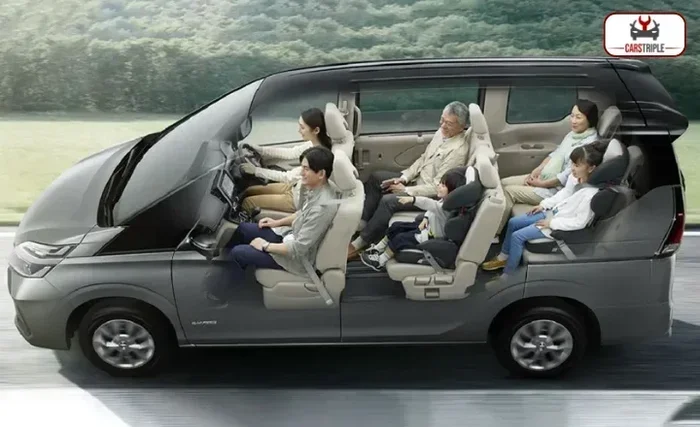
Minivans still win in raw interior space. The sliding doors, flat floors, and configurable seating make minivans incredibly practical. Loading a minivan with groceries, sports equipment, or luggage is easier than loading most SUVs. The lower floor height also makes it simpler for kids and elderly passengers to get in and out.
However, modern SUVs have closed the gap significantly. Many now offer second-row seats that slide and tumble, similar to minivans. The difference is less dramatic than it was 10 or 15 years ago.
Driving Experience and Image
SUVs generally offer a higher driving position and a more commanding view of the road. They also tend to feel more rugged and capable, even if most family SUVs are never off-road. This image matters to many buyers, even if they do not admit it.
Minivans, on the other hand, offer a lower center of gravity and better handling than most SUVs. They drive more like large cars, which can be a benefit on highways and in tight parking lots. But the “van” label still carries negative connotations for many buyers.
Cost and Value
Minivans often provide better value for large families. They tend to be less expensive than comparable three-row SUVs while offering more interior space. Fuel economy is also usually better in minivans. However, the resale value of minivans has suffered as demand has declined.
SUVs hold their value better in the current market because they are in higher demand. This means buyers may pay more upfront for an SUV but recoup more of that cost when they sell or trade in.
Are Minivans Making a Comeback?
The minivan sales decline has been steep, but there are signs that the tide might be turning. Automakers are investing in new minivan designs that address the image problem head-on. Let us look at what could bring minivans back into relevance.
Modern Minivans Are Better Than Ever
Today’s minivans are nothing like the boxy, uninspired vans of the past. The Honda Odyssey, Toyota Sienna, and Chrysler Pacifica have all been redesigned with sleeker styling, premium interiors, and cutting-edge technology. These vehicles look modern, drive well, and offer features that rival luxury SUVs.
The Toyota Sienna, for example, is now available as a hybrid, offering excellent fuel economy and a quiet, refined ride. The Chrysler Pacifica offers a plug-in hybrid option, making it one of the most efficient family vehicles on the road. These improvements help counter the old minivan stereotype.
The Hybrid and Electric Revolution
One of the most exciting developments for minivans is the shift toward hybrid and electric powertrains. The Toyota Sienna Hybrid set a new standard for efficiency in the family vehicle segment. As automakers develop more electric and hybrid minivans, they are giving the segment a fresh identity.
Electric and hybrid technology could help minivans shed their boring image. A quiet, high-tech, efficient minivan appeals to environmentally conscious families who want practicality without compromise. This could be the minivan revival that the segment needs.
Will the Stigma Fade?
The biggest question is whether the minivan stigma will ever fully disappear. Image is hard to change once it is embedded in consumer culture. However, there are signs that younger buyers are becoming more open to minivans, especially as practical alternatives to expensive three-row SUVs.
Social media and car culture have also started to highlight minivans in a more positive light. Minivan enthusiast communities online celebrate these vehicles for their practicality and value. As more people see minivans for what they are — excellent family tools — the old stereotypes may continue to fade.
What This Means for Car Buyers Today
The minivan sales drop has reshaped the family vehicle landscape. Buyers now have more options than ever, but this abundance of choice can also be confusing. Here is what you need to know as a car shopper in this new era.
Know Your Priorities
Before you start shopping, make a clear list of your priorities. What matters most to your family? Is it raw seating capacity? Fuel economy? Driving dynamics? Brand image? Price? Knowing your priorities will help you navigate the crowded family vehicle market with confidence.
If space and practicality are your top concerns, do not dismiss minivans out of hand. They still offer class-leading interior volume and ease of use. But if style and driving feel matter more to you, a three-row SUV might be the better fit.
Test Drive Everything
The best way to decide between a minivan and an SUV is to test drive both. Bring your family along. Load up your gear. Try parallel parking. Check the visibility from the driver’s seat. A test drive reveals things that specifications and reviews cannot.
Consider Total Cost of Ownership
When comparing vehicles, look beyond the sticker price. Consider fuel costs, insurance rates, maintenance expenses, and resale value. A minivan might cost less upfront and cost less to operate over time. An SUV might hold its value better but cost more to fuel and maintain.
Conclusion
The question of why minivan sales are dropping has a complex answer. It is not one single factor but a combination of changing tastes, rising competition from SUVs, a persistent stigma, and smart marketing by automakers. The minivan sales decline reflects broader shifts in automotive consumer behavior that have reshaped the entire industry.
SUVs and crossovers have replaced minivans as the go-to family vehicle for most buyers. They offer a similar blend of space and versatility with a cooler image and a more commanding driving position. But minivans are far from dead. They still offer unmatched practicality, and modern designs have made them more appealing than ever.
The minivan vs SUV debate will continue for years to come. Both vehicle types serve families well, and the best choice depends on your specific needs and priorities. As the industry evolves with hybrid and electric technology, both segments will continue to improve.
Whether you choose a minivan or an SUV, the most important thing is to find a vehicle that fits your family’s life. Do your research, test drive thoroughly, and make a decision based on what truly matters to you. The family vehicle market has never been more diverse, and that is great news for buyers.
Understanding the reasons behind the minivan sales drop helps you make a smarter choice. It also helps you appreciate how far the automotive industry has come in giving families more options than ever before. The days of the minivan as the only family hauler are gone, but the minivan’s legacy of practicality and space lives on in the vehicles that replaced it.
Frequently Asked Questions
Why did minivan sales start declining?
Minivan sales started declining in the late 1990s and early 2000s as SUVs became more popular. Automakers began marketing SUVs as adventurous and stylish, while minivans were seen as boring. The introduction of three-row SUVs also gave families a cooler alternative with similar seating capacity.
Are minivans still practical for large families?
Yes, minivans are still incredibly practical for large families. They offer more interior space, easier access with sliding doors, and better cargo configurations than most SUVs. If your family regularly carries more than five people or needs to haul a lot of gear, a minivan remains an excellent choice.
What is the most popular replacement for minivans?
The three-row SUV is the most popular replacement for minivans. Models like the Toyota Highlander, Ford Explorer, and Hyundai Palisade have become go-to choices for families who want space, style, and a more versatile driving experience in one package.
Will minivans ever become popular again?
A full return to peak minivan popularity is unlikely, but the segment could stabilize and grow with the help of hybrid and electric technology. Modern minivans like the Toyota Sienna Hybrid and Chrysler Pacifica Plug-in Hybrid are attracting new buyers who value efficiency and practicality.
What are the biggest advantages of a minivan over an SUV?
Minivans offer better interior space, easier entry and exit with sliding doors, a lower floor height, and often better fuel economy. They also tend to be less expensive than comparable three-row SUVs while providing more room for passengers and cargo.
How has the stigma around minivans affected sales?
The minivan stigma has had a significant impact on sales. Many buyers associate minivans with being boring, uncool, or only for parents who have given up on style. This perception has driven many families toward SUVs, even when a minivan would be the more practical choice for their needs.