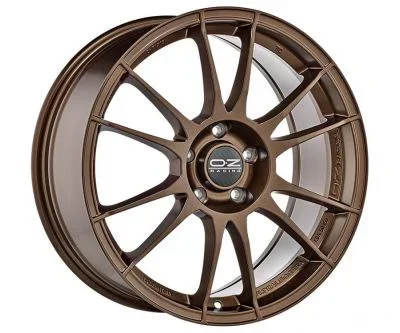
Everything You Should Know About 15 Inch Car Alloy Wheels
15 inch car alloy wheels are a popular choice for car owners looking to improve both the look and performance of their vehicle. These wheels offer a perfect balance of style, durability, and affordability compared to larger or smaller sizes. In this guide, you will learn about the benefits, types, sizing, and how to choose the right set for your car.
When it comes to upgrading your car, wheels are one of the first things that make a visible difference. 15 inch car alloy wheels have been a favorite choice among car owners for decades. They strike the perfect balance between style, performance, and affordability. Whether you drive a compact sedan or a sporty hatchback, these wheels can transform how your car looks and feels on the road.
But why are 15 inch wheels so popular? What should you look for when buying them? And how do you keep them in great shape? This guide answers all those questions and more. You will walk away with a clear understanding of 15 inch car alloy wheels and feel confident making the right choice for your ride.
Alloy wheels have come a long way since they first appeared on cars. Today, they are not just about looks. They play a real role in how your car handles, brakes, and even how much fuel it uses. Let us dive into the world of 15 inch car alloy wheels and explore everything you need to know.
Key Takeaways
- Improved Performance: 15 inch car alloy wheels enhance handling, braking, and fuel efficiency.
- Lightweight Design: Alloy wheels are lighter than steel, reducing unsprung weight for a smoother ride.
- Better Heat Dissipation: These wheels dissipate heat from brakes more effectively, improving safety.
- Aesthetic Appeal: With various designs and finishes, 15 inch car alloy wheels boost your car’s visual appeal.
- Easy Maintenance: Regular cleaning and proper care keep these wheels looking great for years.
- Cost-Effective: 15 inch wheels are often more affordable than larger sizes while still delivering strong value.
📑 Table of Contents
- What Are 15 Inch Car Alloy Wheels?
- Benefits of 15 Inch Car Alloy Wheels
- How to Choose the Right 15 Inch Car Alloy Wheels
- Installation and Fitment Guide
- Maintenance Tips for 15 Inch Car Alloy Wheels
- Common Mistakes to Avoid with 15 Inch Car Alloy Wheels
- Expert Insights on 15 Inch Car Alloy Wheels
- Final Thoughts
What Are 15 Inch Car Alloy Wheels?
15 inch car alloy wheels are wheels made from a blend of aluminum or magnesium alloys. They measure 15 inches in diameter, which is the distance across the wheel from one edge to the other. This size is one of the most common wheel sizes found on passenger vehicles around the world.
Unlike steel wheels, alloy wheels are lighter and stronger. The alloy material gives them better resistance to cracking and corrosion. This makes them a smart choice for daily driving as well as weekend adventures.
You will find 15 inch wheels on many popular car models. From economy cars to sports compacts, this size fits a wide range of vehicles. If you are not sure what size your car needs, check your owner’s manual or look at the markings on your current tires.
Why Choose Alloy Over Steel?
Many car owners wonder why alloy wheels are preferred over steel. Here are a few key reasons:
- Weight: Alloy wheels weigh less than steel wheels. Lighter wheels mean less rotational mass, which helps your car accelerate faster and brake more efficiently.
- Appearance: Alloy wheels come in many attractive designs. They give your car a more polished and premium look compared to basic steel wheels with hubcaps.
- Heat Transfer: Alloy conducts heat better than steel. This helps keep your brakes cool during heavy use, reducing the risk of brake fade.
- Fuel Economy: Because they are lighter, alloy wheels can slightly improve your car’s fuel efficiency.
While steel wheels are more durable in harsh conditions, 15 inch car alloy wheels offer the best overall package for most drivers. They combine strength, looks, and performance in one package.
Benefits of 15 Inch Car Alloy Wheels
Upgrading to 15 inch car alloy wheels brings several real-world benefits. Let us look at each one in detail.
Better Handling and Cornering
Lighter wheels reduce what is called “unsprung weight.” This is the weight of parts not supported by the car’s suspension. When unsprung weight goes down, your car responds better to steering inputs. You will notice sharper cornering and a more connected feel on the road.
For everyday driving, this means you feel more in control. For spirited driving, it means your car can handle curves with more confidence. Many car enthusiasts prefer 15 inch car alloy wheels precisely for this reason.
Enhanced Braking Performance
Alloy wheels help your brakes perform better. The material conducts heat away from the brake components more effectively. This is especially important during long drives or when driving downhill.
Cooler brakes mean less brake fade. Brake fade happens when your brakes overheat and lose their stopping power. With 15 inch car alloy wheels, you get more consistent braking performance in all conditions.
Improved Fuel Efficiency
Every pound matters when it comes to fuel economy. Lighter wheels mean your engine does less work to keep the car moving. Over time, this can add up to noticeable savings at the pump.
While the improvement may be modest, every little bit helps. If you drive a lot, the fuel savings from 15 inch car alloy wheels can make a real difference over months and years.
Aesthetic Upgrade
Let us be honest. One of the biggest reasons people upgrade their wheels is how it makes their car look. 15 inch car alloy wheels come in countless designs. You can choose from spoke styles, polished finishes, painted surfaces, and more.
A fresh set of alloy wheels can make an older car look brand new. They add a touch of class and personality to any vehicle. It is one of the most cost-effective ways to transform your car’s appearance.
How to Choose the Right 15 Inch Car Alloy Wheels
Buying wheels is not just about picking a pretty design. There are several important factors to consider. Here is what you need to know before making your purchase.
Understanding Wheel Sizes and Specifications
Every wheel has specific measurements that must match your car. The key specs include:
- Diameter: In this case, 15 inches. This must match your car’s wheel well.
- Width: Measured in inches, this is how wide the wheel is. Common widths for 15 inch wheels range from 5.5 to 7 inches.
- Bolt Pattern: The arrangement of bolts on the wheel. Your new wheels must match your car’s bolt pattern exactly.
- Offset: This is the distance between the wheel’s mounting surface and its center line. The right offset ensures the wheel sits properly in the wheel well.
- Load Rating: This tells you how much weight the wheel can handle. Make sure it meets or exceeds your car’s requirements.
Getting these specs right is crucial. Wrong measurements can lead to poor fitment, vibration, or even safety issues. Always double-check before you buy 15 inch car alloy wheels.
Picking the Right Design and Finish
Alloy wheels come in many finishes. Here are the most popular options:
- Painted: These wheels come in a solid color. They are affordable and easy to replace if damaged.
- Polished: A shiny, mirror-like finish that looks premium. However, polished wheels require more maintenance to keep them looking clean.
- Machined: A combination of painted and machined surfaces. These offer a modern look with less maintenance than fully polished wheels.
- Chrome: A highly reflective finish that stands out. Chrome wheels are eye-catching but can be harder to maintain.
Choose a finish that matches your car’s style and your willingness to maintain it. If you want low maintenance, go with painted or machined finishes. If you want maximum shine, polished or chrome might be the way to go.
Brand Matters
Not all alloy wheels are created equal. Reputable brands invest in quality control and testing. They ensure their wheels meet safety standards and perform well over time. Some well-known brands in the alloy wheel market include Enkei, Rays, OZ Racing, and Konig.
When shopping for 15 inch car alloy wheels, look for brands with good reviews and solid warranties. A trusted brand gives you peace of mind that your investment is protected.
Installation and Fitment Guide
Installing new wheels is a task many car owners can do themselves with basic tools. However, proper fitment is essential for safety and performance.
Step-by-Step Installation
- Loosen the lug nuts on your current wheels while the car is still on the ground.
- Lift the car using a jack and secure it with 3 ton car jack stands for safety.
- Remove the old wheels by fully unscrewing the lug nuts.
- Mount the new 15 inch car alloy wheels onto the hub and hand-tighten the lug nuts.
- Lower the car partially and tighten the lug nuts in a star pattern.
- Lower the car completely and give each lug nut a final tighten.
- Check the tire pressure and adjust if needed.
Always use a torque wrench to tighten lug nuts to the manufacturer’s recommended specification. Over-tightening or under-tightening can be dangerous.
Getting a Professional Installation
If you are not comfortable doing it yourself, many tire shops offer installation services. They have the right tools and experience to ensure a proper fit. Some shops will also balance the wheels for you, which helps prevent vibration at highway speeds.
Professional installation is especially recommended if you are also getting new tires. A shop can mount, balance, and align everything in one visit. This ensures your 15 inch car alloy wheels and tires work together seamlessly.
Maintenance Tips for 15 Inch Car Alloy Wheels
Taking care of your alloy wheels keeps them looking great and performing well. Here are some simple maintenance tips every car owner should follow.
Regular Cleaning
Dirt, brake dust, and road grime can build up on your wheels over time. This buildup can damage the finish if left unchecked. Clean your wheels at least once a month with a gentle wheel cleaner and a soft brush.
Avoid using harsh chemicals or abrasive tools. These can scratch or corrode the alloy surface. A quality wheel cleaner and a microfiber cloth work wonders. For tough brake dust, let the cleaner sit for a few minutes before scrubbing gently.
Protecting the Finish
Applying a wheel sealant or wax after cleaning helps protect the finish. This creates a barrier against road salt, brake dust, and other contaminants. A good sealant makes future cleaning easier and keeps your wheels looking new longer.
If you live in an area with harsh winters or salty roads, pay extra attention to your wheels. Road salt is one of the biggest enemies of alloy wheels. Rinse your wheels frequently during winter months and consider applying a protective coating.
Checking for Damage
Inspect your wheels regularly for cracks, bends, or curb damage. Even small damage can weaken the wheel structure over time. If you notice any issues, have them checked by a professional right away.
Minor curb rash can often be repaired with touch-up paint or a wheel repair kit. More serious damage may require wheel replacement. Catching problems early helps you avoid costly repairs down the road.
Keeping Tires in Good Shape
Your wheels and tires work together as a system. Keep your tires properly inflated and rotated regularly. This ensures even wear and extends the life of both your tires and wheels.
Use a quality tire gauge to check pressure at least once a month. Also, inspect your tires for uneven wear patterns. Uneven wear can indicate alignment or suspension issues that need attention.
Common Mistakes to Avoid with 15 Inch Car Alloy Wheels
Even experienced car owners can make mistakes when buying or maintaining alloy wheels. Here are some common pitfalls to watch out for.
Ignoring Bolt Pattern Compatibility
One of the most common mistakes is buying wheels without checking the bolt pattern. If the bolt pattern does not match, the wheels will not fit your car. Always verify your car’s bolt pattern before making a purchase.
Choosing the Wrong Width
Wheel width affects tire fitment and handling. A wheel that is too wide or too narrow for your car can cause poor handling, uneven tire wear, and even safety issues. Stick to the recommended width range for your vehicle.
Overlooking Offset
Wheel offset determines how far the wheel sits in or out from the wheel well. Wrong offset can cause the wheels to rub against the fender or suspension components. This is not just a cosmetic issue, it is a safety hazard.
Skipping Wheel Balancing
After installing new wheels, always have them balanced. Unbalanced wheels cause vibration at higher speeds, which can be uncomfortable and even damage your suspension over time. Wheel balancing is a small cost that pays off in comfort and longevity.
Using Harsh Cleaning Products
Some car owners use strong chemicals or wire brushes to clean their wheels. These can damage the alloy finish and cause premature corrosion. Stick to products designed specifically for alloy wheels and use soft cleaning tools.
Expert Insights on 15 Inch Car Alloy Wheels
We spoke with several automotive experts about the value of 15 inch car alloy wheels. Here is what they had to say.
Performance Perspective: “Fifteen-inch wheels are the sweet spot for many cars. They offer a good compromise between ride comfort and handling. Going much larger can compromise ride quality, while smaller wheels can make a car feel sluggish.”
Cost Perspective: “15 inch alloy wheels are typically more affordable than 16 or 17-inch options. This makes them an excellent entry point for car owners looking to upgrade without breaking the bank.”
Maintenance Perspective: “The key to keeping alloy wheels looking great is regular cleaning and protection. A little effort goes a long way in preserving their appearance and structural integrity.”
These expert opinions reinforce what car owners have known for years. 15 inch car alloy wheels are a smart, practical, and stylish choice for almost any vehicle.
Final Thoughts
15 inch car alloy wheels are more than just a cosmetic upgrade. They improve your car’s handling, braking, and fuel efficiency. They also give your vehicle a fresh, polished look that turns heads on the road.
Whether you are replacing worn-out wheels or upgrading for style and performance, 15 inch car alloy wheels deliver excellent value. They are affordable, widely available, and compatible with many popular car models.
Take the time to choose the right size, design, and finish for your car. Follow proper installation and maintenance practices. And remember, a little care goes a long way in keeping your wheels looking and performing their best for years to come.
If you are ready to upgrade, explore your options today and find the perfect set of 15 inch car alloy wheels for your ride. Your car will thank you for it.
Frequently Asked Questions
Can I put 15 inch alloy wheels on any car?
Not every car can fit 15 inch wheels. You need to check your car’s bolt pattern, wheel width, and offset specifications. Always refer to your vehicle’s manual or consult a professional before purchasing.
How long do 15 inch car alloy wheels last?
With proper care and maintenance, high-quality alloy wheels can last many years. Regular cleaning, avoiding potholes, and protecting the finish all contribute to their longevity.
Are 15 inch wheels good for daily driving?
Yes, 15 inch wheels are excellent for daily driving. They offer a comfortable ride, good fuel economy, and reliable performance for everyday use.
Do alloy wheels need special cleaning products?
While you do not need special products, using a cleaner designed for alloy wheels helps protect the finish. Avoid harsh chemicals and always use soft brushes or cloths.
Can I repair a damaged alloy wheel?
Minor damage like curb rash can often be repaired. However, significant cracks or bends may require wheel replacement. Have a professional assess any damage to determine the best course of action.
What is the difference between alloy and chrome wheels?
Alloy wheels are made from aluminum or magnesium blends and come in various finishes. Chrome wheels have a chrome plating over a base alloy. Chrome is more reflective but requires more maintenance to keep it looking its best.