Can You Add a Sunroof to a Car Here Is What You Should Know
Can you add a sunroof to a car? Yes, but it depends on your vehicle model, budget, and whether you choose factory or aftermarket options. Adding a sunroof can boost your car’s comfort and resale value, but it also comes with costs and potential risks. This guide covers everything from sunroof types and installation to maintenance and common mistakes.
Have you ever been driving down a highway and thought, I wish my car had a sunroof? Maybe you saw another car with a sleek glass panel letting in fresh air and sunlight, and you wondered if you could add one to your own ride. The good news is that adding a sunroof to a car is possible in most cases. But it is not as simple as buying a piece of glass and popping it in. There are many factors to consider, from the type of sunroof to the cost, the installation process, and whether your car is even a good candidate for the upgrade.
This guide breaks down everything you need to know about sunroof installation. Whether you are looking for a factory-style aftermarket sunroof or just curious about what is involved, you will find clear answers here. We will walk through the different types, costs, pros and cons, and maintenance tips so you can make a smart decision. Let us dive in.
Key Takeaways
- You can add a sunroof to most cars: Aftermarket sunroof kits are available for many vehicle models, but compatibility varies.
- Cost ranges from $500 to $2,500: The price depends on the type of sunroof and whether you hire a professional.
- Panoramic and pop-up are the most popular options: Each type offers a different driving experience and aesthetic.
- Professional installation is strongly recommended: DIY sunroof adds can lead to leaks and structural issues if done incorrectly.
- Regular maintenance prevents problems: Cleaning the seals and drainage system keeps your sunroof working smoothly for years.
- Consider resale value impact: A sunroof can increase your car’s appeal to future buyers, but poor installation can hurt it.
- Not all cars are suitable: Older vehicles or those without roof reinforcement may not be good candidates for sunroof retrofit.
📑 Table of Contents
- What Is a Sunroof and Why Do People Love Them
- Types of Sunroofs You Can Add to a Car
- Can You Actually Add a Sunroof to Any Car
- The Cost of Adding a Sunroof to Your Car
- Pros and Cons of Adding a Sunroof
- How to Maintain Your Newly Added Sunroof
- Common Mistakes People Make When Adding a Sunroof
- Expert Insights on Sunroof Retrofits
- Conclusion
What Is a Sunroof and Why Do People Love Them
How a Sunroof Works
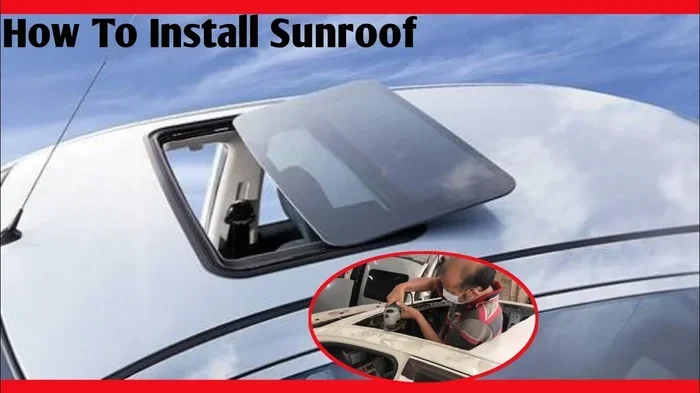
A sunroof is a panel set into the roof of a car that can be opened or slid to let in light and air. Unlike a solid roof, a sunroof gives you the option to enjoy the outdoors without leaving the comfort of your seat. Most sunroofs are made of tempered or laminated glass, and they operate using a motor or a manual slider mechanism.
The basic sunroof mechanism includes the glass panel, a frame, seals, a motor (in powered versions), and a drainage system that routes water away from the car interior. When everything works right, you get a wonderful open-air feeling. When something goes wrong, you might face leaks or noisy operation.
The Appeal of Having a Sunroof
People love sunroofs for a simple reason: they make driving feel more spacious and enjoyable. Sunlight fills the cabin, which can lift your mood on a long drive. Opening the sunroof on a warm day creates a natural breeze that no air conditioning can match. Many car buyers also believe that a sunroof adds a touch of luxury to any vehicle.
Beyond the feel-good factor, a sunroof can improve car resale value. Buyers often look for sunroofs when shopping for used cars. So if you plan to sell your vehicle down the road, a well-installed sunroof might help you get a better price. You can also pair your sunroof upgrade with other car enhancements like a 7-inch touch screen for car to create a modern, premium cabin feel.
Types of Sunroofs You Can Add to a Car
Pop-Up Sunroofs
A pop-up sunroof tilts open from the front, letting air in from the top. These are usually manual and lightweight. They are one of the simplest and most affordable options for sunroof conversion. Pop-up sunroofs work well in older cars or budget-friendly builds. They do not take up much space and are relatively easy to install.
Spoiler-Style Sunroofs
A spoiler-style sunroof sits on top of the roof and slides back. It has a built-in spoiler shape that improves aerodynamics. These sunroofs are powered and offer a sleek, modern look. They are popular in sedans and hatchbacks. However, they take up some headroom inside the car because the panel slides into the roof cavity.
Panoramic Sunroofs
Panoramic sunroofs are large glass panels that cover a big portion of the roof. Some models slide or tilt, while others are fixed. These give the back seat passengers a great view of the sky too. Panoramic sunroofs are the most expensive option and require more complex installation. They are common in SUVs and luxury sedans.
Moonroof vs Sunroof: What Is the Difference
People often use the terms moonroof and sunroof interchangeably, but they are not exactly the same. A sunroof is a solid or glass panel that can be removed or opened. A moonroof is typically a fixed glass panel that lets in light but does not open. In everyday conversation, most people call both types sunroofs. When shopping for an aftermarket sunroof, make sure you know which type you want.
Can You Actually Add a Sunroof to Any Car
Factory vs Aftermarket Sunroofs
Some cars come with a sunroof straight from the factory. These are built into the car’s design from day one, and the roof structure is reinforced to handle the extra weight. If your car did not come with a sunroof, you have two main options: a factory-authorized retrofit or an aftermarket kit.
A factory retrofit uses the exact same parts and installation process as a car that left the factory with a sunroof. This option is more expensive but offers the best fit and warranty. An aftermarket kit is a third-party product that can be installed by a professional or a skilled DIYer. Aftermarket kits come in many shapes, sizes, and price ranges.
What Your Car Needs for a Retrofit
Not every car is a good candidate for sunroof installation. Here are the key factors that determine whether your car can support a sunroof:
- Roof strength: The roof must be reinforced to handle the weight of the sunroof panel and motor.
- Roof shape: Cars with curved or complex rooflines are harder to retrofit than those with flat roofs.
- Interior headroom: A sunroof takes up space inside the roof cavity, which can reduce headroom slightly.
- Drainage system: The car must have a way to route water away from the sunroof opening.
- Electrical system: Powered sunroofs need a compatible electrical setup in the car.
If you are unsure whether your car can handle a sunroof, it is best to consult a professional installer. They can assess your vehicle and recommend the right kit. You might also want to protect your car interior before the install. Applying a quality 3M anti-glare film for car windshield can help reduce glare and heat inside the cabin after the sunroof is added.
When It Is Not Possible
There are some cases where adding a sunroof is simply not practical. Very old cars may lack the structural support needed. Cars with reinforced safety roofs, such as some convertibles or vehicles with reinforced roll bars, may not be good candidates. Also, if the cost of reinforcing the roof exceeds the value of adding a sunroof, it may not be worth the investment.
The Cost of Adding a Sunroof to Your Car
Aftermarket Installation Costs
The cost of adding a sunroof varies widely. A basic pop-up aftermarket sunroof kit can cost between $500 and $1,000 for the parts alone. Professional installation typically adds $500 to $1,500 depending on your location and the complexity of the job. So for a simple manual sunroof, you might pay between $1,000 and $2,500 total.
A spoiler-style powered sunroof usually costs more, ranging from $1,000 to $2,000 for the kit. Installation for these can add another $1,000 to $2,000. A panoramic sunroof is the most expensive option, with total costs often reaching $2,000 to $4,000 or more.
Factory-Installed Options
If you buy a car that already has a sunroof, you do not need to worry about installation costs. However, cars with factory sunroofs often come at a higher purchase price. If you are buying a used car, a factory sunroof can add value to the vehicle. Just make sure the previous owner maintained the sunroof properly. You can keep any car looking great with regular care, including using products like 3M car rubbing compound to maintain the paint and exterior finish after any roof modifications.
Hidden Costs to Consider
When budgeting for a sunroof, do not forget about hidden costs. Here are some expenses that people often overlook:
- Roof reinforcement: Some cars need additional support, which adds to the cost.
- Wiring and electrical work: Powered sunroofs require proper wiring, which a mechanic must handle.
- Interior trim replacement: The area around the sunroof may need new trim pieces.
- Sealant and weatherproofing: High-quality sealant is essential to prevent leaks.
- Repairs down the road: Sunroofs can develop issues over time, so budget for future maintenance.
Keep in mind that the cheapest option is not always the best. A poorly installed sunroof can cause serious problems, including leaks, noise, and even structural damage. Always invest in quality parts and professional installation.
Pros and Cons of Adding a Sunroof
Benefits You Will Love
There are many reasons to add a sunroof to your car. Here are the top benefits:
- More natural light: A sunroof fills the cabin with daylight, making the interior feel brighter and more open.
- Better ventilation: Opening the sunroof lets fresh air circulate, which is great on hot days.
- Improved resale value: Many buyers prefer cars with sunroofs, so you can get more when you sell.
- Open-air driving experience: There is nothing quite like feeling the wind and sun while driving with the sunroof open.
- Aesthetic upgrade: A sunroof gives your car a more premium and stylish look.
- Mood boost: Studies show that natural light and fresh air can reduce stress and improve mood during long drives.
You can also combine your sunroof with other car upgrades for a complete transformation. For example, pairing a sunroof with a quality 6-inch car woofer can give you both great views and great sound. The combination of open air and good music makes every drive more enjoyable.
Drawbacks You Should Know About
Sunroofs are not all sunshine and fresh air. Here are some real downsides to consider:
- Weight increase: A sunroof adds weight to the car, which can slightly reduce fuel efficiency.
- Risk of leaks: Poorly sealed or maintained sunroofs can leak water into the cabin.
- Reduced headroom: Some sunroof types take up space inside the roof, lowering headroom slightly.
- Noise: Even well-installed sunroofs can let in more road noise than a solid roof.
- Maintenance needs: Sunroofs need regular cleaning and seal inspection to stay in good shape.
- Cost: Quality sunroofs and professional installation are not cheap.
- Potential for breakage: Glass panels can crack from debris or extreme temperature changes.
Understanding these drawbacks helps you set realistic expectations. With proper care and professional installation, most of these issues can be minimized or avoided entirely.
How to Maintain Your Newly Added Sunroof
Regular Cleaning Tips
Keeping your sunroof clean is one of the easiest ways to extend its life. Here are some simple tips:
- Clean the glass panel weekly with a gentle glass cleaner and a soft cloth.
- Wipe down the rubber seals every two weeks to remove dirt and debris.
- Use a silicone-based lubricant on the seals and tracks once a month.
- Check the drainage channels regularly and clear any blockages.
- Avoid using harsh chemicals or abrasive cleaners on the glass or seals.
Simple maintenance goes a long way. A few minutes of care each week can prevent expensive repairs later. You should also keep the area around the sunroof dry and free of leaves or debris that can clog the drainage system.
Fixing Common Sunroof Problems
Even with good care, sunroofs can develop issues over time. Here are the most common problems and how to fix them:
- Sunroof leak: This is usually caused by clogged drainage channels or worn seals. Clear the drains and replace the seals if needed.
- Noisy operation: Rattling or grinding sounds often come from dry tracks. Apply a rubber-safe lubricant to fix this.
- Sunroof will not open or close: Check the fuse and motor. A professional can diagnose electrical issues quickly.
- Glass fogging between layers: This means the seal has failed and moisture got inside. The glass panel will need to be replaced.
If you notice any of these issues early, address them right away. Small problems can become big, expensive repairs if ignored. Keeping up with your sunroof maintenance routine saves you money and headaches in the long run.
Common Mistakes People Make When Adding a Sunroof
Skipping the Research
One of the biggest mistakes people make is buying a sunroof kit without doing proper research. Not all kits fit all cars. You need to know your exact car model, year, and roof type before purchasing. Take the time to read reviews, compare kits, and talk to installers before making a decision.
Ignoring Professional Installation
Some people try to save money by installing a sunroof themselves. While it is possible for skilled DIYers, it is a complex job that involves cutting into the roof, reinforcing the structure, and ensuring proper sealing. One small mistake can lead to leaks, rust, or even structural weakness. Unless you have serious experience with car modifications, it is best to hire a professional.
Choosing the Cheapest Option
It is tempting to go with the lowest-priced sunroof kit, but cheap kits often use lower-quality materials. Thin glass, weak motors, and poor seals lead to problems down the road. Investing in a quality kit and professional installation pays off in reliability and longevity.
Forgetting About Insurance and Warranty
Before you add a sunroof, check with your car insurance provider. Some modifications can affect your policy. Also, ask the installer about the warranty on both the kit and the labor. A good warranty gives you peace of mind and protects your investment.
Expert Insights on Sunroof Retrofits
Industry experts agree that the key to a successful sunroof retrofit is choosing the right kit and installer. According to automotive professionals, the most important factor is ensuring the roof structure can support the added weight. A thorough assessment before installation prevents most structural issues.
Experts also recommend choosing a sunroof type that matches your driving habits and climate. If you live in a rainy area, a sealed panoramic sunroof might be better than a pop-up that leaves a gap. If you mostly drive in warm weather, a sunroof that opens wide for ventilation is a great choice. The goal is to enhance your driving experience, not create new problems.
One often-overlooked tip from the pros is to always have the sunroof drained and inspected during regular car service. Most people forget about the sunroof until something goes wrong. A quick check every few months can catch small issues before they become big headaches.
Also, if you are planning a full car makeover, consider pairing the sunroof with interior upgrades. A new 7-inch music system for car or upgraded 3M car care products from Achsons Automotive can complement your sunroof and give your car a truly premium feel inside and out.
Conclusion
So, can you add a sunroof to a car? The answer is yes, in most cases. Whether you choose a simple pop-up kit or a luxurious panoramic panel, a sunroof can transform your driving experience. It brings in more light, fresh air, and a sense of openness that makes every ride more enjoyable.
However, adding a sunroof is a decision that requires careful thought. You need to consider the cost, the type of sunroof, your car’s compatibility, and the quality of installation. Do your research, choose quality parts, and invest in professional installation. With the right approach, a sunroof can be one of the best upgrades you ever make to your car.
Remember to maintain your sunroof regularly and address any issues quickly. A well-cared-for sunroof will give you years of enjoyment and even boost your car’s resale value. So go ahead, explore your options, and bring some sunshine into your drives. Can you add a sunroof to a car? Now you know the answer, and you know exactly what it takes to do it right.
Frequently Asked Questions
Can any car have a sunroof added after purchase?
Most cars can have a sunroof added, but it depends on the roof structure and model. Some vehicles have reinforced roofs that handle the extra weight well, while others may need additional support. It is best to consult a professional installer who can assess your specific car and recommend the right kit.
How much does it cost to add a sunroof to a car?
The cost typically ranges from $1,000 to $4,000 depending on the type of sunroof. Basic pop-up kits are on the lower end, while panoramic sunroofs cost more. Professional installation adds to the total cost but is highly recommended for a safe and leak-free result.
Does adding a sunroof void the car warranty?
This depends on your car manufacturer and the installer. In many cases, a professional installation using quality parts will not void your warranty. However, if the sunroof causes damage due to poor installation, the warranty may not cover the repairs. Always check with your dealer before proceeding.
How long does sunroof installation take?
A professional sunroof installation typically takes between 3 and 8 hours. The exact time depends on the type of sunroof, the car model, and any additional work needed like roof reinforcement or wiring. Aftermarket installations may take longer than factory retrofits.
Do sunroofs leak, and how can I prevent it?
Sunroofs can leak if the seals wear out or the drainage channels get clogged. Regular maintenance prevents most leaks. Clean the seals, check the drains, and apply lubricant as recommended. Address any small leaks immediately to prevent water damage inside the car.
Is a sunroof worth the added cost and maintenance?
For most drivers, a sunroof is worth it. The added natural light, ventilation, and open-air feel greatly improve the driving experience. Sunroofs can also boost resale value. However, if you prefer low-maintenance vehicles or live in areas with extreme weather, you may want to weigh the pros and cons carefully before deciding.