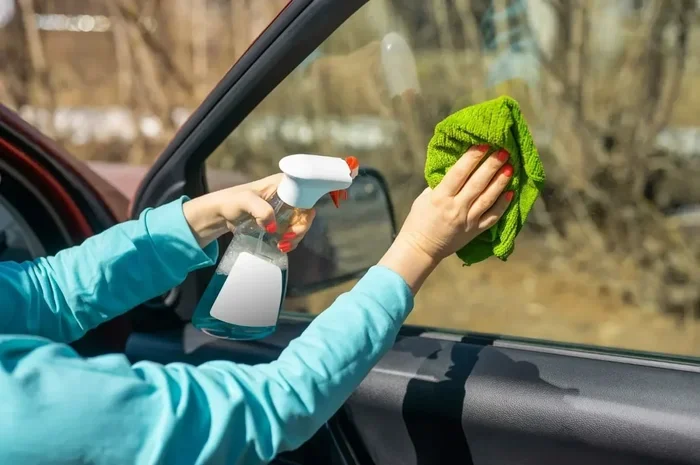
How to Care for Your Auto Window Tint and Keep It Fresh
Taking care of your auto window tint doesn’t have to be complicated. With the right cleaning methods and a few simple habits, you can keep your tinted windows looking great for years. This guide covers everything from daily cleaning to preventing common tint problems like bubbling and fading.
Your car’s window tint does more than just look cool. It blocks harmful UV rays, reduces heat inside your vehicle, and adds a layer of privacy. But like anything on your car, it needs regular care to stay in top shape. Many car owners don’t realize that poor maintenance can shorten the life of their tint significantly.
If you’ve invested in auto window tint, you want it to last. The good news is that keeping your tinted windows fresh doesn’t require a lot of time or money. A few simple habits and the right products make all the difference. In this guide, we’ll walk you through everything you need to know about window tint care and maintenance.
Whether you just got your tint done or it’s been a few years, this article has practical tips that work. We’ll cover cleaning methods, common problems, and how to protect your investment. Let’s dive in and make sure your tinted windows stay in perfect condition.
Key Takeaways
- Use gentle cleaning products: Avoid ammonia-based cleaners and stick to mild, tint-safe solutions to preserve your film.
- Wait before rolling down windows: Give your tint at least 3-5 days to cure fully after installation.
- Use soft cloths only: Microfiber towels prevent scratches and keep your tint surface smooth.
- Protect against UV damage: Quality tint blocks harmful rays, but proper care extends its life significantly.
- Know when to call a pro: Bubbles, peeling, and cracking need professional attention.
- Regular maintenance works: A simple cleaning routine prevents buildup and keeps your tint looking fresh.
📑 Table of Contents
Why Window Tint Care Matters
Your car window film is a layered product. It has an adhesive backing, a tinted polyester layer, and sometimes a scratch-resistant coating. When any of these layers breaks down, the tint loses its effectiveness. Dirt, chemicals, and physical damage all contribute to this breakdown over time.
Proper tint maintenance keeps all layers functioning as they should. Here’s why it matters so much:
- UV protection stays strong: Well-maintained tint blocks up to 99% of harmful UV rays. This protects your skin and keeps your interior from fading.
- Heat rejection works better: Clean, intact tint reduces solar heat inside your car. This means your AC doesn’t have to work as hard.
- Clarity and visibility improve: Regular cleaning prevents haze and buildup that can block your view while driving.
- Resale value increases: Cars with well-maintained tinted windows look better and appeal more to buyers.
Ignoring your tinted windows can lead to peeling, bubbling, and discoloration. These issues don’t just look bad, they also reduce the protection your tint provides. A little care goes a long way toward avoiding costly repairs or early replacement.
Best Cleaning Practices for Tinted Windows
Cleaning your tinted windows the right way is the single most important thing you can do. Wrong techniques and harsh products cause damage that builds up over months. Let’s look at the safest and most effective methods.
What Cleaning Products to Use
Not all glass cleaners are safe for automotive tint care. Many household products contain ammonia, which breaks down the tint adhesive over time. Here’s what to use instead:
- Ammonia-free glass cleaner: Look for products labeled safe for tinted windows. These clean effectively without damaging the film.
- Mild dish soap and water: A simple mix of a few drops of dish soap with water works great for regular cleaning.
- Vinegar solution: A mix of equal parts water and white vinegar is a natural, tint-safe option for light cleaning.
- Specialty tint cleaners: Some brands make cleaners specifically formulated for car window film. These are worth the investment if you tint your cars often.
Always test a new product on a small, hidden area first. This ensures the solution won’t cause discoloration or damage to your specific tint type.
Tools You Need
The right tools matter just as much as the right cleaner. Here’s what to keep in your car for window tint cleaning:
- Microfiber cloths: These are soft and non-abrasive. They won’t scratch your tint surface.
- Spray bottle: For applying your cleaning solution evenly.
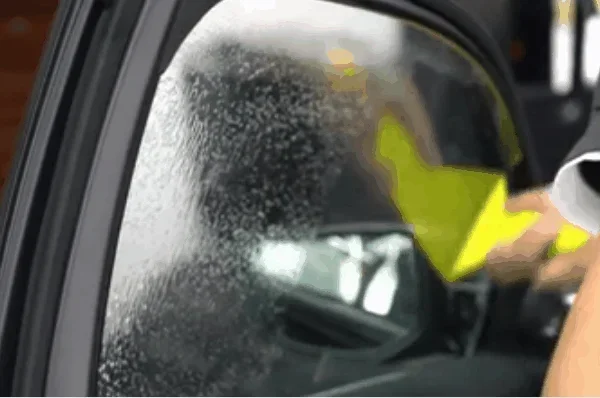
- Rubber squeegee: Helps remove water and solution without leaving streaks.
- Soft sponge or wash mitt: For gentle scrubbing of stubborn spots.
Never use paper towels, rough rags, or abrasive sponges on your tinted windows. These can create micro-scratches that dull the film over time. Stick with microfiber and soft materials only.
Step-by-Step Cleaning Process
Follow these steps each time you clean your auto window tint:
- Rinse the window: Use clean water to remove loose dirt and dust. This prevents scratching when you start wiping.
- Spray your cleaner: Apply the solution evenly across the glass. Let it sit for 10-15 seconds to loosen grime.
- Wipe gently: Use a microfiber cloth and wipe in circular motions. Don’t press too hard.
- Squeegee off excess: Use the rubber squeegee to remove the cleaning solution from the glass surface.
- Dry with a clean cloth: Buff the window dry with a fresh microfiber towel for a streak-free finish.
Clean your tinted windows at least once a week if you drive daily. Cars parked outdoors or in dusty areas may need cleaning more often. Regular cleaning prevents dirt from bonding to the film surface.
Quick Tips for Daily Care
Small daily habits protect your tint without much effort:
- Roll down your windows gently: Sudden movements can put stress on the tint edges.
- Avoid parking under trees: Bird droppings and tree sap are acidic and can eat through tint film.
- Wipe off spills immediately: Coffee, soda, and other liquids can stain untreated tint edges.
- Use a sunshade: Reducing heat exposure keeps the tint adhesive stable and prevents bubbling.
Common Window Tint Problems and How to Fix Them
Even with the best care, tinted windows can develop problems over time. Knowing what to look for and how to address it saves you money and frustration. Here are the most common issues and their solutions.
Bubbles and Blisters
Small bubbles under the tint are common, especially in the first few months after installation. This happens when moisture gets trapped during the application process. Most small bubbles disappear on their own as the window film adhesive cures completely.
If bubbles persist after a few weeks, don’t try to pop them. Instead, gently press them with a soft cloth while applying warm air from a hairdryer on a low setting. The heat softens the adhesive and allows the bubble to flatten. For large or stubborn bubbles, contact a professional for window tint repair.
Peeling Edges
Peeling usually happens at the edges of the tint. This can result from poor installation, low-quality film, or exposure to harsh chemicals. Small peels can be sealed with a tint repair kit from an auto parts store.
For larger peeling areas, replacement is often the best option. If you’re in the Pune area, professional 3M car care Pune services can help you assess whether your current tint needs repair or full replacement. They have the expertise to match your existing tint quality and style.
Discoloration and Fading
Over time, exposure to direct sunlight can cause tint fading prevention to become a real concern. Lower-quality dyes in cheap tint films break down faster under UV exposure. Your tint may turn purple or develop a hazy appearance.
To slow this process, park in shaded areas whenever possible and use a windshield sunshade. If your tint has already faded significantly, consider upgrading to a higher-quality ceramic or carbon film. These advanced materials resist fading much better than basic dyed films.
Scratches and Scuffs
Scratches on tinted windows usually come from improper cleaning or contact with sharp objects. Deep scratches can’t be removed, but light scuffs can sometimes be buffed out with a specialized tint polish.
For deeper damage, a professional can apply a clear overlay or recommend a full tint replacement. Always use scratch-resistant tint products if you live in an area with lots of dust or debris on the road.
Protecting Your Tint from Damage
Prevention is always better than repair when it comes to auto window tint. A few protective measures can significantly extend the life of your tinted windows and keep them looking fresh.
Choose the Right Tint Film
Not all tint films are created equal. When getting your windows tinted, consider these options:
- Ceramic tint: Offers the best heat rejection and UV protection without interfering with electronic signals. It’s also the most durable option.
- Carbon tint: Provides excellent heat reduction and doesn’t fade over time like dyed films do.
- Dyed tint: The most affordable option, but it fades faster and offers less UV protection.
- Metalized tint: Durable and heat-resistant, but it can interfere with GPS and phone signals.
Investing in quality film upfront means less maintenance and fewer problems down the road. If you want the best protection for your tinted windows, ceramic or carbon film is the way to go.
Be Mindful of Window Accessories
Things you put inside your car can affect your tint. Suction cup phone mounts, for example, can pull at the edges of your tint over time. Sharp-edged accessories and hard plastic items can scratch the surface if they shift while driving.
Use soft-lined mounts and place accessories carefully. Avoid placing heavy objects directly on window edges where the tint meets the glass. These small precautions add up to significant protection over the life of your tint.
Understand the Curing Process
After installation, your tint needs time to cure properly. During this period, the adhesive bonds fully to the glass. The curing time varies based on the film type, weather conditions, and installation quality.
As a general rule, avoid rolling down your windows for at least 3-5 days after installation. In humid or cold conditions, wait up to 7 days. During the curing process, you might notice some haziness or small water pockets. These are normal and clear up as the adhesive sets.
If you live near Bangalore and need expert installation or post-installation guidance, 3M car care Indiranagar Bangalore offers professional services that ensure your tint cures correctly and lasts longer. Their team understands the local climate challenges and can recommend the best film options for your vehicle.
When to Seek Professional Help
While daily care is something you can handle yourself, some tint issues need a professional touch. Knowing when to call for help prevents small problems from becoming expensive repairs.
Here are signs you should seek professional automotive tint care:
- Large bubbles that don’t go away: These indicate a bonding failure that needs professional attention.
- Severe peeling or flaking: This compromises both the look and function of your tint.
- Significant discoloration: If your tint has turned purple or developed dark spots, the film may need replacement.
- Cracks or chips: These can spread quickly and affect the entire tint panel.
- Adhesive failure: If you see the tint lifting away from the glass in large sections, professional intervention is needed.
Professionals have access to high-quality replacement films and specialized tools for installation. They also understand the legal tint limits in your area, which can vary by state or region. If you’re near Kochi and need reliable service, 3M car care Kochi Kerala provides expert tint inspection and replacement services tailored to your vehicle.
Regular professional inspections, ideally once a year, can catch small issues before they become major problems. Many 3M car care centers also offer warranty services that cover installation-related issues for a set period after application.
Long-Term Maintenance Tips for Lasting Tint
Keeping your auto window tint in great shape over the long term is about building good habits. Here are some strategies that pay off over years of driving.
Establish a Cleaning Routine
Consistency is key with tint maintenance. Set a specific day each week to wipe down your tinted windows. A quick 5-minute cleaning session prevents buildup and keeps your tint looking brand new.
Keep a small cleaning kit in your trunk with a spray bottle of tint-safe cleaner and a microfiber cloth. This makes it easy to clean your windows whenever you stop for gas or run errands.
Protect Against Environmental Damage
Your tint faces constant exposure to the elements. UV rays, rain, bird droppings, and road debris all take a toll. Here’s how to minimize environmental damage:
- Park in covered areas: Garages and carports reduce UV exposure significantly.
- Use a car cover: If you must park outdoors, a quality car cover protects your tint and paint.
- Rinse after beach trips: Salt air and sand can degrade tint film if left on the surface.
- Wipe off bird droppings quickly: The acidity in bird droppings can eat through tint film within hours.
Know Your Tint Warranty
Most quality window tint products come with a manufacturer’s warranty. These warranties often cover bubbling, peeling, and discoloration for a set number of years. Understand what your warranty covers and keep your installation receipt in a safe place.
If you notice issues within the warranty period, contact your installer immediately. Many 3M anti-glare film products, for example, come with substantial warranties that cover both materials and installation quality. Using premium products like these from the start gives you peace of mind and better long-term results.
Avoid Common Mistakes
Even well-meaning car owners can damage their tint with bad habits. Here’s what to avoid:
- Using ammonia-based cleaners: These dissolve the tint adhesive and cause peeling.
- Rolling windows down too soon: This disrupts the curing process and can cause edges to lift.
- Using rough towels: Paper towels and coarse fabrics create micro-scratches.
- Ignoring small damage: A tiny crack today becomes a large peel tomorrow if left unaddressed.
- Using sharp objects near windows: Keys, pens, and other sharp items can scratch or gouge the tint.
Avoiding these mistakes alone can add years to the life of your tinted windows. Combined with regular cleaning and professional check-ups, your tint can look great for 5-10 years or more.
The Benefits of Well-Maintained Tint
When you put in the effort to care for your auto window tint, the rewards are significant. Your car stays cooler inside, your UV exposure drops dramatically, and your privacy increases. Well-maintained tint also enhances the overall appearance of your vehicle, giving it a polished and cared-for look.
Think of window tint care the same way you think about washing your car or changing your oil. It’s a regular maintenance task that protects your investment and keeps your car running at its best. A few minutes of care each week saves you from costly repairs or early replacement down the road.
Conclusion
Caring for your auto window tint doesn’t have to be complicated or time-consuming. With the right products, a simple cleaning routine, and a few protective habits, you can keep your tinted windows looking fresh and functioning at their best for years to come. From choosing ammonia-free cleaners to knowing when to call a professional, every step you take adds life to your tinted windows.
Remember that prevention is your strongest tool. Protect your tint from UV damage, avoid harsh chemicals, and address small issues before they grow. Your window tint works hard every day to keep you cool, protected, and comfortable behind the wheel. Give it the care it deserves and it will reward you with lasting performance and great looks.
Start today. Grab a microfiber cloth and some tint-safe cleaner, and give your windows the attention they need. Your future self, and your car, will thank you for it.
Frequently Asked Questions
How long does auto window tint typically last?
Most quality auto window tint lasts between 5 and 10 years with proper care. Ceramic and carbon films tend to last longer than dyed films. Regular cleaning and avoiding harsh chemicals significantly extends the lifespan of your tinted windows.
Can I use regular glass cleaner on tinted windows?
No, most regular glass cleaners contain ammonia, which breaks down the tint adhesive over time. Stick to ammonia-free cleaners or a simple mix of mild dish soap and water for safe window tint cleaning.
How long should I wait to roll down my windows after tinting?
Wait at least 3 to 5 days after installation before rolling down your windows. In humid or cold weather, wait up to 7 days. This allows the window film adhesive to cure properly and prevents edges from lifting.
Is it normal for new tint to look blurry or hazy?
Yes, some haziness is normal during the curing process. Small water pockets and cloudiness usually clear up within a few days to a few weeks. If the haze persists beyond a month, contact your installer for a check-up.
What causes tint to bubble?
Bubbles form when moisture gets trapped under the film during installation or when the adhesive fails over time. Small bubbles often disappear on their own. Large or persistent bubbles may need professional window tint repair to fix properly.
Can scratched tint be repaired?
Light scuffs can sometimes be buffed out with a specialized tint polish. Deep scratches cannot be repaired and usually require a full tint replacement. Using microfiber cloths and avoiding abrasive materials helps prevent scratches in the first place.