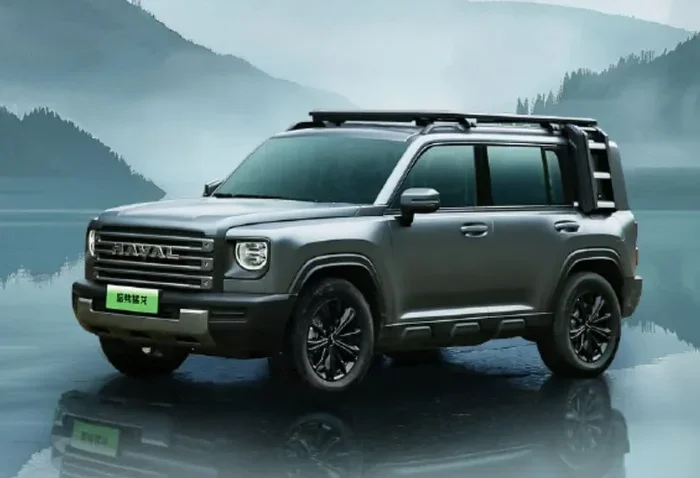
How Haval Handles Rough Roads Better Than You Think
How Haval Handles Rough Roads is a topic that surprises many drivers. Haval SUVs come packed with features designed to tackle bumpy terrain with ease. From advanced suspension systems to strong build quality, these vehicles are built to go where regular cars cannot. In this guide, we break down exactly why Haval performs so well on rough roads and what you should know before heading off the beaten path.
Key Takeaways
- Haval SUVs use advanced suspension systems that absorb bumps and keep rides smooth on rough terrain.
- Ground clearance and approach angles give Haval vehicles a real edge when driving on uneven surfaces.
- All-wheel drive and traction control help Haval cars maintain grip even on loose or slippery roads.
- Regular suspension maintenance keeps your Haval performing at its best on rough roads.
- Haval models like the H6 and Dargo are specifically designed with off-road capability in mind.
- Tire choice matters a lot for how well your Haval handles bumpy and uneven surfaces.
- Many owners report excellent rough road performance, often exceeding their expectations.
📑 Table of Contents
Why Haval SUVs Are Built for Tough Terrain
When you think about rough road driving, you probably picture big, bulky trucks. But Haval has changed the game. Their SUVs are designed to handle bumpy, uneven, and challenging surfaces with surprising ease. How Haval Handles Rough Roads is a question many drivers ask, and the answers might just impress you.
Haval is a brand that focuses on building vehicles for real-world conditions. Whether you are navigating a dirt trail or driving through a pothole-filled city street, these cars are ready. The engineering behind each model pays close attention to durability, comfort, and control. This means you do not need a massive truck to feel confident on tough terrain.
The brand has invested heavily in research and development. They study how drivers actually use their vehicles in different environments. This hands-on approach shows in every model they release. From the frame design to the smallest component, Haval thinks about rough roads at every stage.
One thing that stands out is how well these vehicles handle rough terrain driving. The suspension systems are tuned to absorb shocks without transferring too much vibration into the cabin. This keeps both the driver and passengers comfortable, even on long stretches of bad roads.
Rugged Frame and Build Quality
Haval vehicles use strong materials in their construction. The frames are designed to withstand stress and flex without breaking. This is a big reason why Haval vehicle performance remains consistent even on the worst roads.
The body panels are also built to handle impacts from rocks, debris, and uneven surfaces. Many models include underbody protection that shields critical components. This means your engine, transmission, and fuel tank stay safe when the road gets tough.
Here are some key build features that help Haval handle rough roads:
- High-strength steel frames that resist bending and deformation
- Reinforced suspension mounting points for better stability
- Underbody armor plating on select models
- Sealed electrical connections that resist moisture and dust
- Heavy-duty shock absorbers designed for extended use on rough surfaces
All of these elements work together to create a vehicle that feels planted and secure. You do not get that nervous feeling every time you hit a bump or pothole. The car stays composed and predictable, which builds driver confidence over time.
How Haval Handles Rough Roads Better Than You Think
Let us get into the heart of the topic. How Haval Handles Rough Roads comes down to a combination of smart engineering and practical design choices. The brand does not just throw money at the problem. They use proven technology and refine it for real-world driving conditions.
When you drive a Haval on a rough road, the first thing you notice is the smoothness. The ride quality is remarkably good for a vehicle that can handle such challenging surfaces. This is no accident. Engineers spent countless hours tuning the suspension to find the right balance between comfort and control.
The second thing you notice is the stability. Even when the road surface changes quickly, from smooth asphalt to gravel to mud, the Haval stays steady. The off-road suspension systems adjust to different terrains, helping the tires maintain contact with the ground as much as possible.
Ground Clearance and Approach Angles
One of the most important factors in rough road performance is ground clearance. Haval SUVs typically offer generous ground clearance compared to regular passenger cars. This means you can drive over rocks, ruts, and debris without scraping the bottom of your vehicle.
The approach and departure angles also play a big role. These angles determine how steep a slope or obstacle your vehicle can climb over without getting stuck. Haval models are designed with favorable approach angles that give them a real advantage on uneven terrain.
Here is a quick comparison of what makes Haval stand out on rough roads:
| Feature | Haval Advantage | Standard Car Limitation |
|---|---|---|
| Ground Clearance | Higher clearance for obstacle avoidance | Lower clearance, risk of undercarriage damage |
| Suspension Travel | Greater travel absorbs large bumps | Limited travel, harsher ride on rough surfaces |
| Approach Angle | Can tackle steeper inclines | Front bumper may scrape on steep slopes |
| Build Material | High-strength steel and protection | Lighter materials, less durability |
| Traction Systems | AWD and electronic aids | FWD only, limited grip on loose surfaces |
As you can see, Haval has a clear advantage in almost every category that matters for rough road driving. This is why so many owners trust their Haval vehicles for adventures off the main roads.
All-Wheel Drive and Traction Control
Haval offers all-wheel drive on many of their SUV models. This system sends power to all four wheels, which is essential when one or more tires lose grip. On loose gravel, wet mud, or sandy surfaces, AWD makes a huge difference.
The traction control systems in Haval vehicles are also very sophisticated. They monitor each wheel’s speed and adjust power delivery instantly. If one wheel starts to slip, the system redirects power to the wheels that still have grip. This happens so fast that you barely notice it happening.
Many drivers do not realize how much technology goes into handling rough roads. Electronic stability control, hill descent control, and torque vectoring all work together to keep the vehicle on track. These features are especially helpful when the road surface changes without warning.
If you are curious about fuel efficiency while tackling rough roads, you might also want to check out our guide on 1 litre petrol fuel efficiency to understand how rough terrain driving can affect your fuel consumption.
Real-World Performance on Rough Roads
Numbers and specifications only tell part of the story. What really matters is how a vehicle performs when you are actually on a rough road. And in this area, Haval has earned a strong reputation among drivers who regularly face challenging conditions.
Owners of Haval SUVs frequently mention how well their vehicles handle cracked roads, gravel paths, and muddy tracks. The combination of rugged build quality and smart suspension tuning creates a driving experience that feels both capable and comfortable.
Haval Models That Excel Off-Road
Not all Haval models are created equal when it comes to rough road handling. Some models are specifically designed with off-road capability in mind. Here are a few standout models:
- Haval H6 – One of the most popular SUVs globally, the H6 offers a well-balanced mix of on-road comfort and off-road capability. Its suspension is tuned to handle a variety of surfaces with ease.
- Haval Dargo – Named after the Australian outback word for “road,” the Dargo is purpose-built for rough terrain. It comes with enhanced suspension, underbody protection, and 4WD systems designed for serious off-road use.
- Haval Jolion – A more compact option, the Jolion still offers impressive rough road handling for its size. It is a great choice for drivers who want a smaller SUV that can still tackle challenging surfaces.
Each of these models brings something different to the table. The H6 is the all-rounder, the Dargo is the specialist, and the Jolion is the compact option. No matter which one you choose, you are getting a vehicle that can handle rough roads with confidence.
What Owners Say About Rough Road Handling
Owner feedback is one of the best indicators of real-world performance. Many Haval owners share stories of taking their vehicles on long off-road trips with no issues. The cars handle rocks, ruts, and steep inclines without complaint.
Common praise from owners includes:
- Smooth ride even on very bumpy roads
- Strong and reliable performance in remote areas
- Good fuel efficiency considering the rough road conditions
- Minimal wear and tear after extended off-road use
- Excellent visibility from the driver’s seat on uneven terrain
Of course, every vehicle has its limits. But owners consistently report that Haval SUVs exceed their expectations when it comes to rough road capability. The brand has built a loyal following among drivers who enjoy exploring less-traveled paths.
For more information on fuel economy during long drives, visit our page on 1 liter petrol distance to learn how different driving conditions impact your mileage.
Maintenance Tips for Better Rough Road Performance
Owning a Haval SUV for rough road driving comes with some maintenance responsibilities. The good news is that these are simple tasks that keep your vehicle in top shape. Regular care goes a long way toward ensuring your Haval continues to handle rough roads beautifully.
Suspension Care and Upkeep
The suspension system is the heart of your vehicle’s rough road performance. Shock absorbers and struts take a beating on bumpy roads. Over time, they can wear out and lose their effectiveness.
Here is what you should do to keep your suspension in great shape:
- Inspect shock absorbers regularly for leaks or damage
- Replace worn bushings that cause rattling or clunking noises
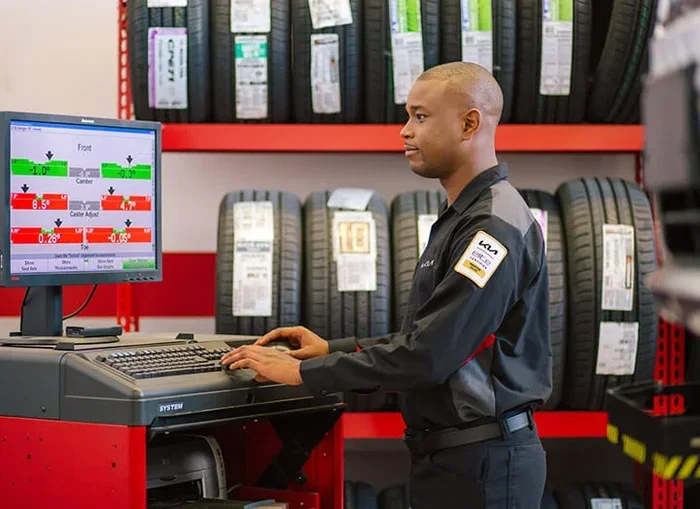
- Check alignment after rough trips to ensure even tire wear
- Lubricate suspension joints according to your service schedule
- Listen for unusual sounds when driving over bumps
Keeping your suspension properly maintained ensures that your Haval continues to absorb bumps effectively. A well-maintained suspension also improves fuel efficiency and tire life, which is a nice bonus.
Tire Selection Matters
Your tires are the only part of your vehicle that actually touches the road. On rough surfaces, the right tires make all the difference. All-terrain tires are a popular choice for Haval SUV owners who frequently drive on unpaved roads.
Consider these factors when choosing tires for rough road driving:
- Tread pattern – Look for aggressive tread that grips loose surfaces
- Tire width – Wider tires provide more stability on uneven ground
- Load rating – Make sure the tires can support your vehicle’s weight
- Tire pressure – Lower pressure slightly for better grip on soft surfaces
- Durability – Choose tires rated for both on-road and off-road use
Quick tip: Always carry a tire pressure gauge in your Haval. Being able to adjust your tire pressure on the go gives you a huge advantage when the road surface changes from hard-packed gravel to soft sand or mud.
Common Mistakes Drivers Make on Rough Roads
Even with a great vehicle like a Haval, drivers can make mistakes that reduce performance or cause damage. Knowing what to avoid is just as important as knowing what your vehicle can do.
Here are some common errors that drivers make when tackling rough roads:
- Driving too fast on unfamiliar terrain – Speed is the enemy of control on rough roads. Slow down and take your time to assess the surface ahead.
- Ignoring suspension warning signs – If your Haval starts bouncing more than usual or making new noises, get it checked immediately.
- Using the wrong tire pressure – Too much air reduces grip on loose surfaces. Too little air can cause overheating and damage.
- Overloading the vehicle – Extra weight puts more stress on the suspension and reduces handling capability on rough roads.
- Skipping regular maintenance – Rough road driving is harder on your vehicle. Stick to a more frequent service schedule if you regularly drive on bad roads.
Avoiding these mistakes will help your Haval perform at its best for years to come. The vehicles are tough, but they still need proper care and attention.
Expert Insight
Experienced off-road drivers recommend a simple rule: always scan the road ahead and adjust your speed accordingly. This single habit dramatically improves both safety and vehicle performance on rough terrain. Haval’s suspension and traction systems work best when given time to react to changing surfaces.
Final Thoughts on How Haval Handles Rough Roads
So, what is the final verdict on How Haval Handles Rough Roads? The evidence is clear. Haval SUVs are engineered with rough road performance in mind. From the strong frame and generous ground clearance to the advanced suspension and traction systems, every detail works together to deliver a confident and capable driving experience.
Whether you are an occasional off-road explorer or someone who regularly faces rough roads as part of your daily commute, a Haval SUV is a smart choice. The brand has proven time and again that its vehicles can handle tough conditions without compromising on comfort or reliability.
The key is to maintain your vehicle properly and choose the right tires for your driving conditions. With these basics in place, your Haval will continue to handle rough roads better than you might expect. The brand has created vehicles that truly stand up to real-world challenges, and that is something to appreciate.
Take the time to understand your vehicle’s capabilities. Push the boundaries a little, but always within safe limits. You will find that your Haval is more capable on rough roads than you ever thought possible.
Frequently Asked Questions
What makes Haval SUVs good on rough roads?
Haval SUVs are built with high-strength frames, advanced suspension systems, and generous ground clearance. These features work together to absorb bumps and maintain stability on uneven surfaces. The all-wheel drive and traction control systems also play a big role in keeping the vehicle gripped and controlled on rough terrain.
Which Haval model is best for off-road driving?
The Haval Dargo is specifically designed for off-road use with enhanced suspension and 4WD systems. The Haval H6 is a great all-rounder that handles rough roads well too. The Haval Jolion is a compact option that still offers impressive rough road capability for its size.
How often should I maintain my Haval’s suspension for rough road driving?
You should inspect your suspension every 10,000 to 15,000 kilometers if you regularly drive on rough roads. Shock absorbers and bushings wear faster under these conditions. Staying on top of maintenance keeps your Haval performing at its best and prevents costly repairs down the road.
Can I use my Haval for serious off-road adventures?
Yes, especially models like the Haval Dargo that are built with off-road capability in mind. These vehicles come with features like hill descent control and electronic stability control that make serious off-road adventures safer and more manageable. Just make sure your tires and suspension are in good condition before heading out.
Does rough road driving affect fuel efficiency in Haval vehicles?
Yes, rough road driving typically uses more fuel than smooth highway driving. The suspension and drivetrain work harder on uneven surfaces. If you are curious about fuel efficiency, you can learn more about how fuel consumption works on our page about 1 litre petrol how many km to understand the basics of fuel economy.
What tires are best for Haval SUVs on rough roads?
All-terrain tires are the best choice for most Haval SUV owners who drive on rough roads. They offer a good balance of on-road comfort and off-road grip. Look for tires with aggressive tread patterns and make sure to adjust your tire pressure based on the surface you are driving on for the best results.
=== CONCLUSION ===
How Haval Handles Rough Roads is a topic that deserves attention from any driver who regularly faces challenging road conditions. Haval has built a reputation for creating SUVs that are tough, capable, and surprisingly comfortable on rough terrain. The combination of strong build quality, advanced suspension, and smart traction systems sets these vehicles apart from the competition.
By following the maintenance tips and avoiding common mistakes outlined in this guide, you can get the most out of your Haval SUV. Keep your suspension in good shape, choose the right tires, and always drive at a safe speed on rough roads. These simple steps will keep your vehicle performing at its best for many years to come.
Remember, your Haval is more capable than you might think. Trust the engineering, take care of your vehicle, and enjoy the confidence that comes with knowing your car can handle whatever the road throws at you.