Is It OK to Drive With the EPB Light On Safety Guide
Driving with the EPB light on is not something you should ignore. The EPB light signals a problem with your electronic parking brake system that could affect your safety. This guide explains what the light means, common causes, whether it is safe to keep driving, and how to fix the issue quickly.
So you are driving along, and suddenly a yellow or red light pops up on your dashboard that says “EPB.” Your heart drops a little. Is this something to panic about? Can you just keep driving and deal with it later? The short answer is: it depends. But the longer answer is what this guide is all about.
The EPB light is one of those dashboard warnings that can mean very different things. Sometimes it is a minor glitch. Other times, it signals a real problem with your braking system. Either way, you need to pay attention. In this article, we will break down everything you need to know about driving with the EPB light on. We will cover what the light means, what causes it, whether it is safe to keep driving, and how to fix the problem. Let us get into it.
The electronic parking brake, or EPB, is a system found in most modern vehicles. It replaces the traditional lever-style handbrake with an electric switch or button. When you press the EPB button, a motor engages the rear brake calipers to hold the car in place when parked. It is convenient, compact, and works automatically in many cars.
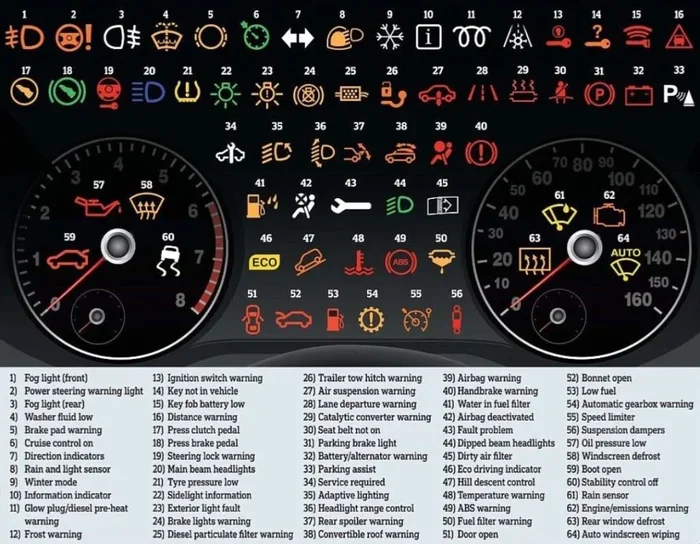
The EPB light on your dashboard is a warning indicator. It tells you that the system has detected something is not right. The light can show up as a “P” symbol with an exclamation mark, or it may simply say “EPB” in text. The color matters a lot too. A yellow or amber light usually means a non-critical issue. A red light means something is seriously wrong and you should stop driving immediately.
The EPB system connects to your car’s central computer. It shares data with other safety systems like the ABS and traction control. So when the EPB light comes on, it can sometimes affect how these other systems work. This is why understanding the root cause matters so much.
Now let us talk about the real question. Is it OK to drive with the EPB light on? The honest answer is: it depends on the situation and the cause.
If the light is amber and your car drives normally, you might be okay to drive a short distance. But you should head to a mechanic as soon as possible. If the light is red, or if you notice any changes in how your car brakes, you should pull over safely and get help.
Here are some scenarios to help you decide:
- Amber light, no other symptoms: You can drive carefully to a nearby shop.
- Amber light, grinding noise: Stop driving and call for roadside assistance.
- Red light, hard brake pedal: Do not drive. This is a serious safety risk.
- Light flickers on and off: Still get it checked, but short drives may be okay.
The key takeaway is that you should never ignore the EPB light. Even if your car seems to drive fine, the underlying issue could get worse. Brake problems are not something you want to put off.
Several things can trigger the EPB light on your dashboard. Let us go through the most common causes so you know what to look for.
One of the most frequent reasons is low brake fluid. Your EPB system relies on the same brake fluid that powers your regular brakes. When the fluid level drops, the system detects a problem and turns on the warning light. You can usually check the brake fluid reservoir under the hood. It is a small translucent container near the back of the engine bay.
A worn brake pad is another common culprit. When your brake pads get thin, sensors in the system can flag it as an issue. The EPB light may come on because the system detects uneven braking force or reduced braking efficiency.
A faulty EPB switch or motor can also trigger the light. The EPB button itself has a small motor inside that engages and releases the parking brake. Over time, this motor can wear out or get stuck. When that happens, the system throws a warning.
Sometimes the issue is a simple sensor problem. Your car has multiple sensors that monitor the brake system. A dirty or damaged sensor can send false signals to the computer, causing the EPB light to turn on even when nothing is actually wrong.
In rare cases, the problem is a wiring issue or a faulty control module. The EPB module is the brain of the system. If it gets a corrupted signal or loses power, the light will come on.
Let us compare the most common EPB light causes side by side. This table should help you understand what you might be dealing with.
| Cause | Severity | Can You Drive? | Fix Cost Range |
|---|---|---|---|
| Low brake fluid | Medium | Short distance only | $50-$200 |
| Worn brake pad | Medium | Short distance only | $100-$300 |
| Faulty EPB switch | Low to Medium | Yes, with caution | $150-$400 |
| Sensor malfunction | Low | Yes, but get it checked | $50-$200 |
| EPB module failure | High | No, do not drive | $300-$800 |
| Wiring issue | Medium | Get it towed | $100-$500 |
This table gives you a general idea. Actual costs and severity can vary depending on your vehicle model and where you live. Always consult a qualified mechanic for an accurate diagnosis.
Knowing when the EPB light is a true emergency can save your life. Here are some quick tips to help you assess the situation fast.
First, check for other warning lights on your dashboard. If the EPB light comes on along with the ABS light or the brake system warning, the problem is more serious. Multiple lights together mean your braking system is compromised.
Second, pay attention to how your car feels. Does the brake pedal feel spongy? Does the car pull to one side when braking? Do you hear grinding or squealing? Any of these signs mean you should stop driving and get help right away.
Third, check your brake fluid level if you can do so safely. Low fluid combined with the EPB light is a red flag that should not be ignored.
Fourth, try a simple reset. Sometimes the EPB light comes on due to a temporary glitch. Turn off the engine, wait 30 seconds, and restart the car. If the light goes away, it was likely a minor issue. But if it comes back, you have a real problem to address.
Fifth, always keep your vehicle maintenance records up to date. Regular brake inspections can catch problems before the EPB light ever comes on.
Even experienced car owners make mistakes when the EPB light shows up. Here are some common ones to avoid.
The biggest mistake is ignoring the light and hoping it goes away. The EPB light does not fix itself. If there is a real problem, it will only get worse over time. What starts as a small sensor issue can turn into a full brake system failure.
Another mistake is assuming it is just the parking brake. Many people think the EPB light means the parking brake is engaged. While that can be one cause, it is not the only one. The light can come on for many different reasons, and you need to investigate.
Some drivers try to drive long distances with the EPB light on. This is risky. You do not want to be stuck on a highway with failing brakes. Always play it safe and get the car checked.
A third common mistake is not checking the brake fluid. People forget that the EPB system shares components with the main braking system. Low brake fluid affects both systems, and the EPB light is often the first warning sign.
Expert mechanics agree on one thing: the EPB light should never be taken lightly. According to automotive professionals, most EPB-related issues start small and grow worse if not addressed. A simple sensor cleaning today can prevent a costly module replacement tomorrow.
One brake specialist shared this insight: “The EPB light is your car talking to you. When it speaks, you should listen. Most drivers wait until the problem becomes obvious, but by then the repair bill is much higher.”
Another expert recommends checking brake fluid levels monthly. This simple habit can catch low fluid early and prevent the EPB light from coming on in the first place.
Top mechanics also suggest using quality brake fluid that meets your vehicle’s specifications. Cheap or wrong fluid can cause sensor malfunctions and trigger the EPB light unnecessarily.
Here are some key takeaways to remember about the EPB light and driving safety.
- The EPB light is a warning from your car’s braking system. It tells you something needs attention.
- Amber lights are less urgent than red lights, but both should be checked promptly.
- Common causes include low brake fluid, worn brake pads, and faulty sensors.
- Short, careful drives may be safe depending on the cause, but get it fixed soon.
- Never ignore the EPB light. Brake problems can escalate quickly and become dangerous.
- Regular maintenance prevents most EPB issues. Stay on top of brake inspections and fluid checks.
- When in doubt, get professional help. A qualified mechanic can diagnose the exact cause and recommend the right fix.
The EPB light is not something you should fear, but it is also not something you should ignore. It is your car’s way of telling you that the electronic parking brake system needs attention. Whether the cause is simple or complex, addressing it quickly keeps you and others safe on the road.
Driving with the EPB light on can be safe in some cases, but it always carries risk. The best approach is to understand what the light means, act quickly, and get professional help when needed. Do not let a small warning turn into a big problem. Your brakes are the most important safety feature in your vehicle, and the EPB light is there to protect you.
If you have ever wondered “is it OK to drive with the EPB light on,” we hope this guide has given you the answers you need. Share this article with a friend who might benefit from it, and always remember: when it comes to brakes, it is better to be safe than sorry.
Key Takeaways
- The EPB light means your electronic parking brake system has detected a fault.
- Short distances at low speed may be safe depending on the cause, but you should get it checked soon.
- Common causes include low brake fluid, a faulty brake sensor, or a malfunctioning EPB module.
- Ignoring the light can lead to serious brake failure and expensive repairs down the road.
- You can try a few simple resets at home before visiting a mechanic.
- Always pair the EPB light with other dashboard warnings to assess the full picture.
FAQs
What does the EPB light look like on a dashboard?
The EPB light usually looks like a “P” inside a circle with an exclamation mark next to it. Some vehicles display the text “EPB” in yellow or red. Check your owner’s manual to see exactly what your car’s EPB warning light looks like.
Can low brake fluid cause the EPB light to come on?
Yes, low brake fluid is one of the most common reasons the EPB light turns on. The electronic parking brake system shares the brake fluid reservoir with your main braking system. When fluid drops, the system detects a problem and triggers the warning light.
Is it safe to drive long distances with the EPB light on?
No, it is not safe to drive long distances with the EPB light on. The light indicates a fault in the electronic parking brake system, which could affect your overall braking performance. Get the car inspected by a mechanic before taking any long trips.
How much does it cost to fix the EPB light issue?
The cost varies depending on the cause. Simple fixes like sensor cleaning or brake fluid top-off may cost $50 to $150. More complex repairs like replacing the EPB switch or module can range from $150 to $800. Always get a quote from a trusted mechanic before proceeding with repairs.
Can I reset the EPB light myself?
You can try a simple reset by turning off the engine, waiting 30 seconds, and restarting the car. If the light was caused by a temporary glitch, it may go away. However, if the light comes back, you have a real issue that needs professional diagnosis and repair.
What should I do if the EPB light comes on while driving?
Stay calm and pull over safely when you can. Check if the parking brake is fully released. Look for other warning lights on the dashboard. If the light is red or you notice any braking problems, do not continue driving. Call for roadside assistance or a tow truck.