How to Prevent a Car from Overheating in Summer Heat
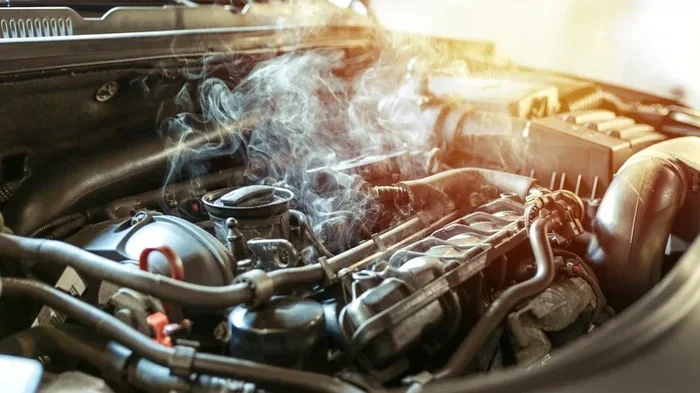
Hot weather can turn your engine into a ticking time bomb if you are not careful. This guide covers everything you need to know about how to prevent a car from overheating in summer with easy, actionable steps. You will learn to check coolant levels, maintain your cooling system, and adopt smart driving habits. These tips can save you from costly repairs and dangerous breakdowns. Stay cool on the road with these proven summer car care strategies.
Summer heat can push your car to its limits faster than you think. Every year, thousands of drivers face the nightmare of an overheating engine on a scorching road trip. The good news is that most overheating problems are completely preventable. With a little knowledge and a few simple habits, you can keep your car running smoothly all season long. In this guide, you will learn exactly how to prevent a car from overheating in summer using proven, easy-to-follow steps.
Your car’s engine cooling system works hard every single day. In summer heat, it works even harder. When temperatures climb outside, the coolant levels in your engine face extra stress. Rubber hoses can crack, thermostat valves can stick, and water pump belts can wear out faster than normal. All of these issues can lead to a temperature warning light on your dashboard. That is why summer car care is not just a luxury. It is a necessity for every vehicle owner.
Whether you drive a new sedan or an older SUV, this article has something for you. We will walk through the cooling system basics, share practical maintenance tips, and give you a clear action plan. You do not need to be a mechanic to understand what is going on under the hood. Let us dive in and make sure your car stays cool when the heat is on.
Key Takeaways
- Check coolant levels monthly: Low coolant is the number one cause of summer overheating.
- Inspect hoses and belts regularly: Cracked or loose parts fail fast in high heat.
- Watch your temperature gauge: Catching early warning signs saves your engine.
- Flush the cooling system every two years: Old coolant loses its effectiveness fast.
- Park smart in summer heat: Shade and cracked windows make a big difference.
- Know what to do when overheating starts: Quick action prevents total engine failure.
- Follow a summer car maintenance checklist: Prevention beats repair every time.
📑 Table of Contents
- Why Cars Overheat in Summer Heat
- Check Your Coolant System Regularly
- Keep Your Radiator and Fans in Top Shape
- Smart Driving Habits for Hot Weather
- What to Do When Your Car Starts Overheating
- Summer Car Maintenance Checklist
- Common Mistakes That Cause Summer Overheating
- Expert Insights on Beating the Heat
- Key Takeaways
- Conclusion
Why Cars Overheat in Summer Heat
Understanding the root cause of car overheating is the first step toward prevention. Your engine generates a massive amount of heat during normal operation. The cooling system handles this heat by circulating radiator fluid through the engine block. When something goes wrong in this process, temperatures rise fast.
The Role of Coolant in Engine Temperature Control
Coolant, also called antifreeze, is the lifeblood of your engine’s cooling system. It absorbs heat from the engine and carries it to the radiator, where it releases that heat into the air. In summer heat, this cycle becomes even more critical. When coolant levels drop too low, the engine has no way to release built-up heat. This leads to rapid temperature spikes and potential damage.
Old or contaminated radiator fluid also loses its ability to transfer heat efficiently. Over time, the fluid breaks down and becomes less effective. This is why checking your coolant is not just a winter task. It matters just as much during the hottest months of the year.
How Summer Heat Stresses Every Component
High temperatures affect every part of your car. The engine bay becomes an oven under direct sunlight. Hose clamps can loosen from repeated heat expansion. Rubber hoses become brittle and may crack or leak. The thermostat may stick open or closed, disrupting the flow of coolant. Even your air conditioning system adds extra load to the engine, generating additional heat.
During a heat wave driving situation, all of these problems compound at once. What might be a minor issue on a cool spring day can become a serious breakdown in July. This is exactly why summer preparation matters so much.
Check Your Coolant System Regularly
The coolant system is your engine’s first line of defense against overheating. Keeping it in top shape should be your top priority every summer. Here is how to do it right.
Monitor Coolant Levels Monthly
Make it a habit to check your coolant reservoir at least once a month during summer. The reservoir is the clear plastic tank connected to the radiator by a hose. It has minimum and maximum markers on the side. If the fluid level falls below the minimum line, add a 50/50 mix of coolant and distilled water.
Always check coolant levels when the engine is cold. Opening the radiator cap on a hot engine can cause serious burns from pressurized steam. Wait at least 30 minutes after driving before you check anything.
Know When to Flush the Cooling System
A cooling system flush removes old, contaminated fluid and replaces it with fresh radiator fluid. Most manufacturers recommend flushing the system every two years or 30,000 miles. In hot climates, you may want to do it more frequently.
Signs that your system needs a flush include:
- The coolant looks rusty or discolored
- You notice a sweet smell coming from the engine bay
- The heater does not blow hot air
- The temperature gauge fluctuates more than usual
Choose the Right Coolant for Your Vehicle
Not all coolants are the same. Different vehicles require different types of coolant. Check your owner’s manual to find the correct specification. Using the wrong type can cause corrosion and reduce the efficiency of your engine cooling system. When in doubt, ask your mechanic for the right product.
Keep Your Radiator and Fans in Top Shape
The radiator is the heart of your car’s cooling system. It releases heat from the coolant into the surrounding air. When the radiator is not working properly, your engine has no chance of staying cool in summer heat.
Inspect the Radiator for Leaks and Damage
Walk around the front of your car and look at the radiator closely. Check for any visible leaks, corrosion, or damaged fins. Even a small coolant leak can cause the system to lose pressure and overheat. If you see green, orange, or pink fluid pooling under your car, get it checked immediately.
Also inspect the radiator cap. This small part maintains the correct pressure in the system. A worn cap can cause the coolant to boil at a lower temperature, leading to overheating. Replace your radiator cap every two to three years as a simple preventive measure.
Test the Cooling Fans Properly
Your car’s cooling fans kick on when the engine reaches a certain temperature. They pull air through the radiator to help release heat. In stop-and-go summer traffic, fans work especially hard.
To test your fans, turn on the air conditioning. The fans should activate within a few minutes. If they do not, check the fan fuse and relay first. If those are fine, the fan motor may need replacement. Do not ignore a failing fan. It is one of the most common causes of overheating engine problems in city driving during summer.
Smart Driving Habits for Hot Weather
How you drive in summer heat matters just as much as how well you maintain your car. A few simple habit changes can dramatically reduce the risk of car overheating.
Parking Strategies That Reduce Engine Heat
Where you park can have a big impact on your engine temperature. Whenever possible, park in the shade or in a garage. Use a windshield sunshade to block heat from entering the cabin. Crack your windows slightly to allow hot air to escape.
These small steps reduce the overall heat load on your car. When you start driving, your engine bay is already cooler, which means the cooling system does not have to work as hard from the very beginning.
Avoid Overloading Your Vehicle
Carrying heavy loads forces your engine to work harder. This generates more heat. During summer, try to travel light when you can. Remove unnecessary items from your trunk and roof rack. Every extra pound adds stress to the engine, especially on hot days.
Use Your Air Conditioning Wisely
Your air conditioning system puts extra strain on the engine. On extremely hot days, the A/C compressor works harder, which adds heat to the engine bay. If you notice the temperature gauge creeping up on a scorching day, try turning off the A/C for a few minutes to let the engine recover.
You can also switch to the recirculate mode once the cabin is cool. This reduces the workload on the A/C system and helps keep the engine temperature stable.
Take Breaks on Long Road Trips
Extended driving in summer heat puts continuous stress on the coolant system. Stop every hour or two to let the engine cool down. This is especially important when driving through hot, rural areas where speeds are high and airflow may be limited.
Use these breaks to glance at your temperature gauge. If it is climbing higher than normal, pull over safely and let the car idle for a few minutes before continuing. A five-minute break can prevent a major breakdown.
What to Do When Your Car Starts Overheating
Even with the best preparation, overheating can still happen. Knowing what to do in the moment can make the difference between a minor inconvenience and a totaled engine.
Immediate Steps to Take
If the temperature warning light comes on or the gauge enters the red zone, act quickly. Here is what to do:
- Turn off the air conditioning immediately
- Turn the heater to maximum heat. This helps pull heat away from the engine
- Pull over to a safe location as soon as possible
- Turn off the engine and let the car idle for two to three minutes
- Do not open the radiator cap until the engine has cooled completely
These steps give your engine cooling system a chance to recover. The heater acts as an additional radiator, drawing excess heat out of the coolant and into the cabin.
When to Call for Emergency Roadside Help
Do not continue driving if the temperature gauge stays in the red after you have followed the steps above. Continuing to drive with an overheating engine can cause catastrophic damage. The head gasket can blow, the engine block can crack, or the pistons can seize.
Call for roadside assistance and wait for help. It is far cheaper to wait for a tow than to pay for a new engine. Keep a trusted towing service number saved in your phone before summer hits.
Summer Car Maintenance Checklist
A simple checklist keeps you on track all summer long. Here is a quick reference you can print out or save on your phone.
| Task | Frequency | Why It Matters |
|---|---|---|
| Check coolant levels | Monthly | Prevents low fluid from causing overheating |
| Inspect hoses and belts | Monthly | Catches cracks and wear before failure |
| Test cooling fans | Monthly | Ensures fans activate properly |
| Flush cooling system | Every 2 years | Removes old, contaminated coolant |
| Replace radiator cap | Every 2-3 years | Maintains proper system pressure |
| Check thermostat operation | Annually | Ensures proper coolant flow |
| Inspect water pump | Annually | Prevents pump failure in extreme heat |
| Clean radiator fins | Seasonally | Removes debris for better airflow |
Following this checklist takes less than an hour each month. It is one of the best investments you can make in your car’s long-term health.
Common Mistakes That Cause Summer Overheating
Many drivers unknowingly make habits that increase the risk of car overheating. Avoiding these mistakes alone can solve a lot of summer heat problems.
Mistake 1: Ignoring the temperature gauge. Many drivers treat the temperature gauge as background information. It is not. It is your earliest warning system. If you notice the needle creeping higher than normal, investigate immediately.
Mistake 2: Topping off coolant with water only. Water alone does not protect your engine the way proper coolant does. It has a lower boiling point and no anti-corrosion properties. Always use the correct coolant mixture.
Mistake 3: Skipping summer inspections. Some drivers only think about car maintenance in winter. Summer heat is just as demanding on your vehicle. Schedule a car maintenance summer checkup before the hottest months arrive.
Mistake 4: Driving with a stuck thermostat. A thermostat that is stuck closed prevents coolant from flowing to the radiator. This causes rapid overheating. If your temperature gauge fluctuates wildly, the thermostat may be the culprit.
Expert Insights on Beating the Heat
Experienced mechanics agree that most overheating issues come down to three things: neglected maintenance, old coolant, and ignored warning signs. Here are some professional tips that go beyond the basics.
Tip 1: Keep an extra bottle of coolant in your trunk. You never know when you might need a top-off on a long drive. Choose a pre-mixed coolant so you do not have to worry about dilution ratios.
Tip 2: Invest in a cooling system pressure tester. These affordable tools let you check for leaks in the system at home. They are especially useful for finding slow leaks that are hard to see visually.
Tip 3: Consider a high-performance radiator cap. Standard caps are rated for 13 to 16 PSI. Upgrading to a higher-rated cap raises the boiling point of the coolant, giving you extra protection in extreme heat.
Tip 4: Monitor your water pump for whining noises. A whining or grinding sound from the front of the engine often signals a failing water pump. Replace it early before it causes a complete cooling system failure.
Key Takeaways
- Check coolant levels monthly: Low coolant is the number one cause of summer overheating.
- Inspect hoses and belts regularly: Cracked or loose parts fail fast in high heat.
- Watch your temperature gauge: Catching early warning signs saves your engine.
- Flush the cooling system every two years: Old coolant loses its effectiveness fast.
- Park smart in summer heat: Shade and cracked windows make a big difference.
- Know what to do when overheating starts: Quick action prevents total engine failure.
- Follow a summer car maintenance checklist: Prevention beats repair every time.
Conclusion
How to prevent a car from overheating in summer comes down to preparation, awareness, and quick action. Your engine works hard during the hottest months of the year, and it deserves your attention and care. By checking your coolant levels, maintaining your engine cooling system, and adopting smart driving habits, you can avoid the stress and expense of an overheating engine.
Use the checklist and tips in this guide as your summer action plan. Start early before the first heat wave hits. Share this information with friends and family who drive older vehicles that may need extra attention. A few minutes of prevention today can save you hours of trouble tomorrow.
Stay cool, stay safe, and enjoy your summer drives with confidence. Your car will thank you for it.
Frequently Asked Questions
What causes a car to overheat in summer?
The most common causes are low coolant levels, a faulty thermostat, a failing water pump, or a broken radiator fan. Summer heat amplifies these problems because the engine cooling system is already under extra stress. Regular maintenance helps prevent all of these issues.
How often should I check my coolant in summer?
You should check your coolant levels at least once a month during summer. Also check before any long road trip. The coolant reservoir has clear minimum and maximum markers that make this quick and easy to do at home.
Can I use water instead of coolant in an emergency?
Water can work as a temporary solution if you are stranded and low on radiator fluid. However, water does not protect against corrosion and has a lower boiling point than proper coolant. Always top off with the correct coolant mixture as soon as possible and flush the system soon after.
How do I know if my thermostat is stuck?
A stuck thermostat often causes the temperature gauge to fluctuate erratically. The engine may heat up quickly and then cool down when the heater is turned on. If you notice these patterns, have a mechanic test the thermostat. Replacing a stuck thermostat is inexpensive and prevents major engine damage.
Is it safe to drive with the temperature gauge in the red?
No. Driving with the gauge in the red zone can cause severe engine damage within minutes. The head gasket can blow, the engine block can crack, or internal components can warp. Pull over safely, turn off the engine, and call for assistance if the gauge does not come down after a few minutes.
What is the best coolant for summer driving?
Use the type of coolant specified in your vehicle’s owner manual. Most modern cars use OAT (Organic Acid Technology) or HOAT (Hybrid Organic Acid Technology) coolants. These provide excellent heat protection and corrosion prevention. Always check the specification rather than buying based on color alone.