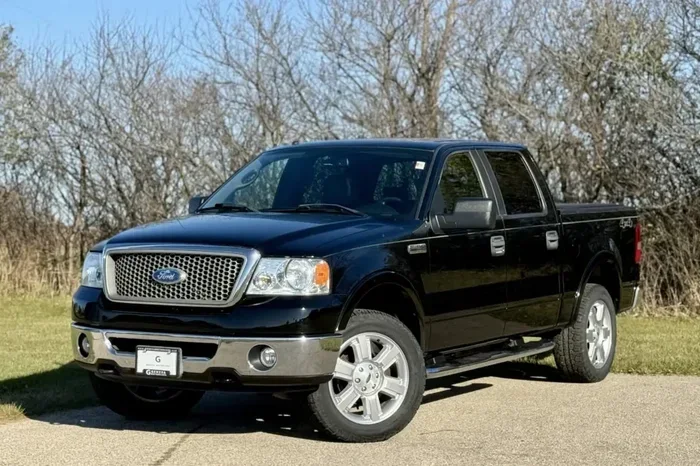
Are There Any Recalls on 2008 Ford F-150 – Full Guide
The 2008 Ford F-150 has had several recalls over the years, covering issues like faulty ignition switches, brake problems, and seat belt concerns. Knowing these recalls helps you stay safe and avoid costly repairs. Use your VIN number to check if your specific truck is affected, and always get recall repairs done for free at a Ford dealership.
Buying or owning a 2008 Ford F-150 comes with a lot of responsibility. This truck has been a workhorse on roads and job sites for years. But like any vehicle, it has its share of safety recall campaigns that every owner should know about. If you are wondering are there any recalls on 2008 Ford F-150, the short answer is yes. Several recall campaigns have targeted this model over the years. Understanding these recalls can keep you safe and save you money on expensive repairs.
The 2008 F-150 is a popular used pickup truck choice. It offers strong towing capacity, a rugged build, and a reputation for durability. But popularity does not mean perfection. Vehicle safety recalls happen when manufacturers find defects that could put drivers and passengers at risk. Ford has issued multiple recall notices for the 2008 F-150 covering everything from ignition systems to seat belt mechanisms. This guide breaks down every major recall, explains how to check if your truck is affected, and tells you exactly what steps to take next.
Whether you already own a 2008 Ford F-150 or are thinking about buying one used, this information matters. Ignoring a recall can lead to serious accidents, fines, or voided warranties. Recall repair is always free for the vehicle owner, so there is no reason to delay. Let us walk through everything you need to know about 2008 Ford F-150 recall issues in plain, simple terms.
Key Takeaways
- Multiple recalls exist: The 2008 F-150 has been subject to several safety recall campaigns addressing ignition, brakes, and seat belts.
- Free repairs are guaranteed: Ford must fix any recall-related issue at no cost to the owner, even for older models.
- VIN lookup is essential: Checking your vehicle identification number tells you exactly which recalls apply to your truck.
- Common problems include ignition switch failure and brake defects: These are serious safety concerns that need immediate attention.
- Used truck buyers should always check recall history: A clean recall record adds value and peace of mind.
- Stay proactive: Register your vehicle with Ford and sign up for NHTSA alerts to catch new recalls early.
📑 Table of Contents
- Understanding Vehicle Recalls and Why They Matter
- Major Recalls Affecting the 2008 Ford F-150
- How to Check If Your Truck Has an Active Recall
- Common Problems Owners Report Beyond Recalls
- Should You Buy a Used 2008 Ford F-150?
- What To Do If Your Truck Has an Active Recall
- Expert Tips for Staying on Top of Recalls
- Key Takeaways
Understanding Vehicle Recalls and Why They Matter
A vehicle recall is a manufacturer’s official notice that a part or system in your truck does not meet safety standards. Recalls are not optional. They are legally required when a defect is found that could cause harm. NHTSA, the National Highway Traffic Safety Administration, oversees all recall campaigns in the United States. Ford must report any safety defect to NHTSA and then notify affected owners.
When a recall campaign is issued, Ford provides the parts and labor for free. This means you do not pay a single dollar for the repair. Many owners worry that recalls only apply to new vehicles. That is not true. Recall repairs cover vehicles of any age. If your 2008 F-150 has an active recall, Ford is obligated to fix it. The process is straightforward, but you have to take the first step by checking your truck.
How Recalls Work in Practice
Here is how the recall process typically works for a Ford F-150 owner:
- Ford or NHTSA identifies a safety defect in the vehicle.
- A recall notice is sent to all registered owners of affected vehicles.
- The notice explains the problem and the potential risk.
- You bring your truck to an authorized Ford dealership.
- The dealership installs the fix at no cost to you.
Sometimes recalls are issued as a manufacturer notice before any injuries occur. Other times, the defect is discovered after reports of accidents or malfunctions. Either way, the goal is the same, keep drivers safe. Recalls on 2008 Ford F-150 models have covered a range of systems, and we will look at each one in detail below.
Major Recalls Affecting the 2008 Ford F-150
The 2008 F-150 has been subject to several significant recall campaigns. Each one addresses a specific safety defect. Below are the most important recalls that owners should know about. These are not minor issues. Each one has the potential to affect your safety on the road.
Ignition Switch Recall
One of the most serious 2008 Ford F-150 recall campaigns involved the ignition switch. In some vehicles, the ignition switch could move out of the run position while driving. This causes the engine to stall and disables power steering and power brakes. Loss of steering control at highway speeds is extremely dangerous.
Ford issued a recall to replace the faulty ignition switches with updated parts. This recall affected not just the F-150 but several other Ford models from that era. If your 2008 F-150 still has the original ignition switch and has not been repaired, get this fixed immediately. The repair is quick and completely free at any authorized Ford dealer.
Brake System Defects
Another important recall targeted the brake system on certain 2008 F-150 trucks. Some vehicles experienced premature brake wear or brake fluid leaks. Brake failure is one of the most serious safety risks any driver can face. The recall addressed issues with the brake master cylinder and related components.
Owners reported spongy brake pedals and reduced braking power in affected trucks. Ford addressed this through a recall campaign that included inspection and replacement of faulty brake components. If you notice any brake problems like grinding noises, soft pedals, or pulling to one side, have your truck checked right away.
Seat Belt and Pretensioner Issues
Seat belt recalls are always serious business. The 2008 F-150 had a recall related to seat belt pretensioners. These are the mechanisms that tighten the seat belt during a crash. In some trucks, the pretensioners could fail to deploy properly, reducing the protection they offer in a collision.
Ford replaced the faulty seat belt components as part of this recall campaign. This is one of those recalls where the fix is critical. Seat belts are your first line of defense in an accident. A malfunctioning seat belt system can mean the difference between a minor injury and a serious one. Make sure your 2008 F-150 has had this recall repair completed.
Fuel Tank and Electrical System Concerns
Some 2008 Ford F-150 models also had issues with the fuel tank and electrical wiring. Fuel leaks pose a fire risk, and electrical problems can cause intermittent failures in lighting, gauges, and other systems. Ford addressed these concerns through targeted recall campaigns.
Electrical system defects can be tricky to diagnose. Sometimes the problem is a loose connection, and other times it is a faulty wiring harness. Ford provided clear guidance to dealerships on how to identify and fix these issues. If your truck has electrical gremlins, it is worth checking the recall database to see if a campaign covers your specific problem.
How to Check If Your Truck Has an Active Recall
Knowing about recalls is one thing. Actually checking your truck is another. The good news is that the process is simple and free. You do not need to be a mechanic or a tech expert to find out if your 2008 Ford F-150 has any outstanding recalls.
Use Your VIN Number
Every vehicle has a unique vehicle identification number, or VIN. This 17-character code contains all the details about your truck, including its model year, manufacturing plant, and options. To check for recalls, you need your VIN. You can find it on the dashboard near the windshield or on the driver-side door jamb.
Once you have your VIN, visit the official Ford recall lookup tool on Ford’s website. Enter your VIN, and the system will show any active or completed recalls for your specific truck. This is the most accurate way to check because it accounts for your truck’s exact build and options.
Check NHTSA’s Database
Another reliable source is the NHTSA recall database. Go to the NHTSA website and search for “2008 Ford F-150.” The database lists all recall campaigns for that model year. You can filter by VIN to see which ones apply to your specific truck. NHTSA updates this database regularly, so check back often.
You can also call your local Ford dealership with your VIN. The service department can look up your truck and tell you about any open recalls. Many dealerships will even schedule the repair for you at no charge. This is the easiest option if you prefer a personal touch.
Register Your Vehicle with Ford
One step many owners skip is registering their vehicle with Ford. When you register, Ford has your current contact information on file. This means they can send you recall notices directly if a new campaign is issued. If you bought your 2008 F-150 used, the previous owner may not have updated their contact info. Take a few minutes to register your truck on Ford’s website. It could save you from missing an important safety notice.
Common Problems Owners Report Beyond Recalls
Recalls are not the only issues that affect the 2008 F-150. Many owners report common problems that are not covered by a formal recall but still affect the driving experience. Being aware of these issues helps you stay ahead of maintenance needs.
Transmission Issues
The 2008 F-150 uses either a manual or automatic transmission depending on the configuration. Some owners report rough shifting and transmission hesitation. Regular fluid changes can help prevent these problems. If you notice grinding or slipping gears, have a technician inspect the transmission early.
Rust and Corrosion
Like many trucks from this era, the 2008 F-150 can develop rust in certain areas. The undercarriage, wheel wells, and bed edges are common spots. Regular washing, especially in winter months when road salt is used, helps prevent corrosion. If you are buying a used 2008 F-150, inspect the undercarriage carefully for rust damage.
Lighting and Visibility
Headlight and taillight issues are common on older trucks. Bulbs burn out, and wiring can degrade over time. Some owners wonder about the difference between high beams and brights, and whether their 2008 F-150 has the right setup. For more information on this topic, check out our guide on are high beams and brights the same thing to understand your truck’s lighting system better.
Electrical Gremlins
Older trucks sometimes develop electrical issues that are hard to pin down. Dashboard lights flicker, power windows work intermittently, and the radio may cut out. These are often simple fixes, but they can be frustrating. A thorough electrical inspection by a qualified technician can identify the root cause.
Should You Buy a Used 2008 Ford F-150?
The 2008 Ford F-150 remains a popular choice in the used truck market. It offers solid towing capacity, a comfortable cabin, and strong resale value. But before you buy, you need to do your homework. Checking the recall history is one of the most important steps in the used truck buying process.
Start by getting a vehicle history report from services like Carfax or AutoCheck. These reports include recall information, accident history, and maintenance records. Next, have a trusted mechanic inspect the truck before you purchase. They can identify open recalls and flag any existing problems.
If you are concerned about the cost of buying a used truck and potential tax implications, you might want to learn more about vehicle tax deductions. For details, see our article on can I deduct vehicle sales tax on my federal return. Understanding the financial side of truck ownership helps you make a smarter purchase decision.
When buying a used F-150, pay attention to the maintenance history. A truck that has had all its recall repairs completed is in much better shape than one that has not. Ask the seller for proof of recall completion. If they cannot provide it, use the VIN to check yourself. Peace of mind is worth the extra effort.
What To Do If Your Truck Has an Active Recall
Finding an active recall on your 2008 Ford F-150 can feel stressful. But the fix is straightforward. Here is exactly what you should do:
- Call your local Ford dealership and provide your VIN. They will confirm the recall and schedule the repair.
- Do not delay. Recalls exist because of safety risks. The sooner you get the repair done, the safer you are.
- Bring your truck in for the repair. The dealership will fix the issue at no cost to you. This includes parts and labor.
- Keep records. Save the repair invoice and any paperwork from the recall campaign. These documents prove the work was done.
- Check for new recalls regularly. Even after one recall is fixed, new campaigns may be issued. Make checking for updates part of your routine maintenance.
Ford takes recall repairs seriously. Authorized dealerships are trained and equipped to handle every recall campaign. You do not need to go to a special shop or pay extra. The repair is your right as a vehicle owner. If a dealership tries to charge you for a recall repair, that is a violation of federal law. Report it to NHTSA.
Some owners worry that a recall will lower their truck’s value. In most cases, the opposite is true. A 2008 Ford F-150 with all recall repairs completed is more valuable than one with open recalls. Buyers and dealers prefer trucks with a clean history. Completing recalls shows that the owner has taken good care of the vehicle.
Expert Tips for Staying on Top of Recalls
Staying ahead of recalls does not have to be complicated. A few simple habits can keep you informed and safe:
- Sign up for NHTSA email alerts. The agency sends notifications when new recalls are issued for your vehicle.
- Check your VIN twice a year. A quick lookup every six months catches any new campaigns early.
- Keep your contact info updated with Ford. This ensures recall notices reach you directly.
- Follow Ford’s official channels. The Ford website and social media accounts share recall news as it happens.
- Talk to other F-150 owners. Online forums and communities share recall updates and repair tips. Learning from others’ experiences is invaluable.
For a broader perspective on vehicle safety and how different types of vehicles compare, you might enjoy reading about are hydrogen cars safe and the safety standards that apply across the auto industry. Understanding how safety evolves across vehicle types gives you a better sense of why recalls matter so much for your daily driver.
Key Takeaways
The 2008 Ford F-150 has had several important recall campaigns over the years. Ignition switch defects, brake issues, seat belt problems, and electrical concerns are among the most notable. Each of these recalls has a free fix available through Ford dealerships. The key is to stay proactive and check your truck regularly.
Using your VIN to look up recalls is the single most effective thing you can do. It takes just a few minutes and gives you a complete picture of your truck’s recall status. Combine this with regular maintenance and you will keep your 2008 F-150 running safely for years to come.
Remember, recall repairs are your right. Ford is legally required to fix them at no cost. Do not let anyone tell you otherwise. And if you are in the market for a used truck, always verify the recall history before you buy. A little due diligence goes a long way toward finding a reliable vehicle.
Owning a 2008 Ford F-150 is a great experience. These trucks are tough, capable, and built to last. By staying informed about recalls and taking quick action when needed, you protect yourself, your passengers, and your investment. Safety should always come first, and recalls are the system designed to make that happen.
Frequently Asked Questions
How do I find out if my 2008 Ford F-150 has an active recall?
You can check using your VIN number on Ford’s official recall lookup tool or the NHTSA website. Enter your 17-character VIN and the system will show any open or completed recalls for your specific truck. You can also call your local Ford dealership and provide your VIN for a quick check.
Are recall repairs free for older trucks like the 2008 F-150?
Yes, absolutely. Ford must provide recall repairs at no cost regardless of the vehicle’s age. This includes both parts and labor. If a dealership tries to charge you for a recall repair, that violates federal law, and you should report it to NHTSA.
What happens if I ignore a recall on my 2008 F-150?
Ignoring a recall puts you and your passengers at risk. The defect that triggered the recall exists for a reason, and driving an affected vehicle increases the chance of an accident. Additionally, unresolved recalls can affect your truck’s resale value and may cause issues during vehicle inspections.
Can I still drive my 2008 F-150 if it has an open recall?
In most cases, yes, you can still drive the truck. However, some recalls involve safety-critical issues like ignition failure or brake defects that make driving dangerous. Check the specific recall notice to understand the risk level. If the recall involves a serious safety concern, avoid driving the truck until the repair is completed.
How often should I check for new recalls on my F-150?
Checking twice a year is a good habit. Recalls can be issued years after a vehicle is sold. Sign up for NHTSA email alerts and keep your contact information updated with Ford so you receive notifications automatically when new campaigns are announced.
Will completing recalls improve my truck’s value?
Yes, completing all recall repairs makes your truck more attractive to buyers. A clean recall history shows that the vehicle has been well maintained. When selling your 2008 F-150, provide proof of completed recalls to build buyer confidence and support a stronger asking price.