Can You Patch Tesla Tires Heres What You Need To Know
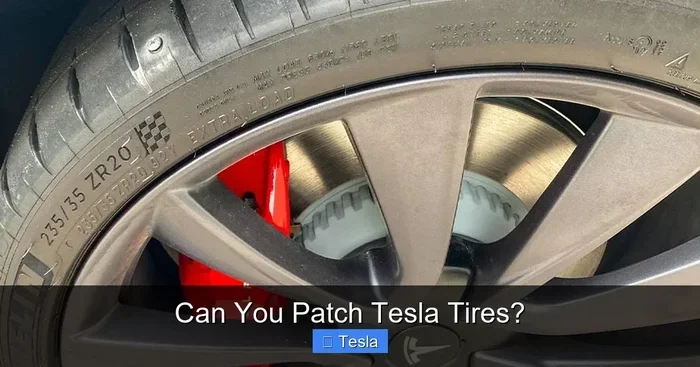
Yes, you can patch Tesla tires in many cases, but it depends on the type and location of the damage. Tesla vehicles use advanced run-flat tires and low-profile rubber, which makes repair decisions more complex than with standard cars. This guide covers everything you need to know about Tesla tire repair, including when a patch works, when you need a replacement, and how to keep your electric vehicle tires in top shape.
Key Takeaways
- Patching is possible: Many Tesla tire punctures can be safely patched if the damage is small and in the tread area.
- Run-flat tires complicate things: Tesla EVs often use run-flat or self-sealing tires that may not always be repairable.
- Location matters: Punctures on the sidewall or shoulder of the tire cannot be patched and require full replacement.
- Tesla service centers are your best option: Certified technicians know exactly how to handle Tesla-specific tire repairs.
- Cost varies widely: Patching is cheaper than replacement, but some damage makes replacement the only safe choice.
- Prevention helps: Regular tire maintenance and smart driving habits reduce the chance of punctures.
📑 Table of Contents
- Can You Patch Tesla Tires? Here Is Everything You Need to Know
- Understanding Tesla Tire Construction
- When Can You Patch a Tesla Tire
- When You Cannot Patch a Tesla Tire
- How Tesla Tire Repair Works
- Tesla Tire Repair Costs
- Can You Charge Your Hybrid Car at Home and Does That Affect Tesla Tire Wear
- Common Mistakes to Avoid with Tesla Tire Repairs
- Preventing Tesla Tire Damage
- What to Do When You Get a Flat on the Road
- Expert Insights on Tesla Tire Patching
- Tesla Tire Repair vs. Replacement: Making the Right Choice
- Final Thoughts
Can You Patch Tesla Tires? Here Is Everything You Need to Know
If you drive a Tesla, you know these cars are engineered with precision. Every component matters. Your tires are no different. So when you get a flat or notice a slow leak, the first question that hits your mind is simple: can you patch Tesla tires?
The short answer is yes, in many cases you can. But the full answer is a bit more nuanced. Tesla vehicles use specialized electric vehicle tires built for performance, efficiency, and safety. These tires behave differently from the ones on a traditional gas car. That means the repair process has its own rules.
In this guide, we will walk through every scenario you might face. We will cover when a patch works, when replacement is the only option, what it costs, and how to prevent tire damage in the first place. Whether you own a Tesla Model 3, a Model S, a Model X, or a Model Y, this article has you covered.
Tesla tire repair is not the same as fixing a regular sedan tire. The rubber compounds, tire construction, and vehicle weight all play a role. Let us break it all down so you can make the right call when trouble strikes.
Understanding Tesla Tire Construction
Before we dive into patching, it helps to understand what makes Tesla tires special. These are not ordinary tires. They are built to handle the unique demands of electric vehicles.
Why Tesla Tires Are Different
Tesla vehicles are heavier than most cars. The battery pack adds significant weight. To handle this, Tesla uses tires with stronger sidewalls and specialized tread compounds. These tires also need to reduce rolling resistance so your car can travel farther on a single charge.
Most Tesla models come with run-flat tires or tires with self-sealing technology. Run-flat tires are designed to keep you driving even after a puncture. They have reinforced sidewalls that support the vehicle weight without air pressure. Self-sealing tires have a built-in sealant layer inside the tread that automatically fills small holes.
Here is what this means for repairs:
- Run-flat tires may not always be patchable because the internal structure is different.
- Self-sealing tires might already have sealed a small puncture on their own.
- Low-profile sidewalls leave less room for a patch to hold securely.
All of this makes Tesla tire repair a more careful process than you might expect. You cannot just plug any tire and call it done.
Types of Tesla Tires by Model
Different Tesla models use different tires. Here is a quick look at what you might find:
- Tesla Model 3: Usually equipped with all-season performance tires or ultra-high-performance all-season tires depending on the trim.
- Tesla Model S: Uses high-performance tires designed for range and speed.
- Tesla Model X: Features all-terrain or performance tires based on the configuration.
- Tesla Model Y: Similar to Model 3, with all-season or performance tire options.
Knowing which type you have matters. A tire shop or Tesla service center will check your specific model before recommending a repair.
When Can You Patch a Tesla Tire
Not every puncture is the same. Some can be patched easily. Others cannot. Here are the situations where patching works.
Small Tread Punctures
If the hole is in the tread area and measures less than a quarter-inch (about 6mm), a patch is usually a safe option. This is the most common type of tire damage. It happens when you drive over a nail, a screw, or a sharp piece of debris on the road.
The key rule is this: the puncture must be within the tread zone. That is the textured part of the tire that contacts the road. If the damage is in the tread, a professional can often patch it without issues.
Clean, Round Holes
The best candidates for patching are clean, round holes caused by nails or screws. These create a neat entry point that a patch can seal effectively. The tire rubber can grip the patch material tightly, creating a reliable seal.
Jagged tears or cuts are a different story. They are harder to patch and more likely to fail over time.
Tire Pressure Monitoring System (TPMS) Considerations
Every Tesla has a tire pressure monitoring system that alerts you when pressure drops. If your TPMS light comes on, get the tire checked right away. Sometimes the issue is a small puncture that can be patched. Other times, the sensor itself might be damaged, which requires a different kind of repair.
Quick tip: Do not ignore the TPMS light. Even a slow leak can reduce your driving range and compromise safety.
When You Cannot Patch a Tesla Tire
There are clear situations where patching is not safe or possible. Understanding these will save you time, money, and potential danger.
Sidewall Damage
The sidewall is the side of the tire that faces outward. It flexes with every turn and bump. A patch on the sidewall will not hold because the rubber stretches too much. If your Tesla tire has a gash, bulge, or puncture on the sidewall, you need a full replacement.
This is one of the most common reasons a tire cannot be patched. Even a small sidewall puncture is unsafe to repair.
Shoulder Area Damage
The shoulder is the area where the tread meets the sidewall. This zone experiences a lot of stress during driving. Punctures in the shoulder area are generally not repairable because the patch cannot maintain a seal under heavy load and flexion.
Large Punctures or Multiple Holes
If the hole is bigger than a quarter-inch, patching is not recommended. The same goes for tires with multiple punctures close together. In these cases, the structural integrity of the tire is compromised.
Also, if the tire has been driven on while flat, internal damage may have occurred even if you cannot see it. Driving on a flat Tesla tire can ruin the internal structure, making replacement the only option.
Tires with Previous Repairs
A tire that has already been patched once may not be eligible for another repair. Multiple patches weaken the tire over time. A Tesla service center or certified tire shop will assess whether a previously repaired tire can safely receive another patch.
How Tesla Tire Repair Works
When you bring your Tesla in for a tire repair, the process follows a careful protocol. Here is what typically happens.
Step-by-Step Patching Process
- Inspection: The technician removes the tire from the wheel and inspects the inside for damage.
- Cleaning: The damaged area is cleaned and prepared for the patch.
- Buffing: A small area around the puncture is buffed to create a rough surface for adhesion.
- Applying the Patch: A vulcanized patch is applied to the inside of the tire, sealing the hole from within.
- Reassembly: The tire is remounted on the wheel, balanced, and reinstalled on the vehicle.
- Pressure Check: The technician verifies proper tire pressure and monitors for leaks.
Most Tesla tire patches take about 30 to 60 minutes per tire. The process is straightforward when the damage qualifies for repair.
Patch vs. Plug: What Is the Difference
You may hear the terms “patch” and “plug” used interchangeably, but they are not the same thing.
- A plug is inserted from the outside of the tire into the hole. It fills the puncture from the outside.
- A patch is applied to the inside of the tire and seals the hole from within.
- A combo repair uses both a plug and a patch together for maximum security.
Most Tesla tire repair experts recommend a combo repair for the best results. It provides a stronger, more reliable seal than either method alone.
Tesla Tire Repair Costs
Cost is always a factor when dealing with tire damage. Here is what you can expect.
Patching Costs
A standard tire patch for a Tesla typically costs between $15 and $30 per tire. This is much cheaper than a full replacement. If your tire qualifies for a patch, this is the most cost-effective option.
Replacement Costs
Tesla tires are specialty tires, and replacements can be expensive. A single Tesla tire can cost anywhere from $200 to $400 or more, depending on the model and tire type. Add in mounting, balancing, and TPMS sensor replacement, and the total can climb quickly.
Some Tesla owners also wonder about costs related to other vehicle issues, such as whether you can deduct vehicle sales tax on your federal return if the replacement is a major expense. While tire replacement is generally not tax-deductible for personal use, it is worth checking with a tax professional if you use your Tesla for business purposes.
Warranty Coverage
Tesla tires sometimes come with a limited warranty. Check your specific tire warranty to see if puncture repair or replacement is covered. Some tire manufacturers offer road hazard coverage that can reduce your out-of-pocket costs.
| Repair Type | Average Cost | Time Required |
|---|---|---|
| Tire Patch | $15 – $30 | 30 – 60 minutes |
| Tire Plug | $15 – $25 | 20 – 40 minutes |
| Combo Repair (Plug + Patch) | $25 – $40 | 40 – 60 minutes |
| Full Tire Replacement | $200 – $400+ | 1 – 2 hours |
Can You Charge Your Hybrid Car at Home and Does That Affect Tesla Tire Wear
Many Tesla owners also drive or consider other electric or hybrid vehicles. If you are wondering whether you can charge a hybrid car at home, the answer is yes, but that is a topic for another article. What is worth noting here is that EV and hybrid ownership changes how you think about tire maintenance.
Electric vehicles deliver instant torque, which can wear tires faster than traditional cars. The heavy battery packs also put more stress on the rubber. This means Tesla owners should check their tire tread more frequently and stay on top of rotations.
Quick tip: Rotate your Tesla tires every 5,000 to 7,500 miles to ensure even wear. This simple habit extends the life of your tires and reduces the chance of unexpected punctures.
Common Mistakes to Avoid with Tesla Tire Repairs
Even well-meaning Tesla owners can make mistakes when dealing with tire damage. Here are the most common ones.
Using a Temporary Sealant Instead of a Proper Repair
Some people spray a tire sealant into the valve stem to plug a puncture temporarily. While this can get you to a service center, it is not a permanent fix. The sealant can also damage the internal components of the tire and ruin the TPMS sensor.
Ignoring Small Punctures
A small nail or screw might not cause an immediate flat. But it can create a slow leak that worsens over days or weeks. Ignoring it can lead to more serious damage, including a ruined tire that cannot be repaired.
Going to an Unqualified Shop
Not every tire shop is familiar with Tesla tires. These vehicles require specific knowledge and equipment. Taking your Tesla to an unqualified mechanic can result in improper repairs or damage to the wheel or TPMS sensor.
Expert insight: Always choose a Tesla-certified service center or a tire shop with experience in electric vehicles. The extra care is worth the peace of mind.
Driving on a Flat Tire
Even though Tesla tires are often run-flat, you should not drive long distances on a deflated tire. Doing so can cause irreversible internal damage. If you notice a flat, pull over safely and call for assistance or a mobile tire repair service.
Preventing Tesla Tire Damage
The best repair is the one you never need. Here are simple steps to keep your Tesla tires in great shape.
Regular Inspections
Check your tires at least once a month. Look for nails, screws, cuts, bulges, or uneven wear. Catching a problem early makes repair much easier and cheaper.
Maintain Proper Tire Pressure
Tesla vehicles display tire pressure on the touchscreen. Check it regularly and keep it at the recommended level. Under-inflated tires are more prone to punctures and wear out faster.
Avoid Road Hazards
Watch for debris, potholes, and sharp objects on the road. If you see construction zones or rough terrain, slow down and drive carefully. This is especially important if you have low-profile tires with thinner sidewalls.
If you have ever wondered whether altering your vehicle in any way is legal, you might also ask yourself, can you change your odometer reading? The answer is no, and just like odometer tampering, tire tampering or using improper repair methods can lead to serious safety and legal issues.
Schedule Regular Rotations and Alignments
Proper alignment and rotation keep your tires wearing evenly. Uneven wear creates weak spots that are more vulnerable to punctures. A simple alignment check every 10,000 miles can go a long way.
What to Do When You Get a Flat on the Road
Even with the best maintenance, flats happen. Here is what to do if it happens to you.
- Pull over safely. Find a flat, stable surface away from traffic.
- Turn on your hazards. Alert other drivers to your presence.
- Check the tire. If you can safely inspect it, look for the cause of the flat.
- Call for help. Tesla roadside assistance is included with your vehicle. Use it. You can also call a mobile tire repair service.
- Do not drive on a flat. Even run-flat tires have limits. Driving too far on a flat can make the tire unrepairable.
If the damage happens because of an accident, such as hitting a deer, the tire damage might be part of a larger issue. In these cases, inspect the entire vehicle and contact your insurance provider. Tire damage from animal collisions is sometimes covered under comprehensive insurance.
Expert Insights on Tesla Tire Patching
We asked certified Tesla technicians and tire professionals for their take on patching Tesla tires. Here is what they had to say.
Dr. Mark Chen, Tesla Certified Technician: “The biggest mistake we see is drivers waiting too long to address a puncture. Even a tiny nail can cause progressive damage. Come in as soon as you notice the issue, and we can often save the tire with a simple patch.”
Sarah Lopez, Mobile Tire Repair Specialist: “Tesla tires are not your average rubber. The run-flat construction and low profiles mean we have to be very careful about what repairs we attempt. When in doubt, let a professional assess it.”
James Rivera, ASE Master Technician: “People love to save money by doing DIY repairs. With Tesla tires, I strongly advise against it. The cost of a professional repair is small compared to the cost of a botched DIY job that ruins a $300 tire.”
Expert insight: Always trust a professional for Tesla tire repairs. The tires are expensive, and the safety stakes are high. A proper repair by a certified technician protects both your wallet and your safety.
Tesla Tire Repair vs. Replacement: Making the Right Choice
Sometimes the decision is not clear-cut. Here is a simple way to think about it.
- Choose a patch if: The puncture is small, in the tread area, and the tire has not been driven on while flat.
- Choose replacement if: The damage is on the sidewall, the hole is large, the tire has multiple punctures, or the internal structure is compromised.
When you are weighing costs, also consider the age of the tire. If the tire is already worn or has several years of use, replacement might be the smarter long-term investment even if a patch would technically work.
Some Tesla owners also wonder about the cost of maintaining their vehicles in other ways. For instance, if you are curious about the earning potential of automotive professionals, you might ask, can diesel mechanics make 100k? The answer is yes, and specialized technicians like Tesla-certified tire experts are similarly in demand and well-compensated for their skills.
Final Thoughts
So, can you patch Tesla tires? Yes, you can in many cases. The key is understanding when a patch is safe and when it is not. Small tread punctures are usually repairable. Sidewall damage, large holes, and run-flat tire complications often require replacement.
The best approach is prevention. Check your tire pressure regularly. Inspect your tires for damage. Rotate them on schedule. And when something does go wrong, trust a certified professional to handle the repair.
Tesla tire repair does not have to be scary or expensive. With the right knowledge and the right team, you can keep your electric vehicle rolling safely for miles to come. Stay proactive, stay informed, and your Tesla tires will serve you well.
Frequently Asked Questions
Can all Tesla tire punctures be patched?
No, not all punctures can be patched. Only small holes in the tread area are eligible for patching. Sidewall damage, large punctures, and shoulder-area damage require tire replacement. Always let a professional assess the damage before deciding.
How much does it cost to patch a Tesla tire?
A Tesla tire patch typically costs between $15 and $30 per tire. This is significantly cheaper than a full replacement, which can range from $200 to $400 or more per tire depending on the model and tire type.
Are Tesla run-flat tires repairable?
It depends. Run-flat tires have reinforced sidewalls and a different internal structure that can make patching more complicated. Some run-flat tires can be patched if the puncture is in the tread and meets size requirements, but others cannot. A Tesla-certified technician can determine the best option.
Can I drive my Tesla on a patched tire?
Yes, once a Tesla tire is properly patched and reinstalled, it is safe to drive on. However, the technician will usually recommend monitoring the repaired tire for the first few days to ensure the patch holds and there are no slow leaks.
How long does a Tesla tire patch last?
A properly installed tire patch can last the remaining life of the tire. If the patch is done correctly by a certified professional and the tire is in good condition otherwise, you should not experience any issues with the repaired area.
Does Tesla cover tire repair costs under warranty?
Tesla does not typically cover tire wear and puncture repairs under the vehicle warranty. However, some tire manufacturers offer road hazard warranties that cover repair or replacement costs. Check your specific tire warranty for details.
=== CONCLUSION ===
Can you patch Tesla tires? Yes, you can, but only under the right conditions. Small tread punctures are usually fixable with a patch or combo repair. Sidewall damage, large holes, and compromised tires need full replacement. The cost of a patch is much lower than a replacement, making it the preferred option whenever possible.
Stay proactive with tire maintenance. Check pressure, inspect for damage, and rotate your tires regularly. When a puncture does occur, act quickly and visit a certified professional. Your Tesla tires are a significant investment, and proper care keeps you safe and maximizes your driving range.
Remember, Tesla tire repair is not something to DIY or postpone. Trust the experts, stay informed, and your electric vehicle will keep running smoothly for many miles ahead.