Can a Ford F-150 Pull a Gooseneck Horse Trailer Easily
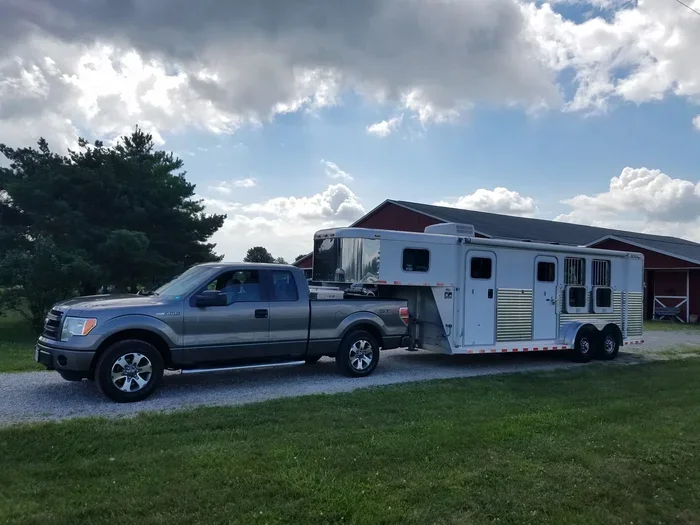
Yes, a Ford F-150 can pull a gooseneck horse trailer, but it depends on your specific model, engine, and setup. The Ford F-150 towing capacity ranges from about 5,000 to 14,000 pounds, which covers most standard horse trailers. You need the right gooseneck hitch, proper weight distribution, and a solid understanding of your truck’s limits to tow safely and confidently.
Many horse owners wonder whether their Ford F-150 can handle the demands of pulling a gooseneck horse trailer. The short answer is yes. The Ford F-150 is one of the most popular trucks in America, and it has the muscle to tow a gooseneck trailer with real confidence. But not every F-150 is created equal. Your specific model, engine choice, and setup all play a big role in how well your truck performs when towing.
In this guide, we walk you through everything you need to know about towing a horse trailer with a Ford F-150. We cover towing capacity, hitch types, safety tips, and common mistakes. Whether you are a seasoned trail rider or just getting started, this article gives you the tools to tow safely and smartly. Let us break it all down for you.
Before you hitch up and hit the road, make sure you understand your truck’s limits. Towing a heavy load requires preparation, the right equipment, and respect for the physics involved. A gooseneck horse trailer is a significant investment, and your truck needs to match that investment. The good news is that the F-150 lineup has options for nearly every towing need, from light-duty hauling to heavy-duty horse transport.
Key Takeaways
- Ford F-150 Can Tow a Gooseneck Trailer: With the right configuration, the F-150 handles gooseneck horse trailers with ease and reliability.
- Check Your Towing Capacity: Not all F-150 models have the same towing limits. Know your truck’s specific numbers before you buy a trailer.
- Gooseneck Hitch Installation Matters: A proper hitch setup is essential for safe and stable towing on the road.
- Weight Distribution Is Critical: Balance your trailer load to prevent sway and improve overall control while driving.
- Safety Equipment Is a Must: Trailer brakes, towing mirrors, and sway control systems keep you and your horses safe on every trip.
📑 Table of Contents
Can a Ford F-150 Pull a Gooseneck Horse Trailer?
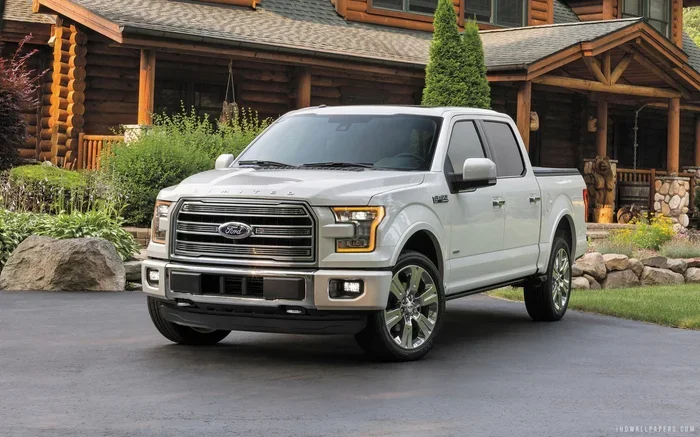
The Ford F-150 has been a workhorse for decades. It is built for hauling, towing, and tough daily jobs. When it comes to pulling a gooseneck horse trailer, the F-150 can absolutely do the job. But there are important details you need to understand before you commit to a specific setup.
The towing capacity of the F-150 varies by model year, engine type, and configuration. A base model with the standard V6 engine may offer around 5,000 to 7,000 pounds of towing capacity. That is enough for a lightweight single-horse trailer. But if you plan to pull a larger gooseneck trailer with multiple horses, you need a more powerful engine option. The Ford F-150 towing capacity climbs significantly with the EcoBoost V6 or the V8 engine choices.
Here is a quick look at what different F-150 configurations can handle when towing a gooseneck trailer:
| Engine Option | Approximate Towing Capacity | Best For |
|---|---|---|
| 3.3L V6 (Base) | 5,000–7,000 lbs | Light single-horse trailers |
| 2.7L EcoBoost V6 | 12,000–13,000 lbs | Mid-size gooseneck trailers |
| 3.5L EcoBoost V6 | 13,000–14,000 lbs | Heavy gooseneck setups |
| 5.0L V8 | 13,000–14,000 lbs | Maximum towing power |
Most standard gooseneck horse trailers weigh between 6,000 and 12,000 pounds when loaded with one or two horses. So the EcoBoost and V8 models handle the job very well. The base V6 may struggle with heavier setups. Always check your owner’s manual for the exact towing numbers for your specific year and trim level.
Understanding the Ford F-150 Towing Capacity
Towing capacity is not just about the engine. It also depends on your truck’s suspension system, frame strength, and axle ratio. The Ford F-150 towing capacity is rated by Ford engineers based on a fully configured truck with all the recommended towing equipment. If you add extras like a bed liner, tonneau cover, or extra accessories, your actual capacity may drop slightly.
Gooseneck trailers also place the hitch weight over the rear axle, which changes how the truck handles compared to bumper-pull trailers. This is why knowing your truck’s payload capacity matters just as much as its towing number. The payload is the total weight your truck can carry in the bed and on the hitch combined. A heavy gooseneck hitch can add 2,000 or more pounds to your rear axle, which eats into your available payload.
When comparing gooseneck vs bumper pull setups, the gooseneck offers better stability and maneuverability. The hitch point is closer to the rear axle, which reduces the leverage effect on the truck. This means better handling, especially when driving with a loaded trailer on highways and curvy roads. Many horse owners prefer the gooseneck setup for this reason alone.
What Kind of Gooseneck Hitch Do You Need?
A gooseneck hitch sits in the bed of the truck, right over the rear axle. This placement gives better stability and turning radius than a bumper-pull setup. There are several types of gooseneck hitches to choose from, and picking the right one makes a big difference in your towing experience.
Standard Gooseneck Hitch: This is the most basic type. It is a simple ball mount that fits into a hole in the truck bed. It works well for lighter trailers and is easy to install. If you have a lightweight single-horse trailer, this may be all you need for your horse trailer towing setup.
Adjustable Gooseneck Hitch: This type lets you move the ball side to side to align with the trailer coupler. It is great for different trailer widths and makes it easier to line up the trailer when backing up. Many horse owners prefer this option for its versatility and ease of use.
Slider Gooseneck Hitch: This hitch slides forward and backward in the bed. It is essential for tall trailers that would otherwise hit the truck cab when turning. If your gooseneck trailer stands tall, a slider hitch is almost a must-have for safe and comfortable towing.
Make sure your hitch is rated for the weight of your trailer. Using an underpowered hitch is one of the fastest ways to create a dangerous situation on the road. Always check the hitch rating against your trailer’s horse trailer weight before you buy. When in doubt, go with a higher-rated hitch for a safety margin.
Expert Insight: Gooseneck Towing Best Practices
Experienced towers recommend always doing a weight calculation before every trip. Weigh your truck on a public scale, then weigh it again with the trailer attached. This gives you the exact hitch weight and total combined weight. Many truck stops and weigh stations offer this service for a small fee. It is one of the best habits you can build for safe and legal towing.
Another expert tip: break in your trailer tires before a long trip. New trailer tires have a release agent on the tread that reduces grip. Drive the first 50 to 100 miles carefully to scuff off this layer and get the tires gripping properly. This simple step can prevent a tire failure on the highway.
Choosing the Right F-150 Model for Towing
Not all F-150s are built the same. If you are serious about horse trailer towing, you want a model that gives you the best combination of power, payload, and durability. Here is what to look for when choosing your truck for a gooseneck setup.
Engine Options and Towing Power
The engine is the heart of your towing setup. The Ford F-150 offers several engine choices, and each one delivers different towing performance. Here is a closer look at your options:
- 3.3L Ti-VCT V6: A solid everyday engine. It is good for light towing and daily commuting. It is not ideal for heavy gooseneck trailers, but it works fine for a small single-horse setup.
- 2.7L EcoBoost V6: A turbocharged powerhouse that delivers strong torque at low RPMs. This is exactly what you want when pulling a heavy load. It offers a great balance of power and fuel efficiency for the work truck.
- 3.5L EcoBoost V6: The towing king of the F-150 lineup. It can handle the heaviest gooseneck setups with ease. If you tow frequently or haul multiple horses, this is the engine to choose for the best F-150 engine power.
- 5.0L V8: A traditional big-block option that offers reliable and consistent towing power. It is a great choice for those who prefer a naturally aspirated engine and proven durability.
If you plan to tow regularly, the 3.5L EcoBoost or 5.0L V8 are your best bets. These engines give you the torque and endurance needed for long hauls with a loaded horse trailer. They also handle steep grades and mountain roads with confidence and ease.
Payload vs Towing: What Matters More?
People often confuse towing capacity with payload capacity. They are two different numbers, and both matter when you are towing a gooseneck trailer. Payload capacity is how much weight your truck can carry in the bed and on the hitch combined. Towing capacity is how much weight the truck can pull behind it on the trailer.
When towing a gooseneck trailer, both numbers matter at the same time. The hitch weight of your trailer sits on the truck bed, which counts against your payload. If your trailer has a hitch weight of 2,000 pounds and your truck can only carry 1,800 pounds in the bed and hitch area, you have a problem. You need to balance both numbers carefully before you load up your trailer.
Here is a simple way to think about it: your truck’s payload capacity minus the hitch weight of your trailer must equal a positive number. If it does not, you are overloading the truck. Always do the math before you buy a trailer. This one step prevents many towing problems down the road.
Also, if you are buying a new truck for towing, you may want to check if you can deduct vehicle sales tax on your federal return. Depending on your state and tax situation, purchasing a heavy-duty truck for towing purposes could qualify for a tax deduction. It is worth checking with a tax professional to see if this applies to your situation and saves you money.
Setting Up Your F-150 for Gooseneck Towing
A truck is only as good as its setup. Even the most powerful Ford F-150 will struggle if the hitch is installed wrong or the load is unbalanced. Take the time to set up your truck properly before every trip. A good setup makes a huge difference in safety, handling, and peace of mind on the road.
Hitch Installation and Weight Distribution
The gooseneck hitch should be installed according to the manufacturer’s instructions to the letter. Use the right bolts, torque settings, and mounting hardware for your specific truck bed. A loose hitch is a serious safety hazard that can cause the trailer to separate from the truck while driving. After installation, have a qualified technician check the setup or follow the guide step by step.
Weight distribution is equally important for a safe and stable tow. The horse trailer should be loaded so that about 60% of the weight is ahead of the axle and 40% is behind. This keeps the trailer stable and reduces the chance of trailer sway. Place heavier tack bags, feed bins, and water tanks toward the front of the trailer for the best balance and control.
Make sure the gooseneck ball is the correct size for your trailer coupler. A 2-5/16-inch ball is standard for most gooseneck horse trailers. Using the wrong size ball can lead to an improper connection and a dangerous towing situation. Always double-check this before every trip.
Essential Towing Equipment
Beyond the hitch, you need the right equipment to tow safely and legally. Here is a checklist of essential items every F-150 horse trailer setup should have:
- Trailer Brakes: Most states require trailer brakes for loads over a certain weight, typically 1,500 to 3,000 pounds. Trailer brakes help you stop smoothly and prevent the trailer from pushing your truck forward during emergency stops.
- Towing Mirrors: Extended side mirrors give you a clear view of the trailer and the road behind you. You need to see both sides and the rear to stay safe and make proper lane changes and turns.
- Sway Control System: A sway control device helps prevent the trailer from swinging side to side, especially in crosswinds or on highways. This is a critical safety feature when towing a horse trailer with a heavy load.
- Towing Wiring Harness: This connects your truck’s electrical system to the trailer’s lights. Make sure all brake lights, turn signals, and running lights work properly before every single trip you take.
- Tire Pressure Monitor: Both the truck and trailer tires need to be at the correct pressure. An underinflated trailer tire can overheat and fail at highway speeds, which is extremely dangerous for everyone on the road.
- Safety Chains: Always use safety chains crossed under the trailer tongue. They serve as a backup connection if the hitch fails for any reason. Never skip this simple but vital piece of towing equipment.
Investing in quality towing equipment pays off in safety and peace of mind. Do not cut corners on the basics. Your towing equipment is what keeps you and your horses safe on every journey, mile after mile.
Quick Tips for a Smooth Setup
- Always level your truck before attaching the trailer. Use a level or ramp to ensure the gooseneck ball and trailer coupler are at the same height for a secure connection.
- Torque all hitch bolts to the manufacturer’s specifications. Do not guess. An under-torqued bolt can work loose on the road.
- Do a test drive in a safe, empty area before hitting the highway. Check for any unusual noises, vibrations, or handling issues before you venture into traffic.
- Keep a trailer towing guide in your truck with emergency numbers, hitch specs, and weight calculations for quick reference on the road.
Safety Tips for Towing a Horse Trailer
Towing a horse trailer is different from towing a boat or a utility trailer. Horses are living cargo, and their movement inside the trailer affects your truck’s stability in real time. Here are some key safety tips every F-150 horse trailer owner should know and follow.
Preventing Trailer Sway
Trailer sway is one of the most dangerous situations when towing. It happens when the trailer starts to swing side to side, often caused by wind gusts, sharp turns, or an unbalanced load. A properly set up Ford F-150 with good weight distribution and a sway control system can handle most sway situations, but prevention is always better than cure.
To prevent trailer sway from starting in the first place:
- Load the trailer evenly and keep the weight as low as possible
- Keep your horse(s) centered in the trailer for balanced weight distribution
- Avoid sudden lane changes and hard braking at all times
- Drive at a steady, moderate speed, especially on highways and open roads
- Use a weight distribution hitch with an integrated sway control feature
If sway does start while you are driving, do not slam the brakes. Ease off the gas gently and steer straight ahead. Let the trailer settle back into position before making any corrections. Panic reactions make sway worse, not better. Stay calm and take your time.
Road Safety When Towing
Driving with a horse trailer requires extra attention and patience compared to driving without a trailer. You have a longer stopping distance and a wider turning radius. Here are some road safety tips to keep in mind every time you tow:
- Leave extra following distance behind other vehicles. You need more room to stop safely with a heavy trailer behind you.
- Take turns wider than normal to avoid clipping curbs, poles, or other vehicles on the road.
- Watch carefully for low bridges and overhead obstacles on your planned route before you depart.
- Be extra cautious on wet, icy, or windy days. These conditions amplify trailer sway risks significantly.
- Pull over safely if you need to check the trailer, horses, or equipment during the trip. Do not try to fix things while driving.
When you are on the road, always stay alert and focused. A loaded horse trailer changes how your truck handles in every driving situation. If you are ever involved in an accident while towing a heavy load, the damage can be much worse than a normal fender bender. For example, hitting a deer while towing a heavy trailer can total your vehicle in ways you might not expect. Learn more about what happens when you hit a deer at Can Hitting A Deer Total Your Car.
Common Mistakes to Avoid
Even experienced towers make mistakes. Here are the most common errors people make when towing a gooseneck horse trailer with an F-150. Avoid these, and your towing experience will be much safer and more enjoyable every time you hit the road.
Overloading Your Trailer
It is tempting to squeeze in one more horse or load up extra equipment and supplies. But overloading your trailer puts enormous stress on the truck, the hitch, and the tires. It also makes the trailer much harder to control, especially in emergency situations. Always stay within the rated weight limits of both your truck and your trailer. Check the truck towing capacity on the door jamb sticker and the trailer weight on the trailer VIN plate before you load up.
Skipping Pre-Trip Checks
Before every trip, do a thorough walk-around of both the truck and the trailer. Check the tire pressure on both the truck and trailer. Make sure the hitch is secure and the pins are fully in place. Test the trailer lights and brakes. Look at the chains and safety cables. These few minutes can prevent a major problem on the highway. Skipping pre-trip checks is one of the most common causes of towing accidents and breakdowns.
Ignoring Truck Maintenance
Towing puts extra strain on your truck’s engine, brakes, suspension, and transmission. If you bought a used F-150 for towing, always verify the mileage and maintenance history. You should never have to change your odometer reading to make a truck look better than it is. Buy a truck with honest mileage and a solid service record. Regular oil changes, brake inspections, and hitch checks are essential when you tow frequently and carry heavy loads.
Final Thoughts on F-150 Gooseneck Towing
The Ford F-150 is a capable and reliable truck for pulling a gooseneck horse trailer. With the right model, the right engine, the proper hitch, and a solid setup, you can tow safely and confidently on any road. The key is knowing your truck’s limits, investing in quality equipment, and never skipping your safety checks before every trip.
Towing a horse trailer is a big responsibility. Your horses’ safety and the safety of other drivers on the road depend on how well you prepare. Take the time to learn your truck’s specifications, set up your trailer correctly, and drive with care and patience. The extra effort is always worth it when you arrive safely.
Whether you are hauling one horse to the local show or moving a whole string to a new ranch across the state, the F-150 can get the job done. Just remember: preparation, proper equipment, and respect for the road are your best tools for a safe and successful tow. The Ford F-150 is up to the task when you treat it right and follow the guidelines in this guide.
Frequently Asked Questions
Can any Ford F-150 pull a gooseneck horse trailer?
Not every F-150 model has the same towing ability. The base V6 engine models may only handle lighter single-horse trailers. For heavier gooseneck setups with multiple horses, you need the EcoBoost V6 or V8 engine options. Always check your specific model’s towing capacity before purchasing a trailer to make sure it is a match.
Do I need a special hitch to tow a gooseneck trailer with an F-150?
Yes, you need a gooseneck hitch installed in the truck bed. The hitch sits over the rear axle and connects to the trailer’s gooseneck coupler. Choose a hitch that is rated for your trailer’s weight, and consider a slider hitch if your trailer is tall and could hit the cab during tight turns.
How do I prevent trailer sway when towing a horse trailer?
To prevent trailer sway, load the trailer evenly with weight distributed 60% ahead of the axle. Use a weight distribution hitch with sway control, drive at steady speeds, and avoid sudden maneuvers. If sway starts, ease off the gas and steer straight until the trailer stabilizes on its own.
What towing equipment do I need for an F-150 horse trailer setup?
Essential equipment includes trailer brakes, extended towing mirrors, a sway control system, a wiring harness for trailer lights, a tire pressure monitor, and safety chains. All of these items contribute to a safe and legal towing setup on the road and should be checked before every trip.
Is towing a horse trailer different from towing other types of trailers?
Yes, towing a horse trailer requires extra attention because horses are living cargo. Their movement inside the trailer shifts weight dynamically, which can affect your truck’s stability in real time. Always drive more cautiously and allow extra stopping distance when towing a horse trailer compared to a utility or equipment trailer.
How do I know if my F-150 is properly set up for gooseneck towing?
Your F-150 is properly set up when the hitch is installed correctly, the weight distribution is balanced, all safety equipment is functional, and your payload and towing numbers are within the manufacturer’s limits. A test drive in a safe, empty area before your first real trip is always highly recommended.
=== CONCLUSION ===
The Ford F-150 is a proven and reliable choice for pulling a gooseneck horse trailer. With the right model, the right engine, the proper hitch, and a solid setup, you can tow safely and confidently on any road. The key is knowing your truck’s limits, investing in quality towing equipment, and never skipping your safety checks before you head out.
Preparation makes all the difference in the world. Take the time to understand your truck’s towing and payload numbers, set up your hitch correctly, and load your trailer with care and balance. Drive with patience and respect for the road conditions, and your F-150 will serve you well for many towing seasons to come.
Horse trailer towing does not have to be stressful or intimidating. With the right truck and the right knowledge, you can enjoy the open road and the freedom of the trail. The Ford F-150 is ready for the job. All you need to do is show up prepared, do your homework, and tow with confidence every single time.