Do Chevy Rims Fit a Dodge Truck Or SUV Without Problems
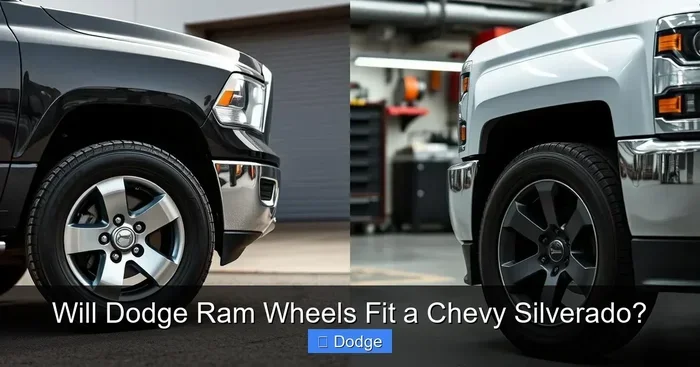
Do Chevy Rims fit a Dodge truck or SUV? The answer depends on several key factors like bolt pattern, wheel offset, and hub bore size. While some Chevy rims can work on Dodge vehicles, you need to check compatibility carefully before buying. This guide walks you through everything you need to know to make the right choice.
So you want to know do Chevy rims fit a Dodge truck or SUV? It is a question that comes up more often than you might think. Car owners love swapping out their wheels for a fresh look or better performance. But not all rims play nice with every vehicle. The truth is, the answer is not a simple yes or no.
Several factors determine whether a rim will work on your Dodge. Things like bolt pattern, wheel offset, hub bore, and rim width all play a role. Getting even one of these wrong can lead to serious fitment issues. That is why we put together this complete guide. By the end, you will know exactly what to look for and how to avoid costly mistakes.
Whether you drive a Dodge Ram, a Dodge Durango, or any other Dodge model, this article has you covered. We will break down the technical details in plain language. You do not need to be a mechanic to understand this stuff. Let us dive in and make sure your next rim purchase goes smoothly.
Key Takeaways
- Bolt pattern is critical: Chevy and Dodge trucks often share the same 5-lug pattern, making some rims interchangeable.
- Offset and backspacing matter: Even with matching bolt patterns, wrong offset can cause rubbing and safety issues.
- Hub bore size must match: A proper hub bore ensures the rim sits flush and centered on the wheel hub.
- Aftermarket rims offer flexibility: Many aftermarket brands offer universal fitment options for both Chevy and Dodge vehicles.
- Always measure before buying: Taking simple measurements saves time, money, and prevents fitment problems.
- Lighter rims improve performance: Upgrading to lightweight aftermarket rims can boost fuel efficiency and handling.
📑 Table of Contents
Understanding Rim Compatibility Basics
Before we get into the specifics of Chevy rims on Dodge vehicles, let us cover the basics. Rim compatibility is not just about looks. It is about safety, performance, and proper function. Every vehicle has specific requirements for wheel fitment. When you understand these basics, you can shop with confidence.
The Five Key Measurements You Need to Know
There are five main measurements that determine if a rim will fit your vehicle. Let us break them down one by one:
- Bolt Pattern: This is the arrangement of lug nuts on your wheel. Most Dodge trucks use a 5×139.3mm pattern. Chevy trucks also commonly use 5×139.3mm. This is great news for compatibility.
- Wheel Offset: Offset tells you how far the mounting surface sits from the center of the rim. Positive offset pushes the wheel inward. Negative offset pushes it outward.
- Backspacing: This measures the distance from the mounting surface to the back edge of the rim. More backspacing means the wheel sits closer to the suspension.
- Hub Bore: The center hole of the rim must match the hub on your vehicle. A proper fit keeps the wheel centered and secure.
- Rim Width: The width of the rim affects tire fitment and overall handling. Too wide or too narrow can cause problems.
When you check all five of these measurements, you can determine if a rim will work. Do Chevy rims fit a Dodge vehicle? In many cases, yes. But you still need to verify each measurement carefully.
Why Bolt Pattern Is the Starting Point
The bolt pattern is the first thing you should check. It is also called the lug pattern or wheel pattern. If the bolt pattern does not match, the rim simply will not bolt on. No amount of adjusting will fix that.
Both Chevy and Dodge full-size trucks typically use a 5×139.3mm bolt pattern. This means five lug nuts arranged in a circle with a 139.3mm diameter. This shared pattern is the biggest reason why Chevy rims can fit Dodge trucks. However, smaller Dodge SUVs and cars may use different patterns. Always double-check your specific model.
Do Chevy Rims Fit a Dodge Truck or SUV?
Now let us get to the heart of the question. Do Chevy rims fit a Dodge truck or SUV? The short answer is sometimes. The longer answer depends on your specific vehicle and the rim you are considering.
Chevy Silverado Rims on Dodge Ram Trucks
Chevy Silverado rims and Dodge Ram trucks are a popular combination. Both brands use the same 5×139.3mm bolt pattern on their full-size trucks. This makes Silverado rims a viable option for Ram owners. However, there are still other factors to consider.
Offset is where things get tricky. Chevy and Dodge may have different factory offset specifications. A rim with the wrong offset can cause the tire to rub against the fender or suspension. This is a serious safety concern. Always check the offset before purchasing.
Hub bore is another important consideration. Chevy rims often have a larger center bore than Dodge hubs. You can use hub-centric rings to fill the gap. These rings center the rim properly on the Dodge hub. Without them, the rim may not seat correctly.
Chevy Rims on Dodge SUVs Like the Durango
Dodge SUVs like the Durango and Journey have different specifications than the trucks. The bolt pattern may differ. For example, some Dodge SUVs use a 5x127mm pattern instead of 5×139.3mm. This means Chevy truck rims will not fit without adapters.
Always check your vehicle owner’s manual for the exact specifications. You can also look up your vehicle on rim fitment websites. These tools make it easy to compare measurements across different brands and models.
How to Check If a Rim Will Fit Your Dodge
Checking rim fitment does not require a mechanics degree. With a few simple tools and some basic knowledge, you can do it yourself. Here is a step-by-step approach to make sure the rim you want will work on your Dodge.
Step 1: Gather Your Vehicle Specifications
Start by finding your Dodge vehicle specifications. Look for the bolt pattern, offset, hub bore, and rim width. Your owner’s manual is the best place to find this information. You can also check the tire information placard on the driver’s door jamb.
Write down all of these numbers before you start shopping. Having them handy saves time and prevents confusion. Many online retailers also list vehicle compatibility on their product pages.
Step 2: Measure Your Current Rims
If you already have rims on your Dodge, measure them. Use a tape measure or ruler to get the bolt circle diameter. Measure the offset and backspacing as well. These measurements give you a baseline for what works.
Pro tip: Bring your current rim measurements when shopping online. Most reputable rim retailers let you search by vehicle and bolt pattern. This makes filtering through options much easier.
Step 3: Use Online Fitment Tools
Many websites offer free fitment calculators. You enter your Dodge make, model, and year. The tool shows you compatible rim sizes and specifications. This is a great way to narrow down your options quickly.
Some tools also show you which aftermarket rims have been successfully installed on similar vehicles. This gives you real-world confirmation that a rim will work.
Potential Problems and How to Avoid Them
Even when the bolt pattern matches, problems can still arise. Understanding these common issues helps you avoid costly mistakes and safety hazards.
Clearance and Rubbing Issues
The most common problem with mismatched rims is rubbing. If the offset is wrong, the tire may contact the fender or suspension components. This happens especially during turns or when hitting bumps.
Road hazards like debris or even hitting a deer can cause additional damage if your rims are not properly fitted. A rim that is already close to the fender has less room to absorb impact. Always ensure proper clearance before installing new rims.
To avoid rubbing, check the tire diameter and width. A taller tire may rub against the fender well. A wider tire may rub against the suspension arm. Measure the space between the tire and the fender before committing to a purchase.
Lug Nut and Hub Bore Concerns
Lug nuts come in different styles and seat types. Some rims use conical seat lug nuts. Others use ball seat or flat seat designs. Make sure your lug nuts match the rim specifications.
Hub bore size is equally important. If the center hole is too large, the rim will not sit flush on the hub. Hub-centric rings solve this problem. They fill the gap and ensure proper centering. Never rely solely on lug nuts to center the wheel. The hub should always support the vehicle weight.
TPMS Sensor Compatibility
Modern Dodge vehicles come with Tire Pressure Monitoring Systems. These sensors live inside the rim or valve stem. When you swap to a new rim, the TPMS sensor may not fit.
Check if your new rim has a TPMS sensor port or if you need an aftermarket sensor. Some rim manufacturers offer TPMS-compatible options. This small detail can save you from a dashboard warning light after installation.
Benefits of Aftermarket Rims for Dodge Vehicles
Aftermarket rims offer several advantages over factory stock wheels. Many Dodge owners choose to upgrade for style, performance, or both. Let us look at some of the key benefits.
Style and Personalization
Aftermarket rims come in countless designs, finishes, and sizes. Whether you prefer a sleek silver finish or a bold black machined look, there is an option for you. Custom rims can completely transform the appearance of your Dodge truck or SUV.
Many aftermarket brands offer rims specifically designed for Dodge models. These wheels are engineered to match the vehicle’s aesthetic while providing proper fitment. You get the best of both style and function.
Performance Improvements
Lighter aftermarket rims can improve your vehicle’s performance in several ways. Reduced rotational mass means better acceleration and braking. The vehicle feels more responsive on the road.
Upgrading to lightweight rims can also help with fuel efficiency. While the effect may be small, every bit counts over time. Lighter wheels put less strain on the engine and drivetrain components.
Some aftermarket rims are designed with performance in mind. They feature wider lips for better tire contact and improved handling. If you use your Dodge for towing or hauling, performance rims can make a noticeable difference.
Better Resale Value
Well-chosen aftermarket rims can increase your vehicle’s resale value. Clean, attractive wheels catch the eye of potential buyers. They signal that the owner has taken care of the vehicle.
Keep in mind that overly aggressive fitments may turn off some buyers. Stick to rims that are within a reasonable size range for your Dodge model. This keeps the vehicle appealing to a wider audience.
Expert Tips for Rim Shopping
Shopping for rims can be overwhelming with so many options available. Here are some expert tips to guide you through the process.
Stick to Reputable Brands
Choose rim brands with a proven track record. Brands like American Racing, Fuel Wheels, and Method Race Wheels are well-known in the industry. They offer quality construction and reliable fitment data.
Cheap no-name rims may seem like a bargain, but they often have inconsistent quality control. The hub bore may not be true to size. The offset could be off by several millimeters. Stick with trusted brands for peace of mind.
Consider Professional Installation
While some DIY enthusiasts can install rims at home, professional installation is recommended. A tire shop has the proper torque tools and alignment equipment. They can also check for fitment issues before you drive away.
Many rim retailers offer installation packages with your purchase. This can save you time and ensure everything is done correctly. The extra cost is worth the confidence of a proper installation.
Test Fit Before Final Purchase
If possible, test-fit the rim before committing. Some tire shops will let you hold the rim up to your vehicle for a visual check. This quick step can reveal clearance issues early.
Never assume a rim will fit based on specifications alone. Physical verification is the best way to confirm compatibility. It takes five minutes and can save you hundreds of dollars in returns.
Keep Your Original Rims
Always hold onto your original factory rims. They serve as a backup if the aftermarket rims do not work out. You can also sell them to recoup some of your investment.
Original rims also come in handy if you need to visit a dealer for warranty work. Some dealerships require factory wheels for certain service procedures. Having them on hand avoids any complications.
Common Mistakes to Avoid When Buying Rims
Even experienced car owners make mistakes when buying new rims. Here are the most common pitfalls to watch out for.
- Ignoring offset specifications: This is the number one cause of fitment problems. Always verify the offset matches your Dodge.
- Forgetting about tire size: A new rim may require a different tire size. Check that the tire diameter stays within the acceptable range.
- Skipping the hub bore check: A loose rim is a dangerous rim. Always confirm hub bore compatibility or plan to use hub-centric rings.
- Buying based on looks alone: Style matters, but function comes first. A beautiful rim that does not fit is worthless.
- Not checking load rating: Dodge trucks often carry heavy loads. Make sure the rim’s load rating meets or exceeds your vehicle’s requirements.
Final Thoughts
So, do Chevy rims fit a Dodge truck or SUV? The answer is yes, in many cases. The shared bolt pattern on full-size trucks makes compatibility possible. But you must verify offset, hub bore, rim width, and tire size before making a purchase.
Take your time and do your research. Measure your current setup, use online fitment tools, and consult with professionals if needed. The right rim upgrade can transform the look and feel of your Dodge vehicle. It can also improve performance and handling on the road.
Whether you are upgrading for style or function, the key is proper fitment. Follow the guidelines in this article and you will find the perfect rims for your Dodge. Happy wheel shopping!
Frequently Asked Questions
Can I put Chevy rims on a Dodge Ram 1500?
In most cases, yes. Chevy Silverado rims and Dodge Ram 1500 trucks share the same 5×139.3mm bolt pattern. However, you still need to check the offset, hub bore, and rim width to ensure proper fitment. Always verify all measurements before purchasing.
What bolt pattern does a Dodge truck use?
Most Dodge trucks, including the Ram 1500, Ram 2500, and Ram 3500, use a 5×139.3mm bolt pattern. This is the same pattern used by Chevy Silverado trucks. Always confirm the exact pattern for your specific model and year.
Do I need hub-centric rings when putting Chevy rims on a Dodge?
You may need hub-centric rings if the Chevy rim has a larger center bore than your Dodge hub. These rings ensure the rim sits flush and centered on the wheel hub. They are inexpensive and easy to install.
Will Chevy rims affect my Dodge truck’s warranty?
Aftermarket rims typically do not void your warranty unless they directly cause a problem. For example, if a poorly fitting rim damages a suspension component, the manufacturer may deny the related claim. Always check with your dealer if you have concerns.
Can I use adapters to fit Chevy rims on a Dodge SUV?
Yes, wheel adapters can change the bolt pattern to make Chevy rims fit a Dodge SUV. However, adapters add complexity and may affect handling. Use high-quality adapters from reputable manufacturers and have them installed professionally.
What rim width works best for a Dodge Ram?
Rim width depends on your tire size and intended use. Most Dodge Ram trucks work well with rims between 8 and 10 inches wide. Check your vehicle specifications or consult a tire professional for the ideal width.