How Many Catalytic Converters Does a Cadillac CTS Have
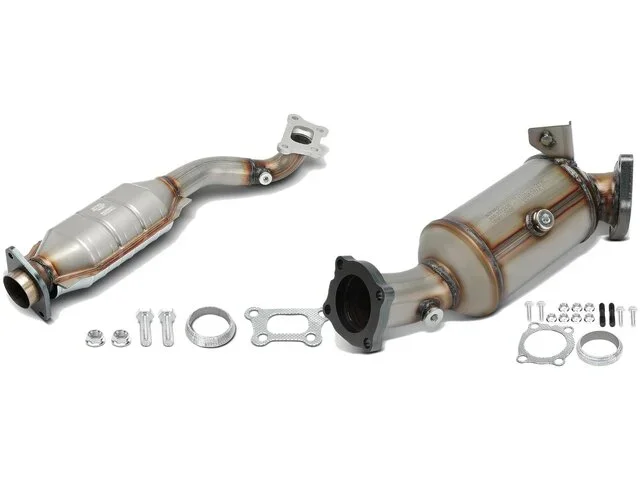
The Cadillac CTS typically has two catalytic converters — one for each exhaust bank. These converters play a vital role in reducing harmful vehicle emissions and keeping your car running smoothly. Understanding your CTS exhaust system helps you spot problems early and save money on repairs.
Have you ever wondered what happens to the gases coming out of your car’s engine? The answer lies in a small but mighty component called the catalytic converter. If you own a Cadillac CTS or are thinking about buying one, understanding how many catalytic converters it has is more important than you might think.
The Cadillac CTS catalytic converter setup is straightforward once you break it down. Most models use two converters to handle exhaust gases efficiently. This design helps your car meet emission standards while delivering the performance you expect from a luxury sedan. In this guide, we will walk you through everything you need to know about your CTS exhaust system.
Whether you are dealing with a check engine light or just want to learn more about your vehicle, this article covers it all. We will look at how many converters your car has, where they are located, what they do, and how to keep them in good shape. Let us get started.
Key Takeaways
- Two Converters Standard: Most Cadillac CTS models come with two catalytic converters, one per exhaust bank.
- Location Matters: The converters sit close to the engine and further back in the exhaust system.
- Watch for Warning Signs: Reduced fuel efficiency, check engine light, and rattling sounds can signal a failing converter.
- Replacement Cost Varies: Expect to pay between $1,000 and $2,500 depending on the model year and converter type.
- Theft Risk Is Real: Catalytic converters contain precious metals, making them targets for thieves.
- Regular Maintenance Helps: Keeping up with exhaust system inspections extends converter life.
📑 Table of Contents
- What Is a Catalytic Converter and Why Does It Matter?
- How Many Catalytic Converters Does a Cadillac CTS Have?
- The Role of Each Catalytic Converter in Your CTS
- Signs Your Cadillac CTS Catalytic Converter Is Failing
- Catalytic Converter Replacement Cost for Cadillac CTS
- Tips to Protect Your Cadillac CTS Catalytic Converter
- Common Mistakes People Make With Catalytic Converters
- How Catalytic Converters Affect Your CTS Performance
- How Does the Cadillac CTS Exhaust System Compare to Other Models?
- Frequently Asked Questions About Cadillac CTS Catalytic Converters
- Final Thoughts
What Is a Catalytic Converter and Why Does It Matter?
A catalytic converter is part of your car’s exhaust system. It sits between the engine and the tailpipe. Its job is to clean up the harmful gases produced during combustion. Without it, your car would release dangerous pollutants into the air.
Inside the converter, you will find a honeycomb structure coated with precious metals like platinum, palladium, and rhodium. These metals trigger chemical reactions that turn toxic gases into less harmful ones. Carbon monoxide becomes carbon dioxide. Nitrogen oxides break down into nitrogen and oxygen. Hydrocarbons get converted into water vapor and carbon dioxide.
Your Cadillac CTS relies on this process every time you drive. It keeps your car compliant with environmental regulations. It also helps your engine run at peak performance. A clogged or damaged converter can cause serious problems. You might notice a drop in fuel efficiency or a rough idle. In some cases, the car may not even start.
Many car owners overlook their converters until something goes wrong. That is a mistake. Regular attention to your exhaust system can prevent expensive repairs down the road. And understanding your specific setup, like knowing how many converters your CTS has, gives you a head start.
How Many Catalytic Converters Does a Cadillac CTS Have?
The short answer is two. Most Cadillac CTS models come equipped with two catalytic converters. This is standard for vehicles with a V6 or V8 engine configuration. Each converter handles one side of the engine’s exhaust output.
Here is why two converters make sense. The CTS uses a dual exhaust system layout. This means the engine has two separate exhaust banks. Each bank produces its own stream of exhaust gases. A single converter would not be able to handle the volume efficiently. Two converters split the workload and keep things running smoothly.
Some older CTS models with smaller engines might use a single converter setup. But the vast majority of CTS sedans on the road today have two. Always check your specific model year and engine size to be sure.
Where Are the Catalytic Converters Located?
The first converter sits close to the engine. Mechanics call this the “front” or “pre-cat” converter. It works on hot exhaust gases right after they leave the engine. The second converter is further back in the system. This one is sometimes called the “rear” or “post-cat” converter.
Both converters connect to the exhaust pipe through a series of brackets and flanges. They are typically located underneath the car, near the middle and rear sections of the chassis. Because they sit low to the ground, they can be vulnerable to road debris and physical damage.
On some CTS trims, the converters are integrated into the exhaust manifold. This design saves space and improves efficiency. It also means that replacing a converter can be more complex. Labor costs may be higher for these integrated setups.
The Role of Each Catalytic Converter in Your CTS
Each converter in your Cadillac CTS plays a specific role. Together, they form a complete emission control system. Let us look at what each one does.
Front Converter
The front converter handles the bulk of the work. It processes the hottest exhaust gases first. These gases contain the highest concentration of pollutants. The precious metals inside the front converter work overtime to break down carbon monoxide and hydrocarbons.
Because it deals with extreme heat, the front converter is more prone to wear over time. Heat damage can cause the internal honeycomb structure to collapse. When that happens, exhaust flow gets restricted. You will notice a loss of power and a drop in engine performance.
Rear Converter
The rear converter cleans up whatever the front converter missed. By the time exhaust gases reach the rear converter, they are already partially cleaned. The rear converter finishes the job, reducing any remaining nitrogen oxides and other pollutants.
The rear converter generally lasts longer than the front one. It deals with cooler gases and less intense chemical reactions. However, it can still fail over time, especially if the front converter is already compromised.
How They Work Together
Both converters work in sequence. The front converter handles the heavy lifting, and the rear converter polishes the output. This two-stage process ensures that your CTS meets strict emission standards. It also keeps your car running clean and efficient.
If one converter fails, the other still works. But your overall emission control suffers. You might pass a smog check with a bad rear converter, but the front converter failure will almost always trigger a check engine light. Both units matter.
Signs Your Cadillac CTS Catalytic Converter Is Failing
Catalytic converters do not fail overnight. They degrade slowly over time. Catching the early signs can save you from a costly replacement. Here are the most common symptoms to watch for.
Check Engine Light
The check engine light is your first warning. Modern Cadillac CTS models have oxygen sensors that monitor converter efficiency. When the sensors detect a problem, they trigger the light. A mechanic can read the diagnostic codes to confirm the issue.
Common codes related to converter problems include P0420 and P0430. These codes indicate low catalyst efficiency. Do not ignore these lights. They rarely fix themselves and usually get worse over time.
Reduced Fuel Efficiency
If your CTS is getting fewer kilometers per liter than usual, a bad converter might be to blame. A clogged converter restricts exhaust flow. Your engine has to work harder to push gases out. This extra effort burns more fuel.
Compare your fuel economy to the manufacturer’s rated numbers. If you are consistently below those numbers, get your exhaust system inspected. You might be able to fix the problem before it gets worse.
Rotten Egg Smell
A strong sulfur or rotten egg smell from your tailpipe is a red flag. This smell comes from unprocessed hydrogen sulfide. A healthy converter converts this gas into odorless sulfur dioxide. A failing converter cannot do this job.
If you notice this smell inside or outside your car, pull over safely. Continuing to drive with a bad converter can cause further damage to your engine.
Rattling Noise
A rattling sound from underneath your car can mean the converter’s internal structure is breaking apart. The honeycomb pieces break into small fragments and rattle around inside the casing. This is a clear sign of physical failure.
Do not keep driving if you hear this noise. Broken pieces can block the exhaust pipe entirely. That will leave you stranded on the side of the road.
Failed Emission Test
If your CTS fails an emission test, the converter is a likely culprit. High levels of carbon monoxide and hydrocarbons in the exhaust output point directly to converter failure. Get this checked right away.
Catalytic Converter Replacement Cost for Cadillac CTS
Replacing a catalytic converter is not cheap. But understanding the costs ahead of time helps you plan. The Cadillac CTS catalytic converter replacement cost depends on several factors.
Parts Cost
OEM converters for the CTS typically cost between $500 and $1,200 each. Aftermarket options are cheaper, ranging from $300 to $700 per unit. The price difference comes down to the quality of materials and the brand.
OEM converters generally last longer and fit better. Aftermarket parts can work well too, but you need to choose a reputable brand. Cheap converters may fail within a year or two.
Labor Cost
Labor for replacing a catalytic converter on a CTS runs between $200 and $500 per unit. The total cost for both converters usually falls between $1,000 and $2,500. If your CTS has integrated converters in the exhaust manifold, labor costs can be higher.
Some repair shops charge more than others. Dealerships tend to cost more than independent mechanics. But dealerships often provide better warranties on parts and labor.
How to Save Money
You can save money in a few ways. First, get multiple quotes before committing to a repair. Second, ask about aftermarket parts if OEM is too expensive. Third, keep your exhaust system clean to extend converter life.
Also, check if your CTS is still under warranty. Some converters are covered under the emissions warranty, which can last up to eight years or 80,000 miles in many states.
Tips to Protect Your Cadillac CTS Catalytic Converter
Your catalytic converter is a long-lasting part. With proper care, it can survive the life of the car. Here are some practical tips to keep it healthy.
Keep Your Engine Tuned
An engine that runs poorly puts extra stress on the converter. Unburned fuel entering the exhaust system can overheat the converter. Regular oil changes, spark plug replacements, and fuel system cleanings help your engine run clean.
Follow the maintenance schedule in your CTS owner’s manual. Staying on top of routine service goes a long way toward protecting your exhaust system.
Use Quality Fuel
Cheap fuel can contain contaminants that damage your converter over time. Top-tier gasoline has fewer impurities and burns cleaner. It is a small cost that pays off in the long run.
Avoid Road Hazards
Your converters sit low to the ground. Speed bumps, potholes, and road debris can cause physical damage. Drive carefully over rough surfaces. If you have ever hit a deer or large object, get your undercarriage inspected even if the damage seems minor.
Address Engine Problems Quickly
Small engine issues can snowball into converter problems. A misfiring cylinder sends unburned fuel into the exhaust. This can melt the converter’s internal structure. Fix engine codes and performance issues as soon as you notice them.
Consider Theft Protection
Catalytic converters contain precious metals like platinum and palladium. This makes them targets for thieves. Consider installing a converter protection shield or anti-theft device. Some insurance policies also cover converter theft.
Simple steps like parking in well-lit areas and garages can also reduce theft risk. A few minutes of prevention can save you thousands of dollars.
Common Mistakes People Make With Catalytic Converters
Car owners make mistakes when it comes to catalytic converters. Avoiding these errors can save you time and money.
- Ignoring the check engine light. Even a small code can point to a converter issue that gets worse over time.
- Using low-quality fuel. Impurities in cheap fuel accelerate converter degradation.
- Delaying engine repairs. A small misfire today can melt a converter tomorrow.
- Buying the cheapest aftermarket part. Cheap converters fail fast and may damage other exhaust components.
- Skipping regular inspections. A simple visual check of your exhaust system can catch problems early.
- Driving with a known converter issue. This can cause cascading damage to your oxygen sensors and exhaust manifold.
Every one of these mistakes is preventable. A little attention goes a long way in keeping your Cadillac CTS running strong.
How Catalytic Converters Affect Your CTS Performance
A healthy converter does more than just pass emission tests. It actually helps your car perform better. Clean exhaust flow means your engine can breathe easier. This translates to smoother acceleration and better responsiveness.
On the other hand, a clogged converter creates back pressure. Your engine has to fight against this pressure to push exhaust out. The result is sluggish performance and reduced power. You might feel this most when accelerating at highway speeds.
Some car enthusiasts worry that converters limit performance. While it is true that converters create some restriction, modern designs are very efficient. The trade-off between clean emissions and slight performance loss is worth it for most drivers.
For those who want more exhaust flow, high-flow catalytic converters are an option. These aftermarket parts use better materials and designs to reduce restriction. They can improve both performance and sound. Just make sure they meet local emission laws before installing them.
How Does the Cadillac CTS Exhaust System Compare to Other Models?
The CTS exhaust system shares some similarities with other luxury sedans. Vehicles like the BMW 3 Series and Mercedes C-Class also use dual converter setups. Most modern cars with V6 or V8 engines follow this same pattern.
However, the CTS has its own unique features. Cadillac uses a specific exhaust manifold design that integrates the front converter on some trims. This design improves heat retention and catalyst light-off time. It means the converter becomes effective faster after a cold start.
When comparing fuel efficiency across similar models, the CTS holds its own. The dual converter setup helps maintain clean exhaust flow, which supports optimal engine operation. A well-maintained converter system contributes to better overall mileage.
For owners curious about how their vehicle’s fuel consumption compares, checking how far a liter of petrol takes you can be informative. Understanding fuel efficiency benchmarks helps you gauge whether your CTS is running at its best.
Frequently Asked Questions About Cadillac CTS Catalytic Converters
Here are some common questions that CTS owners ask about their catalytic converters.
Can I drive my Cadillac CTS with a bad catalytic converter?
You can drive short distances with a failing converter, but it is not recommended. A bad converter can cause engine damage over time. It can also lead to failed emission tests and reduced fuel efficiency. Get it repaired as soon as possible to avoid bigger problems.
How long does a Cadillac CTS catalytic converter last?
Most catalytic converters last between 100,000 and 150,000 miles. With proper maintenance and good driving habits, some last even longer. Factors like fuel quality, engine health, and driving conditions all affect converter lifespan.
Is catalytic converter theft common for Cadillac CTS?
Yes, theft is a growing concern for all vehicles with catalytic converters. The CTS is not specifically targeted more than other models, but its converters contain valuable precious metals. Parking in secure locations and using anti-theft devices can help reduce your risk.
Can I replace just one catalytic converter on my CTS?
Yes, you can replace just one if only one is faulty. However, mechanics often recommend replacing both at the same time. This ensures balanced exhaust flow and prevents the new converter from being damaged by a failing old one. It also saves on labor costs in the long run.
What happens if I remove the catalytic converter from my CTS?
Removing the catalytic converter is illegal in most places. It will cause your car to fail emission tests. It can also trigger the check engine light and damage your oxygen sensors. Some cars run louder without a converter, but the legal and environmental costs far outweigh any benefits.
Does the Cadillac CTS hybrid model have a different converter setup?
The CTS was not widely available as a hybrid, but some hybrid luxury sedans use different emission control systems. Hybrid vehicles often have additional emission components beyond the standard converter. If you own a hybrid variant, consult your owner’s manual or a certified mechanic for specific details.
Final Thoughts
Your Cadillac CTS is a well-engineered luxury sedan. Its dual catalytic converter setup keeps your car running clean and compliant. Understanding how this system works empowers you as a car owner.
From recognizing the warning signs of a failing converter to knowing the replacement costs, this knowledge helps you make smart decisions. Regular maintenance and careful driving habits go a long way in protecting your exhaust system.
Take care of your catalytic converters, and they will take care of your engine. Keep up with scheduled services, use quality fuel, and address small problems before they become big ones. Your CTS will reward you with years of reliable, efficient performance.
If you ever notice unusual smells, sounds, or warning lights, do not wait. Get your car inspected by a qualified mechanic. Early intervention is the key to avoiding expensive repairs and keeping your Cadillac CTS in top shape for years to come.