Can You Start an Ignition Without a Key Step by Step
Yes, you can start an ignition without a key using several methods. Whether you lost your key, have a dead key fob, or face a broken ignition, this guide walks you through each step safely. Understanding your ignition system helps you stay calm and find the right solution fast.
Ever found yourself standing next to your car, keyless, and wondering if you can still get it going? You are not alone. Thousands of drivers face this frustrating situation every year. Whether you dropped your keys down a storm drain, left them in the grocery store, or dealt with a dead key fob battery, the panic is real.
The good news is that starting an ignition without a key is possible in many cases. The method you use depends on your car model, year, and type. In this guide, we walk you through every option step by step. We also cover safety tips and prevention strategies so you are never stuck again.
Before we dive in, let us be clear. Some methods work better on older vehicles. Newer cars have advanced security systems that make unauthorized starting very difficult. Always use these techniques responsibly and legally. If you lock your keys inside the car, consider calling for professional help like Can You Call 911 To Get Your Keys Out Of Your Car for emergency situations.
Key Takeaways
- Multiple methods exist: You can start a car without a key using a spare, push-start, or ignition bypass techniques depending on your vehicle.
- Know your car type: Keyless cars, older models, and hybrids each require different approaches to start without a traditional key.
- Safety first: Always try legal and safe methods before attempting any ignition bypass or hotwiring.
- Prevention matters: Keeping a spare key and maintaining your key fob battery can prevent most starting problems.
- Call for help: When in doubt, contact a locksmith or roadside assistance to avoid damaging your vehicle.
- Modern cars have protections: Immobilizer systems and transponder keys make unauthorized starting much harder in newer vehicles.
📑 Table of Contents
- Understanding How Your Ignition System Works
- Can You Start an Ignition Without a Key? Yes, Here Is How
- Common Reasons You Might Lose Access to Your Key
- Prevention Tips to Avoid Getting Locked Out
- What to Do If Your Car Will Not Start Even With the Key
- Is It Legal to Start a Car Without a Key?
- Key Takeaways
- Frequently Asked Questions
- Final Thoughts
Understanding How Your Ignition System Works
To start a car without a key, you need to understand what the key does in the first place. Your ignition system is a chain of components that work together to fire up the engine. Each part plays a specific role in the starting process.
The Role of the Key or Key Fob
In older cars, the physical key turns the ignition cylinder. This completes an electrical circuit that sends power to the starter motor. The starter motor then cranks the engine. Simple and straightforward.
In modern vehicles, the key fob communicates with the car’s computer wirelessly. The car recognizes the fob’s unique signal before allowing the engine to start. This is part of the immobilizer system. Without this recognition, the car will not start even if you turn the ignition.
Key Components of the Ignition System
- Ignition lock cylinder: The physical slot where you insert the key.
- Ignition switch: The electrical component behind the cylinder that sends power to different systems.
- Starter motor: The motor that cranks the engine to start it.
- Transponder chip: A small chip in the key or fob that communicates with the car’s computer.
- Immobilizer module: The security system that prevents the engine from starting without the correct key signal.
When any of these components fail or when you lose your key, you cannot start the car the normal way. That is where alternative methods come in. But first, let us look at the different types of ignitions you might encounter.
Can You Start an Ignition Without a Key? Yes, Here Is How
The answer depends on your vehicle type and the situation you are in. Below we cover the most common methods people use to start a car without a key. Each method has its own requirements and limitations.
Method 1: Using a Spare Key
This is the easiest and safest method. If you have a spare key at home, with a friend, or in your office, this is your best option. Simply grab the spare, insert it into the ignition, and turn it as normal.
Many people do not think about their spare key until they need it. Make it a habit to keep a spare in a safe but accessible place. A key holder near your front door or a spare with a trusted family member works well.
If you do not have a spare, skip to the methods below. But if you do, this should always be your first step.
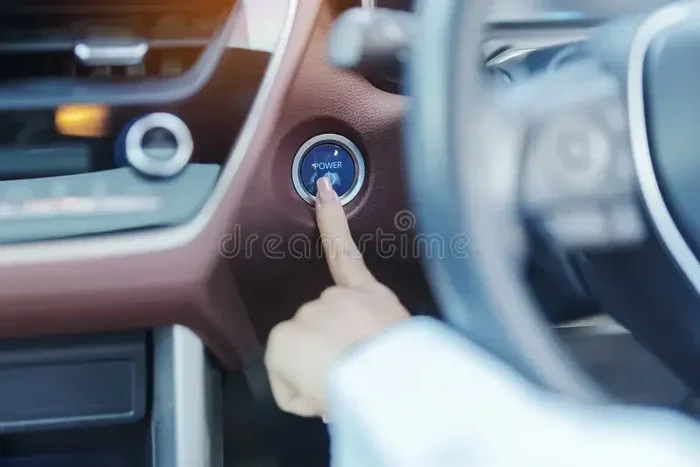
Method 2: Push Start or Button Start (Keyless Vehicles)
Many newer cars have a push-start button instead of a traditional ignition. These vehicles can often be started without the physical key fob present. Here is how it works.
First, check if your key fob battery is dead. If it is, most keyless cars have a backup method. Hold the fob directly against the start button or place it in a specific spot near the steering column. The car can read the fob through proximity even with a dead battery.
For vehicles with a traditional push button, place the fob close to the button and press it. The car should recognize the fob and allow the engine to start. Each manufacturer has a slightly different process, so check your owner’s manual for specific instructions.
Some people ask about Can A Keyless Car Be Started Without The Key and the answer is usually yes, with certain conditions. The fob must still be nearby and the car must be in the right mode.
Method 3: Using a Secondary Vehicle to Jump Start
If your problem is a dead battery rather than a lost key, jump starting can solve your issue. This method works regardless of whether you have your key or not, as long as the ignition cylinder is not damaged.
You need jumper cables and a second vehicle with a working battery. Connect the cables in the correct order: positive to positive, negative to a ground point on the dead car. Start the working vehicle first, then try starting the dead one.
For hybrid vehicles, the process is slightly different. You can learn more about this in our article on Can You Jump Start A Hybrid. Hybrids often have separate 12-volt batteries that can be jump started using the same basic method.
Method 4: Ignition Bypass for Older Vehicles
Older cars, particularly those made before the mid-1990s, often have simpler ignition systems. These vehicles may be easier to start without a key. However, we must emphasize that this should only be done on your own vehicle in an emergency.
On older vehicles, the ignition switch is a simple electrical component. You can sometimes bypass it by connecting the starter wire directly to the battery. This requires basic knowledge of your car’s wiring diagram.
Here is a general overview of the steps involved:
- Locate the ignition switch under the steering column.
- Identify the starter wire (usually red or yellow).
- Strip the insulation from the starter wire and the battery positive wire.
- Touch the two wires together to complete the circuit.
- The starter motor should engage and crank the engine.
This method varies greatly depending on the vehicle make and model. Always refer to a wiring diagram specific to your car before attempting any electrical work.
Method 5: Calling a Professional Locksmith
When none of the above methods work, a professional locksmith is your best bet. Licensed locksmiths have the tools and expertise to open your car and start the ignition without causing damage. They can also cut a new key on the spot in many cases.
Locksmiths can handle vehicles with transponder keys and immobilizer systems. They have specialized equipment to program new keys and fobs. This is the safest and most reliable option when you are locked out or have lost all your keys.
Many roadside assistance services also offer lockout help. If you have a membership with AAA or a similar service, call them first. They can often dispatch a locksmith or tow truck quickly.
Common Reasons You Might Lose Access to Your Key
Understanding why you are in this situation can help you prevent it from happening again. Here are the most common reasons drivers lose access to their ignition key.
Dead Key Fob Battery
Key fob batteries typically last between two and four years. When the battery dies, the fob cannot send its signal to the car. You may still be able to start the car using the backup method of placing the fob against the start button. But if that does not work, you will need a replacement battery or a new fob.
Lost or Stolen Keys
Losing keys happens to everyone at some point. Keys can fall out of pockets, get left in restaurants, or be stolen. If your keys are stolen, you should always get new locks or a new transponder chip programmed to prevent unauthorized access.
Broken Ignition Cylinder
Over time, the ignition cylinder can wear out or break. This makes it impossible to turn the key. A broken cylinder often requires replacement of the entire ignition switch assembly. A mechanic or locksmith can handle this repair.
Damaged or Worn Key
Keys wear down over time. The grooves become less defined, making it harder to turn in the ignition. A damaged key may not engage the pins inside the cylinder properly. Getting a duplicate key made can solve this problem quickly.
Prevention Tips to Avoid Getting Locked Out
The best way to deal with a no-key situation is to prevent it from happening. Here are simple habits that can save you a lot of trouble and stress.
- Keep a spare key: Always have at least one spare key stored in a safe location away from home.
- Replace key fob batteries regularly: Do not wait until the fob stops working. Replace the battery every two to three years.
- Use a key tracker: Bluetooth key trackers like Tile or AirTag can help you locate lost keys quickly.
- Check for your key before locking: Make it a routine to confirm you have your key before walking away from the car.
- Keep a locksmith number saved: Having a trusted locksmith on speed dial can save you time and money in an emergency.
- Avoid extreme temperatures: Heat and cold can damage key fob batteries and electronic components faster.
These small habits add up over time. They can spare you the stress and expense of dealing with a no-key situation on the side of the road.
What to Do If Your Car Will Not Start Even With the Key
Sometimes the problem is not about losing the key. Your car may refuse to start even when the key is present. This can point to a deeper mechanical or electrical issue.
Check the Battery
A dead battery is the number one reason cars fail to start. If you hear a clicking sound when you turn the key but the engine does not crank, the battery is likely the culprit. You can confirm this by turning on the headlights. If they are dim or do not turn on, the battery is dead or weak.
Inspect the Starter Motor
If the battery is fine but the engine does not crank, the starter motor may be faulty. A clicking sound when you turn the key often points to a bad starter. Replacing a starter motor is a job for a qualified mechanic.
Look at the Fuel System
No fuel means no start. Check that you have enough gas in the tank. In some cases, a clogged fuel filter or a failed fuel pump can prevent the engine from starting. These issues require professional diagnosis and repair.
Ignition Switch Problems
A faulty ignition switch can prevent power from reaching the starter motor and fuel system. Signs of a bad ignition switch include the dashboard lights flickering or the engine stalling unexpectedly. Replacing the ignition switch is a common repair that most mechanics can handle quickly.
If you are dealing with starting issues and are not sure what is wrong, it is always best to consult a professional. Trying to fix complex electrical problems without the right knowledge can make things worse.
Is It Legal to Start a Car Without a Key?
This is an important question that many people overlook. The legality of starting a car without a key depends entirely on the context and ownership.
If the car is yours and you have lost your keys, starting it through alternative methods is perfectly legal. You are simply recovering access to your own property. However, attempting to start a car that does not belong to you without the owner’s permission is illegal in all jurisdictions.
Methods like ignition bypass and hotwiring fall into a gray area. While the techniques themselves are widely documented, using them on a vehicle you do not own can be charged as theft or unauthorized use of a motor vehicle. Always make sure you are acting on your own vehicle or with the owner’s explicit permission.
When in doubt, contact a locksmith or your local dealership. They can provide legal and safe solutions for any starting problem.
Key Takeaways
- Spare keys are your best friend: Always keep one in a safe, accessible location.
- Push-start works on most keyless cars: Hold the fob near the start button for a backup start.
- Jump starting helps with dead batteries: Use another vehicle and jumper cables to get going again.
- Older vehicles are easier to bypass: Simple ignition systems on pre-1990s cars allow more manual starting options.
- Professional locksmiths are the safest option: They can open your car and program new keys without damage.
- Prevention saves time and money: Regular key maintenance and good habits prevent most starting problems.
Frequently Asked Questions
Can I start my car with a dead key fob battery?
Yes, in most keyless vehicles you can place the dead fob directly against the start button or the steering column area. The car has a backup reader that can detect the fob through proximity even without a working battery. Check your owner’s manual for the exact location on your specific model.
Is hotwiring a car illegal?
Hotwiring your own vehicle in an emergency is not illegal. However, hotwiring someone else’s car without permission is a criminal offense. Always make sure you own the vehicle or have the owner’s consent before attempting any ignition bypass method.
How much does it cost to replace a lost car key?
The cost varies widely depending on your vehicle. A basic metal key replacement can cost $10 to $50 at a locksmith. A smart key or transponder key replacement can range from $100 to $400 or more, especially for luxury or newer vehicles. Dealerships typically charge more than independent locksmiths.
Can a locksmith make a new key on the spot?
Yes, most professional locksmiths can cut and program a new key for you on the spot. They carry blank keys and programming equipment in their vehicles. This is often faster and cheaper than going to a dealership for key replacement.
What should I do if my ignition cylinder is broken?
Do not try to force the key or use tools to turn a broken cylinder. This can cause further damage. Call a locksmith or mechanic who can replace the ignition cylinder or switch. They have the proper tools to extract a broken key and install a new cylinder safely.
Can I start a modern car without any key at all?
Modern cars with advanced immobilizer systems are designed to prevent starting without the correct key or fob. In most cases, you will need a professional to program a new key. Some older models without immobilizers may allow alternative starting methods, but this is increasingly rare in vehicles made after 2000.
Final Thoughts
Knowing how to start an ignition without a key can save you time, money, and a lot of stress. Whether you use a spare key, push-start your keyless vehicle, jump start a dead battery, or call a locksmith, you have options. The method you choose depends on your car type, the situation, and what tools or resources you have available.
Prevention is always better than cure. Keep a spare key, replace your fob battery regularly, and maintain good habits around your keys. These simple steps can keep you from ever facing a no-key situation on a bad day.
If you do find yourself locked out or unable to start your car, stay calm. Work through the methods in this guide one by one. And when all else fails, reach out to a professional locksmith or roadside assistance service. They have the expertise to get you back on the road quickly and safely.
Remember, your car’s ignition system is designed to protect your vehicle. Respecting its security features and working with them rather than against them will always lead to the best outcome. Stay prepared, stay informed, and you will handle any key-related challenge that comes your way.